

If you react to fragrance, choose a fragrance-free, simple-ingredient cream or ointment with barrier-supporting fats like tallow or jojoba. Skip anything labeled “unscented,” since it can still hide masking fragrance. Patch-test any new product on a small patch of skin for a few days before using it on your face or body, and see a dermatologist if reactions keep happening.
TL;DR:
- Check the full ingredient list for fragrance, parfum, essential oils, methylisothiazolinone, lanolin, and propylene glycol; labels saying unscented or hypoallergenic are unreliable.
- Test a small patch on your forearm, then check it after 24 and 72 hours; stop and wash if blistering or intense itching develops.
- If reactions continue despite careful product testing, see a dermatologist for formal patch testing, which can identify the specific allergens you need to avoid.
- For persistent dryness, try a plain ointment or balm, apply it to damp skin after showering, and simplify your routine to reduce exposure to triggers.
Why fragrances trigger allergic reactions and which chemicals are most often involved
Fragrance is never one ingredient. It is a blend, often dozens of compounds listed under one word on a label. Federal guidance confirms that fragrance mixes can cause contact allergy, and ingredient lists can simply say “fragrance” without naming a single component.
Some fragrance chemicals show up again and again as sensitizers. Research on fragrance contact allergy points to linalool and limonene as two common markers, especially once they oxidize in the bottle or on your skin. Oxidized terpenes tend to be more allergenic than the fresh compounds.
A few points worth remembering:
- Leave-on products like moisturizers raise exposure risk more than rinse-off products such as soap.
- Fragrance allergy shows up more often in people who already have dermatitis than in the general population.
- “Natural” fragrance from essential oils carries the same risk as synthetic fragrance; plant origin does not make it safer.
How to choose a fragrance-free moisturizer: a practical checklist
Start with the label, not the marketing claim on the front of the jar. Flip the product over and scan the ingredient list itself.
- Look for “fragrance” or “parfum” anywhere in the ingredient list. If it’s there, skip the product, no matter what the front label says.
- Favor short ingredient lists built around a handful of recognizable fats and oils.
- Choose a cream or ointment over a thin lotion. Thicker formulas tend to sit on skin longer and support the barrier better.
- Skip products that lean on essential oils or botanical extracts if you’re fragrance-sensitive, since many plant extracts carry their own fragrance compounds.
- Buy a small jar or sample size first. Confirm the product agrees with your skin before committing to a full-size purchase.
Barrier-supporting ingredients matter as much as what’s missing. Fats like beef suet tallow carry a fatty-acid profile close to your skin’s own oils, which is why it tends to absorb cleanly rather than sit on top. Beeswax helps lock in moisture, vitamin E (as tocopherols) supports the formula’s stability, and jojoba and castor oil add lightweight, skin-friendly lubrication without a heavy feel.
Carrier oil choice counts too. Fractionated coconut oil is a stable, oxidation-resistant carrier that absorbs easily and holds up well on the shelf, which makes it a dependable choice next to tallow in a water-free formula. That’s different from oils like olive, avocado, or grapeseed, which oxidize faster and carry their own allergy risks for some people.
Pro Tip: Call or email the manufacturer if an ingredient name confuses you. A brand with nothing to hide will answer plainly.
Ingredient red flags: preservatives, botanicals, and label traps
Fragrance isn’t the only ingredient that causes reactions. A review of moisturizer allergens found that preservatives and other additives cause a meaningful share of moisturizer-related allergic contact dermatitis, right alongside fragrance itself.
Watch for these common non-fragrance allergens on ingredient lists:
- Parabens, used as preservatives in many water-based creams.
- Methylisothiazolinone, a preservative known to cause reactions in sensitive skin.
- Lanolin, derived from wool grease, which some people react to.
- Benzyl alcohol, which can act as both a preservative and a fragrance component.
- Propylene glycol, a common humectant that irritates some skin types.
- Certain emulsifiers needed to blend water and oil phases together.
Label language adds confusion on top of this. The FDA notes that “unscented” products can still contain a masking fragrance added just to cancel out other smells. “Fragrance-free” is the term to look for instead. “Hypoallergenic” has no regulated definition in the United States, so it tells you nothing specific about what’s inside the jar. When a label leaves you guessing, check the full ingredient list or contact the manufacturer directly.
How to test a new moisturizer safely and when to see a dermatologist
A home patch test takes only a few minutes to set up, and it can save you a bad reaction across your whole face.
- Apply a small amount of the product to a quarter-size patch of skin, often the inner forearm.
- Leave it undisturbed and check the spot at 24 and again at 72 hours.
- Watch for redness, itching, swelling, or small bumps at the test site.
- Stop immediately and wash the area if you notice blistering, spreading redness, or intense itching.
- Keep a simple log of what you tested and when, so patterns become easier to spot over time.
If reactions keep happening even with careful testing, a dermatologist can run formal patch testing with a standardized panel of allergens, including common fragrance markers. That testing identifies the exact compounds behind your reactions, which narrows down what to avoid going forward.
Why water-free, tallow-based formulas suit fragrance-sensitive skin
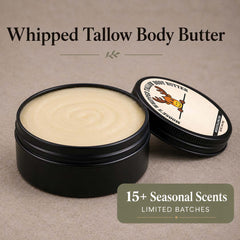
We build every product on properly rendered local beef suet tallow, and we keep our formulas water-free with minimal dilution. Fewer ingredients mean fewer places for unexpected allergens to hide, and skipping the water phase removes the need for the preservative systems that water-based creams require.
Each ingredient in our formulas earns its place:
- Beef suet tallow supports the skin barrier with a fat profile close to your own skin’s oils.
- Fractionated coconut oil carries the formula with stability and easy absorption.
- Beeswax and jojoba help seal in moisture without a greasy feel.
- Vitamin E (tocopherols) helps keep the oils from going rancid.
- Castor oil and egg yolk infused oil round out the formula’s lubrication and nourishment.
Brian (“Moose”) Smith started this brand after reading a lotion label with 52 ingredients, water listed first. We back every order with a satisfaction guarantee. For fragrance-sensitive skin, a body butter or balm format tends to fit the checklist better than a thin, water-heavy lotion.
Alternative routines when a standard moisturizer isn’t enough
Sometimes a simple cream swap isn’t enough, and your whole routine needs a rethink. Ointments are worth trying first, since they’re often built from just one or two occlusive ingredients with nothing else to react to. A plain balm or salve can do the same barrier-support job as a lotion with far less risk.
Plant oils used on their own, without a fragrance additive, are another option for some people, though they carry their own allergy risks and aren’t automatically safer just because they’re simple. DIY formulations appeal to a lot of fragrance-allergic shoppers because they offer full control over every ingredient, but mixing your own balm at home still calls for the same scrutiny you’d apply to a store-bought product. Any homemade blend deserves the same patch test before regular use.
Routine matters as much as the product itself. Applying a moisturizer right after a shower, while skin is still damp, helps the product lock in moisture more effectively than applying it to fully dry skin. Fewer products in your routine also means fewer chances for a reaction, so it’s often worth simplifying down to one trusted cream or balm rather than layering several different products through the day. Our guide to moisturizing sensitive skin walks through a simple, step-by-step version of this approach.

A founder’s note on simple, honest formulas
I started this brand after reading my own lotion label and not recognizing most of it. Fifty-two ingredients, water listed first, nothing I could explain to my kids.
Small batches and short ingredient lists mean fewer unknowns on your skin. We still believe in patch testing first, and talking to a dermatologist if something doesn’t clear up.
— Brian Smith
How our products fit the fragrance-free checklist
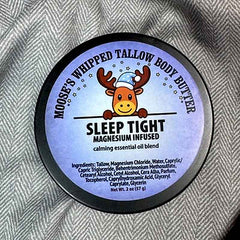
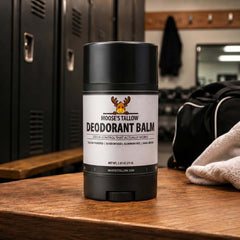
Our body butters, balms, and 13 more formats are built water-free, with no fragrance oils added to mask or cover scent. If you spend time outdoors, our Trail Relief balm and Hiker’s Friend repellent follow the same simple-ingredient approach, and our tallow deodorant balm skips both fragrance and aluminum.
Every full ingredient list is posted on the product page, so you can check it against your own red-flag list before buying. We recommend patch-testing any new balm the same way you would with any other product, even one built on fewer ingredients. If you want something lighter for after sun exposure, our Coconut After Sun formula follows the same water-free approach. Browse the full catalog and read the labels for yourself before you decide what fits.
FAQ
What should I avoid if I’m allergic to fragrance?
Avoid any product listing “fragrance,” “parfum,” or essential oils on the ingredient panel, even if the front label says “unscented.” The FDA notes that “unscented” products can still contain a masking fragrance added to hide other scents.
What is the best moisturizer for allergic-prone skin?
A fragrance-free cream or ointment with a short ingredient list tends to work best for allergy-prone skin. The National Eczema Association’s Seal of Acceptance is a practical filter, since it requires products to be free of fragrance before earning the seal.
What can I use to smell good if I’m allergic to fragrance?
Look for perfumes specifically formulated for sensitive skin rather than assuming all scented products are off-limits forever. Pure Parfum offers guidance on fragrance options built with sensitive skin in mind, though it’s worth patch-testing any new scent the same way you would a moisturizer.
How do you know if your skin is allergic to fragrance?
Redness, itching, bumps, or swelling after using a scented product are the usual signs. A dermatologist can confirm fragrance allergy through formal patch testing, which checks your skin against a panel of known fragrance markers.
Sources
- Allergens in cosmetics | FDA
- Fragrance Contact Allergy – A Review Focusing on Patch Testing - PMC
- About NEA Seal of Acceptance | National Eczema Association
0 comments