

TL;DR:
- Moisturizing sensitive skin requires careful timing, technique, and ingredient choices to prevent irritation. Applying on damp skin within three minutes and pressing gently supports barrier repair more effectively than heavy layering or rubbing. Minimal routines with natural occlusives like beef tallow and consistent habits lead to better skin recovery over time.
Sensitive skin and moisture don’t always get along. You finally find a product that seems promising, apply it, and 20 minutes later your face is red, tight, or stinging. The process for moisturizing sensitive skin matters just as much as the product itself. Timing, technique, and what you put on your skin can be the difference between relief and a flare-up. This guide breaks it down into a clear, practical routine you can follow every day without guesswork.
Key takeaways
| Point | Details |
|---|---|
| Timing is everything | Apply moisturizer within 3 minutes on damp skin to lock in hydration effectively. |
| Simple ingredients win | Fragrance-free, barrier-supporting formulas with ceramides or tallow outperform complex multi-step products. |
| Technique reduces irritation | Press moisturizer in gently instead of rubbing to avoid redness and stinging. |
| Layering builds comfort | Thin layers with short waits between them hydrate better than one heavy application. |
| Consistency drives results | A steady, minimal routine supports barrier repair and reduces reactivity over weeks. |
The process for moisturizing sensitive skin starts here
Before you open a single product, you need to know what works for sensitive skin and what quietly makes things worse.
What to look for in a moisturizer:
- Fragrance-free formulas. Fragrance is the leading cause of contact dermatitis on sensitive skin.
- Alcohol denat. free. This ingredient strips the barrier and dries skin out fast.
- Ceramides and hyaluronic acid for humectant and lipid support.
- Natural occlusives like beef suet tallow or beeswax to seal moisture in.
- Non-comedogenic labeling for face application.
What to avoid completely:
- Alcohol denat., fragrance, and parfum in any form.
- Harsh actives like retinol or AHAs in your moisturizer. Adding actives too early worsens barrier condition.
- Thick fragranced butters that include ingredients with high oxidation risk.
Pro Tip: For natural moisturizers that support sensitive skin, fractionated coconut oil is a better carrier than most alternatives. It is stable, absorbs cleanly, and resists oxidation, which makes it much gentler on reactive skin.
Here is a quick reference for choosing the right texture based on your skin’s current condition:
| Skin condition | Best texture | Why it works |
|---|---|---|
| Mildly dry or normal sensitive | Light cream or lotion | Hydrates without feeling heavy |
| Moderately dry | Rich cream with ceramides | Repairs and protects barrier |
| Severely dry or eczema-prone | Ointment or thick balm | Intensive barrier repair and occlusion |
A humidifier in your bedroom also makes a real difference. Dry air pulls moisture out of skin even after you moisturize.

Step-by-step moisturizing routine for sensitive skin
This is where most people go wrong. They use the right product but apply it the wrong way at the wrong time. Follow this process and you will see the difference within days.
-
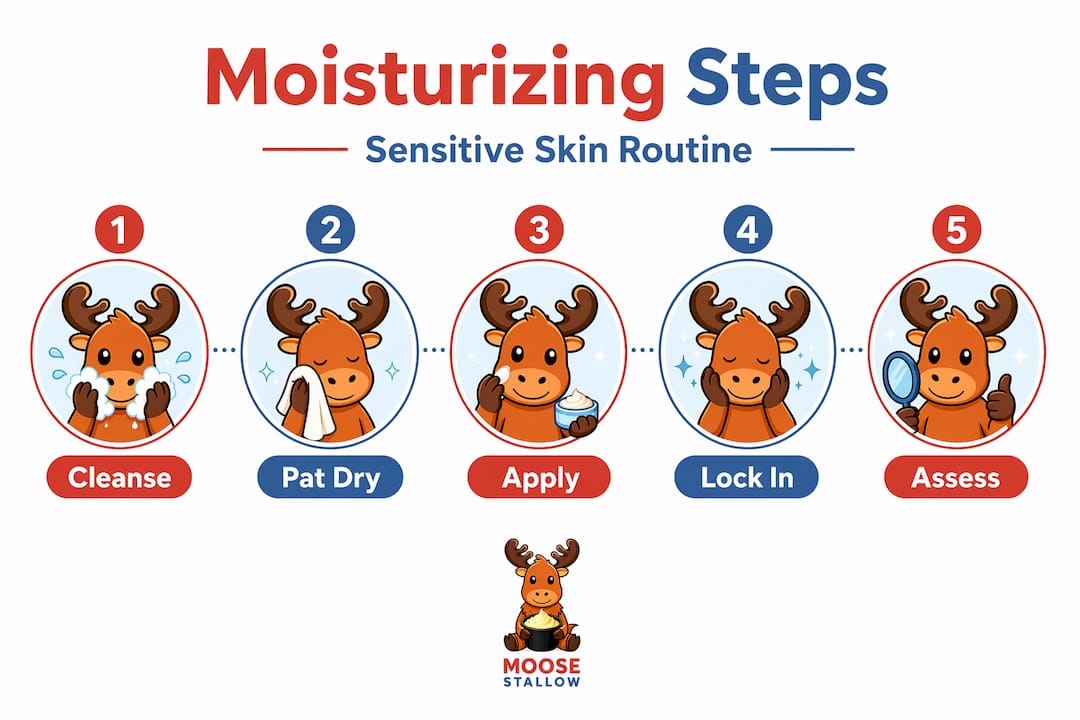
Cleanse with lukewarm water. Hot water strips oils and spikes skin reactivity. Use a gentle, fragrance-free cleanser. Do not scrub.
-
Pat skin almost dry. Leave it slightly damp. Not dripping, just a little moist to the touch.
-
Apply moisturizer within 3 minutes. Applying on damp skin drives better ingredient penetration and seals in moisture before it evaporates.
-
Press, do not rub. Pressing moisturizer into skin minimizes friction on sensitized nerve endings, reducing redness and stinging. Use your palms and fingertips to press gently.
-
Use a small amount first. A pea-sized amount for the face, a little more for the body. You can always add more.
-
Layer if skin still feels tight. Wait 2 to 3 minutes, then apply a second thin layer using the same pressing technique. This gradual method builds hydration without overwhelming reactive skin.
-
Morning routine: add sunscreen last. A simple three-step routine of gentle cleanser, barrier moisturizer, and sunscreen for morning use is enough. Avoid adding serums or actives until your barrier is stable.
-
Evening routine: skip sunscreen, focus on repair. Apply a slightly thicker moisturizer at night. Ingredients like beef suet tallow and beeswax are well suited here. Tallow’s skin-compatible fats support lipid barrier repair while you sleep.
Pro Tip: If you use a tallow-based moisturizer, the combination of beef suet tallow, beeswax, and tocopherols works as a gentle occlusive layer that seals without clogging. Apply it as your final step at night for the best barrier support.
Common mistakes that undercut your results
Even people with solid product choices make these errors regularly. Fixing them costs nothing but a little habit change.
- Waiting too long after cleansing. Once skin dries completely, you lose the damp-skin window. Moisture evaporates and you are just applying a product to a dry surface.
- Using too many products at once. Layering five or six different products overwhelms sensitive skin. Start with one good moisturizer and add only if needed.
- Rubbing product in hard. Friction aggravates sensitive skin every time. If your skin gets red after applying moisturizer, technique is often the first place to look.
- Taking long hot showers. Hot water removes your skin’s natural lipids faster than almost anything else. Keep showers short and the water warm, not hot.
- Ignoring dry air. Low humidity, especially in winter or in air-conditioned rooms, cancels out good moisturizing habits quickly.
- Ignoring signs of irritation. Stinging, burning, or increased redness after applying a moisturizer means something in that formula does not agree with your skin. Stop using it and simplify.
Barrier repair is a priority, not an afterthought. Chasing many active ingredients before your barrier is stable almost always backfires. Start simple, stay consistent, and let your skin recover before you add anything new.
How to know your routine is working
Most people expect overnight results. That is not how barrier repair works.
Within the first week, skin should feel less tight after cleansing. Redness should reduce gradually. By weeks two to four, regular moisturizing with minimal products supports steady recovery of the skin barrier. You will notice less reactivity to temperature changes and a more even tone.
If things are not improving after two weeks, reassess the product. Check the ingredient list for hidden fragrance, alcohols, or any ingredient you have reacted to before. A tailored skincare routine focused on barrier repair works better than switching products constantly.
If dryness, redness, or irritation persists beyond four weeks despite consistent effort, consult a dermatologist. Persistent symptoms can indicate an underlying condition like eczema or rosacea that needs direct attention.
My honest take on moisturizing sensitive skin
In my experience, the biggest mistake people make is thinking more products mean better results. I have seen it happen over and over. Someone’s skin is reactive, so they buy six new products trying to fix it, and things get worse. The skin never had a chance to settle.
What I have learned, both from making Moosestallow products and from working with customers who have sensitive skin, is that timing and technique matter more than most people realize. Applying moisturizer on damp skin, pressing it in gently, using one clean formula with honest ingredients. That combination outperforms any complicated routine I have ever seen.
I trust minimal ingredient routines for one reason. They let you actually know what is working and what is not. When you use ten products, you cannot tell. When you use one or two good ones, the skin tells you clearly.
Natural occlusives like beef suet tallow and beeswax are not trendy. They are just effective, and they have been for a long time. That is the kind of simplicity I think more people should go back to.
— Brian
Why Moosestallow’s Whipped Body Butter fits this routine
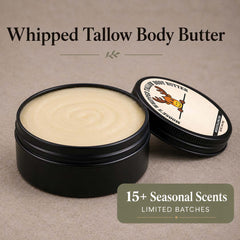
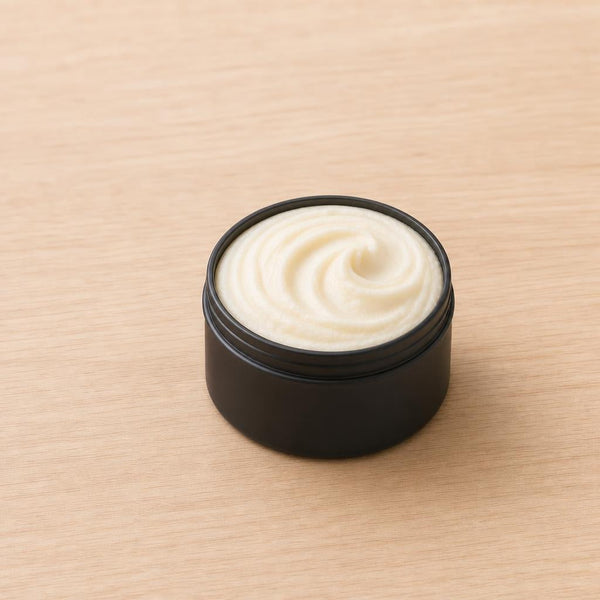
If you are ready to put this process into practice, Moosestallow’s Whipped Body Butter was made exactly for this kind of routine. It combines beef suet tallow, fractionated coconut oil, beeswax, and tocopherols. Every ingredient serves a purpose. No fillers, no fragrance, no harsh synthetics. The tallow supports your skin’s natural lipid barrier. The beeswax seals without suffocating. The fractionated coconut absorbs cleanly and stays stable. Apply it within that 3-minute window on damp skin, press it in gently, and let it work. It is the kind of moisturizer that makes a simple routine feel like enough, because it is.
FAQ
What is the best time to apply moisturizer for sensitive skin?
Apply moisturizer within 3 minutes of cleansing while skin is still slightly damp. This timing helps lock in moisture and drives better absorption into the skin barrier.
What ingredients should sensitive skin avoid in moisturizers?
Avoid fragrance, parfum, and alcohol denat. These are leading causes of contact dermatitis and irritation on sensitive skin. Also hold off on retinol and AHAs until your barrier is stable.
How do you apply moisturizer without irritating sensitive skin?
Press the moisturizer gently into skin using your palms and fingertips instead of rubbing. This reduces friction on sensitive nerve endings and lowers the chance of redness or stinging.
How long does it take for a moisturizing routine to improve sensitive skin?
Most people see less tightness and redness within one to two weeks of consistent use. Full barrier improvement typically takes three to four weeks with a simple, steady routine.
Is beef tallow a good moisturizer for sensitive skin?
Yes. Beef suet tallow contains skin-compatible fats that closely match the skin’s natural lipid profile, making it an effective and gentle option for barrier repair and hydration retention.
Recommended
- Types of natural moisturizers: best picks for sensitive skin – Moose’s Tallow
- Natural moisturizers for sensitive skin: What actually works – Moose’s Tallow
- Master Tallow Skincare Routine Workflow for Sensitive Skin – Moose’s Tallow
- How to Choose Tallow Moisturizer Naturally for Healthier Skin – Moose’s Tallow


0 comments