

Paw irritation in dogs is defined as inflammation, redness, or discomfort of the paw pads and surrounding skin caused by allergens, moisture, heat, chemicals, or repeated licking. The good news is that you can prevent most cases through consistent daily habits. Daily rinsing and thorough drying are the foundation of paw health prevention. Add natural soaks, regular trimming, and a breathable balm built on honest ingredients like beef suet tallow and beeswax, and your dog’s paws stay comfortable through every season.
What daily habits prevent paw irritation most effectively?
The single most effective daily habit is rinsing your dog’s paws with plain water after every outdoor trip. This removes allergens, dirt, road salt, and lawn chemicals before they have time to irritate the skin. Skipping this step lets contaminants sit against the pad and between the toes for hours.
Drying is just as critical as rinsing. Moisture trapped between the toes creates the warm, damp environment that yeast and bacteria need to grow. Use a clean towel and work carefully between each toe, not just across the top of the paw.
A daily inspection takes less than two minutes and catches problems early. Run your fingers along each pad and between the toes. Look for redness, swelling, cracking, or any discharge. Early detection of irritation prevents a minor issue from becoming a serious infection.
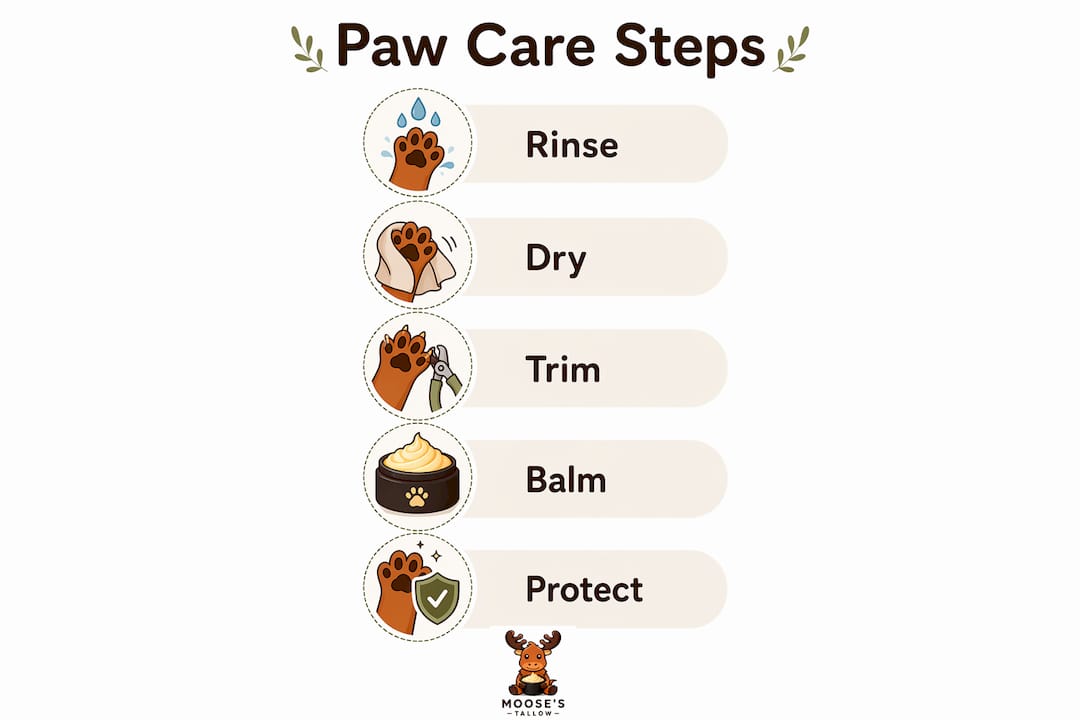
Here is a simple daily routine that covers all the bases:
- Rinse paws with plain, lukewarm water after every walk or outdoor session.
- Dry thoroughly between each toe with a soft towel or microfiber cloth.
- Inspect pads and toe webbing for redness, cuts, or swelling.
- Use a damp pet-safe wipe if a full rinse is not possible after short outings.
- Trim hair between toes every two to three weeks to reduce moisture trapping and debris buildup.
Pro Tip: Set a paw-check habit right after walks by keeping a small towel and a spray bottle of plain water near your door. Consistency is what makes this routine work.
Hair between the toes acts as a wick. It pulls in moisture and holds allergens against the skin. Regular trimming prevents the accumulation that leads to chronic irritation and bacterial overgrowth. Use blunt-tipped scissors or a small grooming clipper and work slowly to keep your dog calm.
How do natural soaks help soothe and prevent paw discomfort?
Natural foot soaks are one of the most effective paw care techniques for mild inflammation and surface contamination. A warm Epsom salt or colloidal oatmeal soak draws out irritants, calms inflamed tissue, and cleans areas a towel cannot reach. Soak duration of 5–10 minutes is the recommended window. Longer soaks soften the pads too much, which makes them more vulnerable to cracking and abrasion.
Use this step-by-step process for a safe, effective soak:
- Fill a shallow basin with warm (not hot) water. Test it with your wrist first.
- Add plain Epsom salt or colloidal oatmeal in the ratio recommended on the package.
- Place your dog’s paws in the basin and hold them gently for 5–10 minutes.
- Use treats or calm praise to keep your dog still and relaxed.
- Remove paws and dry completely, including between every toe.
- Apply a breathable balm immediately after drying to restore the skin barrier.
Diluted apple cider vinegar spray is another option some owners use for its mild antimicrobial properties. Apply it only to intact, unbroken skin. Never use it on cracked pads or open sores, as it will sting and slow recovery.
Avoid using human skin products on dog paws. Ingredients like tea tree oil and hydrogen peroxide are toxic or harmful to dogs and can delay healing rather than support it. Stick to products formulated specifically for dogs or simple, single-ingredient natural solutions.
Soaking frequency depends on your dog’s environment and skin sensitivity. Once or twice a week works well for most dogs during high-allergen seasons like spring and fall. After soaking, drying is non-negotiable. A damp paw after a soak is worse than a paw that was never soaked at all.
What role do protective balms and grooming play in paw care?
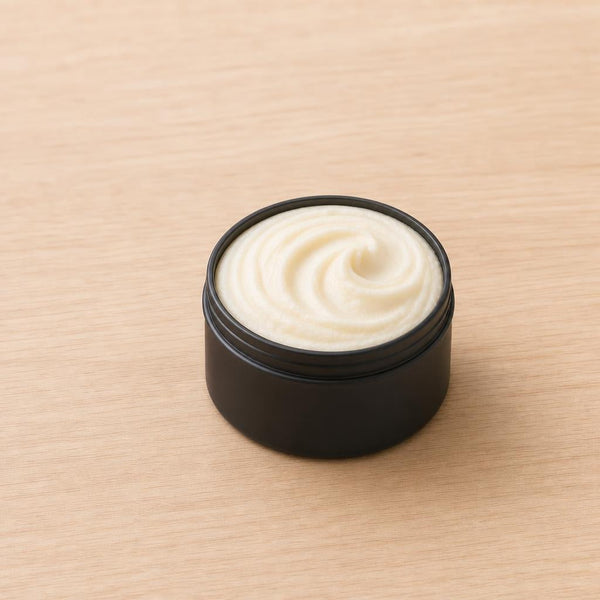
A good paw balm does two things. It protects the pad from environmental damage, and it supports the skin barrier so the pad can repair itself. Balms made with beeswax and beef suet tallow form a semi-permeable barrier that shields the pad without sealing out air completely. That breathability matters. An occlusive, airtight coating traps moisture and creates the same warm, damp environment you are trying to avoid.
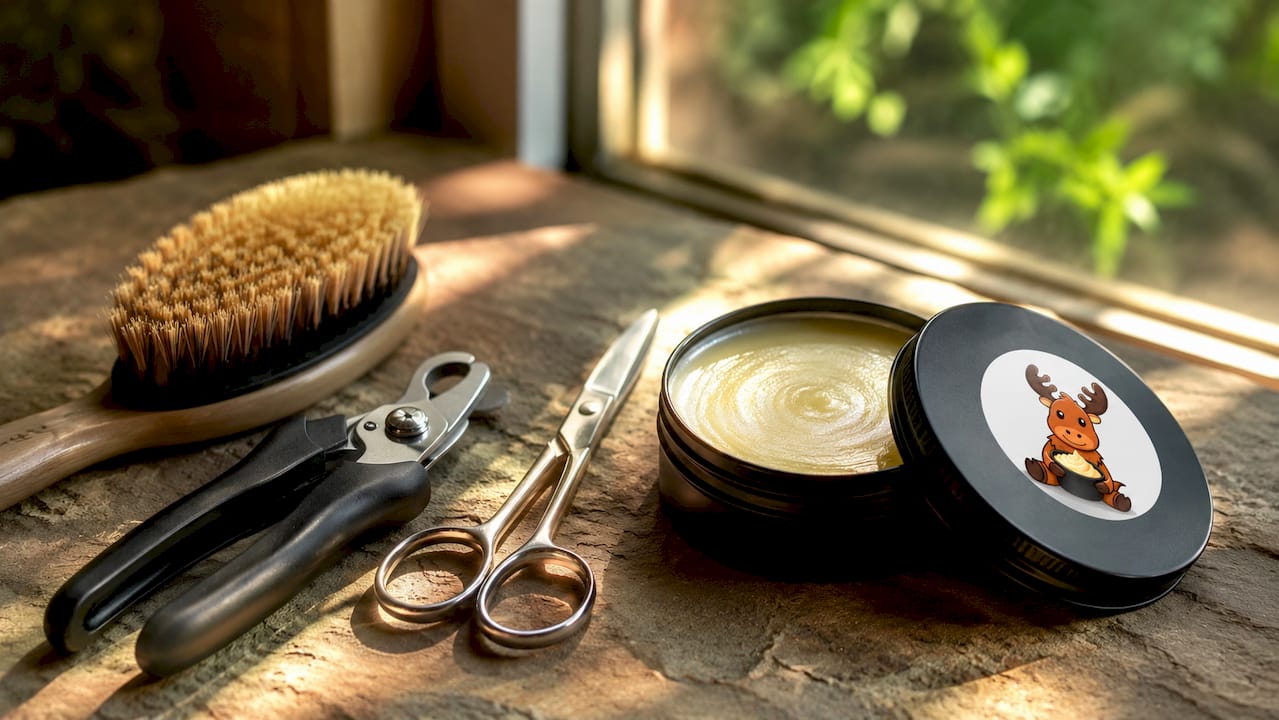
Beef suet tallow has a fatty-acid profile close to the skin’s own natural oils. It absorbs cleanly and supports the skin barrier without sitting on top as a greasy film. Fractionated coconut oil, used as a carrier, adds stability, resists oxidation, and extends shelf life without the heaviness of other vegetable oils. Vitamin E (tocopherols) rounds out the formula as an antioxidant that supports skin integrity.
Here is what to look for in a paw balm and how to apply it correctly:
- Choose a balm with a short, transparent ingredient list. Every ingredient should have a clear purpose.
- Look for beeswax as a structural component. It provides a flexible, breathable barrier layer.
- Apply a thin layer to clean, dry pads and between the toes.
- Massage gently so the balm absorbs rather than sitting on the surface.
- Apply before walks for environmental protection, and after walks to restore moisture lost to heat or friction.
Pro Tip: Apply balm right before your dog’s mealtime or a long-lasting chew. The distraction keeps them from licking it off before it absorbs. This is one of the most practical paw balm application tips you will find.
Veterinarians note that protective balms should be lightweight and non-toxic, since dogs will inevitably lick their paws. A formula built on beef suet tallow, beeswax, and fractionated coconut oil meets that standard. It is safe if ingested in small amounts and free of synthetic fragrances, dyes, or fillers.
How do you protect paws from heat and environmental hazards?
Pavement temperature is one of the most underestimated risks to paw health. When ambient temperature reaches 85°F, pavement can burn paw pads within minutes. The simple hand test works well: press your palm flat on the pavement for seven seconds. If it is too hot for your hand, it is too hot for your dog’s paws.
Environmental hazards go beyond heat. Road salt in winter, lawn fertilizers, herbicides, and pollen all accumulate on paw surfaces and cause irritation with repeated exposure. The rinse-after-every-walk habit addresses most of these risks directly.
Practical steps to reduce environmental paw damage:
- Walk dogs in the early morning or evening during summer to avoid peak pavement heat.
- Apply a wax-based balm before walks on rough, hot, or chemically treated surfaces.
- Use dog booties for extended walks on hot pavement, gravel, or salted winter roads.
- Rinse paws immediately after contact with lawn chemicals, fertilizers, or road salt.
- Avoid grassy areas recently treated with pesticides or herbicides for at least 24 hours after application.
Road salt deserves special attention in winter. It is one of the most common causes of seasonal paw irritation. Salt crystals lodge between the toes and cause chemical burns with prolonged contact. A quick rinse and dry after every winter walk removes the risk before it becomes a problem.
How do you manage licking to stop the itch-lick-infection cycle?
Excessive licking is not just a symptom of paw irritation. It actively makes the problem worse. The itch-lick-infection cycle works like this: the dog licks because the paw itches, licking breaks the skin barrier and traps moisture, and that moisture fosters yeast and bacterial overgrowth, which causes more itching. The cycle is self-reinforcing and will not resolve on its own without active intervention.
Breaking the cycle requires physically preventing licking. An Elizabethan collar (E-collar) is the most reliable tool. Using one for 3–5 days gives irritated skin time to begin recovering without constant reinjury. Soft fabric alternatives work for some dogs, though they are less effective for determined lickers.
Pro Tip: Time your balm applications strategically. Apply balm just before mealtime or a long-lasting chew. Your dog stays distracted long enough for the balm to absorb, and you avoid the frustration of watching them lick it off immediately.
Early intervention is the key to preventing chronic paw issues. A dog that licks occasionally after a walk is different from one that licks persistently for hours. Persistent licking signals that something needs attention, whether that is an allergen, a foreign object, or the beginning of an infection. Catch it early, break the lick cycle, and the paw heals faster.
Key Takeaways
Preventing paw irritation requires daily rinsing, thorough drying, regular trimming, breathable balm application, and active management of the lick cycle before it becomes chronic.
| Point | Details |
|---|---|
| Rinse and dry daily | Rinse paws with plain water after every walk and dry completely between each toe. |
| Use natural soaks carefully | Soak for 5–10 minutes in Epsom salt or colloidal oatmeal, then dry thoroughly before applying balm. |
| Choose breathable balms | Look for beeswax and beef suet tallow formulas that protect without sealing out air or over-softening pads. |
| Respect heat thresholds | Avoid pavement above 85°F and use the seven-second hand test before every summer walk. |
| Break the lick cycle early | Use an E-collar and strategic balm timing to interrupt the itch-lick-infection cycle before it becomes chronic. |
What I have learned from years of watching paw care go wrong
I started Moose’s Tallow because I read a lotion label and did not recognize half the ingredients. That same problem shows up in pet care products all the time. Owners reach for whatever is on the shelf, and the label is full of fillers, synthetic fragrances, and ingredients that have no business going near a dog’s mouth.
Here is what I have seen work consistently: simple routines done every day beat complicated treatments done occasionally. The owners whose dogs have the healthiest paws are not using the most expensive products. They are rinsing, drying, and checking paws after every single walk. That habit alone prevents most of the problems I hear about.
The ingredient conversation matters just as much for pets as it does for people. Beef suet tallow absorbs cleanly because its fatty-acid profile is close to the skin’s own oils. Beeswax provides a flexible, breathable barrier. Fractionated coconut oil carries the formula without going rancid on the shelf. These are not exotic ingredients. They are honest ones, and they work.
One thing most articles skip: the paw inspection is also a bonding moment. Dogs that get their paws handled regularly are calmer at the vet and easier to groom. Start when they are puppies if you can, but older dogs adapt too with patience and treats. Make it a calm, positive ritual and your dog will stop fighting it.
— Brian Smith
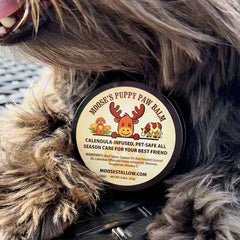
Moose’s Tallow Puppy Paw Nourishing Balm for healthy, protected paws
If you want a balm that matches everything covered in this guide, Moose’s Tallow built one from the ground up. The Puppy Paw Nourishing Balm is formulated with properly rendered beef suet tallow, beeswax, fractionated coconut oil, and vitamin E. Every ingredient is chosen on purpose. There are no fillers, no synthetic fragrances, and no ingredients you cannot pronounce. The formula is breathable, stable, and safe if your dog licks their paws after application. For more on how natural ingredients support paw skin barrier health, the Moose’s Tallow blog covers the full picture. Small-batch, handmade in Lebanon, PA, and backed by a 60-day guarantee.
FAQ
What is the most effective way to prevent paw irritation daily?
Rinsing paws with plain water after every outdoor trip and drying thoroughly between the toes is the most effective daily habit. This removes allergens, chemicals, and debris before they cause irritation.
How long should a paw soak last?
A warm Epsom salt or colloidal oatmeal soak should last 5–10 minutes. Soaking longer softens the pads too much and increases vulnerability to cracking.
Can I use human lotion or skin products on my dog’s paws?
No. Human products, including those containing tea tree oil or hydrogen peroxide, can be toxic to dogs or slow healing. Use only products formulated specifically for dogs or simple, single-ingredient natural solutions.
How do I stop my dog from licking off paw balm?
Apply balm right before mealtime or a long-lasting chew to distract your dog while the product absorbs. For persistent lickers, an E-collar for a few days gives the skin time to recover.
When is pavement too hot for my dog’s paws?
Pavement is unsafe when ambient temperature reaches 85°F or higher. Press your palm flat on the surface for seven seconds. If it is uncomfortable for your hand, it will burn your dog’s paws.


0 comments