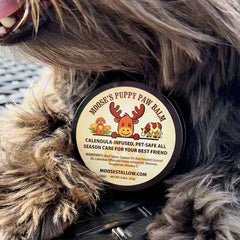
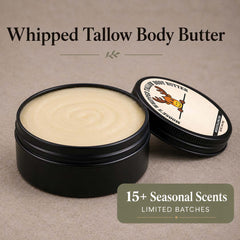


You’ve probably heard that moisturizers are unnecessary for pets, or worse, that they could harm your furry friend’s paws. This misconception leaves countless pets suffering from cracked, painful paw pads that could easily be prevented. The truth is that moisturizing plays a critical role in maintaining your pet’s skin health, especially on their paws where environmental exposure causes the most damage. Natural moisturizers like coconut oil and shea butter offer safe, effective solutions that prevent dryness, reduce infection risk, and keep your pet comfortable year-round. This guide walks you through everything you need to know about choosing and applying the right moisturizers for your pet’s specific needs.
Table of Contents
- Why Moisturizers Matter For Pets’ Paws And Dry Skin
- Natural Moisturizers: Safe And Effective Ingredients For Pet Skin Care
- Best Practices For Applying Moisturizers To Your Pet’s Paws And Skin
- Comparing Commercial And Homemade Moisturizers: What Pet Owners Should Know
- Find Natural Moisturizers Tailored For Your Pet
Key takeaways
| Point | Details |
|---|---|
| Prevention is essential | Regular moisturizing reduces paw pad cracking by up to 70% and prevents painful infections |
| Natural ingredients work best | Coconut oil, shea butter, and olive oil provide safe, chemical-free hydration for sensitive pet skin |
| Application technique matters | Apply gently to paw pads only, avoiding between toes to prevent debris buildup and over-moisturizing |
| Commercial vs homemade options | Both have merits, but ingredient control and safety should guide your choice for your pet’s unique needs |
Why moisturizers matter for pets’ paws and dry skin
Your pet’s paw pads endure constant stress from hot pavement, cold snow, rough terrain, and indoor heating that strips away natural moisture. Unlike human skin, paw pads lack sebaceous glands in most areas, making them particularly vulnerable to environmental damage. When pads dry out, they develop painful fissures that compromise your pet’s mobility and comfort.
The consequences of neglecting paw moisture go beyond discomfort. Cracked paw pads create entry points for bacteria and fungi, leading to infections that require veterinary intervention. Moisturizing dog paws helps prevent dryness, cracking, and potential infections by maintaining the skin barrier that protects against harmful pathogens. Studies show that consistent moisturizing reduces paw fissures by up to 70%, dramatically improving quality of life for active pets.
Think about how your own hands feel after washing dishes without gloves. That tight, uncomfortable sensation mirrors what your pet experiences with dry paw pads, except they can’t tell you about it. The discomfort affects their gait, willingness to walk on certain surfaces, and overall activity level.
Key benefits of regular paw moisturizing include:
- Prevents painful cracking and splitting of paw pads
- Reduces risk of bacterial and fungal infections
- Maintains natural elasticity and cushioning
- Protects against extreme temperatures and rough surfaces
- Supports healthy cell turnover and skin regeneration
Veterinary dermatologists consistently emphasize that maintaining proper hydration in paw pads is not cosmetic care but essential preventive medicine that saves pets from unnecessary pain and owners from costly treatments.
Beyond paws, many pets develop dry patches on elbows, noses, and other areas with less fur coverage. These zones face similar vulnerability to environmental stressors and benefit equally from targeted moisturizing. The key is understanding which products work safely and how to apply them effectively without creating new problems.
Natural moisturizers: safe and effective ingredients for pet skin care
Choosing the right moisturizer for your pet requires understanding which natural ingredients deliver hydration without toxic risks. Unlike humans, pets lick their paws regularly, making ingredient safety absolutely critical. Natural moisturizers like coconut oil, olive oil, and shea butter are effective for dog paw care because they’re non-toxic if ingested and provide deep, lasting hydration.
Coconut oil stands out for its antimicrobial properties alongside moisturizing benefits. The lauric acid in coconut oil fights bacteria and fungi while medium-chain fatty acids penetrate deeply to restore suppleness. It solidifies at room temperature, making application easy and mess-free. However, it can feel greasy initially and may not suit all climates.
Shea butter offers rich emollients that create a protective barrier without the greasy feel of some oils. Its high concentration of vitamins A and E supports skin healing and cell regeneration. Shea butter works exceptionally well for severely cracked pads that need intensive repair. The texture absorbs more slowly than oils, providing longer-lasting protection.
Olive oil brings powerful antioxidants and anti-inflammatory compounds that soothe irritated skin while moisturizing. It’s readily available in most homes and generally well-tolerated by pets. The thinner consistency makes it ideal for mild dryness but less effective for severe cracking. Some pet owners find it too messy for regular use.
| Ingredient | Primary Benefits | Best For | Absorption Rate |
|---|---|---|---|
| Coconut Oil | Antimicrobial, deep hydration | Preventing infections, general dryness | Moderate |
| Shea Butter | Intensive repair, protective barrier | Severely cracked pads, winter protection | Slow |
| Olive Oil | Anti-inflammatory, antioxidant-rich | Mild dryness, sensitive skin | Fast |
| Beeswax | Seals moisture, creates barrier | Extreme weather protection | Very slow |
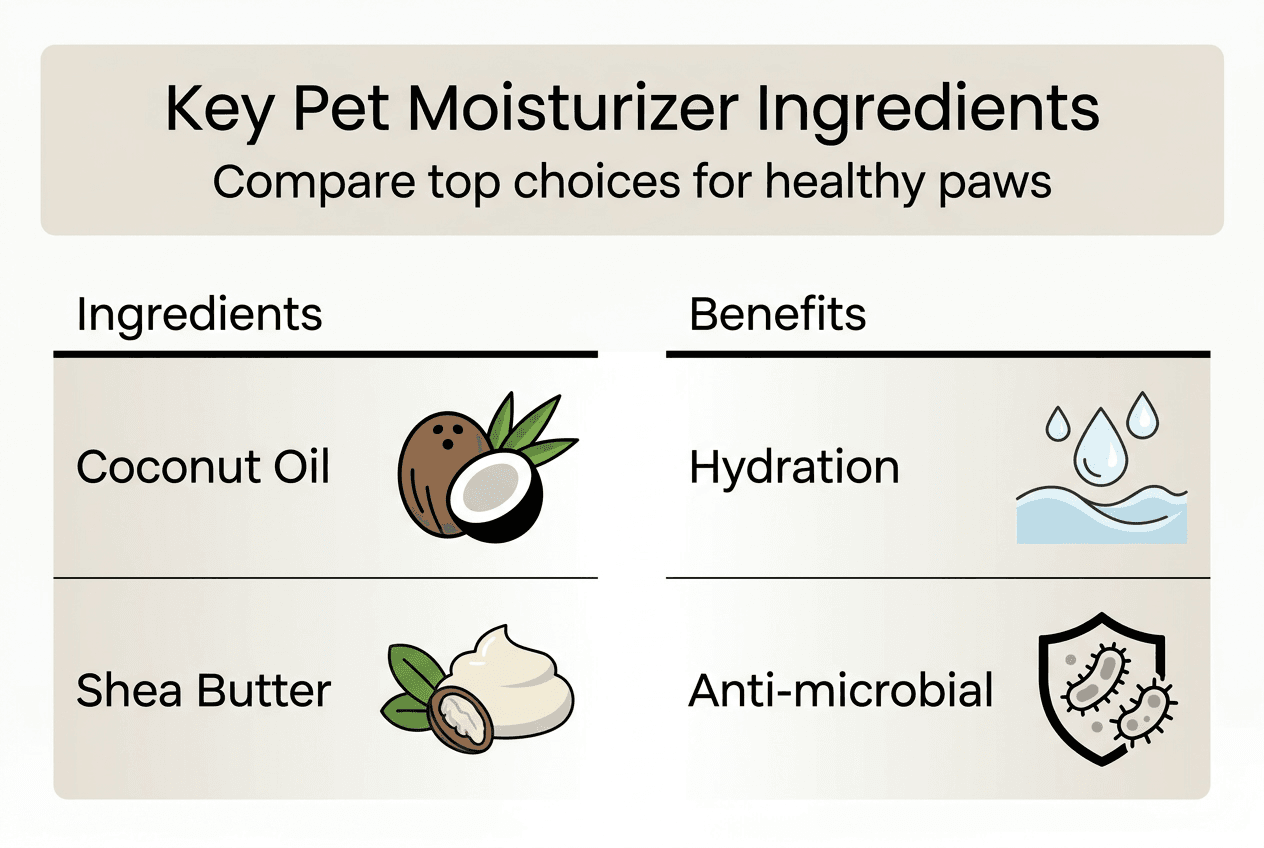
For pet owners interested in handcrafted pet balms natural skin care, understanding ingredient synergy matters. Combining oils with waxes creates balms that deliver both immediate hydration and long-term protection. The ratio determines texture and performance.
Pro Tip: Test any new moisturizer on a small area first. Apply a dab to one paw pad and observe for 24 hours. If your pet shows no signs of irritation, licking obsessively, or redness, the product is likely safe for broader use.
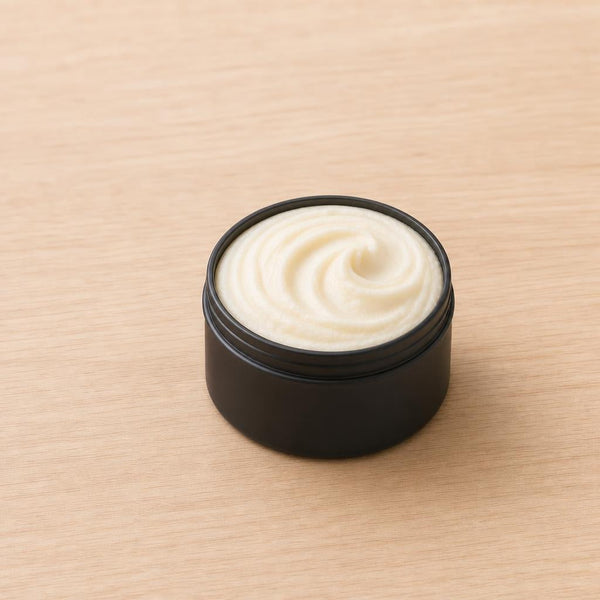
When choosing tallow moisturizer naturally, consider that tallow’s fatty acid profile closely mimics your pet’s natural skin oils. This biocompatibility means faster absorption and less residue. Tallow-based balms often outperform plant oils alone for severe dryness because they deliver both moisture and structural support to damaged skin.
Key factors in selecting natural moisturizers:
- Non-toxic if licked or ingested
- Free from artificial fragrances and dyes
- Appropriate texture for your pet’s activity level
- Climate-suitable formulation
- Simple ingredient list you can pronounce
Best practices for applying moisturizers to your pet’s paws and skin
Even the best moisturizer fails if applied incorrectly. Proper technique maximizes benefits while avoiding common pitfalls that frustrate pet owners. Start by cleaning your pet’s paws with warm water and a gentle cloth to remove dirt, salt, and debris. Applying moisturizer over grime traps contaminants against the skin, potentially causing irritation.
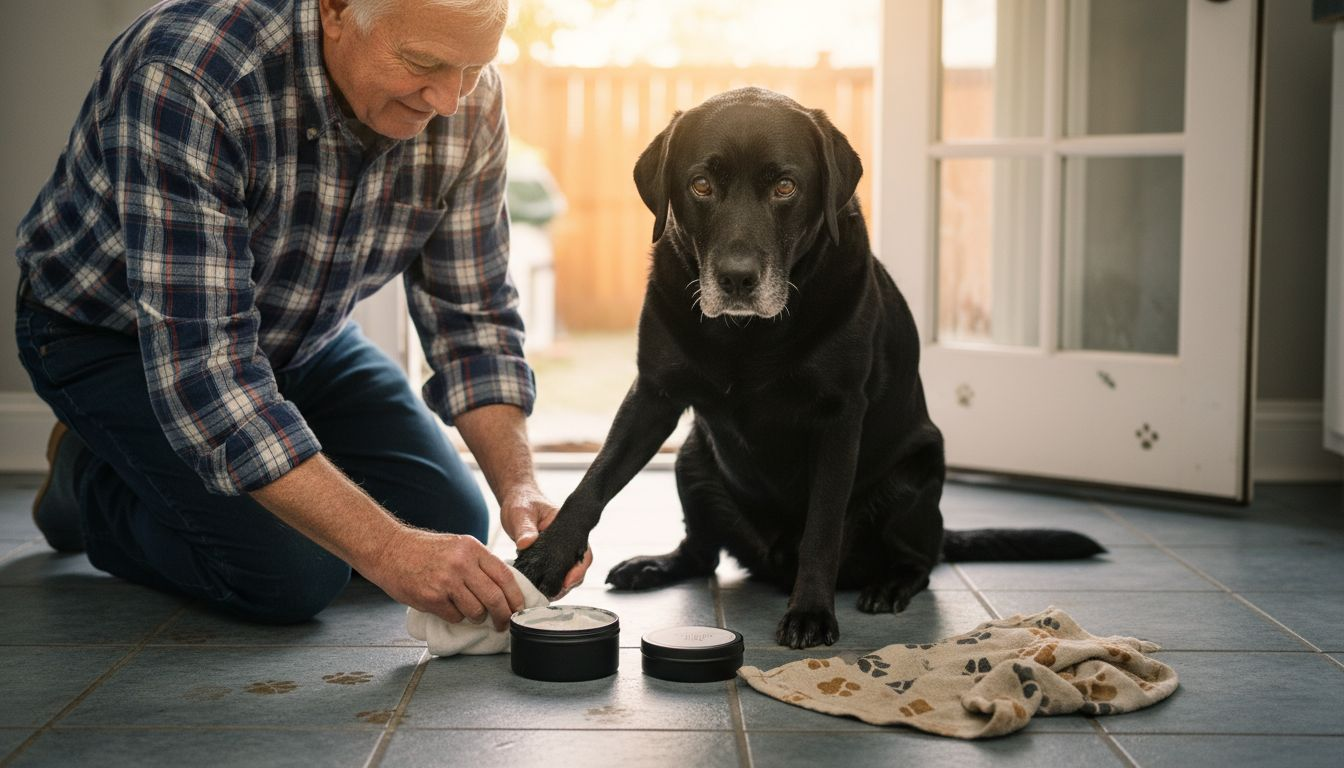
Timing matters significantly. Apply moisturizer when your pet is calm and tired, ideally after a walk or play session. This reduces the likelihood they’ll immediately lick it off or walk on carpets. Evening applications work well because overnight absorption time allows ingredients to penetrate deeply before morning activity.
Over-moisturizing can lead to issues; avoid applying moisturizer between toes to prevent dirt and debris accumulation that creates bacterial breeding grounds. Focus exclusively on the paw pads themselves, the thick, tough skin that makes direct ground contact. The softer skin between toes has different needs and stays naturally moist from reduced exposure.
Step-by-step application process:
- Clean paws thoroughly and dry completely
- Warm a small amount of moisturizer between your fingers
- Gently massage into each paw pad using circular motions
- Apply light pressure to help product absorb
- Distract your pet for 5-10 minutes to prevent immediate licking
- Allow 15-20 minutes before letting them walk on carpets or furniture
Quantity control prevents waste and reduces mess. A pea-sized amount covers one large dog paw pad adequately. More product doesn’t mean better results. Excess moisturizer sits on the surface, attracting dirt and creating slip hazards on hard floors. If you can see a thick layer after application, you’ve used too much.
Pro Tip: Keep a dedicated towel near your entry door. Wipe paws when your pet comes inside, then apply moisturizer. This routine prevents environmental damage while establishing a consistent care schedule your pet learns to expect.
Frequency depends on environmental factors and individual needs. Dogs in harsh climates benefit from daily application during extreme seasons. Pets in moderate climates typically need moisturizing 2-3 times weekly. Watch for signs of dryness like rough texture, visible cracks, or your pet favoring certain paws. These indicators suggest increasing application frequency.
For pet owners concerned about ingredients to avoid in skincare naturally, remember that simplicity wins. Products with lengthy ingredient lists increase the risk of adverse reactions. Stick to formulations with 3-5 recognizable components.
Integrating moisturizing into your broader tallow skincare routine workflow creates consistency that benefits both you and your pet. Many pet owners apply their own hand moisturizer and their pet’s paw balm simultaneously, making the routine feel natural rather than burdensome.
Common application mistakes to avoid:
- Applying to wet or damp paws
- Using too much product
- Moisturizing between toes
- Skipping the massage step
- Applying immediately before outdoor activity
- Forgetting to distract your pet post-application
Comparing commercial and homemade moisturizers: what pet owners should know
The choice between commercial pet moisturizers and homemade natural options involves weighing convenience against control. Commercial products offer formulation expertise and consistent quality but often include preservatives, stabilizers, and synthetic fragrances that some pets react to. Homemade options give you complete ingredient transparency but require knowledge and proper storage.
Commercial pet moisturizers undergo testing for safety and efficacy, providing reassurance for cautious pet owners. Reputable brands invest in veterinary dermatologist consultations and clinical trials. However, marketing often obscures actual ingredient quality. Terms like “natural” and “organic” lack regulatory definition in pet products, allowing companies to use them loosely.
Homemade moisturizers let you select every ingredient based on your pet’s specific sensitivities and needs. You control freshness, potency, and texture. The downside is shorter shelf life without preservatives and potential formulation errors if ratios are incorrect. Homemade balms typically last 3-6 months when stored properly, compared to 1-2 years for commercial products.
| Factor | Commercial Products | Homemade Options |
|---|---|---|
| Ingredient Control | Limited, must trust manufacturer | Complete, you choose everything |
| Shelf Life | 1-2 years with preservatives | 3-6 months without preservatives |
| Cost | Higher per ounce | Lower with bulk ingredients |
| Convenience | Ready to use immediately | Requires preparation time |
| Quality Consistency | Standardized batches | Varies by preparation |
| Customization | Fixed formulations | Fully adjustable to pet needs |
Cost analysis reveals interesting patterns. Premium commercial pet balms cost $15-30 per ounce. Making your own with quality ingredients typically costs $3-7 per ounce, even using organic components. The time investment for homemade preparation averages 30-45 minutes per batch, which lasts most pet owners 2-3 months.
Understanding tallow vs plant oils hydration helps you evaluate commercial claims. Many brands tout exotic plant oils as superior, but research shows tallow’s fatty acid profile matches mammalian skin biology more closely. This compatibility often translates to better absorption and longer-lasting results.
The debate between tallow vs plant based creams hydration benefits extends to pet care. Plant-based formulations work well for mild dryness but may lack the structural lipids needed for severe damage repair. Tallow-based products excel at rebuilding compromised skin barriers because they provide the full spectrum of fatty acids skin needs for repair.
Key considerations when choosing:
- Your comfort level with DIY preparation
- Storage capabilities for homemade products
- Your pet’s specific sensitivities
- Budget for ongoing care
- Desired shelf life and convenience
- Ingredient quality priorities
Neither option is inherently superior. The best choice depends on your circumstances, values, and pet’s needs. Some owners use commercial products for convenience during busy periods and homemade balms when they have time for preparation. Others commit fully to one approach based on philosophy or results.
Regardless of your choice, prioritize ingredient quality over marketing claims. Read labels carefully, research unfamiliar components, and trust your observations of your pet’s response. Healthy paw pads should feel supple, not rough or flaky, and your pet should walk comfortably on all surfaces without favoring any paws.
Find natural moisturizers tailored for your pet
After learning about moisturizer benefits, natural ingredients, and proper application techniques, you might feel ready to upgrade your pet’s skincare routine with products designed specifically for their needs. Specialized natural moisturizers simplify the process by combining proven ingredients in optimal ratios, eliminating guesswork while ensuring safety.
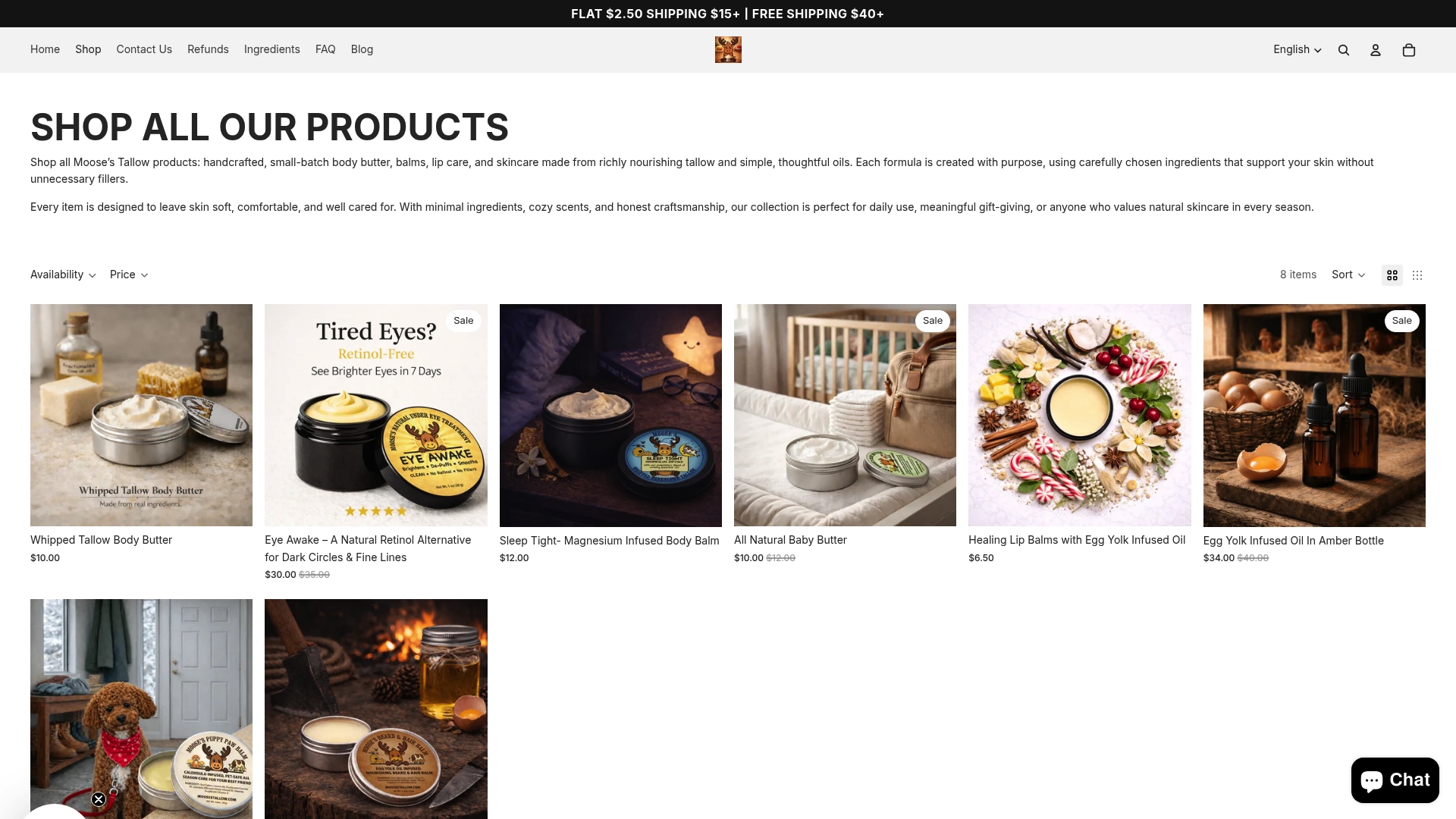
Products crafted with thoughtfully selected natural ingredients offer the convenience of commercial formulations with the purity of homemade care. Look for options that use simple, recognizable components without unnecessary additives. The right moisturizer should absorb cleanly, provide lasting protection, and suit your pet’s activity level and environment. Explore the natural pet moisturizers collection to find balms and treatments that protect and nourish your pet’s paws with the same care you’d want for your own skin.
What is the role of moisturizer in pet care?
How do moisturizers protect my pet’s paw pads?
Moisturizers maintain the skin barrier that prevents moisture loss and blocks harmful bacteria from entering through cracks. They keep paw pads supple and elastic, allowing them to flex naturally during movement without splitting. Regular application reduces environmental damage from hot pavement, cold surfaces, and rough terrain.
Are natural ingredients like coconut oil safe if my pet licks their paws?
Yes, natural ingredients like coconut oil, shea butter, and olive oil are non-toxic if ingested in the small amounts pets typically lick from their paws. These ingredients actually offer digestive benefits in small quantities. However, excessive licking may indicate irritation, so monitor your pet’s behavior after application.
How often should I apply moisturizer to my pet’s paws?
Application frequency depends on climate and individual needs. Pets in harsh weather conditions benefit from daily moisturizing during extreme seasons. Those in moderate climates typically need treatment 2-3 times weekly. Increase frequency if you notice rough texture, visible cracks, or limping that suggests discomfort.
What signs indicate my pet needs paw moisturizing?
Watch for rough, dry texture when you touch the paw pads, visible cracks or fissures, excessive licking or chewing of paws, limping or favoring certain legs, and reluctance to walk on particular surfaces. These symptoms suggest the protective moisture barrier has broken down and needs restoration.
Can I use the same moisturizer on my pet’s nose and paws?
Yes, most natural moisturizers safe for paw pads work equally well on dry noses. The skin structure is similar, though noses may need smaller amounts due to increased sensitivity. Learn about natural healing benefits of tallow for pets to understand how versatile formulations address multiple dry skin areas effectively.
Should I moisturize my pet’s paws before or after walks?
Apply moisturizer after walks, not before. Pre-walk application creates a slippery surface that reduces traction and attracts dirt. Post-walk application allows the product to absorb during rest periods when your pet is less active. Clean paws thoroughly before moisturizing to remove environmental contaminants that could cause irritation.


0 comments