

TL;DR:
- Non toxic skincare avoids harmful synthetic chemicals and uses natural, certified ingredients that support the skin’s barrier.
- A simple routine of three to five products applied in order and given time yields better results than complex regimens.
Non toxic skincare is defined as a practice that excludes harmful synthetic chemicals, including parabens, sulfates, and synthetic fragrances, in favor of safe, natural ingredients that support your skin’s barrier. The industry term for this approach is “clean beauty,” though non toxic skincare goes further by prioritizing ingredient transparency and certified organic standards. Minimal routines with 3–5 products often outperform complex ones, and visible results take 4–8 weeks. That timeline matters because it sets realistic expectations and keeps you from abandoning a routine that is actually working.
What key ingredients define non toxic skincare products?
The best natural skincare products share one quality: every ingredient earns its place. There are no fillers, no synthetic stabilizers, and no mystery fragrance blends. Beef suet tallow and fractionated coconut oil offer stable, effective moisturizing without the fillers found in many conventional skincare oils. Tallow is particularly valuable because its fatty acid profile closely mirrors human skin lipids, which means it absorbs well and supports the skin barrier without sitting on top of the skin.

Fractionated coconut oil stands out as the preferred carrier oil for clean formulas. It resists oxidation, absorbs quickly, and has a long shelf life compared to many other plant oils. That stability matters because oxidized oils can irritate skin rather than nourish it.
Here are the core ingredients that belong in a clean, effective formula:
- Beef suet tallow: Deeply moisturizing, biologically compatible with skin, and free from synthetic additives
- Fractionated coconut oil: Stable, fast absorbing, and resistant to oxidation for a longer shelf life
- Beeswax: Creates a protective barrier that locks in moisture without clogging pores
- Tocopherols (Vitamin E): Antioxidant protection that supports skin repair and stability in the formula
- Jojoba: Mimics the skin’s natural sebum and balances moisture levels
- Castor oil: Thickens formulas naturally and supports skin hydration
- Egg yolk infused oil: Rich in nutrients that nourish and condition the skin
Ingredients to avoid include synthetic fragrances, parabens, and harsh sulfates. These are the most common toxic ingredients to avoid because they disrupt the skin barrier and trigger allergic reactions in sensitive skin.
How do you build a simple non toxic skincare routine?
A clean skincare routine works best when it is simple and consistent. Three to five well chosen products beat a ten step shelf of actives every time. The goal is to cleanse, moisturize, and protect without overwhelming your skin.
Follow this order for a daily routine:
- Cleanse: Use a gentle, fragrance free cleanser morning and evening. Double cleanse at night if you wear SPF or makeup.
- Tone or mist (optional): Apply any water based products first. They are the thinnest layer and need direct contact with skin.
- Moisturize: Apply your balm or oil based moisturizer next. Applying occlusive balm before water based products blocks absorption, so always layer thin to thick.
- Sun protection (morning only): SPF goes on last in the morning, after all other products have absorbed.
- Balm or repair treatment (evening): At night, finish with a nourishing balm to support overnight skin repair.
Pro Tip: Patch test every new product on your inner arm for 24 hours before applying it to your face. This one step saves you from a week of unnecessary irritation.
The thinnest to thickest application rule is not optional. It determines whether your active botanical ingredients actually penetrate the skin or just sit on the surface. A water based serum applied after a thick balm will not absorb. Sequence is everything.
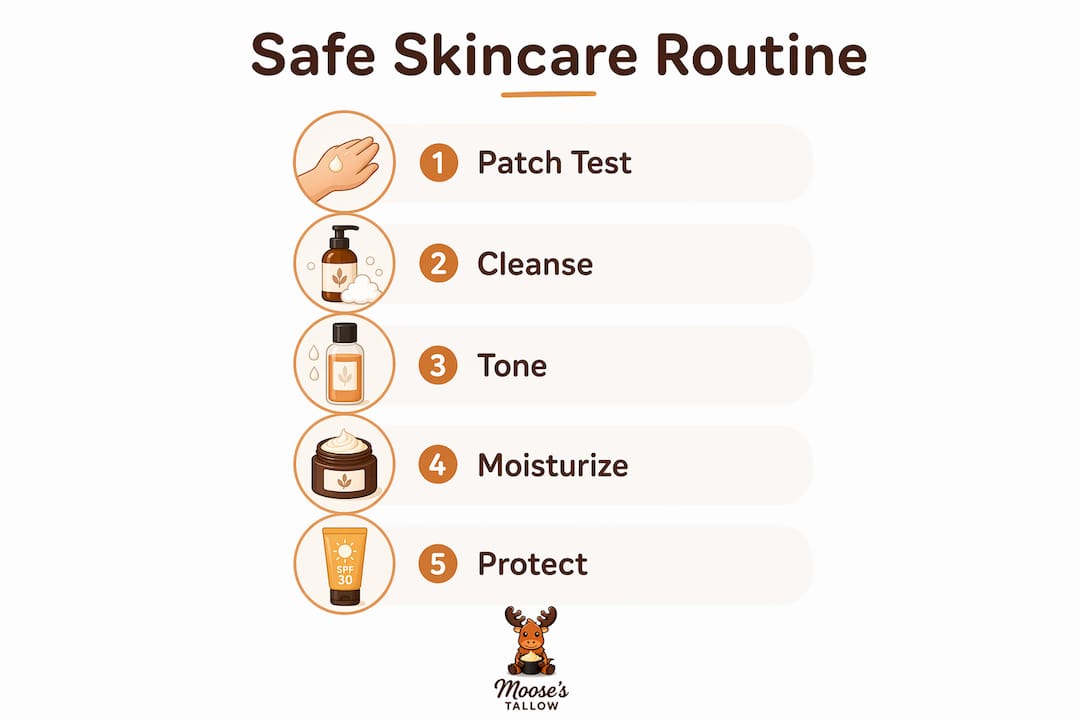
Avoid the “more is more” mindset. Starting slowly with a foundational routine is more reliable for skin health than layering multiple new products at once. Give your skin time to respond before adding anything new.
What certifications actually verify clean beauty products?
Certifications cut through marketing noise. The words “natural” and “organic” on a front label carry no legal weight in the United States unless they are backed by a third party standard. USDA Organic and NATRUE certifications are more reliable than unregulated marketing terms. They require verified ingredient sourcing and production standards.
Here is how to read labels with confidence:
- USDA Organic: Requires at least 95% certified organic ingredients. The most recognized standard in the US.
- NATRUE: A European standard that prohibits synthetic fragrances, parabens, and petrochemicals entirely.
- EU Organic: Similar rigor to USDA but applies to European formulations.
- “Made with organic ingredients”: Requires only 70% organic content. Less strict than full USDA Organic.
- “Natural” or “clean” with no certification: Unregulated. These terms mean nothing without third party verification.
Pro Tip: Flip the bottle and read the INCI ingredient list. Ingredients appear in descending order by concentration. If a synthetic fragrance or paraben appears in the first five ingredients, put it back.
Choosing natural skincare based on certified standards rather than front label claims is the single most reliable way to avoid greenwashing. Fragrance is the most common hidden irritant in products that market themselves as clean.
How do you adapt safe skincare for sensitive or reactive skin?
Sensitive skin needs fewer ingredients, not more. The goal is to reduce variables so you can identify what your skin actually responds to. Not all organic or natural products are hypoallergenic, and essential oils are a common culprit even in clean formulas.
Use this checklist when building a routine for sensitive or reactive skin:
- Choose fragrance free formulas. Even natural essential oils can trigger reactions in sensitive skin.
- Select textures that match your skin type. Dry skin benefits from balms and oils. Oily or combination skin does better with lighter, gel based formulas.
- Avoid over exfoliation. Acids and physical scrubs weaken the barrier when used too often.
- Introduce one new product every 7–14 days. This makes it easy to identify what caused a reaction.
- Watch for a purging phase. Switching to non toxic products sometimes triggers temporary breakouts as skin adjusts. This is normal and usually resolves within two to four weeks.
Your sensitive skin care checklist should prioritize barrier support above all else. Beef suet tallow is particularly well suited here because it nourishes without synthetic additives that commonly irritate reactive skin.
Key Takeaways
Non toxic skincare works best when it is built on a short list of clean, certified ingredients applied in the correct order and given consistent time to perform.
| Point | Details |
|---|---|
| Minimal routines outperform complex ones | Use 3–5 products and allow 4–8 weeks before judging results. |
| Layer thin to thick | Apply water based products before balms to ensure active ingredients absorb properly. |
| Certifications over claims | Trust USDA Organic or NATRUE over unregulated terms like “natural” or “clean.” |
| Introduce products slowly | Add one new product every 7–14 days to identify irritants without confusion. |
| Ingredient quality matters most | Beef suet tallow and fractionated coconut oil offer stable, effective nourishment without fillers. |
Why simplicity is the hardest part of clean skincare
I have watched people spend real money on clean beauty products and still end up with irritated, confused skin. The problem is almost never the ingredients. It is the volume. We have been conditioned to believe that more steps equal better results. That belief is the biggest obstacle to actually healthy skin.
When I started paying attention to what goes into a formula, I stopped looking at the front label entirely. The ingredient list tells you everything. If a product has 30 ingredients, most of them are doing nothing for your skin. They are there for texture, shelf stability, or marketing. A formula built around beef suet tallow, fractionated coconut oil, and beeswax does not need 30 ingredients. It needs the right ones.
The purging phase trips people up more than anything else. Skin that has been relying on synthetic occlusive agents for years will behave differently when you switch to a clean formula. That adjustment is not failure. It is your skin recalibrating. Give it time. Nurturing skincare rituals built on patience and consistency produce better long term results than any ten step routine ever will.
— Brian
Moosestallow: honest ingredients for real skin support
Moosestallow builds every product around beef suet tallow, fractionated coconut oil, beeswax, and egg yolk infused oil. These are not trend ingredients. They are stable, effective, and chosen because they perform. Every formula is made in small batches with minimal dilution and full ingredient transparency. If you are ready to simplify your routine with products that actually nourish, the Moosestallow hand repair balm is a strong starting point for dry or damaged skin. For lip care, the healing lip balm uses egg yolk infused oil to condition and protect. Clean ingredients. Honest craft. Nothing extra.
FAQ
What does non toxic skincare mean?
Non toxic skincare excludes parabens, sulfates, and synthetic fragrances in favor of safe, natural ingredients. The goal is to reduce irritation and support the skin barrier without harmful synthetic chemicals.
How long does it take to see results from a clean skincare routine?
Visible results from a natural skincare routine typically take 4–8 weeks of consistent use. Skin also goes through a short adjustment period when switching from conventional products.
Are natural ingredients always safe for sensitive skin?
Not always. Essential oils and botanical extracts can irritate sensitive skin even in certified organic formulas. Fragrance free formulas with simple ingredient lists are the safest choice for reactive skin.
What certifications should I look for on clean beauty products?
USDA Organic and NATRUE are the most reliable certifications for verifying clean beauty products. Unregulated terms like “natural” or “clean” carry no legal standard without third party verification.
Why is fractionated coconut oil better than other carrier oils?
Fractionated coconut oil resists oxidation, absorbs quickly into skin, and has a longer shelf life than most other carrier oils. That stability makes it a more reliable base for clean skincare formulas.


0 comments