

Finding gentle skincare that truly nourishes sensitive skin can feel like a challenge, especially when shopping for your family in the United States. For many health-conscious mothers, the promise of natural skincare appeals because of its careful focus on recognizable plant and animal-based ingredients. However, scientific research shows that the natural label does not automatically guarantee safety, and thoughtful choice is vital. Here you will discover how to identify effective, honest solutions that respect your skin’s needs and provide true comfort for every family member.
Table of Contents
- What Natural Skincare Really Means
- Types of Natural Skincare Ingredients
- Tallow-Based Products and Sensitive Skin
- Benefits and Effectiveness for Families
- Safety, Allergies, and What to Avoid
Key Takeaways
| Point | Details |
|---|---|
| Natural Skincare Is Plant-Based | Focuses on ingredients from nature, such as herbs and oils, but lacks legal definitions for ‘natural.’ |
| Ingredient Awareness Is Crucial | Not all natural ingredients guarantee safety; patch testing is recommended for sensitive skin. |
| Tallow Offers Unique Benefits | Tallow-based products can heal and protect sensitive skin by closely mimicking human skin composition. |
| Family-Friendly Formulations Available | Natural skincare products are generally safe for all ages and help avoid harsh chemicals. |
What Natural Skincare Really Means
Natural skincare represents a thoughtful approach to beauty that prioritizes ingredients sourced directly from nature’s abundant resources. Unlike conventional synthetic products, natural skincare focuses on using plant-derived ingredients like herbs, roots, essential oils, and minerals that work harmoniously with your skin’s biological processes.
However, the term “natural” is not legally defined, which creates significant confusion for consumers. According to scientific research, there are no strict U.S. regulatory guidelines governing what qualifies as a “natural” skincare product. This lack of standardization means brands can interpret and market “natural” quite differently:
- Ingredients sourced directly from botanical sources
- Minimally processed plant extracts
- Products containing some natural components
- Entirely plant-based formulations
Consumers seeking clean beauty options must understand that the natural label does not automatically guarantee safety. Clinical studies reveal that some natural ingredients can trigger allergic reactions or cause skin inflammation. Just because an ingredient is derived from nature doesn’t mean it’s universally gentle or appropriate for every skin type.
Key characteristics of truly natural skincare include transparency about ingredient sourcing, minimal processing, and a commitment to using recognizable, plant-based components. Responsible natural skincare brands prioritize:
- Traceable ingredient origins
- Minimal chemical intervention
- Sustainable harvesting practices
- Preservation of botanical potency
Natural doesn’t always mean better - it means different. Understanding the nuances helps you make informed skincare choices.
Pro tip: When evaluating natural skincare products, always read the full ingredient list and research potential allergens specific to your skin type.
Types of Natural Skincare Ingredients
Natural skincare ingredients represent a powerful arsenal of botanical extracts that offer remarkable healing and protective properties for sensitive skin. Botanical extracts provide multifunctional benefits that go far beyond traditional synthetic skincare approaches, targeting inflammation, environmental stress, and cellular regeneration.
Key categories of natural skincare ingredients include:
-
Antioxidant-rich plant extracts
- Green tea
- Chrysanthemum
- Ginseng
-
Anti-inflammatory botanicals
- Chamomile
- Calendula
- Aloe vera
-
Hydrating natural oils
- Jojoba
- Coconut
- Argan
Officinal plant extracts offer remarkable skincare properties, including targeted benefits for sensitive and reactive skin types. Specific compounds like flavonoids, saponins, and polyphenols work synergistically to support skin health, providing protection against environmental damage and supporting natural healing processes.
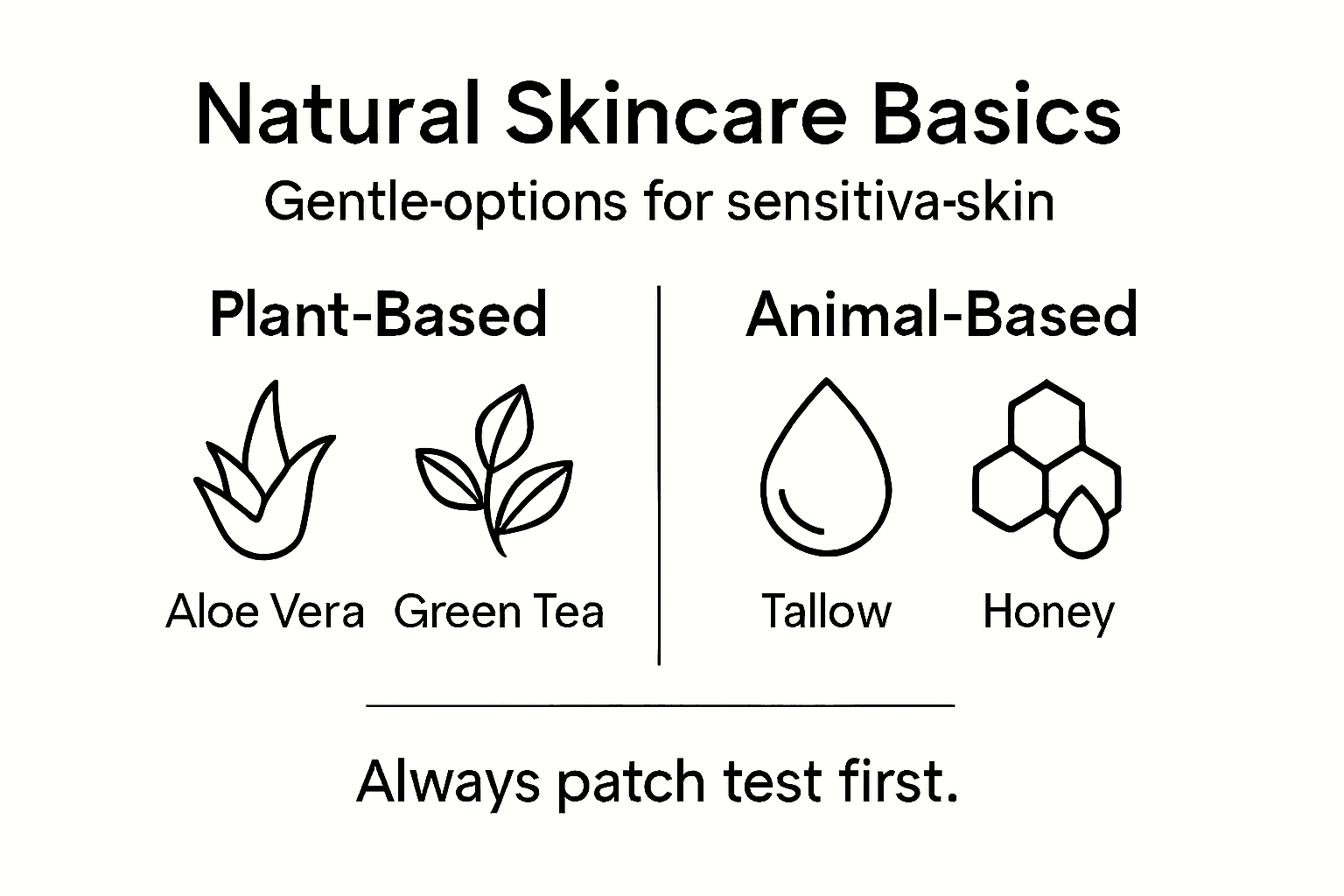
Some of the most potent natural ingredients demonstrate incredible capabilities:
You can use this summary to better understand key natural ingredient actions:
| Ingredient | Main Effect | Typical Benefit |
|---|---|---|
| Chrysanthemum | Reduces inflammation | Calms sensitive skin |
| Panax Ginseng | Promotes regeneration | Enhances skin repair |
| Camellia Sinensis | Antioxidant protection | Defends against pollution |
| Mentha Piperita | Cooling & soothing | Eases irritation |
- Chrysanthemum: Reduces skin inflammation
- Panax Ginseng: Supports cellular regeneration
- Camellia Sinensis: Provides antioxidant protection
- Mentha Piperita: Offers cooling and soothing effects
Natural ingredients are not just cosmetic solutions - they’re sophisticated biological interventions that communicate directly with your skin’s cellular processes.
Pro tip: When selecting natural skincare ingredients, prioritize single-source, minimally processed extracts that retain their original molecular complexity and therapeutic potential.
Tallow-Based Products and Sensitive Skin
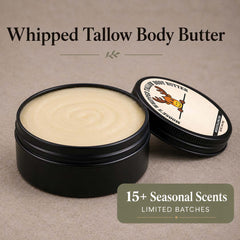
Tallow-based skincare represents a revolutionary approach to nurturing sensitive skin, offering profound healing and protective capabilities. Tallow’s unique lipid composition closely mirrors human skin’s natural structure, making it an exceptional solution for those struggling with skin sensitivity and reactive conditions.
The remarkable benefits of tallow for sensitive skin stem from its extraordinary molecular characteristics:
-
Nutrient-rich composition
- Contains vitamins A, D, E, K
- Abundant in essential fatty acids
- Supports natural skin barrier
-
Skin-compatible properties
- Mimics human skin lipids
- Absorbs quickly
- Reduces inflammation
-
Healing potential
- Supports collagen production
- Repairs damaged skin
- Reduces skin irritation
Tallow’s molecular structure includes critical fatty acids like oleic, palmitic, and stearic acids that work synergistically to rebuild and protect the skin’s protective barrier. These compounds penetrate deeply, providing intense moisture while simultaneously calming inflammatory responses typical in sensitive skin types.
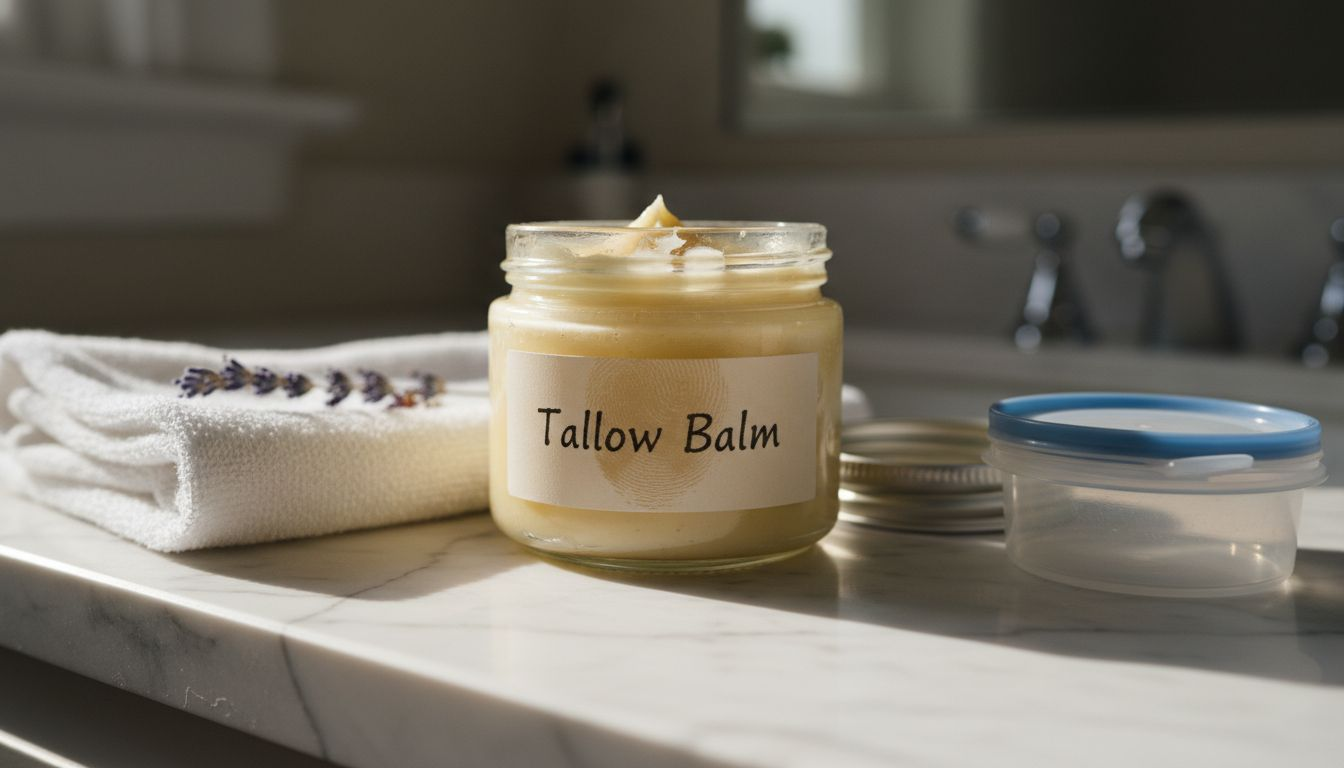
Key advantages of tallow-based products for sensitive skin include:
Here’s a quick comparison of tallow-based versus plant-based skincare for sensitive skin:
| Attribute | Tallow-Based Skincare | Plant-Based Skincare |
|---|---|---|
| Lipid Compatibility | Closely matches human skin | Varies, depends on oil chosen |
| Allergen Risk | Generally low | Some risk from botanicals |
| Moisturization Level | Deep, long-lasting | Good, may require layering |
| Ideal For | Extremely sensitive, dry skin | Sensitive, combination skin |
| Environmental Concerns | Animal-derived, sustainable sources possible | Plant-derived, sourcing varies |
- Enhanced skin barrier protection
- Natural anti-inflammatory action
- Deep, long-lasting hydration
- Minimal risk of allergic reactions
Tallow isn’t just a moisturizer - it’s a comprehensive skin rehabilitation system that speaks the language of your skin’s biology.
Pro tip: When introducing any new products to sensitive skin, patch test first and start with small amounts to assess individual skin response.
Benefits and Effectiveness for Families
Natural skincare products offer comprehensive protection and nourishment for entire families, addressing the diverse and sensitive skin needs across different age groups. Natural ingredients provide multifunctional skincare benefits that support skin health while avoiding harsh synthetic chemicals that can trigger irritation or allergic responses.
Key family-friendly advantages include:
-
Gentle for all ages
- Safe for babies and children
- Suitable for sensitive skin
- Hypoallergenic formulations
-
Holistic skin protection
- Supports natural skin barrier
- Provides antioxidant defense
- Reduces inflammation
-
Environmental considerations
- Minimally processed ingredients
- Sustainable sourcing
- Reduced chemical exposure
Natural cosmetics meet rigorous safety standards that align with families’ growing desire for transparent, trustworthy skincare solutions. These products leverage plant-based ingredients like shea butter and chamomile, which offer deep hydration and soothing properties without compromising skin health.
Specific benefits for family skincare include:
- Age-appropriate skin nourishment
- Reduced risk of allergic reactions
- Long-term skin health support
- Environmentally conscious choices
Family skincare isn’t just about cleaning and moisturizing - it’s about creating a holistic approach to wellness that respects your body’s natural processes.
Pro tip: Introduce new natural skincare products gradually, performing patch tests for each family member to ensure individual skin compatibility.
Safety, Allergies, and What to Avoid
Sensitive skin demands a meticulous approach to skincare, understanding that not all natural ingredients are inherently safe. Common allergens can trigger significant skin reactions, making ingredient awareness crucial for maintaining healthy skin.
Potential allergens and irritants to watch for include:
-
Botanical Triggers
- Essential oils
- Certain herbal extracts
- Raw plant compounds
-
Chemical Sensitizers
- Synthetic fragrances
- Preservatives
- Alcohol-based ingredients
-
Hidden Irritants
- Unlisted fragrance components
- Undefined ‘natural’ additives
- Unregulated chemical mixtures
FDA guidelines emphasize careful ingredient examination to identify potential skin irritants. Terms like ‘hypoallergenic’ or ‘natural’ are marketing strategies that do not guarantee safety, making personal research and patch testing essential for individuals with sensitive skin.
Specific safety recommendations include:
- Always read complete ingredient lists
- Conduct patch tests before full application
- Consult dermatologists for personalized advice
- Monitor skin reactions carefully
Natural does not automatically mean safe - it means different, and understanding those differences is key to protecting your skin.
Pro tip: Keep a detailed skin reaction journal to track ingredients that cause irritation, helping you build a personalized understanding of your skin’s unique sensitivities.
Discover Soothing Natural Care for Sensitive Skin with Moose’s Tallow
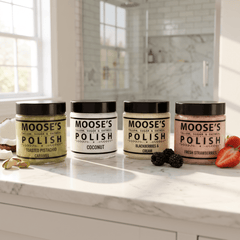
If you struggle with sensitive skin and want a natural skincare solution that truly understands your needs, Moose’s Tallow offers a nourishing option rooted in biology. This article highlights the challenges of choosing safe natural ingredients and the benefits of tallow-based products that are deeply moisturizing and skin barrier supportive without causing irritation. With carefully rendered beef tallow and simple, intentional formulations, Moose’s Tallow respects those natural skincare principles while delivering comforting care you can trust.

Experience the difference that a product designed for sensitive skin can make. Visit Moose’s Tallow to explore handcrafted, small-batch lotions and balms made with nutrient-rich tallow and thoughtfully selected oils. Join the many satisfied users who love how Moose’s Tallow absorbs quickly and leaves no greasy residue. Your skin deserves soothing hydration that lasts. Check out real reviews and find your new daily ritual today at Moosestallow Reviews. Take the next step toward healthier skin with Moosestallow About and see why our simple ingredients and honest craftsmanship have earned a 4.5 TrustScore rating.
Frequently Asked Questions
What ingredients should I look for in natural skincare for sensitive skin?
Look for natural ingredients such as antioxidant-rich plant extracts (like green tea and ginseng), anti-inflammatory botanicals (such as chamomile and aloe vera), and hydrating oils (like jojoba and coconut). These ingredients can help calm sensitive skin and provide essential nutrients.
Are all natural skincare products safe for sensitive skin?
Not necessarily. While many natural ingredients offer benefits, some can trigger allergic reactions or irritate sensitive skin. Always read ingredient lists and perform patch tests before applying new products.
How does tallow-based skincare compare to plant-based skincare for sensitive skin?
Tallow-based skincare closely matches the lipid composition of human skin, offering deep moisture and reduced inflammation. In contrast, plant-based skincare varies in effectiveness depending on the oils used and may introduce allergenic botanicals. Both have their advantages, but tallow may be better suited for extremely sensitive skin.
How can I determine if a natural ingredient will irritate my skin?
Always check the ingredient list for potential allergens and perform a patch test. Additionally, keep a journal of any skin reactions to help identify which specific ingredients may cause irritation.


0 comments