


Supporting ethical brands means choosing companies committed to fair wages, environmental care, and transparent practices. Ethical consumerism, the recognized term for this movement, is the practice of buying from businesses whose values align with your own. Every dollar you spend is a vote for the kind of world you want to live in. This guide explains why support for ethical brands matters, how to spot the real ones, and how to close the gap between your values and your shopping cart.
Why support ethical brands to reduce harm and promote fairness
Ethical brands reduce environmental damage and labor exploitation by investing in fair wages, safe working conditions, and responsible resource management. When you buy from these companies, you fund supply chains that treat workers as people, not just production inputs. That funding creates real pressure on the broader market to follow suit.
The environmental benefits are concrete. Ethical consumption shifts behavior toward conscious purchasing and works to reverse harm caused by unsustainable supply chains. That shift matters because most environmental damage in consumer goods happens upstream, in sourcing and manufacturing, long before a product reaches your hands.

Supporting sustainable businesses also means supporting fair labor. Ethical brands pay living wages, maintain safe facilities, and refuse to cut corners on worker protections. These are not marketing claims. They are operational commitments that cost money and require accountability.
Here is what ethical brands typically do differently:
- Pay fair wages at every level of the supply chain, not just at headquarters
- Source materials with documented environmental standards
- Publish supplier information publicly, including limitations and areas for improvement
- Reduce carbon emissions across Scope 1, 2, and 3 categories
- Avoid synthetic fillers, harmful chemicals, and deceptive ingredient labeling
Your purchase funds whichever model you choose. Buying from ethical brands makes responsible practices financially viable for the companies that practice them.
How do ethical brands build stronger customer loyalty?
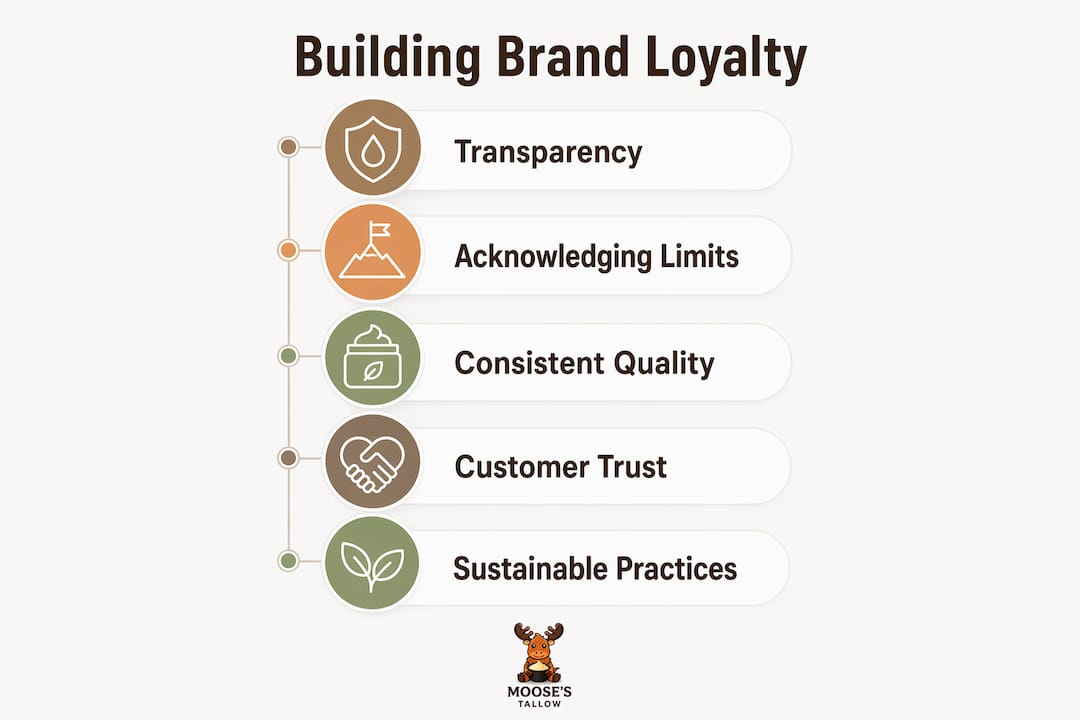
Consumers who support ethical brands develop stronger emotional attachment and higher loyalty than those who buy from conventional brands. That loyalty holds even when prices differ. This is not accidental. It is the result of trust built over time through consistent, honest behavior.
“Ethical branding creates attitudinal loyalty, reducing brand-switching even when prices vary. Consumers stay because they believe in what the brand stands for, not just what it sells.”
Companies that embed ethics into their core strategy, across HR, supply chains, and customer experience, see measurable gains in customer satisfaction and employee engagement. Ethics is not a department. It is a way of operating.
The people behind the brand matter too. Employees who show empathy and ethical behavior improve customer satisfaction and reinforce the brand’s reputation with every interaction. In service and direct-to-consumer businesses, staff conduct is one of the most powerful trust signals available.
- Ethical brands attract customers who share their values, creating a self-reinforcing community
- Transparent ingredient lists and honest claims build credibility that marketing alone cannot
- Loyal customers become advocates, reducing the cost of acquiring new buyers
Pro Tip: Look for brands that publish their own limitations alongside their achievements. Admitting what they have not yet solved is a stronger trust signal than claiming perfection.
This kind of loyalty benefits you as a shopper. You spend less time second-guessing purchases and more time confident in the products you use. That confidence has real value, especially for products you put on your skin or give to your family.
How to identify authentic ethical brands in 2026
The most reliable way to spot a genuine ethical brand is to cross-check third-party certifications with detailed, data-driven sustainability reports. Certifications alone are not enough. A brand can hold a label and still operate with opaque supply chains or vague environmental claims.
| What to look for | What to avoid |
|---|---|
| B Corp, Fair Trade, or GOTS certification | Vague terms like “eco-friendly” or “green” with no data |
| Published supplier lists with named factories | Generic sustainability pages with no specific commitments |
| Scope 1, 2, and 3 carbon emission data | Carbon claims with no third-party verification |
| Clear improvement goals with timelines | Promises without measurable targets |
| Transparent ingredient or material sourcing | Proprietary blends that hide what is inside |
Brands that acknowledge continual improvements are seen as more authentic and trustworthy than those claiming to have already solved everything. Credibility comes from honesty about the gap between where a brand is and where it wants to be.
Seasoned ethical shoppers use certifications as a starting point, not a final answer. They dig into supply chain data, read annual reports, and pay attention to how brands respond when things go wrong. A brand that issues a public correction after a mistake is more trustworthy than one that never admits fault.
Pro Tip: Search for a brand’s sustainability report directly, not through their marketing page. If no report exists or the data is vague, treat that as a red flag.
The importance of ethical consumerism shows up most clearly here. When shoppers demand real data, brands are forced to produce it. Your scrutiny raises the standard for everyone.
What challenges do ethical shoppers face, and how do you solve them?
The biggest barrier to ethical shopping is cost. Ethical products often carry a price premium because fair wages and environmental care are genuinely more expensive than cutting corners. That premium is real, and pretending otherwise does not help.
The good news is that framing the premium differently changes how affordable it feels. Viewing a smaller, higher-quality product at the same price as a larger conventional one shifts the comparison from “more expensive” to “more concentrated.” That reframe improves purchase likelihood and reduces buyer regret.
Here is a practical approach to closing the gap between your values and your spending:
- Start with one category. Pick the product type you use most, such as skincare, cleaning supplies, or food, and make the ethical switch there first. One committed category beats scattered, inconsistent choices.
- Buy less, buy better. Extending product lifespan through mindful care reduces overall impact more than frequent purchases of even ethical goods. Fewer, higher-quality items is the most effective path to sustainable consumption.
- Define your own priorities. Ethical shopping is deeply personal. Decide whether labor practices, environmental impact, or ingredient transparency matters most to you, then shop accordingly. You cannot optimize for everything at once.
- Treat ethical goods as investments. A product that lasts twice as long at 1.5 times the price is the better financial decision. Viewing ethical goods as investments in durability helps reconcile the upfront cost.
- Use your purchases to signal demand. Brands track what sells. Buying ethical products in a category tells manufacturers that the market rewards responsible practices.
Pro Tip: Repair and care for what you already own before replacing it. True ethical consumption includes buying less overall and maintaining what you have.
The impact of ethical shopping compounds over time. Each purchase reinforces a habit, and each habit shapes the market. You are not just buying a product. You are participating in a feedback loop that either rewards or punishes certain business practices.
Key Takeaways
Supporting ethical brands creates measurable benefits for the environment, for workers, and for you as a shopper who wants products that match your values.
| Point | Details |
|---|---|
| Ethical brands reduce real harm | Fair wages, safe supply chains, and lower emissions are operational commitments, not marketing claims. |
| Loyalty follows trust | Consumers stay loyal to ethical brands even at higher prices because trust is built through consistent, honest behavior. |
| Certifications are a starting point | Cross-check B Corp, Fair Trade, or GOTS labels with actual supply chain data and sustainability reports. |
| Reframe the cost | Viewing ethical premiums as quality investments rather than price hikes makes ethical shopping more sustainable long-term. |
| Every purchase sends a signal | Buying from ethical brands funds responsible practices and pressures the broader market to follow. |
What I have learned from building an ethical brand from scratch
I started Moose’s Tallow after reading the label on my own lotion. It listed 52 ingredients, and the first was water. That moment changed how I thought about what I was putting on my skin and what I was willing to sell to other people.
Building a brand around transparency is harder than it sounds. You cannot hide behind a long ingredient list or vague claims. Every choice is visible. That visibility is uncomfortable at first. Over time, it becomes the thing customers trust most.
What I have seen is that shoppers who care about ethical brands are not looking for perfection. They are looking for honesty. They want to know what is in the product, where it came from, and why each ingredient is there. When you give them that, they stay. They tell their friends. They come back even when a cheaper option exists.
The brands that earn long-term loyalty are the ones that treat their customers as intelligent adults. They publish real information, admit real limitations, and make real commitments. That is not a marketing strategy. It is just how honest businesses operate.
If you are building purchasing habits around your values, you are doing something that matters. Every dollar you spend on a brand that operates with integrity is a dollar that makes integrity more financially viable in the marketplace. That ripple effect is real, and it adds up.
— Brian Smith
Ethical skincare that shows its work
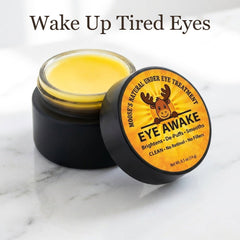
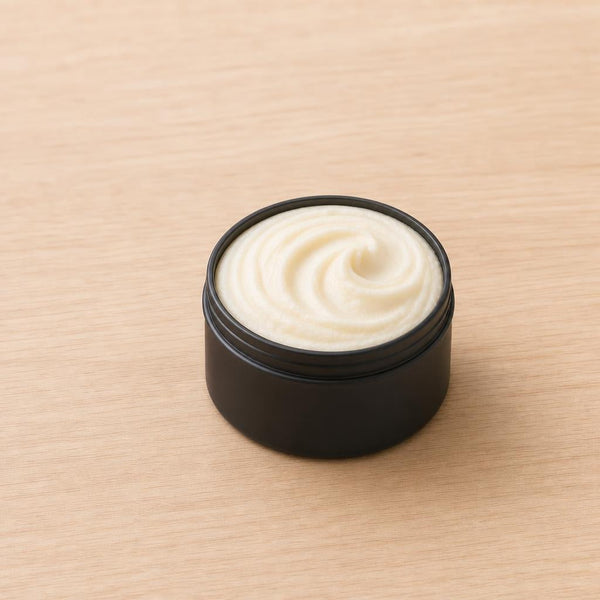
Moose’s Tallow builds every product around a short, honest ingredient list. Beef suet tallow is always the star. It has a fatty-acid profile close to your skin’s own oils, so it absorbs cleanly and supports the skin barrier without fillers. Fractionated coconut oil is the preferred carrier oil because it is stable, resists oxidation, absorbs easily, and lasts on the shelf. Every formula also includes purposefully chosen ingredients like beeswax, vitamin E (tocopherols), jojoba, castor, and egg yolk infused oil.
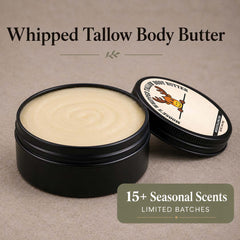
Nothing is added as filler. Nothing is hidden behind a proprietary blend. If you want clean beauty that matches your values, start with the healing tallow lip balm or the whipped body butter. Both are water-free, small-batch, and backed by a 30-day guarantee.
FAQ
What does it mean to support ethical brands?
Supporting ethical brands means buying from companies that prioritize fair wages, environmental responsibility, and transparent practices. Ethical consumerism is the broader term for this purchasing approach, which aims to reduce social and environmental harm through everyday spending decisions.
Why do ethical brands cost more?
Ethical brands cost more because fair wages, safe working conditions, and responsible sourcing are genuinely more expensive than conventional alternatives. That premium reflects real operational commitments, not inflated margins.
How can I tell if a brand is truly ethical?
Cross-check third-party certifications like B Corp or Fair Trade with published sustainability reports that include specific carbon data and supplier information. Brands that admit limitations are more credible than those that claim perfection.
Does buying ethical products actually make a difference?
Yes. Brands track purchasing data, and consistent demand for ethical products signals that responsible practices are financially rewarded. Buying fewer, higher-quality items also reduces overall environmental impact more than frequent purchases.
What is the biggest challenge for ethical shoppers?
The most common barrier is the perceived cost premium. Reframing ethical products as quality investments rather than expensive alternatives helps close the gap between values and actual purchasing behavior.


0 comments