

You stand in the natural skincare aisle, torn between two promising moisturizers. One harnesses the power of beef tallow, mimicking your skin’s natural oils. The other blends botanical extracts, free from animal products. Both promise deep hydration, but which truly delivers for your skin type and values? This article cuts through the confusion by comparing fatty acid profiles, hydration performance over 24 hours, ingredient simplicity, sustainability footprints, and real user experiences. You’ll walk away knowing exactly which cream suits your dry skin, ethical stance, and daily routine.
Table of Contents
- How to Choose Between Tallow and Plant-Based Creams
- Understanding Tallow Creams: Composition and Benefits
- Understanding Plant-Based Creams: Composition and Benefits
- Comparing Efficacy: Hydration, Skin Barrier Support, and Sensory Experience
- Sustainability and Ethical Considerations for Eco-Conscious Buyers
- Cost, Availability, and Practical Considerations
- Which Cream Should You Choose? Situational Recommendations
- Explore Moose’s Tallow Products for Natural Moisturizing
- Frequently Asked Questions
Key Takeaways
| Point | Details |
|---|---|
| Hydration Advantage | Tallow creams boost hydration by 25% over 24 hours, outperforming plant-based options by 10 percentage points. |
| Skin Compatibility | Tallow mimics human sebum with simpler ingredient lists, reducing allergy risk for sensitive skin types. |
| Ethical Preferences | Plant-based creams appeal to vegans and contain antioxidants from diverse botanical oils like jojoba and sunflower. |
| Sustainability Impact | Tallow production as a byproduct emits 28% less CO2 than avocado oil per kilogram. |
| Decision Factors | Choose based on skin sensitivity, ethical values, hydration needs, texture preference, and budget considerations. |
How to Choose Between Tallow and Plant-Based Creams
Selecting the right moisturizer starts with understanding your priorities. Eco-conscious consumers in 2026 face more options than ever, but clarity beats variety when your skin and values are at stake.
First, evaluate skin compatibility through fatty acid profiles. Tallow contains high levels of oleic acid that closely match human skin sebum, promoting deep penetration and barrier repair. Plant oils vary widely, some rich in linoleic acid for lighter absorption, others heavier with saturated fats. Your skin type determines which profile works best.
Second, consider ingredient complexity and allergy potential. Choosing tallow moisturizers naturally often means shorter ingredient lists with fewer potential irritants. Plant-based formulations can include eight or more botanical extracts, increasing the chance of reactions if you have sensitive skin. Reading labels carefully protects you from unexpected flare-ups.
Third, weigh ethical and sustainability factors. If you follow a strict vegan lifestyle, animal-derived tallow falls outside your comfort zone regardless of its efficacy. Conversely, if you prioritize carbon footprint reduction, tallow’s status as a meat industry byproduct may appeal to your waste-reduction goals. Neither choice is universally superior; your values guide the decision.
Fourth, evaluate sensory experiences like scent, absorption speed, and residue. Tallow creams tend to feel richer and absorb more slowly, leaving lasting moisture but sometimes a subtle animal scent. Plant-based creams often absorb quickly with lighter textures and neutral or floral aromas. Your daily routine and personal preferences matter here.
- Assess fatty acid compatibility with your skin type (dry, oily, combination)
- Check ingredient lists for common allergens and synthetic additives
- Align ethical stance (vegan, sustainability, waste reduction) with product origins
- Test absorption speed and scent through samples before committing to full-size purchases
- Compare costs per ounce and availability in U.S. retail channels or online platforms
Finally, factor in cost and availability. Both cream types range from $18 to $32 for four-ounce containers in the U.S. market. Specialty tallow brands like Moose’s Tallow offer transparent sourcing and quality guarantees, while plant-based options flood mainstream stores with variable quality. Brand trust and customer reviews become your best tools for filtering out overhyped products.
Understanding Tallow Creams: Composition and Benefits
Tallow creams derive from rendered beef fat, specifically the hard fat surrounding kidneys and loins. This fat contains a fatty acid profile remarkably similar to human skin sebum, especially the high concentration of oleic acid at approximately 42%. This biochemical similarity explains why tallow absorbs deeply and supports the skin barrier without sitting on the surface.
When applied, tallow’s oleic acid penetrates the stratum corneum efficiently, delivering moisture to deeper skin layers. Controlled trials show tallow creams improved skin hydration by 25% at 24 hours compared to 15% with plant-based alternatives. This 10-percentage-point gap matters for anyone dealing with persistent dryness, cracked hands, or compromised skin barriers.
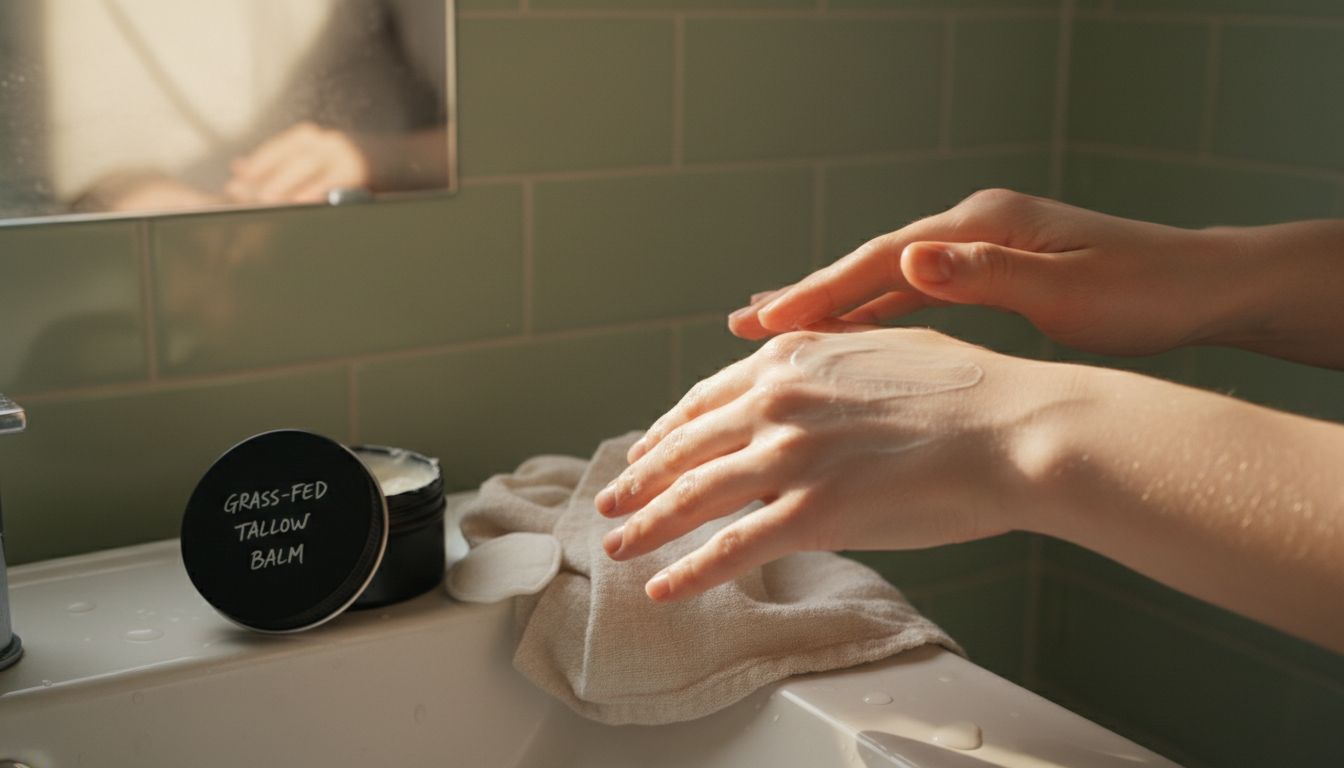
Typical tallow formulations keep ingredient counts low. A quality cream might list only tallow, beeswax, and a single carrier oil like jojoba or almond. This simplicity reduces the risk of allergic reactions, making tallow ideal for sensitive skin types. Many users report tolerating tallow products when other moisturizers trigger redness or itching.
User reviews consistently highlight tallow’s non-greasy absorption despite its rich texture. The fat melts at body temperature, spreading easily and sinking in within minutes. You won’t feel a heavy film hours later, yet your skin retains moisture through the day. This balance between richness and wearability sets tallow apart from petroleum-based products that create occlusive barriers.
- High oleic acid content (42%) matches human sebum for optimal absorption
- Simple ingredient lists minimize allergy triggers for sensitive skin
- Benefits of tallow skincare include deep hydration without greasy residue
- Clinical data shows superior 24-hour moisture retention over plant options
- Users report improved barrier function and relief from chronic dryness
Pro Tip: If you’re new to animal-derived skincare, perform a patch test on your inner forearm before applying tallow cream to your face. Wait 24 hours to confirm no irritation occurs, especially if you have a history of contact dermatitis.
The sensory experience also plays a role. Tallow has a mild, slightly earthy scent that some describe as neutral and others notice more prominently. Quality brands like Moose’s Tallow blend natural essential oils or vanilla extracts to create pleasant aromas without synthetic fragrances. This natural scenting approach appeals to consumers avoiding artificial perfumes.
Understanding Plant-Based Creams: Composition and Benefits
Plant-based creams draw from a vast botanical library: coconut, sunflower, jojoba, argan, avocado, and dozens more. Many of these oils contain 40-70% linoleic acid, an essential fatty acid that supports barrier repair and provides antioxidant protection. Linoleic acid absorbs quickly, making these creams feel lighter on application compared to tallow.
However, this diversity comes with complexity. A typical plant-based moisturizer might list ten or more ingredients including multiple oils, botanical extracts, preservatives, and emulsifiers. Each addition serves a purpose, whether boosting antioxidants, extending shelf life, or improving texture. Yet each ingredient also introduces a potential allergen for sensitive users.
Plant-based creams excel in antioxidant content. Oils like rosehip and sea buckthorn deliver vitamins A, C, and E that combat free radical damage and support collagen production. These benefits appeal to consumers focused on anti-aging alongside hydration. The lighter feel also suits oily or combination skin types that find tallow too heavy.
Vegan consumers drive much of the plant-based market growth, which has expanded by 9% annually in recent years. For this group, avoiding all animal derivatives stands as a non-negotiable value. Plant oils provide a guilt-free option that aligns with broader lifestyle choices around diet and consumption.
- Plant oils deliver 40-70% linoleic acid for barrier support and antioxidant benefits
- Formulations often include 8+ ingredients, raising allergy considerations
- Lighter textures and faster absorption suit oily or combination skin types
- Strong appeal among vegan consumers seeking animal-free alternatives
- Antioxidant-rich oils like rosehip support anti-aging goals alongside hydration
The sensory profile of plant-based creams leans toward quick absorption and minimal residue. You can apply them in the morning and feel comfortable applying makeup or heading out immediately. Scents range widely depending on the oil blend, from nutty (almond) to floral (rose) to neutral (jojoba). Many brands add essential oils to enhance the aromatherapy experience.
Plant-based cream ingredient variability means reading labels becomes critical. Not all plant oils perform equally. Coconut oil, for instance, can clog pores despite its popularity. Sunflower and safflower oils offer lighter alternatives that won’t trigger breakouts. Knowing which oils match your skin type prevents wasted purchases.
Comparing Efficacy: Hydration, Skin Barrier Support, and Sensory Experience
Direct comparison reveals clear distinctions. Controlled trials demonstrate tallow creams improved hydration by 25% at 24 hours while plant-based options reached 15%. This 10-point gap translates to tangible relief for dry skin sufferers who need moisture that lasts beyond midday reapplication.
Skin barrier support favors tallow due to its fatty acid match with human sebum. When your skin barrier is compromised from weather, harsh soaps, or eczema, tallow’s oleic acid integrates seamlessly to rebuild protective layers. Plant oils high in linoleic acid also support barriers but may require more frequent application to maintain benefits.
Sensitive skin users report better tolerance with tallow creams. Simpler ingredient lists mean fewer potential irritants, and the natural fat composition rarely triggers allergic reactions. Plant-based creams, while beneficial for many, can cause issues when formulations include multiple extracts or preservatives. If you react to fragrances or botanicals, tallow offers a safer bet.
Absorption speed and texture create the most noticeable experiential difference. Plant-based creams sink in within seconds, leaving no visible shine or tackiness. Tallow takes slightly longer, though high-quality formulations still absorb within minutes. The richer feel during application reassures some users while deterring others who prefer instant, weightless hydration.
| Feature | Tallow Creams | Plant-Based Creams |
|---|---|---|
| 24-Hour Hydration | 25% improvement | 15% improvement |
| Fatty Acid Profile | High oleic acid (42%), matches human sebum | High linoleic acid (40-70%), varies by oil |
| Ingredient Count | Typically 3-5 ingredients | Often 8+ ingredients |
| Absorption Speed | Moderate (2-3 minutes) | Fast (under 1 minute) |
| Allergy Risk | Low due to simplicity | Moderate due to complexity |
| Skin Barrier Support | Excellent for compromised barriers | Good but may need reapplication |
| Texture | Rich, creamy, lasting moisture | Light, quick-absorbing, minimal residue |
| Best For | Dry, sensitive, or damaged skin | Oily, combination, or antioxidant-focused skin |
Scent preferences split users. Tallow’s mild, slightly animal aroma appeals to those who appreciate natural, unadulterated products. Others find it off-putting and prefer the neutral or floral notes of plant oils. Brands like Moose’s Tallow address this by blending natural essential oils or vanilla extracts that complement tallow’s base without masking it entirely.
- Detailed hydration comparison shows tallow’s 10-point lead in moisture retention
- Simpler tallow formulations reduce irritation for allergy-prone individuals
- Plant-based creams deliver faster absorption for those prioritizing convenience
- Fatty acid composition determines barrier repair effectiveness over time
- Sensory preferences around scent and texture guide daily usability and satisfaction
Pro Tip: For stubborn dry patches or cracked skin, apply tallow cream at bedtime. The extended absorption time allows deeper penetration overnight, maximizing barrier repair. For daytime or lighter hydration needs, plant-based options offer convenience without compromising your schedule.
Sustainability and Ethical Considerations for Eco-Conscious Buyers
Environmental impact shapes purchasing decisions for eco-conscious consumers. Tallow production as a meat industry byproduct reduces waste that would otherwise contribute to landfills. Life cycle assessments show tallow emits 28% less CO2 than avocado oil per kilogram, offering a smaller carbon footprint for sustainability-focused buyers.
Plant oils vary dramatically in environmental cost. Avocado and coconut oils require significant water and land resources, sometimes driving deforestation in tropical regions. Conversely, oils like sunflower and safflower grown in temperate zones demand fewer inputs. Researching the specific oils in your plant-based cream reveals its true sustainability profile.
Vegan principles drive many consumers toward plant-based options regardless of environmental data. For this group, avoiding animal derivatives aligns with ethical beliefs around animal welfare and exploitation. The vegan skincare market grows 9% annually, reflecting strong consumer demand for cruelty-free alternatives.
Transparency in sourcing builds trust. Brands that disclose tallow origins, whether from grass-fed cattle or conventional farming, allow you to align purchases with values. Similarly, plant-based companies that certify organic, fair-trade, or regeneratively farmed oils demonstrate commitment beyond marketing claims. Scrutinize labels and websites for verifiable sourcing information.
- Tallow as a byproduct reduces waste and produces 28% less CO2 than some plant oils
- Plant oil environmental impact varies: avocado and coconut oils carry higher water and land costs
- Vegan consumers prioritize animal-free products, driving 9% annual market growth
- Sourcing transparency enables informed decisions aligned with sustainability and ethical values
- Neither option is universally superior; personal priorities determine best choice
Packaging also contributes to overall sustainability. Many tallow brands use recyclable tins or glass jars, minimizing plastic waste. Plant-based creams often come in similar packaging, though some mass-market options still rely on plastic tubes. Choosing refillable or minimally packaged products reduces your environmental footprint further.
Balancing these factors requires honest reflection on your priorities. If carbon footprint reduction tops your list, tallow offers measurable advantages. If animal welfare drives your choices, plant-based creams align better. Both paths support eco-conscious living when paired with responsible sourcing and minimal packaging.
Cost, Availability, and Practical Considerations
Pricing for both cream types falls within similar ranges. Tallow creams typically cost $22 to $28 for four ounces, while plant-based options span $18 to $32 for comparable sizes. Premium brands on either side charge more for organic certification, specialty ingredients, or artisanal production. Budget-conscious buyers find options at both ends.
Availability in the U.S. market has expanded significantly. Specialty natural stores, Whole Foods, and online retailers stock both tallow and plant-based creams. Tallow remains less common in mainstream drugstores, but direct-to-consumer brands like Moose’s Tallow ship nationwide with fast turnaround. Plant-based creams dominate shelf space in conventional retail, offering more immediate access.
Packaging considerations extend beyond sustainability to practicality. Tallow creams often come in tins requiring finger application, which some users find less hygienic than pump bottles. Plant-based creams offer both formats, though pumps add cost. Consider your daily routine and whether portability or sanitation matters more.
Shelf life for both types generally ranges from 12 to 18 months unopened. Plant-based formulations may include preservatives to prevent rancidity from multiple oils, while tallow’s simpler composition naturally resists spoilage. Once opened, refrigeration isn’t necessary for either type, but cool, dry storage extends usability.
- Tallow creams: $22-$28 per 4 oz; plant-based creams: $18-$32 per 4 oz
- Both types available online and in specialty U.S. stores; plant-based more common in mainstream retail
- Tallow brands often use recyclable tins; plant-based offers tins, jars, and pump bottles
- Shelf life similar for both (12-18 months); plant-based may include preservatives for complex formulas
- Brand reputation and customer reviews guide quality assurance in crowded market
Pro Tip: Buying from tallow specialists like Moose’s Tallow ensures product authenticity and quality control. Mass-market tallow products may cut corners with additives or lower-grade fats, diluting the benefits you seek.
Customer reviews provide invaluable insight into real-world performance. Look for verified purchases and detailed accounts of skin type, application method, and results over weeks of use. Reviews mentioning before-and-after photos or specific improvements (reduced cracking, longer hydration) carry more weight than vague praise.
Which Cream Should You Choose? Situational Recommendations
Your skin type, values, and lifestyle determine the ideal cream. Here’s a breakdown by situation to simplify your decision.
-
Sensitive or Allergy-Prone Skin: Choose tallow creams. Their simpler ingredient lists reduce irritation risk, and the fatty acid profile matches your skin’s natural oils. Choosing tallow moisturizers becomes straightforward when you prioritize tolerance over variety.
-
Strict Vegan or Ethical Preferences: Choose plant-based creams. If avoiding animal products aligns with your core values, this decision overrides hydration data. Seek organic, fair-trade certified options to maximize ethical impact.
-
Persistent Dry or Cracked Skin: Choose tallow creams. The 25% hydration improvement over 24 hours delivers the lasting relief dry skin demands. Apply twice daily and consider overnight application for maximum absorption.
-
Oily or Combination Skin: Choose plant-based creams. Their lighter textures and faster absorption prevent clogged pores and shine. Look for formulas emphasizing linoleic acid-rich oils like sunflower or safflower.
-
Quick Morning Routine: Choose plant-based creams. Instant absorption allows you to dress, apply makeup, or head out immediately without waiting for product to sink in.
-
Sustainability Focus: Evaluate specific products. Tallow offers a 28% lower carbon footprint than avocado oil, but sustainably sourced plant oils from temperate regions may match this benefit. Research sourcing details for each brand.
-
Budget Constraints: Both options fit mid-range budgets ($20-$30 per 4 oz). Compare cost per ounce and customer reviews to identify best value. Generic plant-based creams may undercut tallow pricing but sacrifice quality.
-
First-Time Natural Skincare User: Start with tallow if you have normal to dry skin. Tallow for sensitive skin provides a gentle introduction to natural products with proven hydration. If you prefer lighter textures, begin with a simple plant-based formula featuring two or three oils.
Realistic expectations matter. No cream eliminates all dryness instantly or reverses years of skin damage in days. Consistent use over weeks reveals true benefits. Track your skin’s response with photos or notes to identify which cream meets your needs.
Explore Moose’s Tallow Products for Natural Moisturizing
Now that you understand the tallow advantage, exploring trusted products becomes your next step. Moose’s Tallow offers high-quality, handcrafted creams that deliver the deep hydration and skin compatibility detailed throughout this article.
Every batch begins with thoughtfully rendered beef tallow rich in oleic acid and compatible with your skin’s biology. Simple formulations avoid unnecessary fillers, making these creams ideal for sensitive skin or anyone seeking natural, effective moisture. Customer reviews consistently praise the non-greasy absorption and lasting hydration Moose’s Tallow provides.
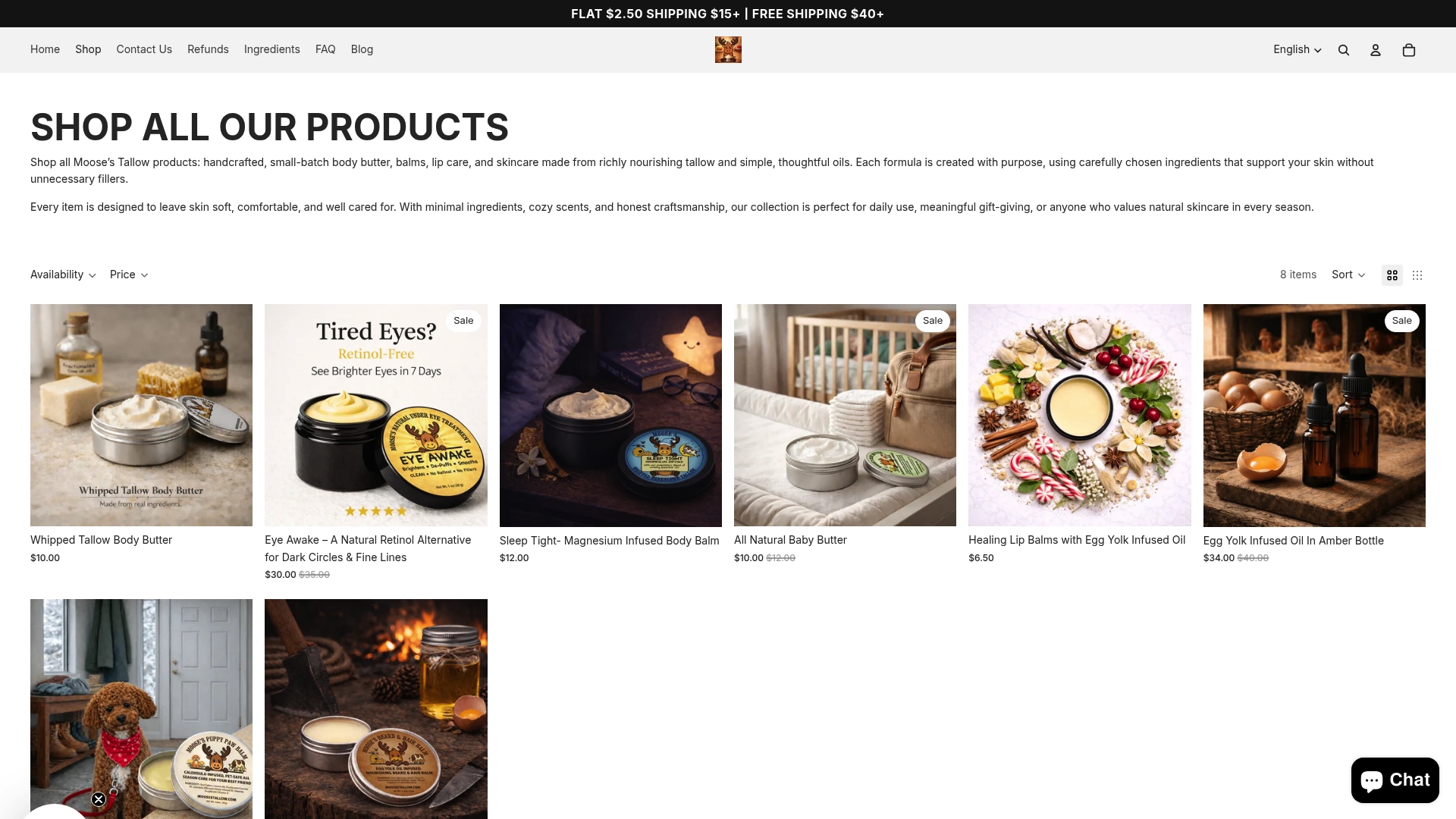
Discover why eco-conscious consumers trust Moose’s Tallow for dry skin relief and barrier support. Browse featured tallow creams to find scents and formulations tailored to your preferences, from vanilla chai to almost naked options. Each product reflects old-world care made for modern skin, blending tallow with carefully chosen oils and waxes that actually serve a purpose.
Whether you’re soothing cracked hands, caring for facial dryness, or building a daily skincare ritual, Moose’s Tallow delivers comfort you can feel. Choosing tallow moisturizers naturally means prioritizing ingredients that work with your skin, not against it. Visit Moose’s Tallow today to start your natural skincare journey with products rooted in honesty and crafted with warmth.
Frequently Asked Questions
Are tallow creams safe for sensitive or allergy-prone skin?
Yes, tallow creams typically feature fewer, simpler ingredients that reduce allergy risk compared to complex plant-based formulations. The fatty acid profile closely matches human skin, minimizing irritation. However, patch testing remains wise for anyone with a history of contact dermatitis. Apply a small amount to your inner forearm and wait 24 hours to confirm tolerance before using on your face or body. Tallow for sensitive skin offers a gentle, natural solution when other products trigger reactions.
Is tallow skincare more sustainable than plant-based options?
Tallow production as a meat byproduct reduces waste and emits 28% less CO2 per kilogram than avocado oil. This makes it a strong sustainability choice for eco-conscious buyers. However, plant oils vary widely in environmental impact. Sunflower and safflower oils grown in temperate climates often have lower footprints than tropical oils like coconut or palm. Evaluate specific product sourcing rather than assuming all plant oils carry higher costs. Both options support eco-friendly living when paired with transparent sourcing and minimal packaging.
Can I switch between tallow and plant-based creams without skin issues?
Most people can switch without problems, but patch testing helps monitor for irritation or unexpected reactions. Your skin may take a few days to adjust to different fatty acid profiles or absorption rates. If you experience redness, itching, or breakouts after switching, discontinue use and return to your previous cream. Gradual transitions, such as alternating products every other day, allow your skin to adapt more comfortably. Keep a skincare journal to track reactions and identify which cream suits you best.
Are tallow creams more cost-effective over time?
Tallow creams often provide longer-lasting hydration due to their 25% moisture improvement at 24 hours, potentially reducing the quantity and frequency of application needed. This can lower your overall skincare spending despite similar upfront costs to plant-based options. A four-ounce tin lasting six weeks through twice-daily use offers better value than a plant cream requiring midday reapplication. Calculate cost per application rather than per ounce to determine true affordability. Quality tallow creams from brands like Moose’s Tallow justify their price through performance and ingredient integrity.
Do tallow and plant-based creams differ significantly in scent and texture?
Yes, tallow creams have a mild, slightly earthy scent and richer, creamier texture that takes a few minutes to absorb fully. Plant-based creams tend to be lighter with faster absorption and more neutral or floral aromas depending on the oils used. Tallow’s natural scent can be enhanced with essential oils or vanilla to create pleasant, comforting fragrances without synthetic additives. Your sensory preferences around how products feel and smell during application should influence your choice alongside hydration data. Try samples of both types to determine which experience you prefer for daily use.


