

Animal-based skincare means products built on ingredients like tallow, lanolin, beeswax, or collagen instead of water and synthetic fillers. The trade-off is real: tallow gives dry skin strong, lasting moisture and barrier support, but its heavy, occlusive texture can clog pores on oily or acne-prone faces. This guide covers the benefits, the risks, how to test it safely, sourcing red flags, and what to look for on a label.
TL;DR:
- Tallow provides strong, long-lasting moisture and barrier support on dry skin, especially on hands, feet, and cracked areas, but may clog pores on oily or acne-prone faces.
- The highest benefits occur when applying water-free tallow balms to damp skin, layering over humectants, and patch testing for irritation before facial use.
- Trustworthy tallow products source grass-fed, locally rendered fat with clear labels indicating water-free status and specific animal-sourced ingredients; vague sourcing and fillers are red flags.
- Tallow-heavy formulations are better suited for body and dry skin care, while lighter, diluted blends are recommended for facial application to avoid pore clogging.
- Dermatologists advise caution for oily or acne-prone skin, and patch testing is essential to prevent breakouts or irritation when introducing animal-based skincare products.
What Is Animal-Based Skincare?
Animal-based skincare uses ingredients that come from animals instead of plants or lab-made compounds. Formulators call these ingredients “zooceuticals,” a term covering everything from beef tallow to snail mucin. The category isn’t new. It’s how skincare worked for most of human history, before petroleum byproducts and synthetic emulsifiers took over drugstore shelves.
Each animal-derived ingredient plays a specific job in a formula:
- Tallow (rendered beef suet fat): a heavy, occlusive moisturizer close in structure to human skin oil.
- Lanolin (from sheep’s wool): an intense humectant and emollient, often used in lip and nipple balms.
- Beeswax: a thickener and barrier ingredient that gives balms their structure and slip.
- Collagen and keratin: proteins added for texture and a temporary plumping feel on skin and hair.
- Snail mucin: a humectant popular in Korean skincare for hydration and slip.
- Honey: a humectant with mild antibacterial properties, often used in cleansers and masks.
Ingredients like these show up because they work, not because they’re trendy. Beeswax stabilizes a balm’s texture better than most plant waxes. Lanolin holds water against skin longer than many synthetic humectants. Researchers cataloging zooceuticals and cosmetic ingredients derived from animals point to this same pattern: moisturizing, texture, and stability are the recurring reasons formulators reach for animal-derived ingredients over alternatives.
What Is Tallow, and Why Do Formulators Use It?
Tallow is rendered beef suet fat. Rendering means slowly melting the raw fat, straining out impurities, and letting it cool into a solid, shelf-stable block. Done right, rendering leaves behind a clean, low-odor fat. Done poorly, with high heat or dirty fat, it leaves a rancid smell and a shorter shelf life.
Tallow’s fatty-acid profile sits close to the fats your own skin produces. That’s why it feels occlusive almost instantly. It sits on top of skin, slows water loss, and holds moisture underneath. Recent reviews of tallow’s biocompatibility with skin compare its occlusive behavior directly to petrolatum, the ingredient in most drugstore healing ointments.
A water-free tallow balm behaves differently from a bottle of lotion off a big-box shelf:
- No water means no need for preservatives to stop mold and bacteria from growing in the bottle.
- Fewer ingredients overall, since there’s no emulsifier needed to blend oil and water.
- A thicker, richer texture that takes longer to absorb but lasts longer on skin.
- A shorter, more readable label, often under ten ingredients instead of fifty.
Conventional lotions list water first because water is cheap filler. A water-free tallow-based approach skips that filler entirely and relies on the fat to do the actual work.
Does Tallow Actually Help Skin, or Is It Just a Trend?
Tallow genuinely helps some skin types and genuinely risks trouble for others. Both things are true at once.
The benefits show up most clearly on very dry skin. Tallow’s heavy occlusion locks in moisture for hours, which makes it a strong option for cracked hands, rough elbows, dry feet, and winter-damaged skin on the body. Many people find it especially useful on hands and feet with chronic dryness, even when they avoid it on their face.
The caution comes from dermatology. Skin doctors generally don’t recommend tallow for facial use, because it’s often comedogenic and can trigger breakouts in people prone to acne. Comedogenic means an ingredient is likely to clog pores. Heavy oils and fats rank higher on that scale than light, fast-absorbing ones, and tallow sits toward the heavier end.
The core split: tallow’s biggest strength (heavy, long-lasting occlusion) is exactly what makes it risky for oily or acne-prone facial skin. The same property that heals a cracked heel can clog a breakout-prone cheek.
News coverage of tallow’s popularity notes the same split. Evidence of clear benefit is mixed, and some users report irritation, even as the ingredient trends online. Dermatologists interviewed by outlets covering the trend consistently steer people back toward matching the ingredient to the skin type, not the hype.
A simple way to sort it:
- Very dry skin, no acne history: tallow balms on hands, feet, elbows, and body work well.
- Combination or normal skin: face use is usually fine in small amounts, especially in cooler months.
- Oily or acne-prone skin: skip the face. Stick to body use, or talk to a dermatologist first.
- Sensitive or reactive skin: patch test before any facial application, every time.
If you have persistent acne or a skin condition that isn’t improving, a dermatologist visit beats guessing from a product label. Reputable clinical resources like Cleveland Clinic Health Essentials are a solid starting point for general guidance before you self-diagnose from social media.
How Do You Patch Test and Use Tallow Safely?
Testing tallow before you commit your whole face to it takes three days and almost no effort.
- Apply a small amount to your inner forearm, an area with thin, sensitive skin similar to your face.
- Leave it uncovered and unwashed for 48 to 72 hours, checking daily for redness, itching, or bumps.
- Stop immediately if you see irritation. Rinse gently and skip the product going forward.
- If your skin looks and feels normal after 72 hours, you’re clear to try it on a small facial area, like your jawline, before going all in.
- Watch your face for a week after the first real use. New breakouts along the forehead or chin are the clearest sign tallow isn’t a fit for your skin.
Application frequency matters as much as the patch test. On the body, a nightly or after-shower application works well for most dry skin. On the face, start with two or three nights a week, not daily, and see how your skin responds before increasing use.
Layering order changes how well it performs, too. Apply a humectant like hyaluronic acid to slightly damp skin first, then seal it in with your tallow balm. The humectant pulls water into skin; the tallow’s occlusion keeps that water from evaporating. Reverse the order and the tallow blocks the humectant from doing much at all.
Pro Tip: Apply tallow balm to skin that’s still a little damp from washing, not fully dry. The trapped moisture underneath does more work than the tallow alone.
If you already have an acne treatment routine with retinoids or benzoyl peroxide, don’t layer tallow on top without a break. Heavy occlusives can trap active ingredients against skin longer than intended, which raises irritation risk. This guide on using beef tallow for skin walks through more specific use cases if you want a deeper breakdown.
What Should You Look for on an Animal-Based Skincare Label?
Sourcing claims separate a trustworthy tallow product from a vague one. “Grass-fed” means the cattle ate pasture grass rather than a grain-heavy feedlot diet, which many brands argue affects the fat’s quality and nutrient content. “Locally rendered” means the fat was processed close to where it’s sold, cutting down on the time between slaughter and rendering. Freshness in rendering affects both smell and shelf stability.
“Water-free” is a specific, checkable claim. If water appears in the ingredient list at all, especially as the first ingredient, the product isn’t water-free, no matter what the front label says.
A few label red flags worth watching for:
- Vague sourcing language like “premium tallow” with no mention of grass-fed status or origin.
- Long ingredient lists padded with fillers, especially in a product marketed as simple or natural.
- Unfamiliar or unlisted carrier oils. Fractionated coconut oil is a stable, easily absorbed carrier oil that resists oxidation well, which makes it a better sign than a vague “vegetable oil” listing.
- No mention of rendering or sourcing at all, which usually means the brand is buying processed fat from an unnamed supplier.
Regulatory guidance on animal-derived cosmetic ingredients emphasizes traceability and clear labeling, including controls against contamination, as a baseline for safety and compliance. A brand that can tell you where its tallow came from and how it was rendered is doing more than most.
How Do You Choose the Right Animal-Based Product?
Format matters more than most shoppers realize. A thick body butter that feels great on cracked heels can feel heavy and greasy on your face. Matching the product to the job saves you from wasting money on the wrong texture.
Here’s a rough guide to what fits where:
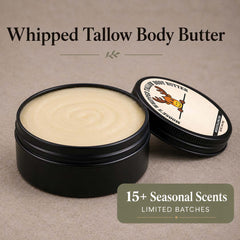
- Body and very dry skin: whipped butters and thick balms, applied liberally, work best on hands, feet, elbows, and knees.
- Face: lighter, more diluted blends, used sparingly, reduce the risk of clogged pores.
- Sun protection: mineral-based balms combining tallow with zinc oxide, since zinc provides the actual sun-blocking function.
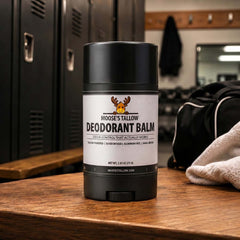
- Underarm care: aluminum-free deodorant balms that rely on natural odor control rather than synthetic antiperspirant chemicals.
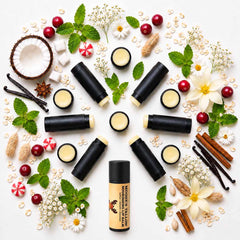
- Lips: small-format balms that need less product per use and absorb quickly.
Before you buy, run down a short checklist: Does the brand name its sourcing? Is water-free stated clearly, not implied? Is the carrier oil named, and is it something stable like fractionated coconut oil rather than a vague “natural oil” blend? Is there a return policy if the texture or scent isn’t for you? A brand that’s confident in its formula will answer all four without hedging. If you’re already dealing with dry, irritated skin, a tallow-based approach for eczema-prone skin is worth reading before you pick a product.
The Founder’s Take: Why Moose’s Tallow Keeps Ingredient Lists Short
Brian “Moose” Smith started this brand after a health scare sent him back to his bathroom shelf. His lotion listed 52 ingredients. The first was water. That label was the whole problem, and it’s why every Moose’s Tallow product stays water-free and short on ingredients.
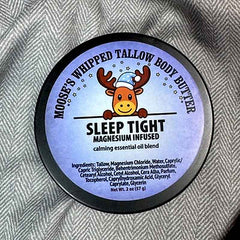
We build formulas around properly rendered, grass-fed, locally sourced beef suet tallow, paired with fractionated coconut oil, beeswax, vitamin E, jojoba, castor, and egg yolk infused oil. Nothing sits in a formula as filler. Small batches let us watch rendering quality closely, batch to batch. Every order carries a 30-day guarantee, because we’d rather stand behind the product than hide behind a return policy nobody reads.
Who Should Try Tallow, and Who Should Skip It?
Tallow rewards patience and punishes the wrong expectations. If you have dry, flaky skin on your body and you’re tired of lotions that fade by lunchtime, tallow balms are worth trying. If your skin is oily or you fight regular breakouts, especially on your face, the comedogenic risk outweighs the moisture benefit, and a dermatologist visit is a better first move than a new balm.
The practical path is simple: patch test first, match the format to the body area, and stop if you see new breakouts. That one-sentence trade-off from the start of this guide holds up under scrutiny. Tallow delivers real barrier support for the right skin, and real risk for the wrong skin.
— Brian Smith
Where to Start With Tallow-Based Skincare
Moose’s Tallow is the direct route to tallow skincare that skips the guesswork of unlabeled sourcing. Every product in the catalog, from whipped body butters to baby care to pet paw balm, starts with the same grass-fed, locally rendered tallow, water-free and lightly diluted, backed by a 30-day guarantee.
Two products fit the concerns covered in this guide especially well. The Tallow & Zinc Outdoor Sun Balm pairs tallow’s occlusion with zinc oxide for outdoor sun protection, without a synthetic fragrance load. The Aluminum-Free Natural Deodorant swaps out aluminum salts for a tallow base that still handles daily odor control.
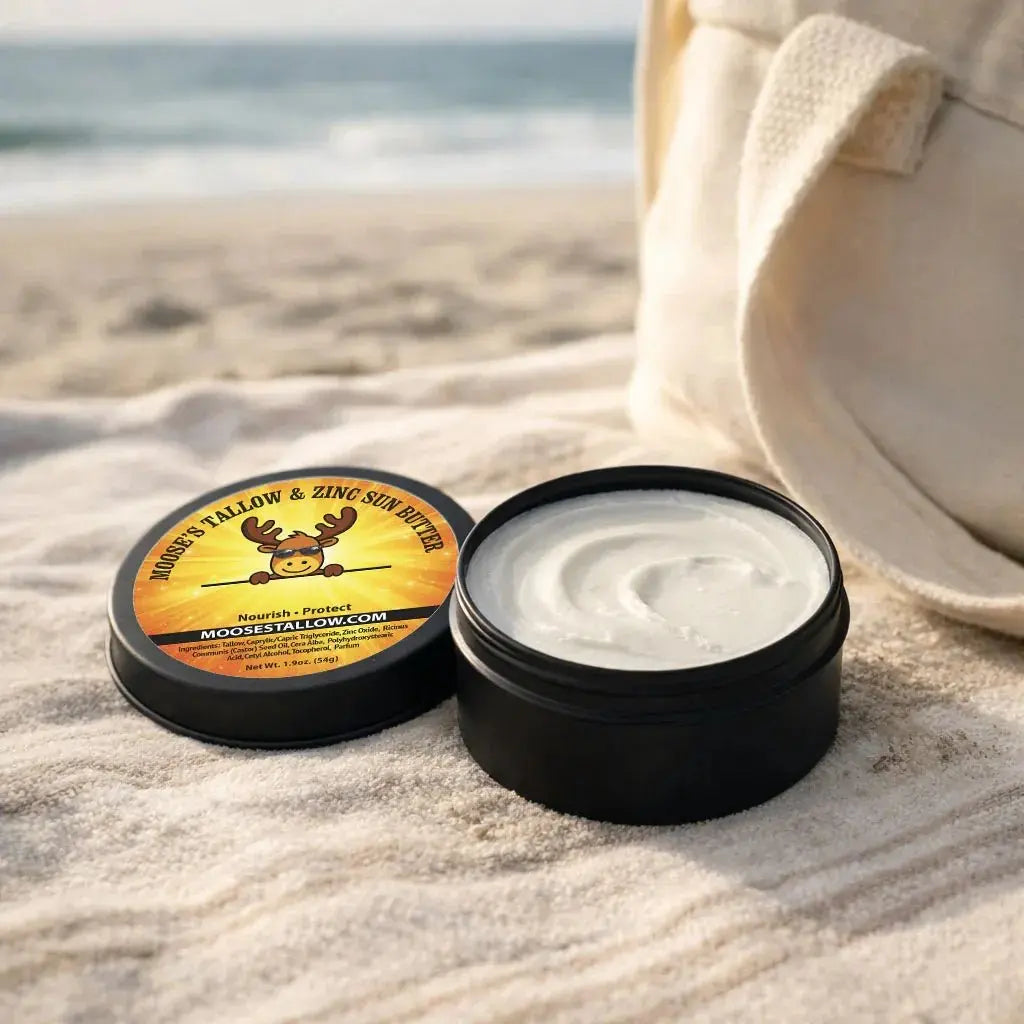
If you’re not sure where to start, browse the full product catalog and pick based on the body area giving you the most trouble.
Sources
- Beef tallow: dietitian and derm weigh in | UT MD Anderson
- Influencers claim beef tallow has health and beauty benefits. Not necessarily, experts say. | NBC News
- Zooceuticals and Cosmetic Ingredients Derived from Animals | MDPI
- Tallow, Rendered Animal Fat, and Its Biocompatibility With Skin | PMC
FAQ
Why Don’t Dermatologists Like Tallow?
Dermatologists caution against tallow mainly for facial use, since it’s often comedogenic and can trigger breakouts on oily or acne-prone skin. On the body, where pore-clogging matters less, most dermatologists have fewer objections.
Is Tallow Actually Good for Skin?
Tallow is genuinely effective at trapping moisture and supporting a dry skin barrier, especially on hands, feet, and other body areas. Whether it’s “good” depends entirely on your skin type: strong for chronic dryness, risky for acne-prone faces.
What Cosmetics Come From Animals?
Beyond tallow, common animal-derived cosmetic ingredients include lanolin from sheep’s wool, beeswax, collagen, keratin, and snail mucin, each used for moisturizing, texture, or barrier support. These ingredients show up across lip balms, lotions, hair products, and anti-aging creams.
What Are Some Products Made From Animal Skin?
Leather goods aside, skincare made with animal-derived ingredients includes tallow balms, lanolin-based lip and nipple creams, beeswax lip balms, and collagen-infused moisturizers. Moose’s Tallow’s lineup, including body butters, deodorant, and baby butter, falls into this animal-based category using rendered beef suet tallow.
How Much Do Moose’s Tallow Products Cost?
Prices vary across product types, from small balms to larger jars. Current pricing for each product is listed on the Moose’s Tallow product catalog.
0 comentarios