

You’ve probably heard whispers about beef tallow taking over skincare routines, yet many dismiss it as outdated animal fat unsuited for modern faces. The truth? This traditional ingredient contains fatty acids and fat-soluble vitamins that penetrate deeply to hydrate and nourish skin, supporting barrier repair in ways synthetic creams struggle to match. We’ll explore what makes tallow uniquely compatible with sensitive skin, bust common myths about pore clogging, and show you how to use it safely for maximum nourishment without the grease.
Table of Contents
- Introduction To Nourishing Skincare And Beef Tallow
- Biochemical Composition Of Beef Tallow And Its Skin Compatibility
- Mechanisms Underlying Nourishing Effects Of Beef Tallow
- Common Misconceptions And Risks In Tallow-Based Skincare
- Best Practices And Practical Usage Guidelines For Tallow Skincare
- Comparison With Conventional Synthetic Moisturizers
- Real-World Use And Consumer Perceptions
- Conclusion: Making Nourishing Skincare Choices With Beef Tallow
- Explore Nourishing Tallow Skincare Products From Moose’s Tallow
Key takeaways
| Point | Details |
|---|---|
| Beef tallow contains fatty acids and vitamins supportive of skin barrier repair | Rich in oleic, palmitic, and stearic acids plus vitamins A, D, E, K that nourish and protect skin cells. |
| It acts mainly as an occlusive emollient, reducing water loss and softening skin | Forms a breathable protective film that traps moisture and fills gaps between skin cells for smoothness. |
| Moderate comedogenic risk means patch testing is important for oily or acne-prone skin | Comedogenic rating of 2-3 indicates potential pore clogging in susceptible skin types. |
| Proper sourcing and rendering ensure safety and maximize nourishing quality | Cosmetic-grade tallow from grass-fed sources provides higher nutrient content and eliminates irritants. |
| Applying small amounts on damp skin optimizes absorption and comfort | Sparing use on moist skin enhances penetration and prevents greasy residue or heaviness. |
Introduction to nourishing skincare and beef tallow
Nourishing skincare focuses on deep hydration and repairing the skin’s natural barrier function. When your skin barrier weakens from harsh weather, age, or stripping cleansers, moisture escapes and irritants sneak in. That’s where rich emollients come into play.
Beef tallow has a long history in traditional skincare as a natural moisturizer. Grandmothers rendered it in kitchens for chapped hands and wind-burned cheeks long before plastic tubes dominated bathroom shelves. Modern consumers increasingly seek benefits of tallow skincare for its natural origin and compatibility with sensitive skin.
What makes tallow stand out? It contains valuable fatty acids and fat-soluble vitamins that support skin health:
- Oleic, palmitic, and stearic acids closely mirror human sebum composition
- Vitamins A, D, E, and K penetrate to nourish and protect cells
- Naturally occlusive properties lock in hydration without synthetic barriers
- Compatible with sensitive skin when properly rendered and sourced
Think of tallow as a biological bridge between your skin’s needs and nature’s offerings. It doesn’t promise miracles, but it delivers steady, reliable nourishment that works with your skin’s existing functions rather than against them.
Biochemical composition of beef tallow and its skin compatibility
Beef tallow’s fatty acid profile closely resembles human sebum lipids, facilitating absorption and effective barrier hydration without greasy residue when properly rendered. The molecular breakdown reveals why this ancient fat feels surprisingly modern on your face.
Tallow contains approximately 50% saturated fats (palmitic and stearic acids) and 40% monounsaturated fats (oleic acid). These ratios matter because your skin recognizes and integrates them smoothly. Palmitic acid strengthens the skin barrier, stearic acid provides slip and texture, and oleic acid penetrates deeper layers to deliver moisture where it counts.
Fat-soluble vitamins A, D, E, and K ride along with these fatty acids:
- Vitamin A supports cell turnover and repair
- Vitamin D aids skin immunity and inflammation control
- Vitamin E acts as an antioxidant protecting against environmental damage
- Vitamin K helps with wound healing and reduces redness
Properly rendered cosmetic-grade tallow is shelf stable and free of proteins or impurities that can cause skin irritation or rapid oxidation. Rendering involves heating the fat slowly to separate pure lipids from connective tissue and water. This process removes potential allergens while preserving beneficial compounds.
Grass-fed sources matter more than marketing hype suggests. Tallow from grass-fed cows has higher vitamin and fatty acid content than conventional sources, particularly conjugated linoleic acid (CLA) and omega-3s. These enhance anti-inflammatory properties and antioxidant capacity.
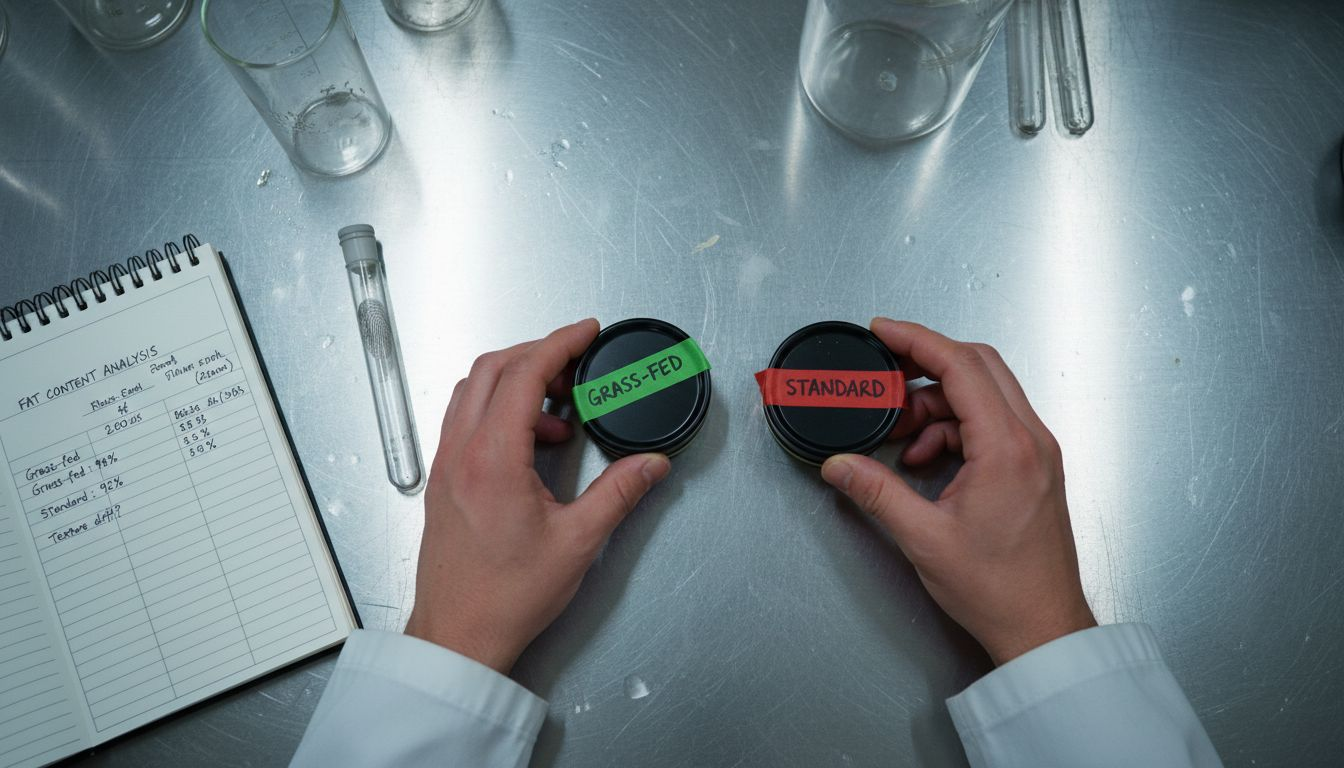
Pro Tip: When choosing tallow moisturizer, check for “grass-fed” and “cosmetic-grade” labels. Culinary tallow from the grocery store hasn’t undergone the filtration needed for skincare use. Proper storing tallow skincare products in cool, dark places extends shelf life and maintains nutrient integrity.
Mechanisms underlying nourishing effects of beef tallow
Tallow acts mainly as an occlusive emollient, forming a protective film that reduces transepidermal water loss (TEWL) and fills gaps between skin cells to soften dry skin. Understanding how it works helps you use it strategically.
Here’s what happens when tallow meets your skin:
-
Occlusive barrier formation: Tallow spreads as a thin, breathable layer over the skin surface, slowing water evaporation while still allowing some gas exchange. Unlike petroleum jelly that completely seals, tallow permits natural skin respiration.
-
Lipid gap filling: Your skin’s outer layer (stratum corneum) consists of cells surrounded by lipid mortar. When this mortar cracks or thins, skin feels rough and flaky. Tallow’s fatty acids slip into these gaps, restoring smoothness and flexibility.
-
Anti-inflammatory action: Beef tallow’s fatty acids have anti-inflammatory properties which may soothe irritated and sensitive skin, reducing redness and discomfort. Oleic acid and CLA (in grass-fed versions) calm immune responses in the skin that trigger inflammation.
-
Efficient absorption: Despite being a fat, properly rendered tallow absorbs well without leaving greasy residue when applied correctly. The similarity to sebum allows skin enzymes to break it down and integrate its components efficiently.
Consider this: Studies measuring TEWL show occlusive moisturizers can reduce water loss by 20 to 30% within hours of application. That translates to visibly plumper, more comfortable skin, especially in dry climates or winter months.
Pro Tip: Apply tallow to slightly damp skin right after washing. The trapped water underneath boosts hydration while tallow seals it in. This layering technique maximizes moisture retention without using more product. For targeted best tallow lotion uses, focus on hands, elbows, and any areas prone to cracking or irritation.
Common misconceptions and risks in tallow-based skincare
Beef tallow is not fully bio-identical to human sebum despite the marketing claims. It lacks certain complex lipids like ceramides and cholesterol that sebum naturally contains. This doesn’t make it ineffective, but it does mean tallow works best as a complementary moisturizer rather than a complete skin barrier replacement.
Tallow has a moderate comedogenic rating of 2 to 3 and may clog pores, especially in oily or acne-prone skin; patch testing is recommended. If you’re battling breakouts or have naturally oily skin, proceed cautiously. The oleic acid content, while nourishing for dry skin, can trigger congestion in pore-prone areas.
Only properly rendered cosmetic-grade tallow is safe for skincare:
- Culinary tallow from grocery stores contains proteins and impurities that irritate skin
- Unfiltered or poorly processed tallow can smell rancid and oxidize quickly on skin
- Home-rendered versions vary wildly in purity unless you know proper techniques
- Cosmetic-grade undergoes multiple filtration and purification steps
Patch testing prevents unpleasant surprises. Apply a small amount to your inner forearm or behind your ear for 24 to 48 hours. Watch for redness, itching, or bumps. Even natural ingredients can trigger sensitivities, and tallow’s richness may overwhelm reactive skin.
Gradual introduction works best. Start with once-daily application on a small area like hands before moving to your face. This gives your skin time to adjust and helps you gauge how much product you actually need. Many first-timers overapply, leading to greasiness and potential breakouts that aren’t tallow’s fault but rather user error. For myth-busting insights, explore tallow skincare myths that clarify common confusions.
Best practices and practical usage guidelines for tallow skincare
Select cosmetic-grade tallow from grass-fed, properly rendered sources. This isn’t snobbery; it’s safety and efficacy. Look for transparent sourcing information and third-party testing if available.
Follow these steps for optimal results:
-
Conduct a patch test: Apply a pea-sized amount to a discreet area for 24 to 48 hours before full use. Check for any reaction before committing to regular application.
-
Apply sparingly on damp skin: Tallow skincare products should be applied sparingly on damp skin to maximize absorption and avoid heaviness. Pat your face or hands dry after washing, leaving them slightly moist, then warm a small amount of tallow between your palms and press gently into skin.
-
Start with once-daily use: Begin with nighttime application when skin naturally repairs itself. Morning use works too, but give your skin a few days to adjust before adding a second daily application.
-
Adjust quantity based on response: If you wake up shiny or notice new bumps, you’re using too much or applying too frequently. Scale back and let your skin recalibrate.
-
Store properly to maintain freshness: Keep tallow products in cool, dark places away from heat and direct sunlight. Proper storage prevents oxidation and rancidity, extending shelf life to six months or longer.
Choosing products from grass-fed sources enhances nourishing qualities due to higher vitamin and fatty acid content. The investment pays off in both skin results and product stability.
Pro Tip: Less is genuinely more with tallow. A jar that seems small will last months because a dab the size of a pea covers your entire face. If it feels heavy or greasy 15 minutes after application, you’ve used too much. For broader tallow usage tips and guidance on choosing tallow moisturizer varieties, consult product-specific resources.
Comparison with conventional synthetic moisturizers
Beef tallow offers natural lipids and vitamins closely aligned with skin physiology, while synthetic moisturizers contain varied chemical actives and preservatives. Each approach has strengths and weaknesses depending on your skin type and values.
| Feature | Beef Tallow | Synthetic Moisturizers |
|---|---|---|
| Ingredient origin | Animal-derived natural fat | Lab-formulated compounds |
| Fatty acid profile | Oleic, palmitic, stearic acids mimicking sebum | Silicones, petroleum derivatives, plant oils |
| Vitamins | A, D, E, K naturally present | Often added synthetically or absent |
| Preservatives | Minimal or none if pure | Parabens, phenoxyethanol, or alternatives required |
| Comedogenic risk | Moderate (rating 2-3) | Varies widely by formulation |
| Barrier support | Strong occlusive and emollient action | Depends on humectants, occlusives, emollients used |
| Shelf stability | 6+ months if rendered properly | 1-3 years with preservatives |
| Suitability for sensitive skin | Generally good if patch tested | Varies; some irritate, some soothe |
| Ingredient transparency | High (single or few ingredients) | Low to moderate (long ingredient lists) |
Beef tallow contains natural fatty acids and vitamins supporting barrier repair better than many synthetic creams that rely on silicones for temporary smoothness. Silicones create slip and shine but don’t nourish the underlying skin structure. Tallow feeds the barrier with building blocks it recognizes.
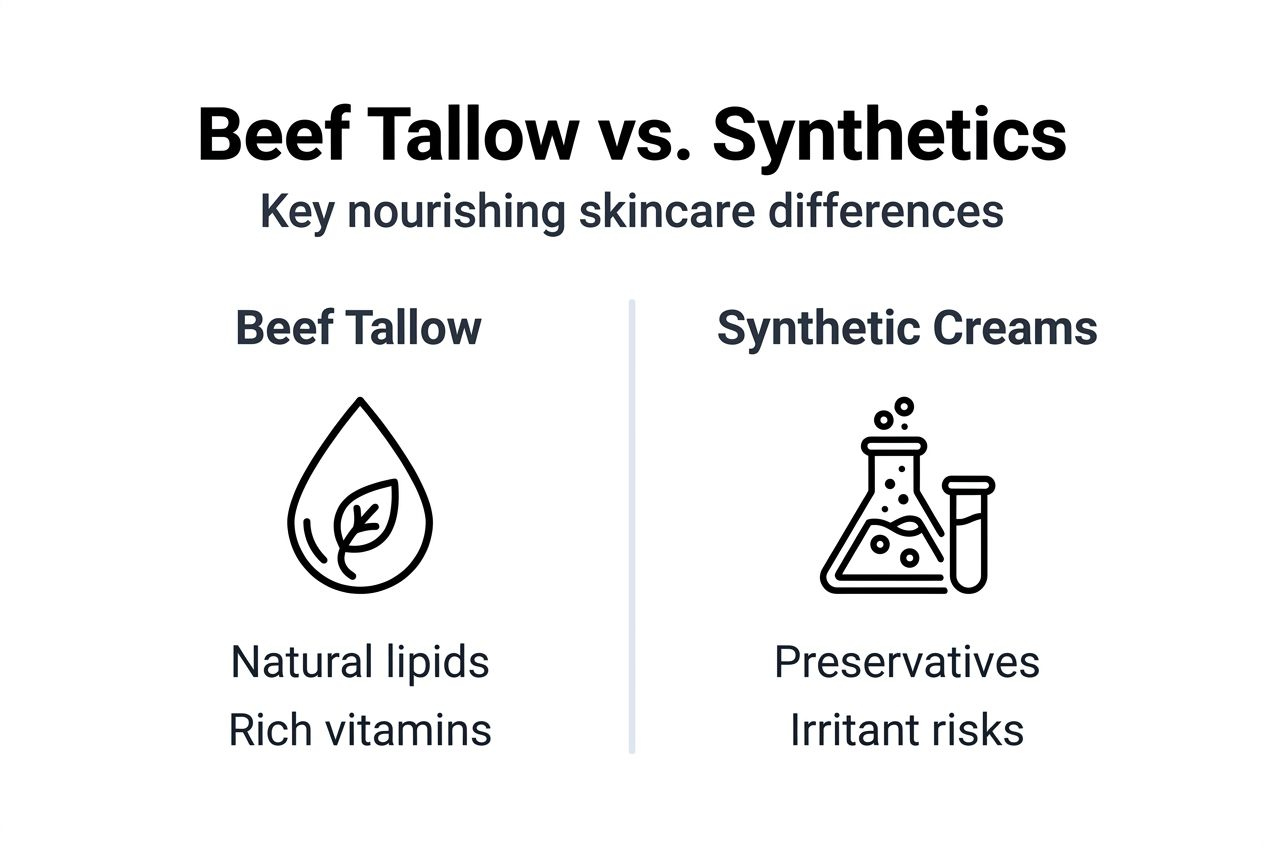
Synthetic options often include preservatives and chemicals that may irritate sensitive skin. Parabens, fragrances, and certain emulsifiers trigger reactions in susceptible individuals. Tallow’s simplicity reduces this risk, though the fat itself can still cause issues in acne-prone skin.
Shelf life differs notably. Tallow has a natural shelf life if properly rendered, typically six months to a year. Synthetic moisturizers loaded with preservatives last two to three years unopened. If you prefer long-term storage or infrequent use, synthetics win on convenience.
Comedogenic risk is higher with tallow, so skin type is key in selecting moisturizers. Oily and acne-prone individuals often fare better with lightweight gel or lotion formulas containing non-comedogenic synthetics. Dry and sensitive skin types usually thrive on tallow’s rich nourishment.
Ingredient transparency is generally higher with natural products like tallow. You know exactly what you’re putting on your skin: rendered fat, maybe some essential oils for scent. Synthetic creams hide behind long chemical names that require a degree to decode. For detailed comparisons, see tallow vs plant-based creams and reasons for choosing tallow over creams.
Real-world use and consumer perceptions
Users report improved hydration and softer skin texture with tallow products. Reviews consistently mention how quickly rough, cracked hands heal and how long-lasting the moisture feels compared to store-bought lotions that require constant reapplication.
Tallow is preferred by individuals with sensitive skin and for family-friendly skincare:
- Parents appreciate simple ingredient lists when caring for children’s delicate skin
- Those with eczema or rosacea find tallow less irritating than fragranced commercial creams
- People seeking natural alternatives value the transparency and minimal processing
- Users tired of synthetic feel enjoy tallow’s clean, skin-like absorption
Non-greasy absorption and pleasant natural scents enhance user satisfaction. When blended with subtle essential oils like lavender or vanilla, tallow becomes a sensory treat rather than a medicinal chore. The scent fades as the product absorbs, leaving skin soft without competing with perfumes or colognes.
Some users note better skin barrier repair compared to previous moisturizers. Chronic dry patches that persisted through winters finally heal. Hands exposed to frequent washing in healthcare or food service stay supple instead of cracking. These real-world testimonials align with tallow’s occlusive and emollient properties, validating both traditional wisdom and modern biochemistry.
Conclusion: making nourishing skincare choices with beef tallow
Beef tallow is a natural, nutrient-rich option for nourishing dry and sensitive skin. Its fatty acid composition and vitamin content support hydration and barrier repair in ways that feel both ancient and refreshingly simple.
Safety and efficacy depend on quality sourcing and mindful application. Choose cosmetic-grade tallow from grass-fed sources, render it properly, and store it correctly. These steps separate effective skincare from greasy disappointment or irritated skin.
Patch testing and skin type considerations minimize adverse effects. If you’re oily or acne-prone, tread carefully and watch for congestion. If you’re dry or sensitive, tallow may become your go-to comfort in a jar.
Informed usage can yield hydration and barrier repair benefits sustainably. You’re not chasing the next miracle ingredient or falling for marketing hype. You’re returning to a time-tested fat that nourishes because it speaks your skin’s biochemical language. Start small, pay attention to how your skin responds, and adjust accordingly.
Explore nourishing tallow skincare products from Moose’s Tallow
Ready to experience the nourishing power of beef tallow for yourself? Moose’s Tallow offers a curated selection of high-quality, grass-fed beef tallow skincare products handcrafted for sensitive and family skin.
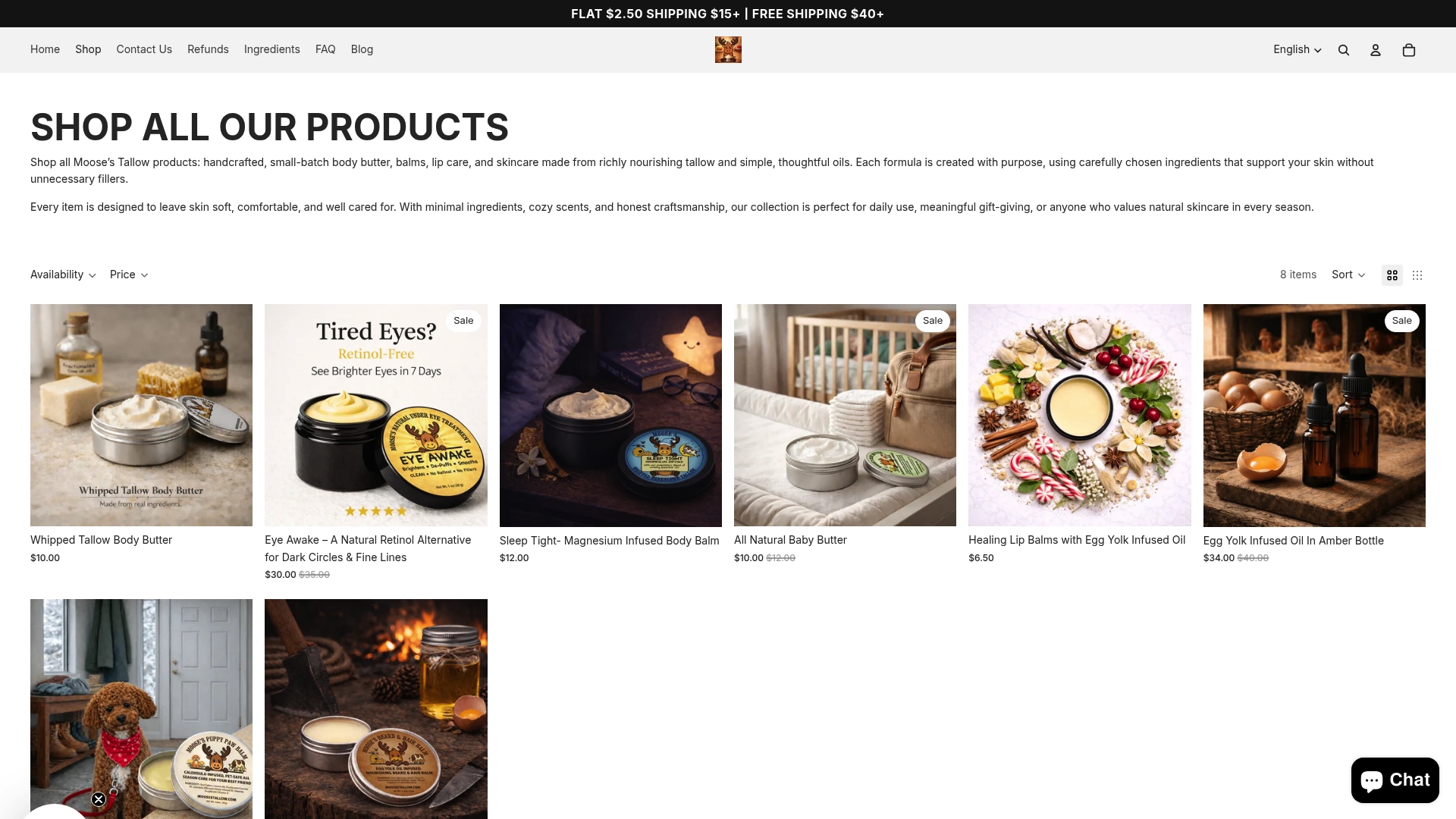
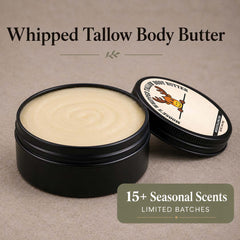
From whipped beef tallow lotion that melts into skin without greasiness to all natural baby butter gentle enough for the littlest ones, each product is designed with warmth, comfort, and trust in mind. Explore featured beef tallow items and discover clean, nourishing skincare crafted with care and expertise that honors old-world traditions while serving modern needs.
FAQ
What is nourishing skincare and why is beef tallow effective?
Nourishing skincare deeply hydrates and repairs the skin barrier, restoring moisture balance and protecting against environmental damage. Beef tallow is effective due to its fatty acids and vitamins which support these functions by mimicking skin lipids. It improves moisture retention and overall skin health naturally.
Is beef tallow safe for sensitive or acne-prone skin?
Beef tallow can be safe for sensitive skin if patch tested and used sparingly. Tallow may clog pores in acne-prone or oily skin, with a comedogenic rating of 2 to 3, so caution is advised for such skin types. Start slowly and monitor your skin’s response.
How should I apply beef tallow skincare products for best results?
Apply a small amount of tallow onto slightly damp skin to enhance absorption and prevent heaviness. Warm it between your palms first, then press gently into skin. Avoid heavy or thick layers to prevent greasy feel and potential clogged pores.
Why is sourcing important when choosing beef tallow skincare?
Sourcing influences vitamin content, purity, and likelihood of irritation. Only properly rendered cosmetic-grade tallow is safe and effective; culinary or poorly processed tallow may cause irritation or degrade quickly. Proper rendering and grass-fed origins ensure safer, more effective tallow products.
How does beef tallow skincare compare to conventional moisturizers?
Tallow offers natural skin lipids with vitamins unlike many synthetic moisturizers that rely on lab-formulated compounds. It may provide better hydration and barrier support but has higher risk of pore clogging for some skin types. Choose based on your skin’s specific needs and sensitivities.
Recommended
- The Benefits of Tallow Skincare for Your Natural Routine – Moose’s Tallow
- How to Store Tallow Skincare Products Naturally for Best Results – Moose’s Tallow
- Tallow vs Plant Oils: 22% Better Hydration for Your Skin – Moose’s Tallow
- Benefits of Tallow for Babies: 30% Better Hydration & Protection – Moose’s Tallow


0 comments