

Muchos padres evitan el sebo en la piel de su bebé por miedo a que sea grasoso o cause irritación. Pero el perfil de ácidos grasos del sebo es similar al sebo natural de la piel infantil, lo que lo hace muy compatible y suave. Este artículo explica por qué el sebo destaca como humectante natural para bebés, cómo se compara con alternativas como el aceite de coco y la manteca de karité, y qué criterios te ayudan a elegir el producto adecuado para la piel delicada de tu pequeño.
Índice de contenidos
- Cómo elegir el cuidado de la piel adecuado para tu bebé: criterios clave
- Conocer el sebo: composición y compatibilidad con la piel
- Apoyo y protección de la barrera cutánea con sebo
- Comparar el sebo con otros humectantes naturales para bebés
- Consideraciones de seguridad y alergias en bebés
- Consejos de aplicación para padres: cómo usar el sebo de forma segura y eficaz
- Comparación resumida y recomendaciones según la situación
- Descubre Moose’s Tallow: soluciones naturales para el cuidado de la piel del bebé
Puntos clave
| Punto | Detalles |
|---|---|
| Compatibilidad con la piel | El perfil de ácidos grasos del sebo es similar al sebo de la piel infantil, lo que ayuda a hidratar en profundidad. |
| Apoyo a la barrera | El uso regular apoya la barrera cutánea y ayuda a la piel a retener la humedad. |
| Vitaminas naturales | El sebo es naturalmente rico en vitaminas A, D, E y K para la piel, que nutren y protegen. |
| Bajo riesgo de alergia | El sebo bien procesado se considera de bajo riesgo alérgico, más suave que muchos aceites vegetales. |
| Absorción fácil | En comparación con el aceite de coco y la manteca de karité, el sebo suele absorberse bien y dejar menos residuo. |
Cómo elegir el cuidado de la piel adecuado para tu bebé: criterios clave
Elegir un humectante para tu bebé requiere pensarlo bien. La piel infantil es más delgada y permeable que la del adulto, lo que la hace vulnerable a los irritantes y a la pérdida de humedad. Quieres un producto que equilibre seguridad, eficacia y suavidad.
La compatibilidad con la piel y la sensibilidad son fundamentales. La barrera cutánea de tu bebé aún se está formando, así que los ingredientes deben apoyar ese proceso natural, no alterarlo. Los humectantes deben hidratar en profundidad y reforzar la barrera para ayudar a proteger frente a los factores ambientales.
La pureza de los ingredientes importa. Los productos con ingredientes mínimos y reconocibles reducen el riesgo de reacciones alérgicas y sensibilización. Las fragancias sintéticas, los conservadores y los colorantes pueden provocar irritación en la piel sensible del bebé. Los productos a base de sebo con pocos ingredientes pueden ayudar a reducir el riesgo de irritación frente a muchas lociones sintéticas.
La textura influye en el uso. Un humectante que se absorbe bien y sin grasa facilita la aplicación y mantiene cómodo a tu bebé. Nadie quiere residuos que se peguen a la ropa o la ropa de cama.
La transparencia de la marca genera confianza. Busca empresas que informen sobre el origen, los métodos de procesamiento y las pruebas. Las reseñas de otros padres ofrecen una visión real del desempeño y la seguridad del producto. Cuando elijas un humectante de sebo de forma natural, prioriza las marcas que comparten la lista completa de ingredientes y sus prácticas de fabricación.
Consejo: siempre haz una prueba de parche aplicando un poco en la cara interna del brazo de tu bebé y esperando 24 horas antes de la aplicación completa.
Conocer el sebo: composición y compatibilidad con la piel
El sebo es grasa de res procesada que se ha usado para el cuidado de la piel durante siglos. El procesamiento moderno elimina las impurezas y conserva los ácidos grasos y las vitaminas beneficiosas que hacen que el sebo sea ideal para la piel infantil.
El perfil de ácidos grasos del sebo de res es similar al sebo humano, lo que favorece una hidratación profunda sin residuo pesado. Es rico en ácido oleico, una grasa monoinsaturada que se absorbe fácilmente en la piel, junto con grasas saturadas como el palmítico y el esteárico, que aportan estructura y estabilidad.
Las vitaminas presentes de forma natural distinguen al sebo de muchas alternativas vegetales. Las vitaminas A, D, E y K son nutrientes liposolubles valorados tradicionalmente por cuidar la piel y ayudar a protegerla del estrés ambiental. Estas vitaminas están presentes en el sebo en formas que la piel puede aprovechar con facilidad.
El sebo procesado de forma moderna suele absorberse bien, lo que desmiente el mito de que las grasas animales quedan pesadas sobre la piel. El sebo bien procesado tiene una textura suave y cremosa que se derrite al contacto con el calor corporal. Se extiende con facilidad y se absorbe en la capa externa de la piel sin dejar una película grasosa pesada.
“Se ha confiado en el sebo durante generaciones porque trabaja con la biología natural de tu piel, no en su contra.”
Los beneficios del cuidado de la piel con sebo son para todas las edades, pero resultan especialmente valiosos para los bebés cuya barrera cutánea aún está madurando. Esta compatibilidad biológica hace del sebo una opción bien pensada para los padres que buscan una hidratación natural y eficaz, fiel a la sabiduría tradicional sobre este ingrediente de eficacia comprobada.
Apoyo y protección de la barrera cutánea con sebo
La barrera cutánea de tu bebé es la primera línea de defensa frente a irritantes, alérgenos y pérdida de humedad. Una barrera fuerte mantiene la piel hidratada, cómoda y resistente. El sebo aporta los lípidos que ayudan a formar y mantener esta capa protectora.
El sebo ayuda a la piel a retener la humedad, lo que favorece la hidratación de la piel infantil. Así, la piel de tu bebé puede mantenerse más suave y flexible durante todo el día, con menos sequedad, descamación y molestias.
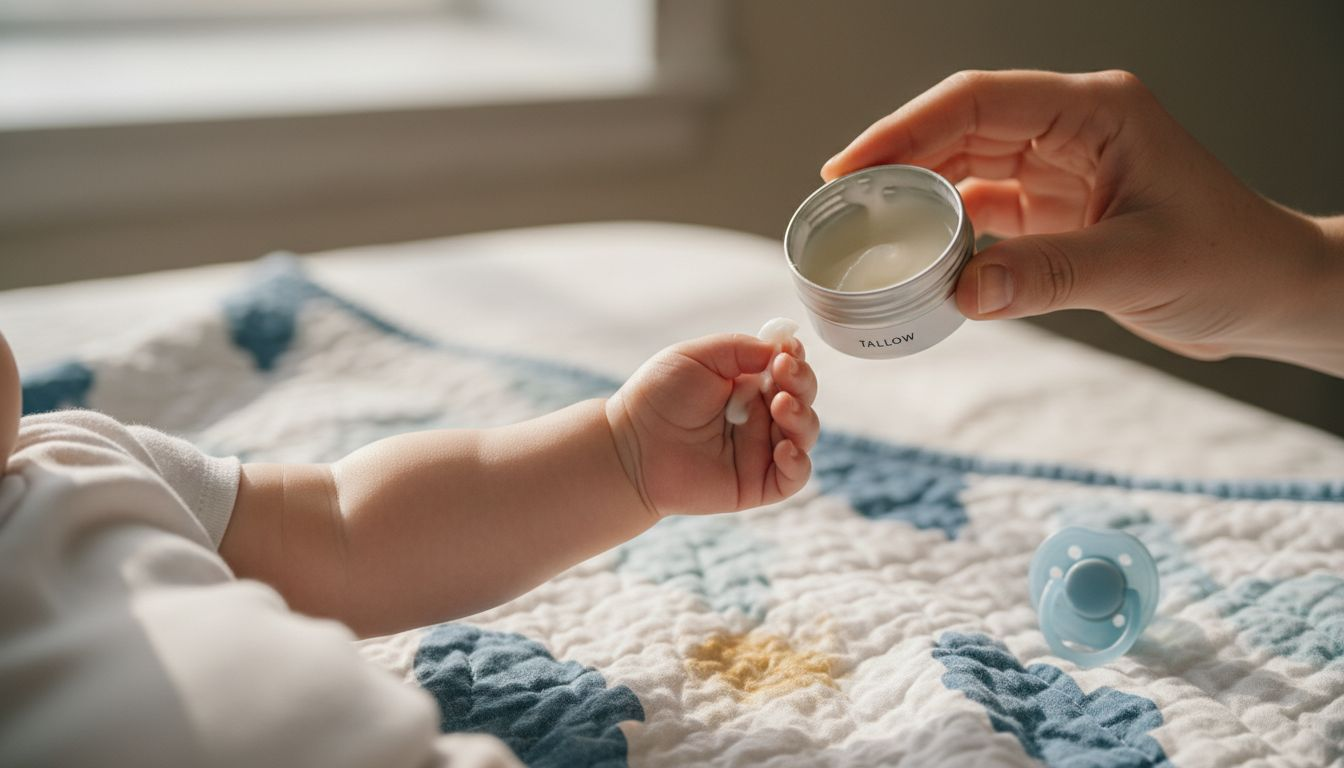
Los ácidos grasos del sebo ayudan a reponer los lípidos que mantienen unidas las células de la piel. Piensa en esos lípidos como el mortero entre los ladrillos. Sin suficientes lípidos, la barrera se debilita y deja que los irritantes penetren y que la humedad se escape. El sebo aporta el tipo de lípidos que la piel en desarrollo necesita para mantenerse intacta.
Retener la humedad ayuda a proteger frente a problemas comunes de la piel infantil, como las rozaduras del pañal, la costra láctea y la sequedad general. Cuando la piel está bien hidratada, resiste mejor la fricción, los cambios de temperatura y el contacto con irritantes. El uso regular de sebo apoya este sistema natural de defensa.
La salud de la piel a largo plazo se beneficia de un apoyo temprano a la barrera. Ayudar a los bebés a mantener una barrera cutánea sana y cómoda es una buena base para una piel resistente. Usar sebo para aliviar la piel seca sienta las bases de una piel suave y sana a medida que tu hijo crece.
Consejo: aplica el sebo justo después del baño, cuando la piel aún está un poco húmeda, para sellar la máxima humedad.
Comparar el sebo con otros humectantes naturales para bebés
Los padres tienen muchas opciones de humectantes naturales. Entender cómo se compara el sebo con el aceite de coco, la manteca de karité y las lociones comerciales te ayuda a elegir con información.
| Humectante | Absorción | Coincidencia de ácidos grasos | Vitaminas naturales | Riesgo de alergia |
|---|---|---|---|---|
| Sebo | Rápida | Excelente | A, D, E, K | Muy bajo |
| Aceite de coco | Moderada | Moderada | Solo E | Bajo a moderado |
| Manteca de karité | Lenta | Moderada | A, E | Bajo |
| Loción comercial | Variable | Baja | Aditivos sintéticos | Moderado a alto |
La absorción importa en el uso diario. El sebo suele absorberse rápido sin dejar mucho residuo. El aceite de coco a menudo se absorbe más lento y puede sentirse grasoso en la piel del bebé. La manteca de karité puede quedar aún más pesada, lo que puede resultar incómodo para los bebés y mancharse en la ropa.
El perfil de ácidos grasos determina qué tan bien se integra un humectante con los aceites naturales de la piel de tu bebé. La composición del sebo es más parecida al sebo de la piel que la de la mayoría de los aceites vegetales, así que encaja bien a nivel biológico. El aceite de coco tiene mucho ácido láurico, que tiene propiedades antimicrobianas pero no coincide tan de cerca con los lípidos de la piel.
El contenido natural de vitaminas suma valor. El sebo contiene cuatro vitaminas liposolubles que ayudan a nutrir y proteger la piel. El aceite de coco y la manteca de karité ofrecen menos vitaminas, y las lociones comerciales suelen depender de aditivos sintéticos en lugar de nutrientes naturales.
Los riesgos de alergia varían. El sebo bien procesado se considera de bajo riesgo alérgico, lo que lo hace más suave que muchos aceites vegetales. Las alergias al coco, aunque poco comunes, existen. Algunos bebés reaccionan a la manteca de karité o a las fragancias y conservadores sintéticos de los productos comerciales. Al comparar el sebo y el aceite de coco, el sebo suele mostrar buena compatibilidad y suavidad para la piel sensible del bebé.
Consejo: si tu bebé tiene alergias alimentarias, consulta a tu pediatra antes de introducir cualquier producto tópico nuevo, incluidos los aceites vegetales.
Consideraciones de seguridad y alergias en bebés
La seguridad es la principal prioridad de todo padre al elegir el cuidado de la piel de su bebé. La larga historia y la composición simple del sebo lo convierten en uno de los humectantes naturales más suaves disponibles.
El sebo bien procesado se considera de bajo riesgo alérgico, lo que lo hace una opción suave para el uso en bebés. Esto se debe al proceso de fundido, que elimina la mayoría de las proteínas que suelen provocar reacciones alérgicas. Lo que queda es sobre todo grasa, vitaminas y ácidos grasos que la piel tiende a reconocer y aceptar.
Muchos padres reportan mejoras en la piel propensa al eccema al cambiar a productos a base de sebo. Los lípidos del sebo que apoyan la barrera pueden ayudar a calmar y aliviar la piel irritada y reducir más irritación. Como siempre, consulta a tu pediatra ante cualquier problema de piel persistente.
El origen importa. Elige sebo de productores de confianza que usen res alimentada con pasto y lo procesen en lotes pequeños. Evita productos con rellenos desconocidos o sintéticos, que pueden reintroducir el riesgo de irritación. La transparencia sobre los ingredientes y el procesamiento genera confianza en la seguridad del producto.
La prueba de parche sigue siendo una precaución inteligente. Aplica un poco de sebo en la cara interna del antebrazo de tu bebé y observa durante 24 horas. Si no aparece enrojecimiento, hinchazón ni irritación, el producto suele ser seguro para un uso más amplio. Este paso sencillo detecta la rara sensibilidad antes de que sea un problema.
Lee reseñas y haz preguntas. Los padres que ya usaron un producto pueden compartir experiencias reales sobre seguridad y eficacia. Las marcas que se relacionan con sus clientes y responden con transparencia demuestran su compromiso con la seguridad. Conocer los mitos sobre el cuidado de la piel con sebo ayuda a separar la realidad de la ficción y te da confianza en tu elección.
Consejos de aplicación para padres: cómo usar el sebo de forma segura y eficaz
Una buena aplicación te ayuda a aprovechar al máximo el sebo y mantiene cómodo a tu bebé. Sigue estos pasos para obtener los mejores resultados.
- Calienta un poco entre tus manos. El sebo se ablanda con el calor corporal, lo que facilita extenderlo. Empieza con una cantidad del tamaño de un chícharo y añade más si hace falta.
- Aplica después del baño, cuando la piel está más receptiva. La piel húmeda absorbe mejor los humectantes. Seca a tu bebé con toques suaves, dejando la piel un poco húmeda, y luego aplica el sebo con delicadeza.
- Usa una frecuencia moderada para no dejar la piel demasiado grasosa. Una o dos veces al día suele ser suficiente. Ajusta según el estado de la piel de tu bebé y el clima.
- Concéntrate en las zonas secas o irritadas. Los puntos problemáticos habituales son las mejillas, los codos, las rodillas y la zona del pañal. El sebo ayuda a calmar y proteger estas zonas delicadas.
- Guarda los productos correctamente para conservar su pureza. Guarda el sebo en un lugar fresco y seco, lejos de la luz solar directa. Seguir bien cómo guardar los productos de cuidado de la piel con sebo mantiene su frescura.
Consejo: si el sebo te resulta demasiado rico para el día, aplícalo por la noche como tratamiento intensivo mientras tu bebé duerme.
Haz una prueba de parche antes del primer uso. Así identificas cualquier sensibilidad poco común y te quedas tranquilo. Una vez superada, el sebo se vuelve un aliado fiable y versátil en la rutina de cuidado de tu bebé.
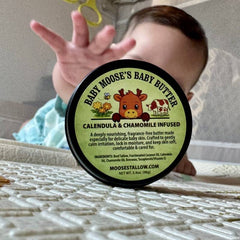
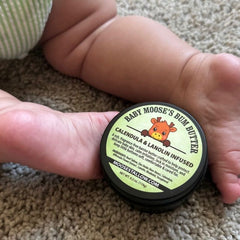
La constancia importa. El uso regular ayuda a formar y mantener la salud de la barrera cutánea con el tiempo. Muchos padres notan una piel más suave y resistente a los pocos días de empezar con el sebo. Muchos también descubren que pueden elegir el sebo en lugar de las cremas para todas las necesidades de hidratación de su bebé, simplificando la rutina y mejorando la comodidad. Para un producto formulado específicamente para bebés, prueba la manteca de sebo para bebé totalmente natural, pensada para la piel sensible.
Comparación resumida y recomendaciones según la situación
Elegir el humectante adecuado depende de las necesidades específicas de la piel de tu bebé. Esta tabla resume las diferencias clave para guiar tu decisión.
| Factor | Sebo | Aceite de coco | Manteca de karité | Loción comercial |
|---|---|---|---|---|
| Velocidad de absorción | Rápida | Moderada | Lenta | Variable |
| Apoyo a la barrera | Excelente | Bueno | Bueno | Variable |
| Riesgo de alergia | Muy bajo | Bajo a moderado | Bajo | Moderado a alto |
| Textura | Ligera, no grasosa | Puede ser grasosa | Pesada | Variable |
| Vitaminas naturales | A, D, E, K | Solo E | A, E | Sintéticas |
Para bebés con piel seca o sensible, el sebo es una opción maravillosa. Su perfil de ácidos grasos y su contenido de vitaminas brindan hidratación profunda y apoyo a la barrera sin dejar de ser suave. Los padres que buscan una absorción fácil y una textura no grasosa apreciarán cómo el sebo se funde en la piel.
Si tu bebé tiene piel sensible a las alergias, el bajo riesgo alérgico del sebo lo hace una opción suave. Evita productos con fragancias o conservadores sintéticos que aumentan el riesgo de reacción. Los ingredientes simples y puros son lo mejor para la piel delicada.
El aceite de coco funciona bien para bebés que necesitan beneficios antimicrobianos, como los propensos a rozaduras del pañal por hongos. Sin embargo, su absorción más lenta y su tacto más grasoso lo hacen menos ideal para el uso diario general. La manteca de karité conviene a los bebés que toleran texturas más pesadas y necesitan humedad intensa para zonas muy secas.
Las lociones comerciales varían mucho en calidad y seguridad. Muchas contienen aditivos sintéticos que aportan poco beneficio y pueden causar irritación. Si eliges un producto comercial, lee con cuidado la lista de ingredientes y prioriza los que tienen componentes mínimos y naturales.
Probar y observar ayuda a personalizar tu elección. La piel de cada bebé es única. Empieza con cantidades pequeñas, observa cómo responde la piel de tu bebé y ajusta según haga falta. Muchos padres descubren que la combinación de suavidad, eficacia y facilidad de uso del sebo lo convierte en su humectante de referencia para el cuidado de la piel del bebé.
Descubre Moose’s Tallow: soluciones naturales para el cuidado de la piel del bebé
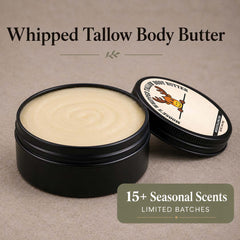
Moose’s Tallow ofrece productos de sebo puros y con pocos ingredientes, elaborados pensando en la piel del bebé. Nuestras fórmulas priorizan la suavidad, la absorción fácil y el apoyo a la barrera cutánea, para que tengas confianza en lo que aplicas a tu pequeño. Explora nuestros productos destacados de sebo de res para encontrar el adecuado para las necesidades de tu bebé. Nuestra manteca para bebé totalmente natural está pensada para la piel sensible del bebé, y combina sebo de res alimentada con pasto con aceites bien elegidos para una hidratación suave y eficaz. Visita nuestro blog para aprender a elegir un humectante de sebo y tomar decisiones informadas. Compra con confianza soluciones naturales para el cuidado de la piel del bebé que nutren, protegen y dan comodidad a tu rutina diaria.
Preguntas frecuentes
¿Qué es el sebo y por qué es bueno para la piel del bebé?
El sebo es grasa de res procesada, naturalmente rica en ácidos grasos y vitaminas amables con la piel. Hidrata en profundidad, apoya la función de barrera de la piel y suele absorberse bien sin dejar mucha grasa, lo que lo hace ideal para la piel delicada del bebé.
¿Es seguro usar sebo en recién nacidos y bebés?
El sebo bien procesado se considera de bajo riesgo alérgico. La prueba de parche y elegir marcas de confianza con pocos aditivos ayudan a garantizar un uso suave en bebés. Para recién nacidos, consulta primero a tu pediatra.
¿Cómo se compara el sebo con el aceite de coco y la manteca de karité para el cuidado de la piel del bebé?
El sebo suele absorberse bien e iguala los aceites naturales de la piel más de cerca que el aceite de coco o la manteca de karité. Además, en general tiene bajo riesgo alérgico y es rico en vitaminas naturales, lo que lo hace una opción suave para la piel sensible del bebé.
¿Cuál es la mejor forma de aplicar sebo en la piel de mi bebé?
Usa cantidades pequeñas calentadas entre tus manos y aplícalo después del baño, cuando la piel está hidratada. Evita el uso excesivo para prevenir la grasa y siempre haz una prueba de parche antes de la primera aplicación completa.
Recomendados
- Por qué elegir el sebo en lugar de las cremas para la piel sensible – Moose’s Tallow
- Por qué usar sebo para aliviar la piel seca – Moose’s Tallow
- 7 mitos sobre el cuidado de la piel con sebo que toda mamá debería dejar de creer – Moose’s Tallow
- Cómo elegir un humectante de sebo de forma natural para una piel más sana – Moose’s Tallow


0 comentarios