


En resumen:
- La caléndula y la manzanilla contienen compuestos activos con propiedades antiinflamatorias y cicatrizantes comprobadas.
- Funcionan mejor en bálsamos sin agua y en fórmulas con pocos ingredientes para la piel sensible.
- Combinar estos botánicos ofrece un método suave y eficaz para el enrojecimiento, la irritación y la recuperación de la piel.
A la caléndula y la manzanilla las descartan todo el tiempo por ser “demasiado suaves” para lograr algo real. Esa reputación es injusta. Ambos botánicos contienen compuestos activos que los investigadores clínicos han estudiado durante décadas, y los resultados son de verdad impresionantes para cualquiera que lidie con resequedad, enrojecimiento o piel reactiva. Si has pasado de largo estos ingredientes en el estante porque te parecían demasiado simples, vale la pena que les des una oportunidad. Vamos a repasar lo que dice la ciencia y cómo estas plantas pueden funcionar en algunas de las situaciones de piel más delicadas.
Puntos clave
| Punto | Detalles |
|---|---|
| Acción antiinflamatoria eficaz | La caléndula y la manzanilla calman la piel al atacar la inflamación desde su origen. |
| Favorecen la cicatrización natural | Ambos botánicos apoyan la producción de colágeno y aceleran la recuperación de la irritación. |
| Seguras para la piel sensible | Estos ingredientes son suaves, aunque quienes tengan alergia a las Asteraceae deben hacer primero una prueba de parche. |
| Apoyo integral | Combinar caléndula y manzanilla ofrece un cuidado completo para la piel reactiva y delicada. |
Qué distingue a la caléndula y la manzanilla en el cuidado natural de la piel
Sentadas las bases, es importante entender cómo la caléndula y la manzanilla destacan de verdad entre los ingredientes del cuidado natural de la piel.
La caléndula (Calendula officinalis) se ha usado en la medicina herbal durante siglos, sobre todo en las tradiciones europea y ayurvédica, para calmar la piel irritada y apoyar la recuperación de heridas. La manzanilla, por lo general la manzanilla alemana (Matricaria chamomilla), comparte una historia igual de larga como remedio habitual para la inflamación y el malestar. Lo que hace especiales a ambas plantas no es solo la tradición. Es la química.
La Calendula officinalis contiene flavonoides, triterpenoides y saponinas que aportan efectos antiinflamatorios, antimicrobianos y cicatrizantes para la piel. La manzanilla aporta su propio trío poderoso: bisabolol, camazuleno y flavonoides, que ofrecen beneficios antiinflamatorios, antioxidantes y antimicrobianos.
Esto es lo que las hace especialmente adecuadas para la piel sensible, como parte de un cuidado natural de la piel bien pensado:
- Ambas son suaves y trabajan con la barrera de tu piel en lugar de en su contra
- Sus compuestos activos son liposolubles, así que se absorben bien en bálsamos y fórmulas a base de sebo
- Son eficaces en concentraciones bajas, lo que las hace ideales para productos sin agua y en lotes pequeños
- Ninguna necesita disolventes agresivos para extraer sus beneficios
“Los mejores ingredientes para el cuidado de la piel son los que han sobrevivido siglos de uso real y luego resisten el análisis bajo el microscopio. La caléndula y la manzanilla cumplen con ambas cosas.”
Efectos antiinflamatorios y calmantes: respaldados por la ciencia
Ahora que sus cualidades únicas están claras, veamos la evidencia sólida de sus notables efectos antiinflamatorios y calmantes rápidos.
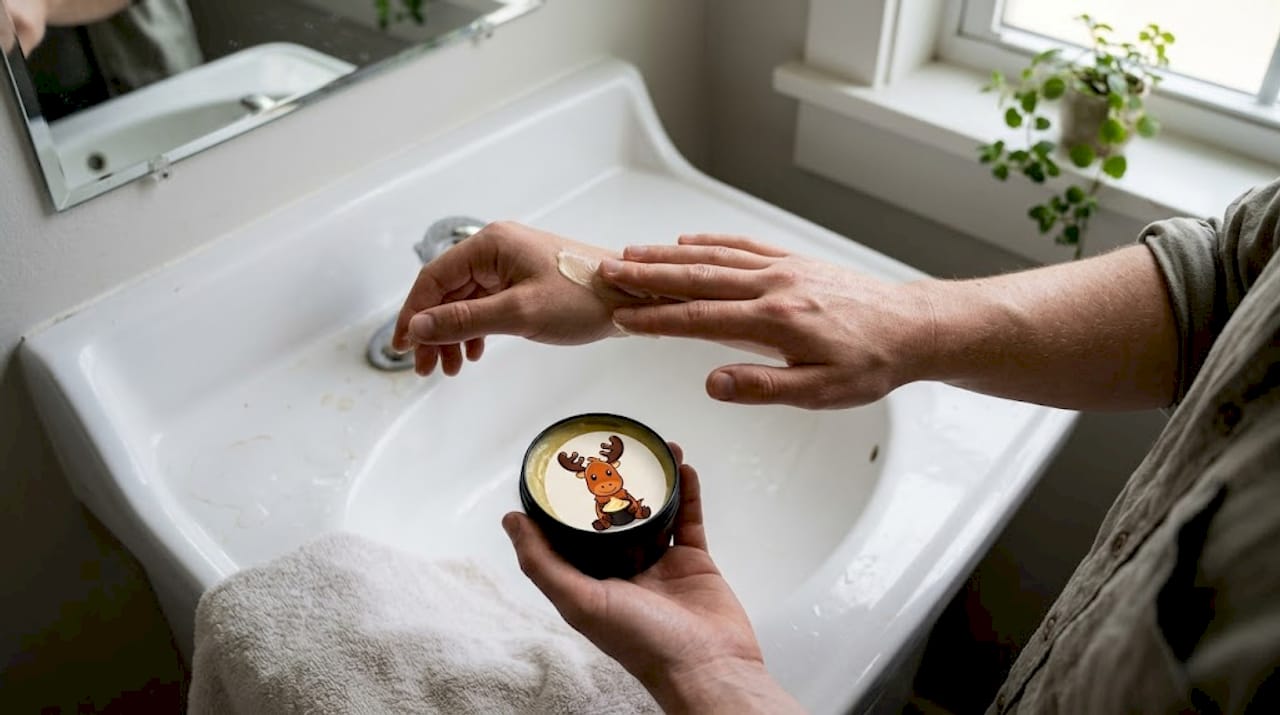
La pomada de caléndula acelera la cicatrización de las cicatrices de cesárea y las úlceras del pie diabético, y reduce la radiodermatitis, según estudios clínicos. No es un hallazgo menor. Coloca a la caléndula al nivel del cuidado de heridas de grado farmacéutico en ciertos contextos. La manzanilla está igual de estudiada: un metaanálisis de ensayos aleatorizados confirma que reduce la inflamación y el dolor, y favorece la cicatrización en afecciones de la piel y las mucosas.
| Beneficio | Caléndula | Manzanilla |
|---|---|---|
| Reduce el enrojecimiento | ✓ Fuerte | ✓ Fuerte |
| Apoya la cicatrización | ✓ Confirmado clínicamente | ✓ Confirmado en ECA |
| Acción antimicrobiana | ✓ Sí | ✓ Sí |
| Protección antioxidante | ✓ Moderada | ✓ Alta |
| Apoyo a la barrera cutánea | ✓ Sí | ✓ Sí |
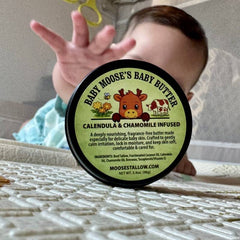
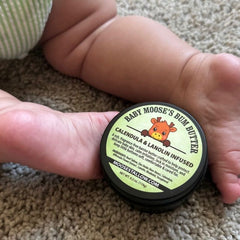
Ambos botánicos funcionan bien en fórmulas de crema a base de plantas, pero brillan de verdad en los bálsamos sin agua, donde sus compuestos liposolubles se mantienen concentrados y estables. Por eso los usamos en productos como nuestro Night Eyes Overnight Eye Balm, Baby Butter y fórmulas nutritivas de sebo. Las zonas delicadas, como el contorno de ojos, la piel del bebé y las patas de las mascotas, necesitan este tipo de cuidado suave y concentrado.
Consejo: para la piel sensible o reactiva, aplica un bálsamo de caléndula o manzanilla sobre la piel ligeramente húmeda justo después de limpiarla. La humedad ayuda a que los compuestos activos se absorban de forma más pareja y reduce la posibilidad de irritación en la superficie.
Cómo trabajan juntas la caléndula y la manzanilla para una salud integral de la piel
Con la investigación que detalla las fortalezas de cada planta, combinar caléndula y manzanilla genera resultados aún más increíbles para la piel sensible.
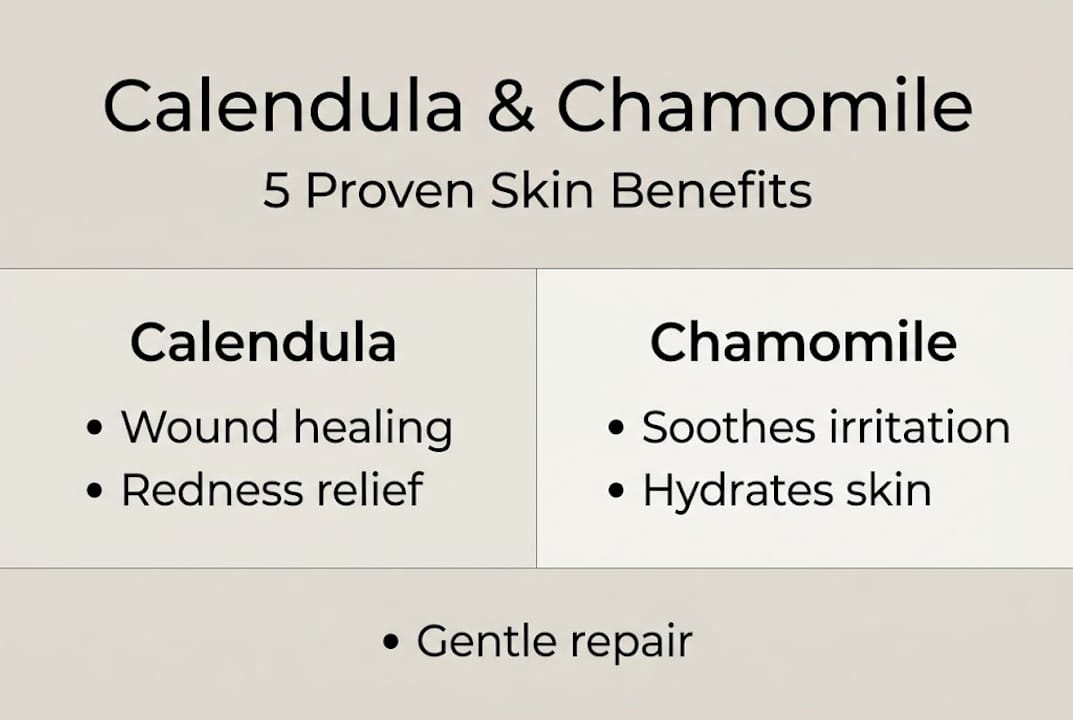
Estos dos botánicos no solo conviven en una fórmula. De verdad se complementan. La caléndula favorece la producción de colágeno y la actividad de los fibroblastos para regenerar los tejidos, mientras que la manzanilla inhibe la COX-2 y las citocinas para calmar con rapidez. Una reconstruye. La otra calma. Juntas, atienden tanto los síntomas visibles como los procesos de fondo que provocan la irritación.
| Mecanismo | Caléndula | Manzanilla |
|---|---|---|
| Acción principal | Regeneración de tejidos | Control rápido de la inflamación |
| Compuestos clave | Triterpenoides, saponinas | Bisabolol, camazuleno |
| Ideal para | Cicatrización, reparación de la barrera | Enrojecimiento, sensibilidad |
| Velocidad del efecto | Gradual, acumulativo | Acción rápida |
Esta es una forma sencilla de incorporar ambas a tu rutina diaria:
- Mañana: aplica un bálsamo ligero con manzanilla para calmar el enrojecimiento de la noche antes de empezar tu día.
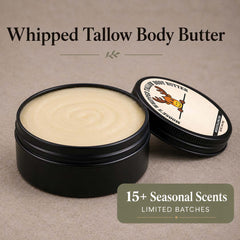
- Noche: usa una fórmula más rica con predominio de caléndula, como un bálsamo de noche para ojos o un bálsamo corporal, para apoyar la reparación de la piel mientras duermes.
- Cuando lo necesites: usa un bálsamo de caléndula y manzanilla en las zonas secas, irritadas o que necesiten atención extra.
- Cada semana: revisa tu piel con calma. Si el enrojecimiento o la resequedad mejoran, vas por buen camino. Si no, piensa si tus otros productos podrían estar interfiriendo con el trabajo de estos botánicos.
Para quienes buscan un apoyo antiedad suave sin activos agresivos, vale la pena considerar en serio esta combinación de botánicos. Y si no estás seguro de lo que ya contienen tus productos, es un buen momento para revisar los ingredientes que conviene evitar y que podrían estar contrarrestando estos beneficios.
Uso seguro, errores comunes y cómo elegir productos de calidad
Antes de sumar estos botánicos a tu rutina, es fundamental saber cómo usarlos de forma segura y eficaz.
La caléndula y la manzanilla están entre las opciones más suaves del cuidado natural de la piel, pero no están del todo libres de riesgo. Ambas pertenecen a la familia de plantas Asteraceae. Existe riesgo de alergia para quienes son sensibles a esta familia, que también incluye la ambrosía y las margaritas, aunque no se ha documentado toxicidad importante en el uso tópico.
Esto es lo que debes buscar al elegir un producto de calidad:
- Fórmulas sin agua: el agua diluye los compuestos activos. Un bálsamo o un producto a base de sebo mantiene la caléndula y la manzanilla más concentradas y eficaces.
- Listas cortas de ingredientes: menos ingredientes significa menos posibilidad de interferencia y facilita identificar qué es lo que realmente funciona.
- Transparencia: las marcas deben indicar los extractos de plantas o los aceites infusionados reales, no solo una vaga “mezcla botánica”.
- Sin fragancia sintética: es un irritante común que puede echar a perder todo lo que estos botánicos intentan hacer por la piel sensible.
Al elegir productos para la piel sensible, la formulación importa tanto como el ingrediente en sí. Nuestro Puppy Paw Nourishing Balm es un buen ejemplo de cómo una lista de ingredientes corta e intencional deja que la caléndula y la manzanilla hagan su trabajo sin interferencias.
Consejo: siempre haz una prueba de parche de un producto botánico nuevo en la parte interna de la muñeca o detrás de la oreja durante 24 horas antes de aplicarlo en el rostro u otras zonas sensibles.
Por qué los botánicos como la caléndula y la manzanilla superan las tendencias de alta tecnología para muchas personas
Si damos un paso atrás, esta es una perspectiva que falta en la mayoría de las guías de productos y las columnas de dermatología.
A la industria del cuidado de la piel le encanta una molécula nueva. Cada temporada trae un péptido nuevo, un ácido nuevo, un activo sintetizado en laboratorio que promete cambiarlo todo. Y para algunas personas, esos ingredientes de verdad ayudan. Pero para quienes tienen piel reactiva, sensible o que se altera con facilidad, la rotación constante de activos de alta potencia suele empeorar las cosas en lugar de mejorarlas.
La caléndula y la manzanilla no le piden a tu piel que se adapte a algo ajeno. Trabajan con lo que tu piel ya sabe hacer. Eso no es una limitación. Ese es el punto. La constancia con ingredientes suaves y naturalmente eficaces suele dar resultados más duraderos que perseguir la siguiente tendencia. Lo escuchamos de nuestros clientes con frecuencia. Las personas que se quedan con fórmulas simples y con protagonismo botánico suelen ver que su piel se asienta, se calma y se fortalece con el tiempo de maneras que los activos agresivos rara vez logran.
Explora opciones de cuidado de la piel naturalmente calmantes con caléndula y manzanilla
¿Listo para descubrir y experimentar de primera mano los beneficios de la caléndula y la manzanilla para la piel? En Moose’s Tallow, creamos productos como nuestro Night Eyes Overnight Eye Balm, Baby Butter y Puppy Paw Balm en torno a exactamente estos ingredientes, porque creemos en poner lo que funciona en primer plano. Nuestras fórmulas sin agua y en lotes pequeños mantienen la caléndula y la manzanilla concentradas y eficaces, sin rellenos ni atajos sintéticos. Explora nuestra línea completa de cuidado natural de la piel para encontrar lo ideal para tu piel y para las personas que más te importan.
Preguntas frecuentes
¿Se pueden usar juntas la caléndula y la manzanilla en el cuidado diario de la piel?
Sí, estos botánicos se complementan muy bien. La caléndula apoya el colágeno y la reparación de los tejidos, mientras que la manzanilla calma la inflamación con rapidez. Esto los convierte en una combinación diaria completa para la piel sensible o irritada.
¿Son seguras la caléndula y la manzanilla para todo tipo de piel?
Tienen un perfil de baja toxicidad para la mayoría de las personas. Pero por el riesgo de alergia en la familia Asteraceae, quienes son sensibles a la ambrosía o las margaritas deben hacer una prueba de parche antes de usarlas por completo.
¿Qué resultados puedo esperar de las cremas de caléndula y manzanilla?
Las personas suelen reportar menos enrojecimiento, una cicatrización más rápida y mayor comodidad en cuestión de días o semanas de uso constante. La caléndula acelera la cicatrización en entornos clínicos, y los resultados en la vida real tienden a seguir un patrón similar.
¿Es mejor usar aceites, cremas o bálsamos con estos botánicos?
Los bálsamos y las cremas sin agua suelen brindar los beneficios más concentrados. El bisabolol y el camazuleno de la manzanilla son liposolubles, así que se absorben mejor en fórmulas ricas a base de aceite que en lociones con mucha agua.
Recomendado
- Bakuchiol para la piel: una alternativa natural al retinol que funciona – Moose’s Tallow
- Sebo vs protectores solares a base de agua: lo que tu piel necesita – Moose’s Tallow
- Por qué los bálsamos artesanales para mascotas transforman el cuidado natural de la piel – Moose’s Tallow
- El cuidado natural de la piel explicado: beneficios para la piel sensible – Moose’s Tallow
- Suplementos de belleza: 3 tipos de colágeno con beneficios comprobados


0 comentarios