

Most body odor can be reduced naturally by targeting bacteria and moisture where sweat collects, not by masking the whole body. Sweat itself barely smells. Odor forms when skin bacteria break down sweat into other compounds. Two moves help fast: clean and dry odor-prone spots after activity, then apply a gentle natural deodorant or magnesium balm at night. If odor turns sudden or severe, or comes with other symptoms, talk to a doctor.
TL;DR:
- Target bacteria and moisture in specific odor-prone areas by thoroughly cleaning and drying after sweat, avoiding full-body scrubbing with harsh products.
- Use targeted, gentle treatments like magnesium balm or apple cider vinegar on clean, dry skin at night to effectively reduce odor without disrupting skin balance.
- Maintain clothing hygiene by choosing breathable fabrics, washing workout clothes immediately, and rotating footwear to allow proper drying, especially in areas with hair or heavy sweating.
- Small dietary adjustments, such as reducing garlic, onions, and red meat, along with hydration and probiotics, may help manage microbiome-related odor but are not standalone solutions.
- Seek medical advice if body odor suddenly worsens, persists despite hygiene efforts, or is accompanied by other symptoms indicating possible systemic health issues.
How body odor forms: sweat, glands, and skin bacteria
Sweat is mostly odorless. The smell shows up once bacteria on your skin break sweat down into other, smellier compounds, according to dermatologist guidance on whole-body deodorant. That single fact changes how you should think about odor control. You are not fighting sweat. You are managing bacteria and the conditions they love.
Two types of sweat glands matter here. Eccrine glands cover most of your body and produce thin, watery sweat for cooling. Apocrine glands sit in hair-bearing areas like the armpits and groin, and their secretions are thicker and more linked to odor once bacteria get to work on them. That is why odor concentrates in a few predictable spots instead of spreading evenly.
This is also why random product overuse misses the point. Scrubbing your whole body with harsh soap, or spraying deodorant everywhere, does not solve much if the real issue is bacteria breaking down secretions in a few specific areas. Dermatology guidance actually warns against applying whole-body deodorant products to sensitive areas, and recommends targeted application only where odor starts. A smarter approach is narrower: keep the apocrine-heavy zones clean and dry, and let the rest of your skin alone. That is the foundation for every remedy in this article, from hygiene habits to topical treatments to diet.

Daily hygiene, clothing choices, and simple habits that cut odor
Good odor control starts with habits, not products. Showering after you sweat heavily, and specifically cleansing odor-prone areas, helps remove the bacteria responsible for smell, according to Harvard Health’s overview of body odor. You do not need to scrub your entire body daily. Harsh, frequent full-body washing can strip your skin barrier and leave it dry and irritated, which creates its own problems.
Drying matters as much as washing. Bacteria thrive in damp, warm folds of skin. After a shower or a sweaty day, dry underarms, groin, and feet fully before dressing. A clean towel helps, and a hair dryer on a cool setting works well for feet or groin skin that stays damp longer.
Clothing choices make a real difference too:
- Choose breathable fabrics like cotton for everyday wear.
- Switch to moisture-wicking fabric for workouts and exercise.
- Wash exercise clothes after every single use, not every few wears.
- Rotate shoes so each pair has time to dry out fully.
- Wear breathable socks and change them if your feet sweat heavily.
Hair in the armpits traps sweat and gives bacteria more surface area to work with. Trimming or shaving that hair can reduce how much sweat lingers there. None of these steps require special products. They just require consistency.
Pro Tip: Keep a spare pair of socks and a small towel in your bag if you sweat heavily during the day. Drying off midday beats waiting until you get home.
Natural topical remedies: what works, how to use it, and safety notes
Before trying anything new on your skin, patch test it first. Apply a small amount to a small area, wait a day, and watch for redness or irritation. Change one thing at a time, so you know what is actually working.
- Baking soda. A short-contact, diluted paste can help absorb odor for some people, but it is alkaline and can irritate sensitive underarm skin. Stop immediately if you notice redness, itching, or a rash.
- Apple cider vinegar or lemon juice. The acidity can reduce surface bacteria, but both can sting broken or freshly shaved skin. Never apply either to irritated or broken skin.
- Green tea or witch hazel. Both work as mild, gentler options for a wipe or compress and tend to be easier on sensitive skin than vinegar or baking soda.
- Magnesium-containing balms. These are one of the gentler nightly options, especially for sensitive skin. Apply to clean, dry underarms before bed so the product has time to work while sweat production slows overnight, an approach that lines up with Mayo Clinic’s guidance on nighttime application for improving how well topical products perform.
- Tea tree oil and turmeric. Both have antifungal and antibacterial properties, but always dilute tea tree oil before applying it to skin. Turmeric can stain both clothing and skin, so use it carefully and sparingly.
One more caution: do not overload your skin with harsh antimicrobials. Constantly hitting your armpits with strong acids or antibacterial agents can disrupt the normal bacterial balance on your skin, which sometimes makes things worse, not better. Focus on targeted, moderate application right where odor starts, not blanket coverage.
Pro Tip: If a remedy stings, burns, or leaves your skin red for more than a few hours, stop using it and give your skin a break before trying something else. For more on choosing a formula that will not irritate sensitive underarm skin, see this breakdown of magnesium deodorant balm advantages for sensitive skin.
Diet, hydration, and the microbiome: foods and habits that influence odor
What you eat can shift how you smell, though the effect varies from person to person. Research connects body odor to both skin and gut microbiota, and suggests that diet, hygiene, and microbiome-focused habits may ease odor for some people, according to a review of body odor and microbiota. That same review is honest about the limits: there is no universal fix, and a layered approach works better than any single change.
A few modest dietary steps are worth trying:
- Cut back on high-sulfur foods like garlic and onions rather than eliminating them entirely.
- Scale back strong spices and very large portions of red meat if you notice a pattern.
- Drink enough water and keep regular bowel habits, since this helps clear metabolic byproducts.
- Try probiotics or fermented foods as a low-risk experiment, since they may help shift gut bacteria for some people.
Keep your expectations realistic here. Diet can be one piece of the puzzle, but it is not a guaranteed fix on its own. Pair small dietary changes with the hygiene and topical steps above rather than expecting food alone to solve stubborn odor.
When to see a doctor: red flags and what to expect from an evaluation
Most body odor responds to the steps above, but some cases point to something more. Watch for sudden onset, an unusually strong or unfamiliar odor, unexplained weight loss, fatigue, or other symptoms that show up alongside the smell.
Clinical reviewers note that frequent washing does not solve every case of malodor, and that doctors sometimes investigate systemic causes such as liver or kidney dysfunction, trimethylaminuria, or chronic infections when odor persists despite good hygiene, according to the same review of body odor and microbiota. If you see a doctor, come prepared. Describe when the odor started, what triggers it, which remedies you have tried, and any other symptoms you have noticed.
Founder and product guidance from Moose’s Tallow
I started Moose’s Tallow after a health scare sent me back to my own bathroom cabinet. I picked up a lotion bottle, read the label, and counted 52 ingredients. Water was the first one listed. That moment changed how I think about skincare, including deodorant.
Every product we make starts with properly rendered local beef suet tallow, chosen because its fatty-acid profile sits close to your skin’s own oils. We keep our formulas water-free and lightly diluted, and every ingredient earns its place. Nothing goes in as filler.
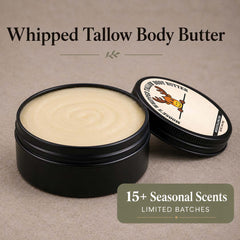
We offer deodorant balm and magnesium-infused body butter that fit into a gentle, natural odor-control routine. Apply either to clean, dry skin, ideally at night, and always patch-test a new product before regular use. Keep balm away from mucous membranes and broken skin. Everything is made in small batches, and orders carry a satisfaction guarantee to encourage trying simpler solutions.
Natural deodorant product options and effectiveness
Natural deodorants vary widely in what they contain and how they perform. Some rely on baking soda, which some people find effective but which can irritate sensitive underarm skin over time. Others use mineral salts, essential oils, or magnesium as gentler alternatives.
Effectiveness comes down to fit. A formula that suits dry or sensitive skin might do little for someone with heavier daily sweat, and the reverse is also true. This is why patch testing matters more with natural deodorants than with conventional antiperspirants. You are looking for a formula that controls odor without leaving your skin irritated or reactive.
Look for water-free, minimally diluted formulas built on ingredients your skin already recognizes, rather than long lists of fillers and synthetic additives. A collection of aluminum-free deodorant options built this way gives you a starting point without guesswork over what is actually in the balm. If you are moving away from baking-soda formulas specifically because of irritation, this guide on baking soda free deodorant options is worth a look before you buy.

A simple four-week routine worth trying
Give this a month before judging results. Week one: fix hygiene and clothing habits first, nothing else. Week two: add one topical, a magnesium balm or deodorant balm, applied at night. Week three: make one mild diet tweak. Week four: review what changed.
Track triggers, timing, and any skin reactions as you go. Stop a step immediately if your skin reacts poorly, and see a doctor if odor turns severe or sudden.
— Brian Smith
A practical next step for your routine
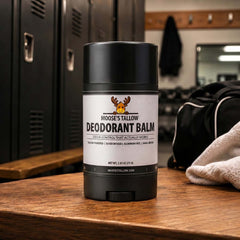
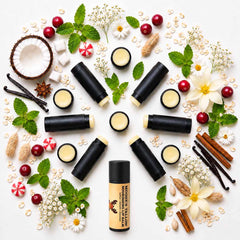
If you want a straightforward place to start, our Aluminum-Free Natural Deodorant Tallow Balm is built for daily, targeted use on clean, dry skin. For a lighter scent option, the Forest Falls Deodorant uses the same water-free, tallow-based approach.
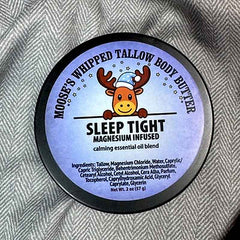
For nighttime care, our Sleep Tight Magnesium Body Butter pairs magnesium with tallow and fractionated coconut oil, our preferred carrier oil for its stability and easy absorption, for a gentle routine you apply before bed. Patch-test any new balm first, and apply to clean, dry skin for the best experience.
Products are handmade in small batches and backed by a satisfaction guarantee. Browse our full range of tallow-based body care to find the fit that works for your skin.
This article is general information, not a substitute for advice from a qualified doctor. Consult a qualified healthcare professional about your own circumstances before acting on anything here.
Sources
- Should I use whole-body deodorant? — American Academy of Dermatology
- What’s that smell? Get rid of body odor — Harvard Health
- Body odour: the role of microbiota — PMC review
- Sweating and body odor — Mayo Clinic
FAQ
What vitamin gets rid of body odor?
No vitamin eliminates body odor on its own. Magnesium is often used topically in balms as part of a gentle nightly routine rather than taken as an odor cure.
Why do my armpits still smell after I shower?
Showering removes surface bacteria, but odor returns once new sweat mixes with any bacteria left behind, especially in damp, unshaved underarm skin. Drying fully and applying a targeted deodorant afterward helps close that gap.
How can I stop my armpits from smelling so much?
Focus on drying the area completely after washing, then apply a natural deodorant or magnesium balm to clean, dry skin, ideally at night. Breathable clothing and trimmed underarm hair also reduce how much sweat and bacteria build up during the day.
How can I get rid of severe body odor?
Start with consistent hygiene, drying, and a targeted natural topical, since these address most everyday odor. If odor is sudden, unusually strong, or comes with other symptoms, see a doctor, since clinical reviews note that persistent odor can sometimes point to an underlying medical cause.
0 comentarios