

TL;DR:
- La loción de sebo es un humectante simple hecho de grasa de res purificada con muy pocos ingredientes.
- Hidrata en profundidad, pero puede no ser ideal para pieles grasas o sensibles por su potencial para tapar los poros.
- El almacenamiento correcto, la prueba de parche y el uso prudente son esenciales para un cuidado de la piel con sebo seguro y eficaz.
Si alguna vez te has parado en el pasillo de cuidado de la piel sintiéndote abrumado por listas de ingredientes llenas de cosas que no puedes ni pronunciar, no estás solo. Cada vez más padres y dueños de mascotas recurren a alternativas más simples y antiguas, y la loción de sebo se está convirtiendo, sin hacer ruido, en una de las opciones más comentadas. Hecha de grasa de res fundida, es de lo más sencillo que hay en el cuidado de la piel. Esta guía te explica qué es la loción de sebo, cómo hacerla de forma segura, a qué prestar atención y cómo saber si de verdad está funcionando para tu piel o la de tu familia.
Puntos clave
| Punto | Detalles |
|---|---|
| Conceptos básicos de la loción de sebo | La loción de sebo es un humectante simple y natural, pero no le queda bien a todos. |
| La seguridad de los ingredientes importa | Siempre considera las sensibilidades, las necesidades de conservación y usar herramientas limpias al hacer o comprar loción de sebo. |
| Haz una prueba de parche antes de usarla | Pruébala en una zona pequeña de la piel, sobre todo en bebés, mascotas o personas con piel sensible o problemática. |
| La calidad y el almacenamiento son clave | Las lociones caseras necesitan un almacenamiento adecuado y, si llevan agua, un conservador para mantenerse seguras. |
¿Qué es la loción de sebo y por qué es tan popular?
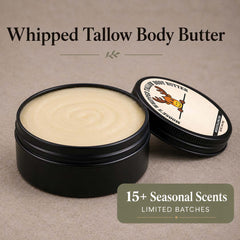
La loción de sebo es justo lo que su nombre indica: un humectante construido alrededor de la grasa de res purificada como ingrediente principal. Quienes la adoran destacan su simplicidad. No hay emulsionantes sintéticos, ni conservadores misteriosos, ni largas listas de ingredientes que descifrar. Puedes conocer más sobre toda la gama de beneficios del cuidado de la piel con sebo antes de decidir si es la opción adecuada para ti.
Razones comunes por las que la gente elige la loción de sebo:
- Hidrata en profundidad, sobre todo la piel muy seca o áspera
- Forma una barrera oclusiva suave para retener la hidratación
- Listas de ingredientes cortas y reconocibles
- Apta para uso sin aroma cerca de bebés y mascotas
- Libre de aditivos sintéticos cuando se hace de forma limpia
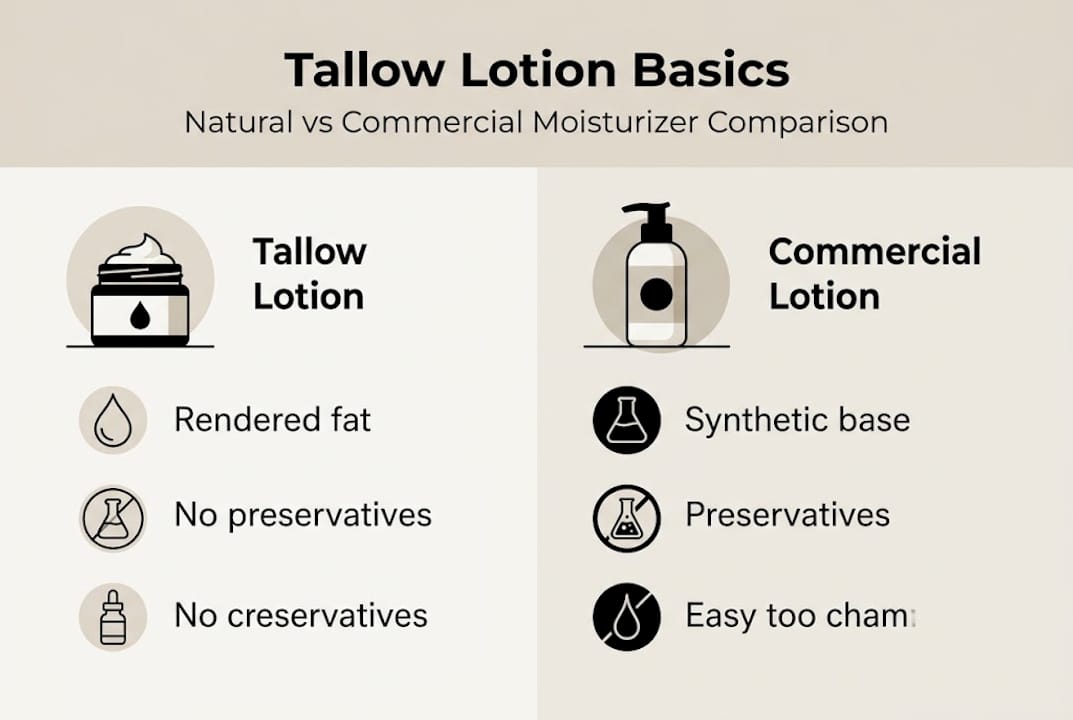
| Característica | Loción de sebo | Loción comercial estándar |
|---|---|---|
| Ingrediente principal | Grasa de res fundida | Emolientes sintéticos o de origen vegetal |
| Simplicidad de ingredientes | Alta | Variable |
| Opciones sin fragancia | Fáciles de hacer | A menudo se añade |
| Riesgo de tapar poros | Posible (comedogénico) | Varía según la fórmula |
| Pruebas clínicas | Limitadas | Extensas |
Dicho esto, no es para todos. El sebo es comedogénico y no adecuado para piel grasa, sensible o propensa al acné. Y aunque las redes sociales han hecho la loción de sebo increíblemente popular, la evidencia para afecciones específicas como el acné, el eczema y la psoriasis sigue siendo limitada. Saberlo desde el principio te ayuda a tomar una decisión más inteligente e informada.
Herramientas e ingredientes: cómo prepararte para hacer loción de sebo
Antes de empezar a mezclar nada, organizarte importa. La calidad y la seguridad de tu producto final dependen en gran medida del proceso, no solo de los ingredientes. Como principio general, la calidad del producto puede variar porque los productos de sebo caseros no pasan por las mismas pruebas previas a la venta que los humectantes comerciales.
Lo que necesitarás:
- Sebo de res purificado y fundido (mientras más limpio, mejor)
- Aceites portadores opcionales como jojoba, rosa mosqueta o de oliva
- Frascos de vidrio limpios con tapas que cierren bien
- Una olla a baño maría o una olla de cocción lenta
- Cucharas medidoras y una báscula de cocina
- Un conservador de amplio espectro si planeas agregar agua
Esta es la distinción más importante al planear tu fórmula:
| Tipo de loción | Contenido de agua | ¿Necesita conservador? | Vida útil |
|---|---|---|---|
| Bálsamo solo de aceites | Ninguno | No | Varios meses |
| Loción a base de agua | Sí | Sí, siempre | De 1 a 3 meses |
Las lociones a base de agua necesitan un conservador de amplio espectro usado al 0.5 a 1% según las indicaciones para guardarse de forma segura a temperatura ambiente. Saltarte este paso es lo que convierte a los productos caseros en un riesgo para la salud, no en una solución.
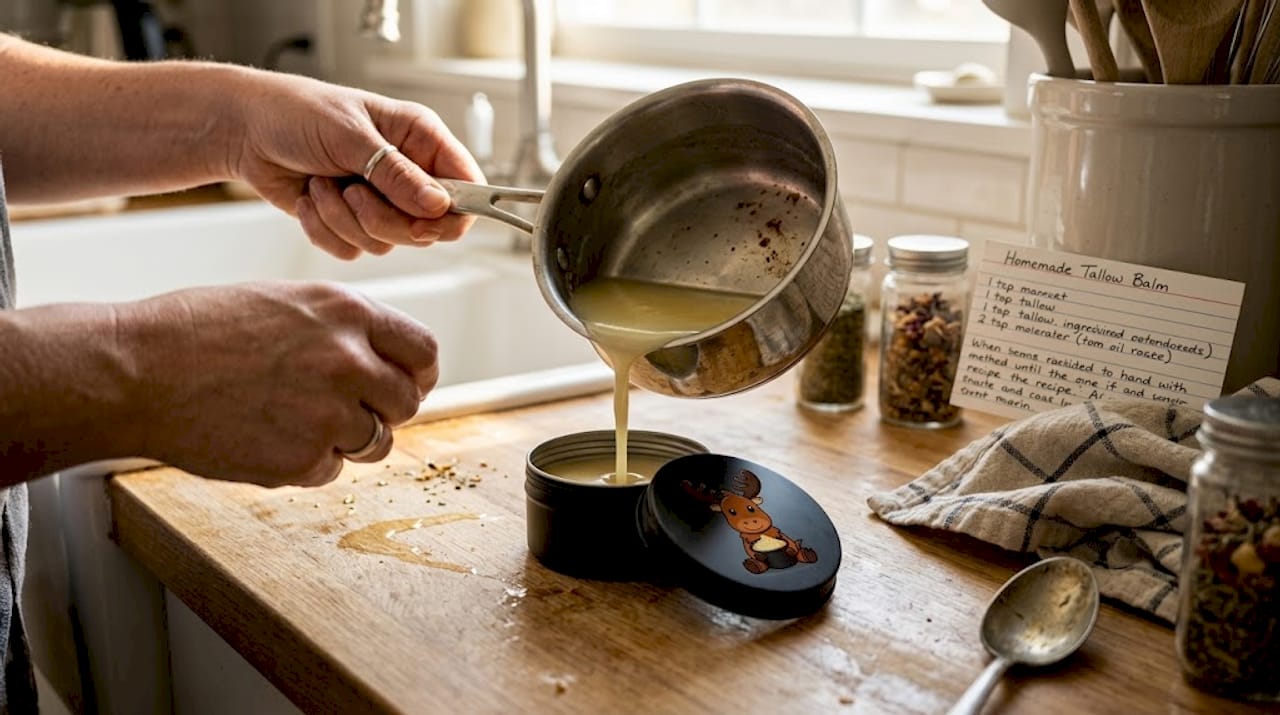
Consulta nuestra lista de verificación del sebo para ver todo lo que debes buscar, y revisa las recomendaciones sobre el almacenamiento correcto del cuidado de la piel con sebo antes de comenzar.
Consejo: Si lo haces para bebés o mascotas, omite por completo los aceites esenciales y las fragancias. Las sensibilidades de la piel en niños y animales son difíciles de predecir, y el sebo simple funciona bien por sí solo.
Cómo hacer loción de sebo: instrucciones paso a paso
Con tus herramientas listas, el proceso en sí es sencillo. Trabaja con limpieza. Mide con cuidado. No apresures la etapa de enfriamiento.
- Derrite el sebo con suavidad usando una olla a baño maría a fuego bajo. Evita quemarlo.
- Cuela y mide el sebo derretido con un colador de malla fina sobre un tazón limpio.
- Mezcla los aceites portadores mientras el sebo aún esté líquido. Para un bálsamo simple, omite este paso y usa solo sebo.
- Agrega agua si lo deseas, pero solo si tienes listo un conservador de amplio espectro. Incluye un conservador y sigue las instrucciones del producto al pie de la letra.
- Agrega el conservador en el porcentaje correcto una vez que la mezcla baje de 40°C (104°F).
- Vierte en frascos limpios y deja enfriar por completo antes de sellar. Etiqueta con la fecha.
- Guárdala de forma adecuada. Los bálsamos sin agua se pueden guardar a temperatura ambiente. Las lociones a base de agua van al refrigerador.
Para ideas prácticas sobre cómo usar tu producto terminado, explora los mejores usos de la loción de sebo y lee sobre cómo elegir un humectante de sebo para más orientación.
Consejo: Antes de aplicarla en toda la piel de alguien, haz una prueba de parche en la cara interna del antebrazo. Aplica una pequeña cantidad, espera 24 horas y observa si hay enrojecimiento, comezón o irritación. Este paso es muy importante en niños y mascotas.
Cómo almacenar, probar y resolver problemas con tu loción de sebo
Hacer la loción es solo la mitad del trabajo. Mantenerla segura y saber leer lo que te dice tu piel completa el panorama.
Cómo detectar señales de que se echó a perder:
- Olor raro o rancio, parecido a grasa de cocina vieja
- Moho visible o cambio de color
- Separación acuosa en un producto que antes era estable
- Textura que se volvió inusualmente pegajosa o granulosa
Si aparece cualquiera de estas señales, desecha el lote. Esto es muy importante en las lociones a base de agua, porque los productos de sebo caseros con agua deben llevar un conservador, y saltarte ese paso puede permitir que crezcan bacterias dañinas sin ninguna señal visible.
Omitir la conservación en una loción con agua no solo acorta su vida útil. Puede crear un producto que se ve y huele bien, pero que conlleva un riesgo microbiano real, sobre todo para niños pequeños y animales con sistemas inmunes sensibles.
Prueba de parche, paso a paso:
- Limpia una zona pequeña de la piel del antebrazo interno
- Aplica una cantidad del tamaño de un chícharo de tu loción de sebo
- Déjala destapada y sin lavar durante 24 horas
- Revisa si hay enrojecimiento, hinchazón, bultitos o comezón
Consulta nuestra guía sobre el almacenamiento del cuidado de la piel con sebo para conocer las recomendaciones exactas de temperatura y envases, y si estás explorando el sebo para problemas específicos de la piel, el sebo para el eczema cubre lo que sabemos hasta ahora y en qué ser prudente.
Por qué la prudencia y la personalización importan en las lociones de sebo
Hay algo que creo que se pierde en el entusiasmo por el cuidado de la piel con sebo: la popularidad no es lo mismo que la prueba. Hemos visto incontables testimonios en línea, y muchos son genuinos. Pero “natural” no significa automáticamente seguro para cada persona, cada tipo de piel o cada niño.
Los mejores resultados de los que hemos sabido vienen de personas que mantuvieron sus fórmulas simples, hicieron pruebas antes de comprometerse y prestaron mucha atención a cómo respondía su piel con el tiempo. No de quienes agregaron cada aceite y planta de moda que encontraron. Antes de aceptar cualquier afirmación viral al pie de la letra, echa un vistazo a los mitos comunes sobre el cuidado de la piel con sebo para separar la información útil del ruido. Simple, limpio y honesto siempre es el punto de partida más inteligente.
Prueba soluciones confiables de cuidado de la piel con sebo
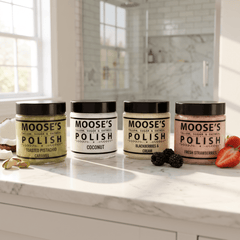
Si prefieres saltarte el proceso casero y aun así aprovechar los beneficios de un cuidado de la piel con sebo limpio y honesto, ya hicimos el trabajo cuidadoso por ti. Nuestros productos se hacen a mano en lotes pequeños con sebo purificado e ingredientes elegidos con cuidado que de verdad se ganan su lugar en la fórmula. Desde humectantes de uso diario hasta nuestro bálsamo solar de sebo y zinc, cada producto se hace pensando en la seguridad de la familia y en resultados reales para la piel. Explora nuestra colección completa de productos de sebo y encuentra algo que le quede a tu piel, a tu familia y a tu rutina diaria.
Preguntas frecuentes
¿Puedes usar loción de sebo en bebés o mascotas?
La loción de sebo simple y sin aroma se considera segura para la mayoría de los bebés y mascotas, pero siempre haz una prueba de parche antes de usarla con regularidad. Lo más conservador es evitar por completo los aceites esenciales y las fragancias en personas sensibles.
¿Cuánto dura la loción de sebo casera?
Los bálsamos de sebo sin agua pueden durar varios meses si se guardan frescos y limpios, pero las lociones con agua necesitan un conservador y pueden durar solo de 1 a 3 meses, incluso refrigeradas.
¿Por qué algunas personas evitan la loción de sebo en el rostro?
El sebo es comedogénico y puede tapar los poros o provocar brotes en piel grasa, sensible o propensa al acné, por lo que no es adecuado para todos.
¿Hay pruebas de que la loción de sebo ayude con el eczema o la psoriasis?
La evidencia científica sigue siendo limitada. La evidencia sobre beneficios específicos del sebo para afecciones como el eczema y la psoriasis es en gran parte anecdótica, y las afirmaciones en redes sociales a menudo no citan investigación que las respalde.
Recomendado
- Lista de verificación de productos de sebo 2026: elige un cuidado natural de la piel seguro – Moose’s Tallow
- Cómo almacenar productos de cuidado de la piel con sebo de forma natural para mejores resultados – Moose’s Tallow
- Los mejores usos de la loción de sebo para una hidratación de la piel 25% mejor en 2026 – Moose’s Tallow


0 comentarios