

TL;DR:
- Los ingredientes honestos son transparentes, poco procesados y libres de rellenos y sintéticos.
- Usar ingredientes honestos mejora la hidratación de la piel, la función de barrera y reduce la irritación.
- Busca listas de ingredientes cortas, certificaciones de terceros y un origen claro para identificar productos confiables.
No todos los productos con la etiqueta “natural” te cuentan toda la historia. Algunas fórmulas se apoyan mucho en el lenguaje de marketing mientras cargan en silencio rellenos, conservadores sintéticos o extractos de plantas tan procesados que apenas se parecen a su origen. Si alguna vez te has parado en el pasillo del cuidado de la piel preguntándote en qué productos puedes confiar de verdad para tu familia, tu piel sensible o incluso tus mascotas, no eres la única persona. Este artículo explica qué son en realidad los ingredientes honestos, por qué importan para la salud de tu piel a largo plazo y cómo elegir con confianza productos que se ganen tu confianza.
Puntos clave
| Punto | Detalles |
|---|---|
| La transparencia genera confianza | Las listas de ingredientes cortas y simples y un origen honesto te ayudan a tomar decisiones más seguras para la piel sensible. |
| Respaldado por la ciencia | Los ingredientes honestos y naturales cuentan con evidencia clínica de mejor hidratación, apoyo a la barrera y menos irritación. |
| Ideal para familias | Los padres, las personas con piel sensible y los dueños de mascotas obtienen los mayores beneficios al usar productos con ingredientes honestos. |
| Cuidado con los sintéticos ocultos | No todas las fórmulas ‘naturales’ son honestas. Aprende a revisar las listas de ingredientes y prioriza las certificaciones de terceros. |
¿Qué son los ingredientes honestos en el cuidado de la piel?
El término “ingredientes honestos” no es solo una frase para sentirte bien. Significa algo concreto. Los ingredientes honestos son componentes transparentes, simples y poco procesados del cuidado de la piel que evitan sintéticos, rellenos e irritantes para generar confianza y cuidar de verdad la salud de la piel. Deberías poder leer una etiqueta, reconocer lo que contiene y rastrear de dónde vino.
Esto contrasta con los productos que se esconden detrás de términos amplios como “fragancia”, “complejo natural” o “mezcla botánica” sin explicar qué significan en realidad. Entender qué hace que el cuidado de la piel sea natural empieza por mirar más allá del lenguaje de marketing y fijarte en la lista real de ingredientes.
La demanda de etiquetas más limpias crece rápido. Los esfuerzos de transparencia de Honest Company reflejan este cambio, ya que ahora se presiona a las marcas para que revelen más, no menos. Eso es bueno para todas las personas.
Cuando estés evaluando un producto, busca estas señales:
- Listas de ingredientes cortas con nombres reconocibles
- EWG Verified o una certificación de terceros equivalente
- Origen declarado de los ingredientes clave
- Sin rellenos ocultos ni descripciones vagas de “mezcla”
- Probado por terceros en pureza y seguridad
El enfoque de los beneficios del cuidado de la piel hecho a mano va de la mano con esto: cuando los productos se hacen en lotes pequeños con fórmulas intencionales, hay mucho menos espacio para esconderse detrás de la complejidad.
“Los ingredientes honestos son los que puedes reconocer, rastrear y en los que puedes confiar, no solo los que suenan naturales en una etiqueta.”
Cómo los ingredientes honestos cuidan la salud de la piel
Una vez que sabes qué son los ingredientes honestos, la siguiente pregunta es: ¿qué hacen en realidad por tu piel? La respuesta es mucho, y la ciencia lo respalda.

Los aceites vegetales, la manteca de karité y las mezclas de fitoactivos apoyan la función de barrera al imitar los lípidos que tu piel produce de forma natural. Esto importa porque una barrera cutánea fuerte es tu primera defensa contra la resequedad, la irritación y el daño ambiental.
Un estudio clínico encontró que los productos formulados con ingredientes humectantes naturales mejoraron la hidratación en un 72.5% y redujeron la resequedad en un 93.7%. Son cifras importantes, sobre todo para quienes manejan piel sensible o eczema.
Así funcionan los ingredientes honestos a nivel funcional:
- Emoliente: Suaviza y alisa la piel al rellenar los huecos de la barrera cutánea
- Humectante: Atrae la humedad del ambiente hacia la piel
- Oclusivo: Sella la humedad y previene la pérdida de agua (TEWL)
- Antioxidante: Protege contra el daño de los radicales libres y el estrés ambiental
Para los bebés, los padres y cualquier persona con piel reactiva, reducir la TEWL (pérdida de agua transepidérmica) es especialmente importante. Es lo que evita que la piel se sienta tirante, agrietada o inflamada después de lavarla.
Los beneficios del cuidado natural de la piel van más allá del confort superficial. A diferencia de muchos sintéticos, los ingredientes honestos no alteran el microbioma de tu piel, esa comunidad protectora de microorganismos que ayuda a regular la inflamación y la inmunidad a nivel de la piel.
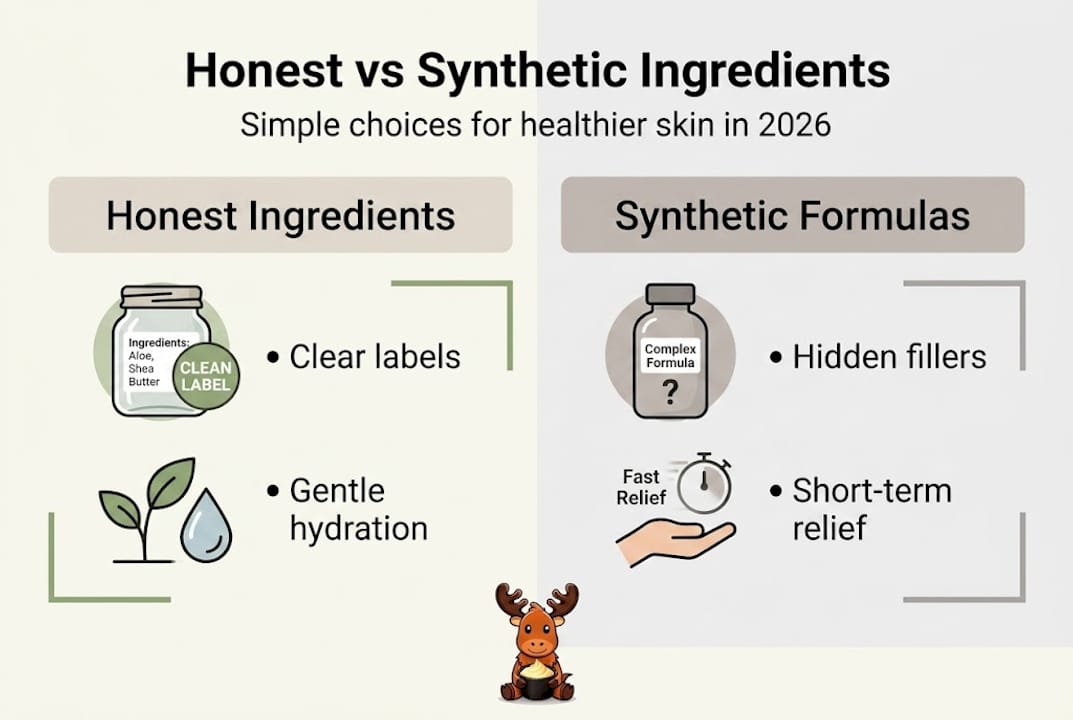
| Característica | Ingredientes honestos | Fórmulas cargadas de sintéticos |
|---|---|---|
| Hidratación a largo plazo | Se acumula con el tiempo | A menudo alivio de corto plazo |
| Impacto en el microbioma | Lo apoya | Puede alterar el equilibrio |
| Riesgo de irritación | Bajo | Mayor para la piel sensible |
| Reparación de la barrera | Gradual y duradera | Puede causar resequedad de rebote |
Para quienes comparan opciones, sebo vs. cremas para la sensibilidad es una referencia útil para entender por qué el origen y el procesamiento de los ingredientes importan tanto.
¿Quién se beneficia más del cuidado honesto de la piel?
El cuidado honesto de la piel no es solo para personas con afecciones diagnosticadas. Pero ciertos grupos ven resultados enormes cuando hacen el cambio.
Los ensayos clínicos muestran una reducción del 100% del enrojecimiento y la resequedad en niños tras solo tres semanas de usar productos formulados de forma natural. Ese es el tipo de resultado que les importa a los padres que han probado producto tras producto sin un alivio duradero.
Estos grupos suelen beneficiarse más:
- Piel sensible: Menos exposición a posibles irritantes significa menos brotes
- Piel propensa al eczema: Los emolientes suaves y el apoyo a la barrera reducen la severidad
- Piel madura: Los antioxidantes y la hidratación profunda apoyan la elasticidad y el confort
- Bebés y niños pequeños: La piel en desarrollo es más permeable y reactiva
- Dueños de mascotas: Los hogares con mascotas a menudo prefieren fórmulas más limpias para reducir los riesgos de exposición compartida
Para los padres en especial, la verificación de terceros importa. Los productos EWG Verified son seguros para bebés y padres y cumplen con los estándares aceptados de la National Eczema Association, lo que da a las familias un punto de referencia objetivo más allá de las afirmaciones de las marcas.
“EWG Verified establece el estándar de oro para fórmulas limpias y transparentes en las que las familias y las personas con piel sensible pueden confiar de verdad.”
Saber qué ingredientes evitar en el cuidado de la piel es tan importante como saber cuáles buscar. Y si tienes curiosidad sobre el origen de los ingredientes, sebo vs. aceites vegetales para la hidratación de la piel ofrece una comparación clara lado a lado.
Consejo profesional: Empieza por contar los ingredientes de tu crema hidratante actual. Si no puedes reconocer o pronunciar más de dos o tres, vale la pena investigar qué son en realidad.
Errores comunes y cómo revisar las listas de ingredientes
No todos los productos que se venden como “naturales” merecen esa etiqueta. Algunos usan nombres que suenan naturales para lo que en realidad son derivados muy procesados o sintéticos. La demanda de ingredientes limpios por parte de los consumidores va en aumento, pero también lo hace la sofisticación del greenwashing.
Así puedes leer una lista de ingredientes con confianza:
- Empieza por arriba: Los ingredientes se enumeran por concentración. Los primeros cinco son los que más importan.
- Revisa si hay rellenos: Busca términos como “aqua” junto a largas cadenas de químicos irreconocibles.
- Cuidado con los sintéticos “naturales”: Ingredientes como el lauril sulfato de sodio se derivan del coco, pero están muy procesados y pueden ser irritantes.
- Investiga uno por uno: Si ves un nombre desconocido, búscalo en la base de datos Skin Deep de EWG antes de suponer que es seguro.
- Busca sellos de terceros: EWG Verified, USDA Organic o la aceptación de la National Eczema Association añaden responsabilidad.
Un estudio clínico sobre ingredientes naturales señala que incluso las fórmulas bien intencionadas pueden perder sus beneficios cuando los ingredientes principales están demasiado procesados. Tanto el origen como el método de procesamiento afectan lo que tu piel recibe en realidad.
| Afirmación de la etiqueta | Lo que suele significar | Qué buscar en su lugar |
|---|---|---|
| “Fórmula natural” | Sin definición regulada | Certificación de terceros |
| “Extracto botánico” | Puede ser un análogo sintético | Nombre INCI completo declarado |
| “Sin fragancia” | Puede contener agentes enmascarantes | Cero fragancia en la etiqueta |
La lista de verificación de productos de sebo es una herramienta práctica para evaluar cualquier producto a base de sebo. Y ingredientes como la caléndula y la manzanilla son buenos ejemplos de botánicos honestos con beneficios claros y bien documentados para la piel.
Consejo profesional: Cuando tengas dudas, investiga cada ingrediente desconocido uno por uno con la base de datos Skin Deep de EWG. Toma cinco minutos y te dice exactamente qué te estás poniendo en la piel.
Nuestra opinión sobre los ingredientes honestos: lo que la mayoría de las etiquetas pasan por alto
Esto es algo que hemos visto de primera mano: la mayoría de los productos que se llaman a sí mismos “limpios” o “naturales” siguen escondiéndose detrás de la complejidad. Una lista larga de ingredientes no es prueba de calidad. A menudo es todo lo contrario.
La verdadera honestidad en una fórmula significa que reconoces cada ingrediente y podrías explicar por qué está ahí. No porque tengas un título en química, sino porque la marca te lo dijo con claridad. Ese es el estándar que seguimos en Moose’s Tallow.
Para las familias, las personas con piel sensible y los hogares con mascotas, la confianza no viene de las palabras de moda. Viene de la integridad de los ingredientes. Los beneficios del sebo de res para la piel en los que confiamos no son ciencia nueva. Están probados con el tiempo, son rastreables y simples. Así es exactamente como deberían funcionar los ingredientes honestos.
Descubre resultados reales: cuidado honesto de la piel para tu familia
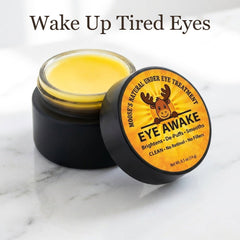
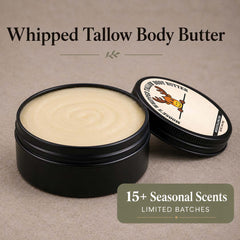
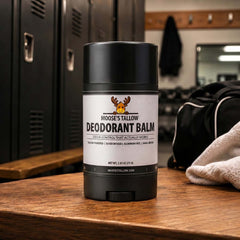
Si este artículo te hace replantear tu rutina actual de cuidado de la piel, nos encantaría que dieras el siguiente paso con nosotros. En Moose’s Tallow, cada producto se formula con una lista corta e intencional de ingredientes que de verdad puedes leer. Nuestro Beef Tallow Zinc Sun Balm es un favorito para la piel sensible, los más pequeños y cualquiera que quiera protección solar sin un muro de sintéticos. ¿Te animas a ver lo que las fórmulas honestas pueden hacer por tu piel? Compra todo el cuidado natural de la piel y encuentra la opción ideal para tu familia.
Preguntas frecuentes
¿Qué hace que un ingrediente sea ‘honesto’ en el cuidado de la piel?
Un ingrediente honesto está claramente etiquetado, poco procesado y libre de sintéticos o rellenos innecesarios. Deberías poder reconocerlo y entender por qué está en la fórmula.
¿Son los ingredientes honestos mejores para la piel sensible?
Sí. La evidencia clínica muestra que reducen de forma notable la irritación, la resequedad y el enrojecimiento, incluso en bebés y personas con piel propensa al eczema.
¿Cómo puedo identificar productos de cuidado de la piel realmente honestos?
Busca listas de ingredientes cortas y fáciles de leer, certificaciones de terceros como EWG Verified y marcas que digan abiertamente de dónde vienen sus ingredientes.
¿Cuál es la principal diferencia entre los ingredientes honestos y los sintéticos?
Los ingredientes honestos cuidan la salud de la piel con el tiempo sin alterar el microbioma, mientras que los sintéticos pueden causar resequedad de rebote o irritación con el uso prolongado.
Recomendado
- Qué hace que el cuidado de la piel sea natural: cualidades clave en 2026 – Moose’s Tallow
- 6 ingredientes que evitar en el cuidado de la piel para una piel más sana – Moose’s Tallow
- Lista de verificación de productos de sebo 2026: elige un cuidado natural y seguro – Moose’s Tallow
- Por qué importa el cuidado de la piel hecho a mano: calma y nutre de forma natural – Moose’s Tallow
- 6 ejemplos de formulación respaldados por investigación para cosméticos y alimentos


0 comentarios