

En resumen:
- El cuidado hidratante de la piel requiere la acción combinada de humectantes, emolientes y oclusivos para atraer, suavizar y sellar la humedad de forma eficaz. Las cremas hidratantes hechas con ingredientes estables y compatibles con la piel, como el sebo de res y el aceite de coco fraccionado, favorecen una hidratación duradera. Aplicar bien las capas y elegir los ingredientes según el clima y el tipo de piel optimiza la salud de la barrera cutánea y la retención de humedad.
Los ingredientes hidratantes para la piel se dividen en tres categorías principales: humectantes, emolientes y oclusivos, y una hidratación eficaz necesita los tres trabajando juntos. Un humectante lleva agua a la piel. Un emoliente la alisa y la suaviza. Un oclusivo sella esa humedad para que se quede. Esta lista de ingredientes hidratantes cubre las mejores opciones de cada categoría, incluidas las que Moosestallow usa en cada lote: sebo de res, aceite de coco fraccionado, cera de abejas y tocoferoles. Saber lo que hacen de verdad estos componentes hidratantes te ayuda a elegir productos que funcionan, no solo los que se sienten bien durante cinco minutos.
1. ¿Cuáles son los mejores humectantes en el cuidado hidratante de la piel?
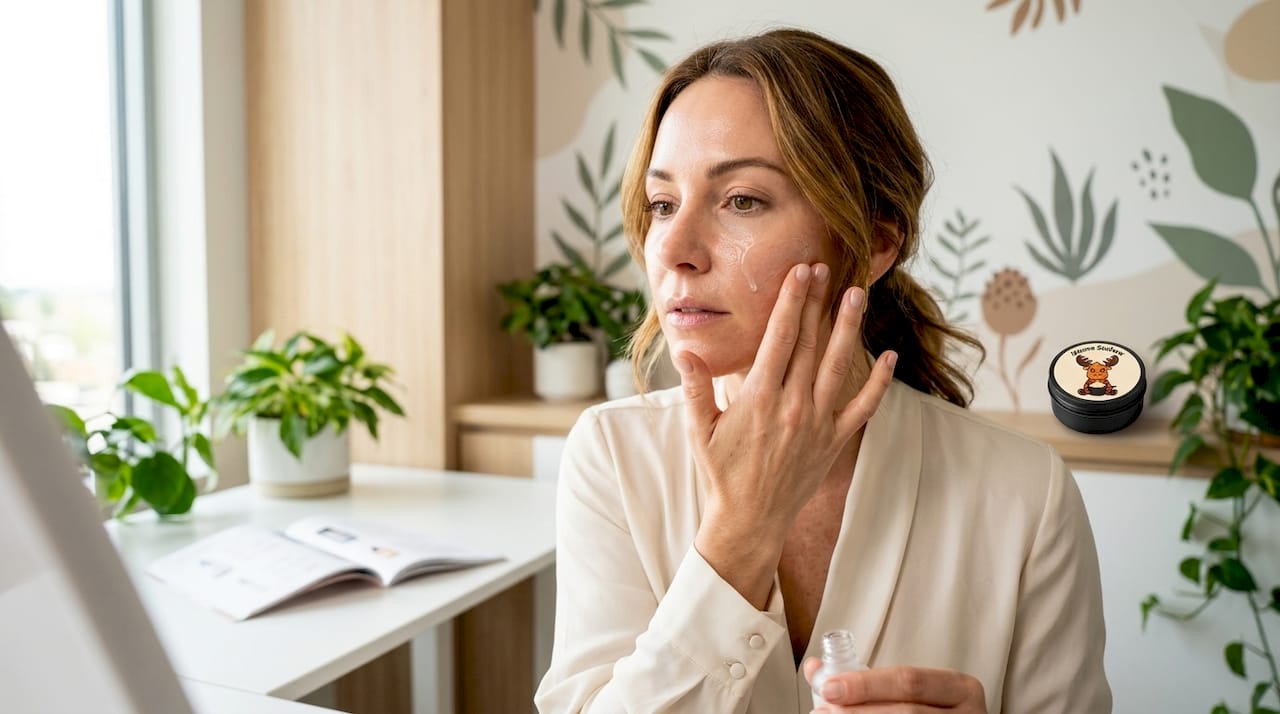
Los humectantes atraen agua a la capa externa de la piel, el estrato córneo, tomando la humedad del aire o de las capas más profundas de la piel. Son el primer paso de cualquier sistema de hidratación. Sin un oclusivo encima, los humectantes pueden llegar a sacar agua de la piel en climas secos, lo que causa una pérdida neta de humedad.
Los mejores ingredientes hidratantes de esta categoría incluyen:
- Glicerina: Uno de los humectantes más usados en el cuidado de la piel. Retiene el agua de forma eficaz, pero necesita un oclusivo que la acompañe para evitar la evaporación.
- Ácido hialurónico: Retiene el agua en la superficie de la piel y es común en sérums y cremas hidratantes ligeras.
- Pantenol (provitamina B5): El pantenol favorece la retención de agua y calma la piel. Funciona muy bien cuando se combina con ingredientes que apoyan la barrera cutánea. Por eso, productos como Bepanthen usan el pantenol como agente hidratante principal.
- Polisacáridos de calabaza japonesa: Un humectante natural con propiedades antioxidantes. Forman una película higroscópica en la superficie de la piel que retiene la humedad del ambiente y apoya la barrera cutánea.
Consejo pro: Aplica siempre un humectante debajo de un emoliente o un oclusivo. Solos, los humectantes pueden sacar humedad de la piel en ambientes de baja humedad.
2. Emolientes clave que mejoran la suavidad y la textura de la piel
Los emolientes rellenan los huecos microscópicos entre las células de la piel y crean una superficie más lisa y suave. Son la categoría que más influye en cómo se siente una crema hidratante sobre tu piel. En Moosestallow, los emolientes son el corazón de cada fórmula.
Los mejores emolientes de nuestra lista de ingredientes hidratantes incluyen:
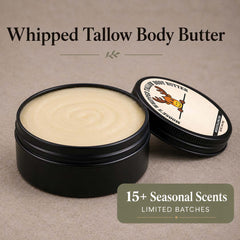
- Sebo de res: El sebo es un emoliente estable y nutritivo que se absorbe sin dejar grasa y apoya la barrera cutánea de forma natural. Su perfil de ácidos grasos se parece mucho a los lípidos de la piel humana, y por eso funciona tan bien.
- Aceite de coco fraccionado: Es el aceite portador preferido en Moosestallow. Resiste la oxidación, se absorbe con facilidad y tiene una larga vida útil frente a la mayoría de las alternativas vegetales. No se pone rancio como muchos otros aceites.
- Cera de abejas: La cera de abejas actúa como emoliente y como oclusivo. Suaviza la piel y a la vez forma una capa protectora ligera en la superficie.
- Jojoba: La jojoba imita muy de cerca el sebo natural de la piel. Se absorbe bien y funciona en casi todos los tipos de piel sin tapar los poros.
Los emolientes funcionan mejor cuando se combinan con humectantes y oclusivos. Son el tejido que conecta una buena crema hidratante.
3. Qué son los oclusivos y por qué importan para una hidratación duradera
Los oclusivos forman una barrera física en la superficie de la piel que ralentiza la evaporación del agua. Este proceso se llama reducción de la pérdida de agua transepidérmica, o TEWL. Sin un oclusivo, hasta los mejores humectantes y emolientes pierden su efecto en pocas horas.
Los oclusivos clave dentro de los agentes hidratantes naturales incluyen:
- Cera de abejas: Un oclusivo natural que reduce la evaporación de la piel sin dejar de ser transpirable. No asfixia la piel como pueden hacerlo los oclusivos sintéticos pesados.
- Tocoferoles (vitamina E): Los tocoferoles actúan como antioxidantes y oclusivos suaves. Protegen la piel del daño ambiental y a la vez refuerzan la barrera de humedad.
- Aceite de ricino: Un portador más espeso que añade peso oclusivo a la fórmula. Moosestallow lo usa a propósito por su densidad que apoya la barrera.
Consejo pro: Aplica tu crema hidratante sobre la piel ligeramente húmeda. Sobre piel húmeda, los oclusivos sellan la humedad que ya hay en la superficie, lo que alarga la hidratación mucho más que aplicarla sobre piel seca.
4. Comparación de ingredientes hidratantes populares: beneficios y mejores usos
No todos los componentes hidratantes rinden igual en los distintos tipos de piel y climas. Esta comparación cubre los mejores ingredientes para la hidratación de cada categoría.
| Ingrediente | Categoría | Beneficio principal | Ideal para |
|---|---|---|---|
| Glicerina | Humectante | Lleva agua al estrato córneo | Todos los tipos de piel; necesita un oclusivo que la acompañe |
| Ácido hialurónico | Humectante | Retiene el agua en la superficie de la piel | Piel grasa o mixta; climas húmedos |
| Pantenol | Humectante | Calma y apoya la reparación de la barrera | Piel sensible o irritada |
| Polisacáridos de calabaza japonesa | Humectante | Forma una película higroscópica; antioxidante | Piel seca o afectada por el ambiente |
| Sebo de res | Emoliente | Nutrición profunda; lípidos compatibles con la barrera | Piel seca, sensible o dañada |
| Aceite de coco fraccionado | Emoliente | Estable, resistente a la oxidación, de rápida absorción | Todos los tipos de piel; aceite portador preferido |
| Jojoba | Emoliente | Imita el sebo natural | Piel grasa o con tendencia acneica |
| Cera de abejas | Emoliente y oclusivo | Suaviza y sella al mismo tiempo | Piel seca o expuesta al frío |
| Tocoferoles | Oclusivo y antioxidante | Protege la barrera; sella la humedad de forma suave | Todos los tipos de piel; uso diario |
El sebo de res y el aceite de coco fraccionado destacan por su estabilidad y su compatibilidad con la biología natural de la piel. Muchos aceites vegetales comunes se oxidan rápido y pueden degradar la calidad del producto con el tiempo. El aceite de coco fraccionado evita esto por completo.
5. Cómo elegir ingredientes hidratantes según tu tipo de piel y tu clima
La salud de la barrera cutánea y el clima influyen en qué tan bien funcionan los ingredientes hidratantes. Una rutina que funciona en la humedad de Florida no da los mismos resultados en el aire seco del invierno de Colorado. Ajustar tus ingredientes a tu entorno es tan importante como ajustarlos a tu tipo de piel.
Así puedes enfocar la elección:
- Climas secos o fríos: Da prioridad a las fórmulas con muchos oclusivos. La cera de abejas, el sebo y los tocoferoles forman barreras más fuertes que resisten la pérdida de humedad en el aire de baja humedad.
- Ambientes grasos o húmedos: Inclínate por emolientes ligeros como el aceite de coco fraccionado y la jojoba. Combínalos con glicerina o ácido hialurónico para una hidratación de superficie sin pesadez.
- Piel sensible: Elige ingredientes con una lista corta y fácil de reconocer. El sebo de res, el pantenol y la cera de abejas se toleran bien en la piel sensible. Consulta humectantes naturales para piel sensible para una guía más específica.
- Piel dañada o debilitada: Enfócate primero en reparar la barrera. Los oclusivos y los emolientes ricos en lípidos como el sebo actúan directamente sobre la TEWL, que es la causa de fondo de la sequedad crónica.
- Prueba de parche: Introduce un solo ingrediente nuevo a la vez. Aplícalo en la parte interna del antebrazo durante 24 a 48 horas antes de usarlo por completo.
Las combinaciones de ingredientes siempre superan a las soluciones de un solo ingrediente. Un humectante más un emoliente más un oclusivo es la fórmula que de verdad funciona. Aprende más sobre cómo maximizar los efectos hidratantes para consejos prácticos de aplicación.
Puntos clave
El enfoque más eficaz para la hidratación de la piel es un sistema: los humectantes atraen la humedad, los emolientes alisan y nutren, y los oclusivos sellan todo en su lugar.
| Punto | Detalles |
|---|---|
| Usa las tres categorías | Los humectantes, emolientes y oclusivos cumplen cada uno un papel distinto y funcionan mejor juntos. |
| Los humectantes necesitan compañía | La glicerina y el ácido hialurónico causan pérdida de humedad si se usan sin un oclusivo en aire seco. |
| El sebo y el aceite de coco fraccionado destacan | Ambos son estables, compatibles con la piel y se absorben sin oxidarse ni dejar residuo. |
| Aplica sobre piel húmeda | Los oclusivos sellan más humedad cuando se aplican sobre piel ligeramente mojada. |
| Ajusta los ingredientes al clima | Las fórmulas con muchos oclusivos van bien en climas secos; los emolientes más ligeros funcionan mejor en condiciones húmedas. |
Por qué dejé de buscar soluciones de un solo ingrediente
Al principio pasé mucho tiempo leyendo sobre el ácido hialurónico y la glicerina como si fueran la respuesta a todo. No lo son. Son una pieza de un sistema. Cuando empecé a formular con sebo, cera de abejas y aceite de coco fraccionado juntos, la diferencia fue evidente. La piel no solo se sentía hidratada por una hora. Se quedaba así.
El error que veo más seguido es que la gente carga humectantes y se salta por completo el paso del oclusivo. Es como llenar una cubeta con un agujero en el fondo. El agua entra, pero no se queda. La reparación de la barrera tiene que ir primero, sobre todo en piel seca o sensible.
También creo que la gente subestima la calidad de los ingredientes. Un sebo mal fundido o un aceite oxidado no rinde igual que un ingrediente limpio y elegido con cuidado. Por eso cada lote en Moosestallow empieza con sebo de res bien fundido y aceite de coco fraccionado. Sin rellenos. Sin atajos. Los ingredientes se ganan su lugar o no entran en la fórmula.
Si estás armando o afinando tu rutina de cuidado de la piel, empieza por la barrera. Luego aplica tus humectantes debajo de un buen emoliente y oclusivo. Mantén la lista de ingredientes corta y pensada. Ese enfoque nunca me ha fallado.
Brian
Productos Moosestallow creados con hidratación con propósito
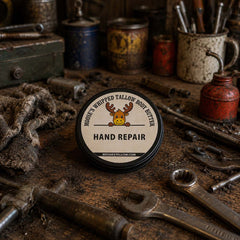
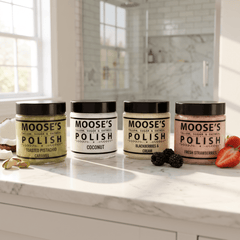
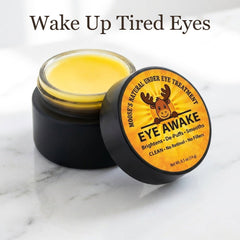
En Moosestallow, cada producto empieza con sebo de res como base, apoyado por aceite de coco fraccionado, cera de abejas y tocoferoles. No son añadidos de moda. Son ingredientes elegidos con cuidado que cumplen cada uno una función clara: nutrir, proteger y sellar. No hay rellenos, ni sintéticos agresivos, ni nada que no se gane su lugar. Si quieres un cuidado de la piel que aplique los mismos principios de ingredientes de este artículo, explora la colección completa de Moosestallow. Cada fórmula se hace a mano en lotes pequeños con ingredientes honestos que puedes leer y reconocer de verdad.
Preguntas frecuentes
¿Qué son los ingredientes hidratantes en el cuidado de la piel?
Los ingredientes hidratantes para la piel son compuestos que atraen, retienen o sellan la humedad en la piel. Se dividen en tres categorías: humectantes como la glicerina y el pantenol, emolientes como el sebo y la jojoba, y oclusivos como la cera de abejas y los tocoferoles.
¿Puedes usar humectantes sin oclusivos?
Usar humectantes solos puede causar una pérdida neta de humedad, sobre todo en climas secos. Los humectantes necesitan un oclusivo encima para evitar que el agua que atraen se evapore de la superficie de la piel.
¿El sebo de res es un buen ingrediente hidratante?
El sebo de res es un emoliente estable y rico en lípidos que se absorbe sin dejar grasa y apoya la barrera cutánea. Su perfil de ácidos grasos es muy compatible con la piel humana, lo que lo convierte en uno de los agentes hidratantes naturales más eficaces que existen.
¿Cuál es el mejor aceite portador para el cuidado hidratante de la piel?
El aceite de coco fraccionado es el aceite portador preferido para las fórmulas hidratantes por su resistencia a la oxidación, su fácil absorción y su larga vida útil. Supera a muchos aceites vegetales comunes que se ponen rancios rápido y reducen el rendimiento del producto.
¿Cómo evitan los oclusivos la pérdida de humedad?
Los oclusivos forman una barrera física en la superficie de la piel que ralentiza la pérdida de agua transepidérmica. Los oclusivos naturales como la cera de abejas y los tocoferoles lo hacen sin impedir que la piel respire.
Recomendado
- ¿Qué es el cuidado nutritivo de la piel? Una guía para una piel más sana – Moose’s Tallow
- Cómo maximizar los efectos hidratantes para una piel más suave – Moose’s Tallow
- Por qué usar cremas nutritivas para una piel hidratada y sana – Moose’s Tallow
- Ingredientes honestos: la clave para una piel más sana en 2026 – Moose’s Tallow


0 comentarios