

TL;DR:
- Nourishing creams rebuild the skin barrier by supplying lipids and moisturizing factors, providing long-term relief for dry and sensitive skin. They outperform basic moisturizers by promoting deep barrier repair, reducing itching, and increasing skin resilience through targeted ingredients like ceramides, hyaluronic acid, and natural fats. Consistent use of simple, ingredient-conscious formulations, especially tallow-based options, yields measurable improvements over weeks, supporting healthier, more resilient skin.
Dry, tight, uncomfortable skin is not something you just have to live with. The right cream can change things faster than most people expect. Barrier-repair moisturizers reduced xerosis (clinically dry skin) by 47% in controlled studies, and that kind of result does not come from a basic drugstore lotion. Nourishing creams are built differently. They work at a deeper level, supporting the very structure of your skin rather than just coating the surface. This article walks you through exactly what makes them work, why they matter for dry and sensitive skin, and how to get the most out of them.
Key Takeaways
| Point | Details |
|---|---|
| Deep barrier repair | Nourishing creams restore and strengthen your skin barrier for long-lasting relief. |
| Optimal hydration | Clinical studies show they boost skin moisture better than standard moisturizers. |
| Relief for sensitivity | Gentle, scientifically backed ingredients can soothe sensitive and irritated skin quickly. |
| Choose wisely | Ingredient quality and routine habits matter more than labels for noticeable, lasting results. |
What are nourishing creams and how do they work?
Building on the promise of impressive results, let’s explore what exactly makes a cream “nourishing” and why these ingredients are so effective.
A regular moisturizer does one thing well: it traps water in your skin. Nourishing creams do that too, but they also bring along ingredients that rebuild what your skin has lost. Think of your skin barrier like a brick wall. The skin cells are the bricks, and the lipids (fats) between them are the mortar. When that mortar breaks down from dryness, cold weather, or harsh cleansers, water escapes and irritants sneak in. Nourishing creams help fill those gaps back in.
The key ingredients to look for include:
- Ceramides: Natural fats found in the skin’s outer layer that seal moisture in and keep irritants out
- Hyaluronic acid: A molecule that holds up to 1,000 times its weight in water, pulling moisture into the skin
- Natural moisturizing factors (NMFs): A mix of amino acids, sugars, and salts that naturally keep skin hydrated
- Niacinamide: A form of Vitamin B3 that supports ceramide production and reduces redness
- Fatty acids and oils: Ingredients that closely mimic the skin’s own lipid profile, restoring softness and flexibility
The clinical data here is genuinely striking. Research shows that an NMF-lipids cream increased filaggrin by 77%, hyaluronic acid by 157%, and skin lipids by 30%. Filaggrin is a protein that is critical for a healthy skin barrier. Those are not small improvements; those numbers represent real, measurable changes in how the skin functions.
“The difference between a nourishing cream and a basic moisturizer is the difference between repairing your home and just closing the windows. One addresses the problem; the other just manages the symptoms.”
Pro Tip: When reading ingredient labels, look for ceramides listed as “ceramide NP,” “ceramide AP,” or “ceramide EOP.” These are the most researched forms for barrier repair. If you want to understand natural moisturizers that work for sensitive skin specifically, ingredient literacy is your best starting point.
Understanding the beef tallow benefits adds another layer to this picture, especially for people who prefer simple, whole-food-derived ingredients over long synthetic formulas.
Top benefits of nourishing creams for sensitive and dry skin
Now that you know what nourishing creams do, let’s see why their benefits especially matter for dry or sensitive skin.
Sensitive and dry skin types share a common problem: a weakened skin barrier. When that barrier is compromised, skin reacts more easily to products, temperature changes, and environmental factors. Nourishing creams directly target that root issue rather than just masking the discomfort.
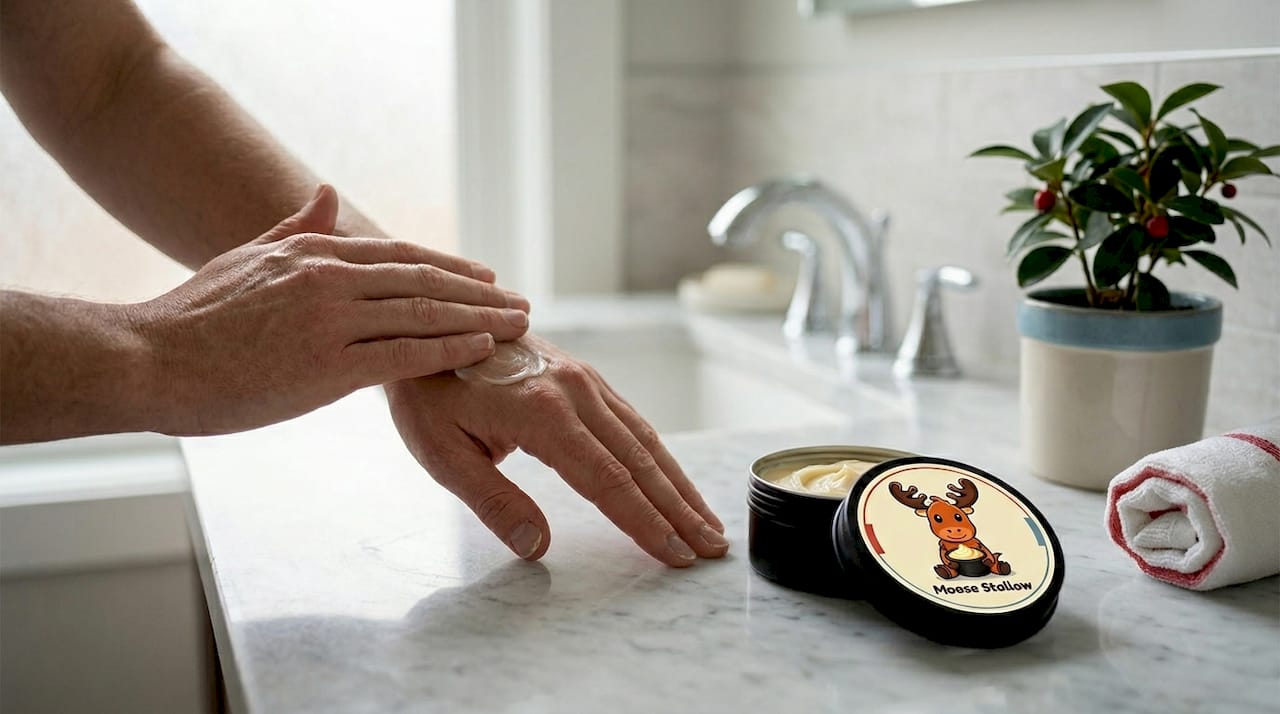
Hydration that actually lasts: A good nourishing cream combines humectants (which draw moisture in) with occlusives (which lock it there). That means skin stays comfortable longer, not just for an hour after application.
Itch relief: This one surprises people. Research shows that a niacinamide lotion increased ceramides by 34% and reduced itching by 29%. Itching is often a barrier problem, not just a dryness problem, and addressing the underlying lipid loss is what makes the difference.
Resilience over time: Consistent use builds up the skin barrier so it becomes less reactive. People with chronically sensitive skin often notice they need to use fewer products overall because their baseline improves.
| Feature | Basic moisturizer | Nourishing cream |
|---|---|---|
| Surface hydration | Yes | Yes |
| Deep barrier repair | No | Yes |
| Ceramide support | Rarely | Often |
| Itch relief | Temporary | Sustained |
| Long-term resilience | Minimal | Significant |
The advantages of natural moisturizers become especially clear when you look at this comparison. And if you are exploring moisturizers for sensitive skin, understanding these distinctions helps you shop with confidence rather than guesswork.
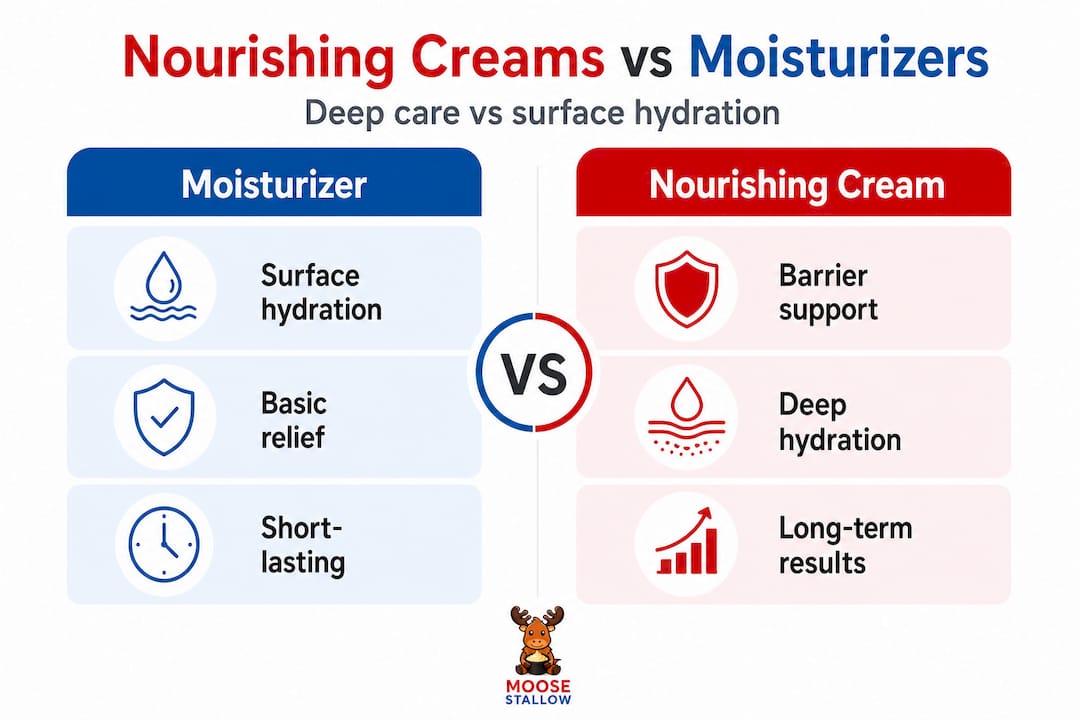
Statistic to keep in mind: In clinical comparisons, barrier-repair formulas consistently outperform basic moisturizers in every category that matters for dry and sensitive skin, from transepidermal water loss (TEWL) reduction to skin smoothness scores.
Tallow-based creams versus other natural options
With the benefits in mind, it’s helpful to see how nourishing creams compare, especially tallow-based choices beloved by natural skincare fans.
Tallow is rendered beef fat, and it has been used on skin for generations across many cultures. What makes it stand out today is how closely its fatty acid profile matches human skin’s own sebum (the natural oil your skin produces). That compatibility means it absorbs well, does not sit on the skin like a barrier, and delivers fats your skin already recognizes.
Here is a quick look at how different cream types stack up:
| Cream type | Lipid compatibility | Absorption | Ingredient simplicity | Hydration improvement |
|---|---|---|---|---|
| Tallow-based | Very high | Fast | High | 22 to 25% better than some alternatives |
| Plant oil-based | Moderate | Varies | Moderate | Good, but missing some lipids |
| Synthetic/conventional | Low | Variable | Low | Surface level |
Clinical studies report that barrier repair and increased skin lipids are consistent benefits of NMF-enhanced creams, and tallow-based formulas naturally deliver several of those same lipids.
Here is how to identify the best option for your needs:
- Check your skin type. Dry and mature skin often benefits most from richer, fat-based creams like tallow. Oily or combination skin may prefer lighter plant oils.
- Read the ingredient list. Fewer, purposeful ingredients generally mean less risk of irritation.
- Consider the source. Grass-fed beef tallow tends to be higher in fat-soluble vitamins like A, D, E, and K, which all support skin health.
- Think about texture preference. Tallow-based creams feel rich and warming without being heavy or greasy when properly formulated.
When comparing tallow vs plant-based creams directly, or looking at tallow vs plant oils side by side, tallow’s unique lipid profile is consistently what sets it apart. If you have already tried plant-based options without full satisfaction, it may be worth exploring why people choose tallow for sensitive skin as their first choice.
Pro Tip: If you are new to tallow-based skincare, start with a small amount on your forearm before applying it to your face. Most people find it absorbs beautifully, but everyone’s skin responds differently, and a patch test is always a smart move.
How to incorporate nourishing creams into your routine
You’ve seen the science and comparisons. Now let’s get practical about putting nourishing creams to use in your skincare routine.
A great product used poorly still delivers poor results. Timing and method matter more than most people realize. Here is a simple, effective approach:
- Cleanse gently first. Harsh soaps strip the very lipids you are trying to restore. Use a mild, fragrance-free cleanser or even just water in the evening.
- Apply to damp skin. Right after washing, while your skin is still slightly moist, apply your nourishing cream. Moisture on the skin gives the humectants something to work with.
- Use morning and evening. Barrier-repair moisturizers show significantly better results with consistent daily use. Once a day is better than nothing, but twice is where the real improvement happens.
- Layer thoughtfully. If you use a serum with hyaluronic acid or niacinamide, apply it first while skin is damp, then seal it in with your nourishing cream on top.
- Avoid rubbing aggressively. Press and gently smooth the cream in rather than pulling at your skin. This is especially important for mature or very sensitive skin.
Common mistakes to avoid include applying too little product, skipping application on tough days, and combining too many active ingredients at once when your skin is already compromised. Consistency with a simple routine beats complexity every time.
Learning more about natural skincare benefits can help you build a routine that is both effective and sustainable long term.
A holistic approach: What most people miss with nourishing creams
Beyond routines and comparisons, here is a rarely discussed but crucial angle for real, lasting results.
Most people approach skincare as a problem-solving exercise. They buy a cream when something goes wrong, use it for a few days, and then move on. That approach almost never works. Skin barrier repair is a process that takes weeks, not days. The clinical improvements we have talked about, the ceramide increases, the reduced itching, the lower TEWL scores, those are outcomes measured over consistent use periods of four to eight weeks, not overnight.
What we see at Moose’s Tallow is that the people who get the best results are the ones who commit to ingredient-conscious, simple routines and stick with them. They are not chasing trends or layering six products. They are using clean, purposeful ingredients every single day with care.
The other thing most people overlook is the role of product purity. A cream labeled “nourishing” can still contain synthetic preservatives, artificial fragrances, and filler ingredients that irritate sensitive skin. Marketing language is not the same as ingredient reality. When you turn a jar over and can actually read and understand the ingredient list, that is usually a very good sign. Understanding the deeper tallow benefits reinforces why simple, whole-ingredient formulas often outperform complex ones.
Holistic skincare is not complicated. It is mindful. It means choosing products with intention, applying them consistently, and trusting that your skin will respond when you give it what it actually needs.
Discover science-backed nourishment for your skin
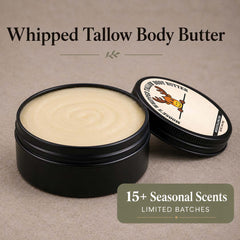
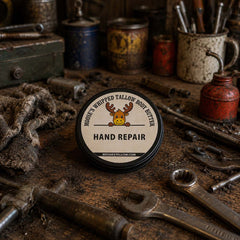
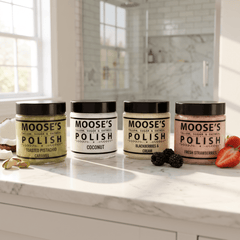
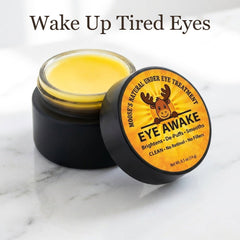
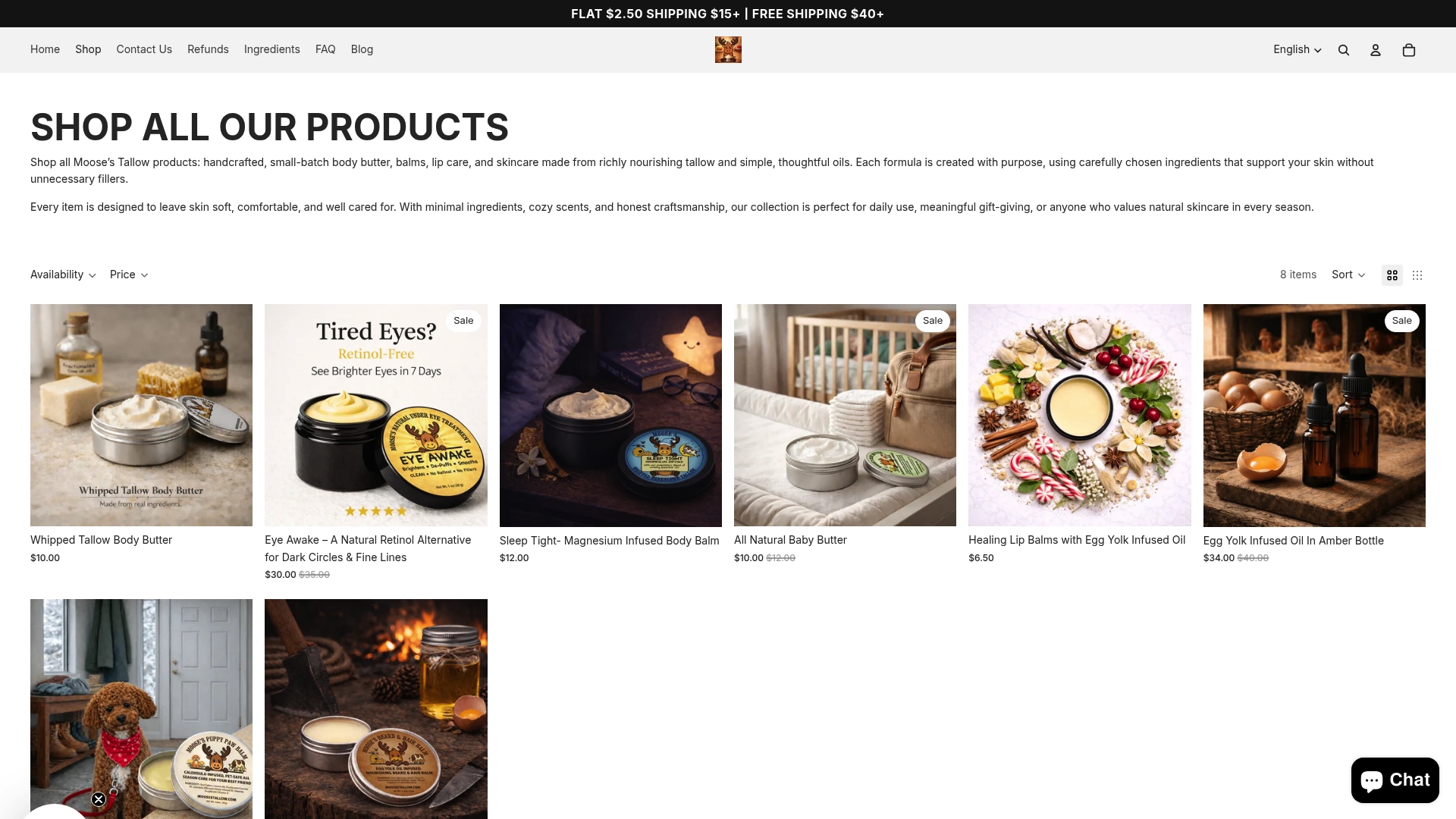
Ready to put all of this into practice? At Moose’s Tallow, we build every product around ingredients that genuinely earn their place. Our tallow-based creams are handcrafted in small batches using thoughtfully sourced beef tallow, carefully chosen oils, and vitamins your skin can actually use. No unnecessary fillers. No harsh synthetics. Just honest, effective formulas made for dry, sensitive, and everyday skin. If you are looking for nourishment that works from the outside in, browse the full Moose’s Tallow collection and find the formula that fits your routine.
Frequently asked questions
How do nourishing creams differ from regular moisturizers?
Nourishing creams actively restore the skin barrier with ingredients like ceramides and natural moisturizing factors, while regular moisturizers mainly add temporary surface hydration. Research confirms that an NMF-lipids cream improved filaggrin, hyaluronic acid, and skin lipids, which are all essential for barrier repair.
Are nourishing creams safe for sensitive or allergy-prone skin?
Yes, many nourishing creams are specifically formulated for sensitive skin and have been shown to reduce irritation and dryness with consistent use. Clinical studies confirm that barrier-repair creams significantly improve outcomes for sensitive skin types.
What ingredients should I look for in a nourishing cream?
Seek out ceramides, hyaluronic acid, niacinamide, and natural oils or butters for deep nourishment and barrier support. Niacinamide lotions increase ceramides and reduce itching, making them particularly valuable for dry, reactive skin.
How often should I apply nourishing cream for best results?
Apply nourishing cream at least twice daily, morning and evening, especially right after cleansing. Barrier-repair moisturizers show greater results with consistent daily use compared to occasional application.


0 comments