

En resumen:
- La piel del bebé es más delgada y pierde humedad más rápido que la piel adulta, por eso necesita un cuidado constante y en el momento justo. Aplicar la crema dentro de los tres minutos después del baño retiene bien la hidratación, y la elección del producto y el clima influyen en cómo ajustas la rutina. Combinar lociones ligeras, cremas más espesas y masajes con aceite favorece la salud de la barrera de la piel, el vínculo afectivo y la regulación fisiológica a lo largo de las distintas edades y estaciones.
La piel de tu bebé no solo es sensible. Es estructuralmente distinta a la tuya, y eso cambia por completo la forma en que la cuidas. Las rutinas de hidratación eficaces para bebés van más allá de tomar una loción suave del estante. La piel del bebé es entre 20 y 30% más delgada que la piel adulta y pierde humedad más rápido. Eso significa que el momento, el tipo de producto y la constancia importan más de lo que muchos padres primerizos creen. Esta guía te lleva por siete métodos comprobados, desde cremas y ungüentos hasta técnicas de masaje con aceite, para que armes una rutina que de verdad funcione.
Puntos clave
| Punto | Detalles |
|---|---|
| Aplica dentro de los 3 minutos | La crema aplicada justo después del baño retiene la hidratación mucho mejor que si la aplicas tarde. |
| Adapta el producto al clima | Usa lociones ligeras en clima cálido y húmedo, y cremas o ungüentos más espesos en clima frío y seco. |
| Elige ingredientes limpios | Las fórmulas sin fragancia e hipoalergénicas, con ingredientes que cumplen un propósito, protegen mejor la piel sensible del bebé. |
| El masaje apoya más que la piel | Las rutinas regulares de masaje con aceite reducen el estrés del bebé, favorecen el vínculo y mejoran la regulación fisiológica. |
| Adapta la rutina a medida que crece tu bebé | Ajusta la frecuencia de hidratación, la densidad del producto y la técnica según la edad, el estado de la piel y la estación. |
1. Entender qué hace diferentes a las rutinas de hidratación para bebés
El término clínico reconocido para proteger la humedad de la piel del bebé es manejo de la pérdida transepidérmica de agua (TEWL), y es la base de toda recomendación de cuidado de la piel pediátrica que vas a encontrar.
La piel del bebé produce menos lípidos naturales que la piel adulta. Eso significa que la barrera que retiene la humedad es más delgada y menos estable. El viento, el aire seco, el agua del baño e incluso el roce de la ropa pueden agotar esa humedad rápidamente. La meta de una buena rutina de cuidado de la piel del bebé es reponer y sellar esa hidratación antes de que se escape.
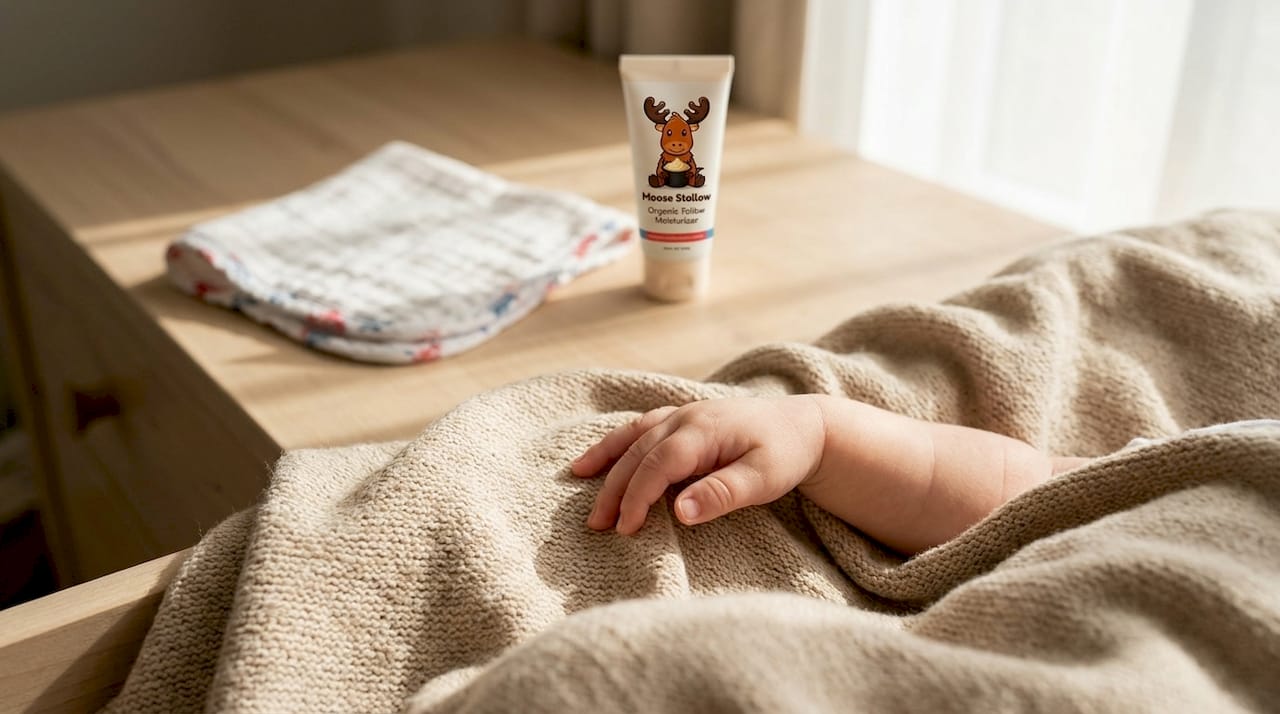
La buena noticia es que esto no requiere productos caros ni complicados. Requiere el momento adecuado, la fórmula correcta para tu entorno y constancia.
2. La técnica de “remojar y sellar”
Este es el concepto más importante en la hidratación de la piel del bebé. La idea es sencilla: baña a tu bebé en agua tibia por no más de cinco a diez minutos y luego aplica la crema dentro de los 3 minutos después de secar la piel con toques suaves. Esa breve ventana es cuando los poros están abiertos y la piel puede absorber y retener la humedad de forma más eficaz.
Si pierdes esa ventana, obtienes una capa superficial en lugar de una hidratación real. Aplicarla tarde deja una capa grasosa sobre la piel en vez de sellar la humedad dentro de ella. Muchos padres no se dan cuenta de que esta diferencia importa.
Consejo: Deja la crema lista antes del baño para tenerla al alcance de la mano. Deberías estar aplicándola antes de terminar de secar la última extremidad de tu bebé.
3. Cómo elegir entre cremas, lociones y ungüentos
El formato de tu hidratante importa tanto como los ingredientes. Así puedes pensarlo:
- Las lociones a base de agua se absorben rápido y se sienten ligeras. Funcionan bien para el uso diario en climas cálidos y húmedos, donde los productos pesados resultan incómodos.
- Las cremas contienen más aceite que las lociones. Ofrecen una hidratación más fuerte y son mejores para la piel seca o el clima frío.
- Los ungüentos son los más oclusivos. Crean un sello protector y son especialmente útiles para las zonas secas y propensas al eczema.
Para el cuidado diario del rostro, las cremas sin fragancia e hipoalergénicas desarrolladas con dermatólogos pediátricos reducen el riesgo de irritación. La frecuencia también importa. Incluso la mejor fórmula necesita varias aplicaciones al día para mantener hidratada la cara del bebé, sobre todo antes de comer y antes de dormir.
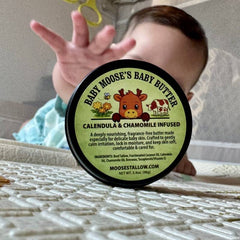
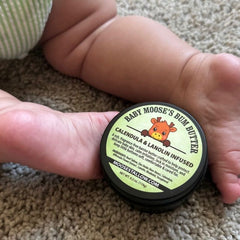
La Baby Butter de Moosestallow usa sebo de res como base, mezclado con aceite de coco fraccionado y cera de abeja. El sebo es estructuralmente similar a los lípidos de la piel humana, lo que le permite absorberse sin quedarse en la superficie. El aceite de coco fraccionado es el vehículo preferido aquí porque es estable, resiste la oxidación, se absorbe con facilidad y dura más que los aceites más pesados. Puedes leer más sobre los beneficios de hidratación del sebo específicamente para la piel del bebé.
4. Rutinas a base de aceite y masaje para bebés
Aplicar aceite bien hecho es más que cuidado de la piel. Es un ritual que apoya el sistema nervioso de tu bebé.
Los masajes de aceite habituales mejoran el ritmo cardíaco del bebé y su seguridad emocional. Las investigaciones relacionan de forma constante el contacto y el masaje regulares con una mejor regulación del estrés y un vínculo más fuerte entre padre e hijo. Ese es un beneficio fisiológico real, no solo una sensación agradable.
Aquí tienes una rutina sencilla de masaje con aceite que puedes seguir:
- Espera de 30 a 45 minutos después de comer para evitar molestias por reflujo.
- Calienta una pequeña cantidad de aceite entre tus palmas antes de tocar la piel de tu bebé.
- Empieza por las piernas y los pies, con movimientos largos y lentos.
- Sigue con los brazos y luego la espalda, con suaves movimientos circulares.
- Evita la cara, el cuero cabelludo y cualquier zona irritada.
- Mantén la habitación cálida y sin corrientes de aire.
El aceite de coco fraccionado es una buena opción aquí. Se absorbe sin tapar los poros, se mantiene estable con el tiempo y no se pone rancio rápido. Moosestallow también añade tocoferoles (vitamina E) y jojoba en algunas fórmulas, y ambos apoyan la barrera de la piel sin aditivos innecesarios.
Consejo: Antes de introducir cualquier aceite nuevo, haz una prueba de parche de 24 horas en la parte interna del codo o detrás de la rodilla. Si no hay enrojecimiento ni reacción, es seguro usarlo más ampliamente.
5. Comparación de tus opciones de hidratación lado a lado
| Tipo | Nivel de hidratación | Ideal para | Clima adecuado | Frecuencia |
|---|---|---|---|---|
| Loción a base de agua | Ligera | Piel normal a un poco seca | Cálido y húmedo | Una o dos veces al día |
| Crema | Moderada a fuerte | Piel seca o sensible | Templado a frío | Dos veces al día |
| Ungüento | Fuerte | Eczema, piel agrietada | Frío y seco | Según se necesite, en zonas específicas |
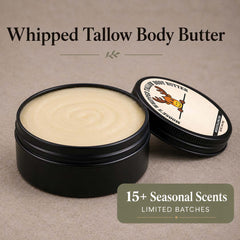
| Manteca de sebo | Fuerte | Piel sensible o con la barrera dañada | Todos los climas | Una o dos veces al día |
| Masaje con aceite vehicular | Profunda y gradual | Hidratación y vínculo afectivo | Todos los climas | A diario, aparte del baño |
Combinar métodos funciona bien. Una crema a base de sebo justo después del baño cubre la ventana de remojar y sellar. Un suave masaje con aceite más tarde en el día, antes de dormir, favorece una absorción más profunda y una rutina relajante para la hora de acostarse. No tienes que elegir un solo método.
6. Ajustar la rutina según la edad, el estado de la piel y la estación
Lo que funciona para un bebé de dos semanas no es lo que necesita uno de seis meses. Así puedes adaptarte:
- Recién nacidos (0 a 4 semanas): Limita los baños a dos o tres veces por semana. El vérnix, la capa blanca presente al nacer, es un hidratante natural. Deja que se absorba solo. Seca la piel con toques suaves y aplica una capa fina de crema solo donde haga falta.
- Bebés más grandes (a partir de 4 meses): Aumenta la hidratación después de estar al aire libre, con la calefacción seca de interiores, o si la piel se ve opaca o descamada.
- Eczema o zonas secas persistentes: Usa cremas o ungüentos más espesos de forma constante, no solo cuando las cosas se ven mal. La aplicación diaria construye y mantiene la barrera con el tiempo.
- Ajustes de invierno: La calefacción de interiores le quita humedad al aire. La ropa suave de algodón y un humidificador ayudan a mantener la piel hidratada entre aplicaciones.
- Ajustes de verano: Las fórmulas más ligeras y las aplicaciones más frecuentes pero más finas evitan la acumulación en clima cálido.
Consejo: Si la piel de tu bebé no responde a la hidratación constante en una o dos semanas, habla con tu pediatra. El enrojecimiento, la descamación o la irritación persistentes pueden indicar una condición que necesita más que un producto de venta libre.
Para profundizar en la hidratación de la piel sensible en formato paso a paso, Moosestallow tiene una guía completa que combina bien con este artículo.
Lo que he aprendido cuidando la piel de los bebés cada día
He pasado años viendo a padres luchar con un problema del que no se habla lo suficiente. El problema no es que usen los productos equivocados. Es que no son constantes, o esperan a que las cosas se vean mal antes de actuar.
El cuidado de la barrera de la piel es preventivo. No esperas a que haya sequía para regar un jardín. La misma lógica aplica a la piel del bebé. En mi experiencia, las familias que arman una rutina simple y repetible, baño, crema y algún masaje con aceite antes de dormir, ven la mayor diferencia con el tiempo. No porque usen algo sofisticado, sino porque son constantes.
También creo profundamente en la transparencia de los ingredientes. Cuando miro lo que lleva un producto de Moosestallow, quiero poder nombrar cada ingrediente y explicar por qué está ahí. El sebo siempre es la estrella porque nada más hace lo que él hace por la biología de la piel. Pero el aceite de coco fraccionado, la cera de abeja y los tocoferoles cumplen cada uno una función. Nada está ahí para rellenar.
Confía en ti como padre. Notarás cuándo algo funciona y cuándo no. Une ese instinto con ingredientes limpios y una aplicación constante, y tendrás una rutina de verdad.
Brian
Prueba las cremas hidratantes naturales para bebés de Moosestallow
Moosestallow hace cremas hidratantes para bebés con una sola prioridad: cada ingrediente se gana su lugar. Empezando por sebo de res bien procesado, cada fórmula está hecha para apoyar la barrera de la piel de tu bebé sin rellenos innecesarios ni aditivos sintéticos. El aceite de coco fraccionado, la cera de abeja, los tocoferoles y la jojoba se eligen con cuidado por su desempeño, no por rellenar. Si estás listo para probar algo honesto y eficaz, explora toda la colección para bebés de Moosestallow y encuentra una fórmula que se adapte a la piel de tu bebé y a tu rutina diaria.
Preguntas frecuentes
¿Cuál es el mejor momento para hidratar la piel del bebé?
Aplica la crema hidratante dentro de los tres minutos después del baño, mientras la piel sigue un poco húmeda. Esa ventana de “remojar y sellar” es cuando la piel retiene mejor la hidratación.
¿Con qué frecuencia debo hidratar la piel de mi bebé?
Una o dos veces al día es lo normal para la piel sana de un bebé. Las zonas secas, el eczema o el clima de invierno pueden requerir aplicarla con más frecuencia.
¿Las cremas hidratantes naturales para bebés son seguras para los recién nacidos?
Sí, cuando son sin fragancia, hipoalergénicas y sin sintéticos agresivos. Haz siempre una prueba de parche con cualquier producto nuevo en la parte interna del codo durante 24 horas antes de usarlo por completo.
¿Es seguro usar sebo en la piel del bebé?
El sebo de res es estructuralmente compatible con los lípidos de la piel humana y se ha usado por generaciones. Se absorbe bien y apoya la barrera de la piel sin aditivos sintéticos.
¿Puedo usar aceites en lugar de crema para hidratar al bebé?
Los aceites funcionan bien como parte de una rutina de masaje y ofrecen una absorción gradual y profunda. Para sellar después del baño, una crema o una manteca a base de sebo suele ser más eficaz para retener la hidratación rápidamente.
Recomendados
- Proceso para hidratar la piel sensible: guía paso a paso – Moose’s Tallow
- Beneficios del sebo para bebés: 30% más hidratación y protección – Moose’s Tallow
- Qué es el confort en el cuidado de la piel sensible y de bebés – Moose’s Tallow
- Cremas hidratantes naturales: cuidado de la piel más seguro para la familia – Moose’s Tallow


0 comentarios