


Las alternativas naturales para las patas de tu perro son tratamientos hidratantes y protectores diseñados para apoyar unas almohadillas sanas y reducir la irritación por factores del entorno. El cuidado de las patas del perro, llamado formalmente manejo de la pododermatitis cuando hay inflamación, abarca desde la hidratación diaria hasta la protección de la barrera frente a la sal, el hielo, el pavimento caliente y el terreno áspero. El enfoque natural correcto usa ingredientes bien elegidos que se absorben limpio, protegen la barrera de la piel y siguen siendo seguros si tu perro se lame las patas. Esta guía cubre qué funciona, qué evitar y cómo armar una rutina sencilla que tu perro tolere.
1. ¿Qué hace eficaz a una alternativa natural para las patas del perro?
Un cuidado natural eficaz de las patas empieza por el ingrediente base. Una buena base hidrata a fondo, apoya la barrera de la piel y se mantiene estable en el estante. El sebo de riñonada de res y el aceite de coco fraccionado aportan esa base estable y compatible con la piel que muchos aceites vegetales sencillamente no logran igualar.
Características clave de un producto natural para patas seguro y eficaz:
- Base hidratante: El sebo de riñonada de res tiene un perfil de ácidos grasos cercano a los propios aceites de la piel. Se absorbe limpio y apoya la barrera natural de la almohadilla.
- Aceite portador estable: El aceite de coco fraccionado resiste la oxidación, se absorbe con facilidad y alarga la vida útil. Supera al aceite de oliva, de almendra y de semilla de uva en esas tres áreas.
- Cera protectora: La cera de abeja crea una barrera física que retiene la humedad y mantiene fuera los irritantes.
- Apoyo antioxidante: La vitamina E (tocoferoles) acondiciona la piel y frena la degradación del producto.
- Sin aceites esenciales tóxicos: Los perros se lamen las patas. Muchos aceites esenciales no son seguros para los perros si se ingieren, así que un bálsamo seguro los deja fuera por completo.
- Frescura en lotes pequeños: Lotes más pequeños significan un producto más fresco. Los aceites rancios irritan la piel en lugar de calmarla.
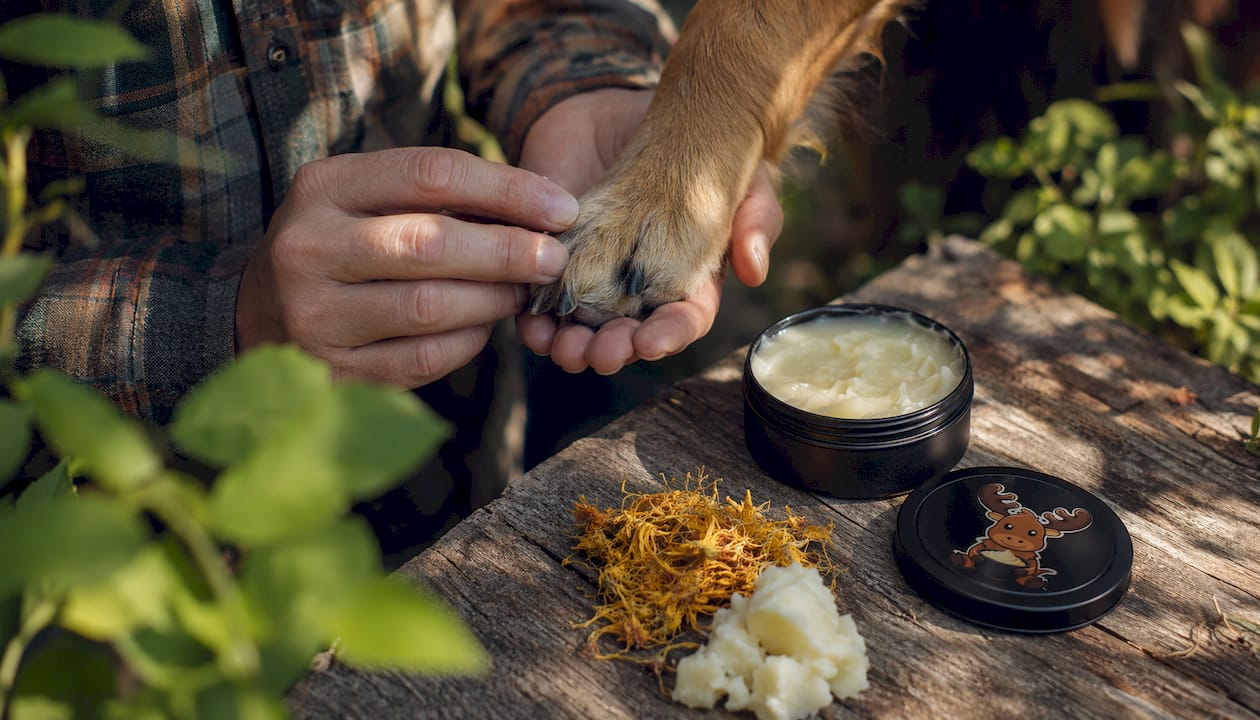
Consejo práctico: Aplica el bálsamo justo antes de que tu perro se acomode para una siesta o para dormir. Menos lamido significa mejor absorción y más tiempo de contacto.
Los bálsamos naturales son un cuidado de apoyo, no tratamientos por sí solos. Los bálsamos para patas suavizan las almohadillas secas, pero no reemplazan el diagnóstico ni los tratamientos con receta para infecciones o alergias. Si las patas de tu perro están persistentemente rojas, hinchadas o en carne viva, la visita al veterinario va primero.
2. Sebo de riñonada de res: el ingrediente estrella
El sebo de riñonada de res es la base más compatible con la piel disponible para el cuidado natural de las patas. Su estructura de ácidos grasos se parece mucho a los aceites naturales de la piel, lo que significa que se absorbe sin quedarse en la superficie ni dejar una película grasosa. Esa compatibilidad lo hace de verdad útil, no solo un ingrediente de moda.
La mayoría de los productos comerciales para patas dependen de manteca de karité, aceite de oliva o aceite de almendra. Estos aceites vegetales se oxidan más rápido, se absorben menos y a menudo necesitan conservadores para mantenerse estables. El sebo no necesita esos añadidos. Es estable por naturaleza cuando se derrite bien, y trabaja con la piel en lugar de recubrirla.
Moose’s Tallow usa sebo de riñonada de res de animales alimentados con pasto, derretido localmente, como base de cada producto. El proceso de derretido importa. Un sebo bien derretido es limpio, de olor neutro y libre de impurezas que podrían irritar las almohadillas sensibles. El sebo es siempre la estrella de la fórmula. Todo lo demás lo apoya.
3. Los mejores ingredientes naturales para calmar y proteger las patas
Cada ingrediente de un bálsamo para patas bien formulado se gana su lugar. Esto es lo que aportan a la fórmula las mejores opciones naturales:
- Sebo de riñonada de res: Nutre y apoya la barrera de la piel. Se absorbe limpio sin tapar los poros ni dejar residuo.
- Aceite de coco fraccionado: El aceite portador preferido para los bálsamos de patas. Estable, ligero y resistente a la oxidación. Alarga la vida útil del producto y mejora cómo se extiende el bálsamo.
- Cera de abeja: Crea una capa protectora transpirable sobre la almohadilla. Retiene la humedad y protege de la sal, los químicos para derretir hielo y el pavimento caliente.
- Vitamina E (tocoferoles): Un antioxidante natural que acondiciona la piel y ayuda a conservar la fórmula. Apoya la barrera de la piel a nivel celular.
- Aceite de jojoba: Se parece mucho al sebo natural de la piel. Añade una capa hidratante ligera sin pesadez.
- Aceite de ricino: Espeso y oclusivo. Ayuda a sellar la humedad en las almohadillas secas o agrietadas.
- Aceite infusionado con yema de huevo: Ofrece propiedades nutritivas únicas. Rico en lecitina, que apoya la suavidad y la flexibilidad de la piel.
Consejo práctico: Revisa el orden de la lista de ingredientes. El primer ingrediente representa la mayor parte de la fórmula. Si el agua o un aceite de relleno encabeza la lista, los ingredientes activos están diluidos.
El aceite de oliva, la manteca de karité y el aceite de almendra aparecen en muchos productos naturales para patas, pero se oxidan rápido y pueden ponerse rancios antes de que se acabe el producto. El aceite rancio sobre una almohadilla causa irritación, no alivio. El aceite de coco fraccionado evita ese problema por completo. Para el apoyo a la barrera de la piel, el ingrediente base importa más que cualquier añadido individual.
4. Cómo hacer o elegir con seguridad un bálsamo natural para patas de perro
Ya sea que hagas el tuyo o compres un producto listo, aplican los mismos principios de seguridad. Sigue estos pasos:
- Usa cantidades medidas. Calcular las proporciones a ojo lleva a una textura inconsistente y a un rendimiento impredecible. Una báscula de cocina y medidas precisas producen un bálsamo confiable cada vez.
- Haz lotes pequeños. Usar el lote pequeño en 1 o 2 semanas evita que se ponga rancio. Un bálsamo que huele mal debe desecharse, no usarse.
- Excluye por completo los aceites esenciales tóxicos. Los aceites esenciales tóxicos como el de árbol de té y los cítricos requieren contacto veterinario inmediato si se ingieren. Los perros se lamen las patas constantemente, así que cualquier producto tópico también es un producto ingerido. Deja fuera los aceites esenciales.
- Aplica en el momento correcto. Aplica el bálsamo antes de los periodos de descanso en interiores o de dormir. Menos actividad significa menos lamido y más tiempo para que el bálsamo se absorba.
- Usa botitas o un collar isabelino después de aplicar. Los collares isabelinos reducen las lesiones que el perro se causa a sí mismo y permiten que los tratamientos tópicos se absorban bien. Las botitas para perro cumplen el mismo propósito al aire libre.
- Elige productos con listas de ingredientes transparentes. Si una etiqueta indica “fragancia”, “parfum” o “extractos botánicos” sin nombrar, la fórmula no es del todo transparente. Evítala.
- Prioriza las bases de sebo de res y aceite de coco fraccionado. Estos dos ingredientes ofrecen la mejor combinación de compatibilidad con la piel, estabilidad y absorción. Los productos hechos con ellos necesitan menos aditivos para rendir bien.
Cuando compres uno ya hecho, busca bálsamos artesanales para mascotas hechos en lotes pequeños con ingredientes nombrados y con propósito. Una lista de ingredientes corta y honesta es señal de calidad, no un atajo.
5. Prácticas complementarias de cuidado natural de las patas
Un bálsamo por sí solo no es una rutina completa de cuidado de patas. Estos hábitos diarios y semanales protegen las patas antes de que empiecen los problemas:
- Limpia las patas después de cada paseo. La sal, los químicos para derretir hielo, los pesticidas y la mugre de la calle se acumulan en las almohadillas. Un paño húmedo los retira antes de que tu perro se los lama. Limpiar las patas después de los paseos elimina químicos y reduce el daño por la exposición repetida a irritantes.
- Recorta el exceso de pelo entre los dedos. El pelo largo entre los dedos atrapa hielo, mugre y humedad. Recortarlo evita que se formen bolas de hielo en invierno y reduce la posibilidad de irritación de la piel durante todo el año.
- Usa botitas para perro en condiciones severas. Las botitas bloquean el contacto directo con el pavimento caliente, las aceras con sal y el suelo congelado. Son la forma más directa de protección de patas disponible.
- Revisa las patas con regularidad. Revisa entre los dedos y a lo largo de los bordes de la almohadilla en busca de enrojecimiento, hinchazón, cortes u objetos extraños. Detectar un problema pequeño a tiempo evita uno más grande después.
- Prueba remojos seguros para las patas. Un remojo breve en agua fresca con avena natural o manzanilla puede calmar una irritación leve. Mantén el remojo simple y sin jabones añadidos, aceites esenciales ni productos de cuidado de la piel para humanos.
- Evita las cremas humanas de venta libre. Las cremas y lociones de manos para humanos contienen fragancias, conservadores y agentes que ajustan el pH que no son seguros para los perros. La seguridad del aroma en productos para mascotas es una preocupación real, y los productos para humanos no están formulados pensando en el lamido.
- Mantén la constancia. Una rutina aplicada de tres a cuatro veces por semana rinde más que un tratamiento intenso ocasional. Las patas sanas se mantienen, no se rescatan.
Puntos clave
El cuidado natural de las patas funciona mejor cuando combina un bálsamo seguro a base de sebo con hábitos diarios constantes y supervisión veterinaria ante cualquier problema persistente o que empeore.
| Punto | Detalles |
|---|---|
| El sebo supera a los aceites vegetales | El sebo de riñonada de res se absorbe limpio y apoya la barrera de la piel mejor que las alternativas a base de oliva, almendra o karité. |
| El aceite de coco fraccionado es el mejor portador | Resiste la oxidación, se absorbe con facilidad y alarga la vida útil más que la mayoría de los otros aceites portadores. |
| Los aceites esenciales son un riesgo real | Los aceites esenciales tóxicos como el de árbol de té y los cítricos deben excluirse de cualquier bálsamo que los perros puedan lamer. |
| Aplica antes del descanso para mejores resultados | Aplicar el bálsamo antes de dormir o del tiempo tranquilo en interiores reduce el lamido y maximiza el tiempo de absorción. |
| Los bálsamos apoyan, los veterinarios tratan | Los bálsamos naturales para patas hidratan y protegen, pero el enrojecimiento o la hinchazón persistentes requieren un diagnóstico profesional. |
Lo que he aprendido sobre el cuidado natural de las patas después de años haciéndolo
Empecé Moose’s Tallow porque leí la etiqueta de una loción y no reconocí la mayor parte de lo que contenía. Ese mismo problema aparece en los productos para mascotas, tal vez aún más. He visto bálsamos para patas con más de 20 ingredientes, incluyendo mezclas de fragancia y aceites esenciales que ningún perro debería estar lamiendo de sus almohadillas.
Esto es lo que sé con certeza: una lista de ingredientes corta no es una concesión. Es señal de que cada ingrediente se eligió a propósito. El sebo de riñonada de res, el aceite de coco fraccionado, la cera de abeja y la vitamina E hacen el trabajo. No necesitas diez ingredientes más para obtener resultados.
La otra cosa que le digo a la gente es esta: natural no significa automáticamente seguro. El aceite de árbol de té es natural. El aceite cítrico es natural. Ambos son genuinamente peligrosos para los perros. La palabra “natural” en una etiqueta no es una garantía de seguridad. La lista de ingredientes sí lo es.
También quiero ser honesto sobre lo que un bálsamo puede y no puede hacer. Los dermatólogos veterinarios ven los bálsamos naturales para patas como un cuidado de apoyo, no como un tratamiento primario. Si las patas de tu perro están crónicamente inflamadas, agrietadas o infectadas, un bálsamo no arreglará la causa de fondo. Ayudará a mantener la comodidad mientras tu veterinario atiende el problema real. Ese es el papel correcto para él, y creo que ser claro al respecto genera más confianza que prometer de más.
— Brian Smith
Bálsamo para patas de Moose’s Tallow: ingredientes honestos, resultados reales
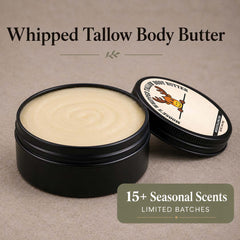
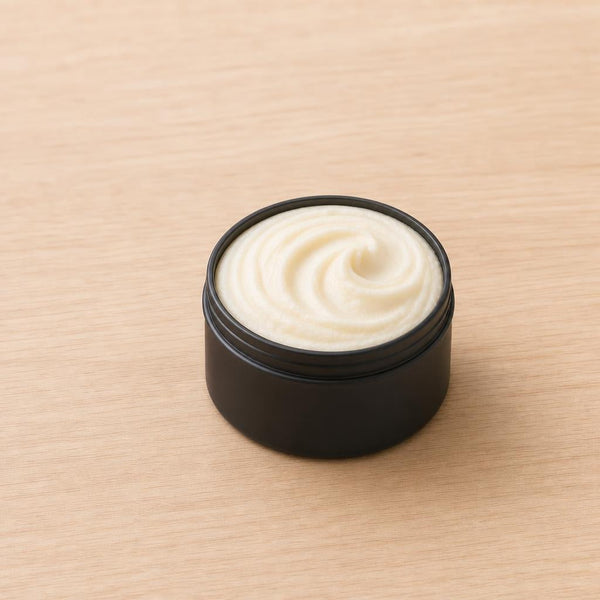
Moose’s Tallow construye cada producto sobre sebo de riñonada de res de animales alimentados con pasto, bien derretido. El bálsamo para patas de mascotas usa la misma filosofía sin agua y de mínima dilución que cada uno de los demás productos de la línea. El sebo de riñonada de res, el aceite de coco fraccionado, la cera de abeja y la vitamina E forman la fórmula central. Sin rellenos, sin fragancia, sin ingredientes que no puedan ganarse su lugar. Cada lote se hace a mano en pequeñas cantidades en Lebanon, PA, así que el producto que recibes es fresco y consistente. Si las patas de tu perro necesitan hidratación real y apoyo a la barrera, esta es la fórmula hecha para eso. Todos los pedidos incluyen una garantía de 60 días.
Preguntas frecuentes
¿Cuál es la base más segura para un bálsamo natural para patas de perro?
El sebo de riñonada de res y el aceite de coco fraccionado son los ingredientes base más seguros y eficaces. Se absorben limpio, apoyan la barrera de la piel y se mantienen estables sin conservadores sintéticos.
¿Los aceites esenciales son seguros para las patas de perro?
La mayoría de los aceites esenciales no son seguros para los perros. Los aceites de árbol de té, cítricos y menta son tóxicos si se ingieren, y los perros se lamen las patas con frecuencia. Un bálsamo seguro para patas excluye por completo los aceites esenciales, a menos que un veterinario los haya aprobado específicamente.
¿Con qué frecuencia debo aplicar bálsamo en las patas de mi perro?
Aplicar bálsamo de tres a cuatro veces por semana mantiene sanas las almohadillas. Aplícalo antes de los periodos de descanso en interiores para reducir el lamido y permitir que el bálsamo se absorba por completo.
¿Un bálsamo natural para patas puede reemplazar el tratamiento veterinario?
No. Los bálsamos naturales para patas hidratan y protegen, pero no tratan infecciones, alergias ni inflamación. El enrojecimiento, la hinchazón o la secreción persistentes requieren un diagnóstico veterinario.
¿Qué hábitos diarios protegen las patas del perro entre aplicaciones de bálsamo?
Limpiar las patas después de los paseos, recortar el exceso de pelo entre los dedos, revisar si hay cortes o enrojecimiento y usar botitas en clima severo reducen la irritación y apoyan la salud de las patas a largo plazo.


0 comentarios