


TL;DR:
- Scent significantly influences pet behavior, emotional well-being, and stress responses through species-specific communication. Using safe, species-appropriate products, especially pheromone-based and scent-free formulas, helps support pet health and comfort. Careful ingredient review and observation ensure pets are not exposed to toxic or stressful aromas, promoting overall well-being.
Scent is defined as one of the most powerful forces shaping your pet’s emotional state, behavior, and sense of security. The role of scent in pet products goes far beyond making a shampoo smell pleasant. Dogs and cats process the world primarily through their noses, and the aromas in every toy, balm, or grooming product you choose directly affect how your pet feels. The American Kennel Club (AKC) recognizes olfaction as central to canine health and communication. Understanding this helps you make smarter, safer choices for the animals in your care.
How scent affects pet behavior and emotional well-being
Scent is a primary communication tool for both dogs and cats. Dogs use smell to identify other animals, read emotional cues, and regulate their own mood. Cats depend on scent to mark territory, bond with their owners, and manage stress in unfamiliar environments. The importance of scent in pet care is not a marketing claim. It is biology.
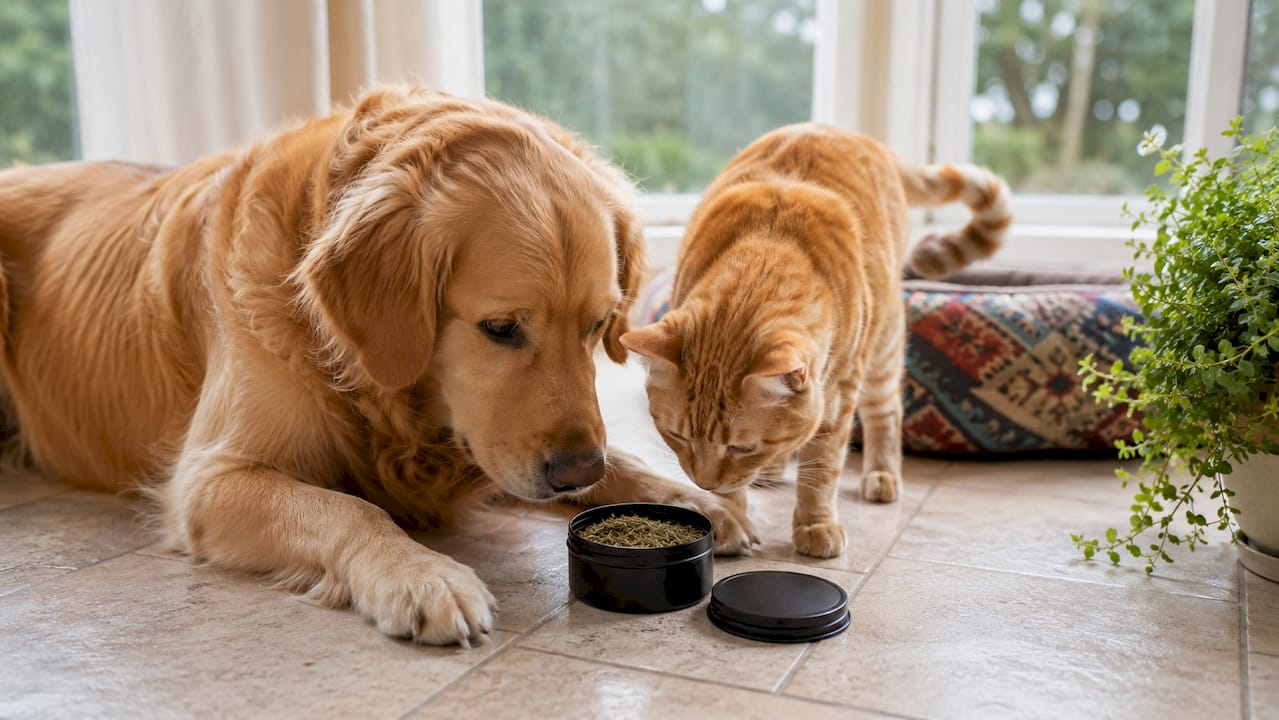
Research on 55 dogs with controlled essential oil exposure found that lavender and chamomile produced measurably calmer behavior, with dogs resting more and vocalizing less. Rosemary and peppermint had the opposite effect, stimulating activity and alertness. This means the scent you choose for a dog’s bed spray or grooming product is not neutral. It actively shapes how your dog behaves.
Cats carry long-lasting scent memories that affect their stress responses and daily behavior. A familiar scent on a blanket can calm a cat in a new home. An unfamiliar chemical smell on a new toy can trigger avoidance or anxiety. Scent enrichment, like hiding treats or using scent-based puzzle toys, also supports mental health in dogs by engaging their natural foraging instincts.
Key behavioral signals to watch for after introducing a new scented product:
- Increased relaxation or sleep (positive response)
- Excessive sneezing, pawing at the face, or drooling (negative response)
- Hiding or leaving the room (avoidance signal)
- Increased vocalization or restlessness (stress signal)
Pro Tip: Introduce any new scented product in a small, open space first. Watch your pet for 15 to 20 minutes before allowing extended contact.
How do dogs and cats differ in scent sensitivity?
Dogs and cats are not interchangeable when it comes to scent safety. Cats have significantly more scent receptors than humans and are physiologically more sensitive to aromatic compounds. More critically, cats lack a liver enzyme needed to metabolize many essential oil compounds. This makes oils that are tolerable for dogs genuinely toxic to cats.
The AKC warns that essential oils pose risks to dogs through inhalation and ingestion, and the risks are even more serious for cats. The Pet Poison Helpline identifies tea tree, eucalyptus, peppermint, and citrus oils as particularly dangerous for cats.
| Scent or oil | Safe for dogs? | Safe for cats? |
|---|---|---|
| Lavender (diluted) | Generally yes, with caution | No, avoid entirely |
| Chamomile (diluted) | Generally yes, with caution | No, avoid entirely |
| Tea tree | No, toxic | No, highly toxic |
| Eucalyptus | No, toxic | No, highly toxic |
| Peppermint | No, toxic | No, highly toxic |
| Citrus oils | No, irritating to toxic | No, toxic |
| Synthetic pheromones | Yes, species-specific | Yes, species-specific |
Always consult your veterinarian before using any essential oil product around your pets. Species, age, and health status all affect how a pet responds to aromatic compounds.
Pro Tip: Never assume a product is safe because it is labeled “natural.” Natural does not mean non-toxic to pets. Check every ingredient.
What scents and products are actually safe for pets?
The most evidence-backed approach to calming pets through scent uses pheromone-based products rather than essential oils. A 2026 BMC Veterinary Research study with 21 cats showed that synthetic feline facial pheromone (F3 analogue) reduced stress scores and supported healthy cardiovascular parameters during clinical exams. Pheromone products like Feliway for cats and Adaptil for dogs are formulated to mimic species-specific chemical signals, making them far safer than broad-spectrum essential oil diffusers.
For dogs specifically, diluted lavender and chamomile in grooming products have shown calming effects in controlled studies. These work best when applied to bedding or used in rinse-off grooming products rather than left-on skin applications.
Scent also plays a direct role in pet food. A 2023 review found that aroma drives food preference in cats, with freshness and consistency of scent influencing voluntary intake. This is why high-quality wet foods and treats with stable, appealing aromas tend to outperform heavily processed options with artificial fragrance masking.
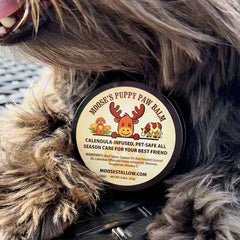
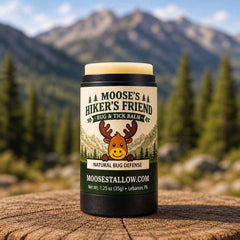
For grooming and skincare products, the safest formulas use minimal fragrance and rely on skin-compatible base ingredients. Moosestallow uses beef suet tallow, fractionated coconut oil, and beeswax as core ingredients. Fractionated coconut oil is particularly well-suited for pet products because of its stability, resistance to oxidation, and easy absorption. These ingredients nourish the skin barrier without relying on synthetic fragrance or harsh additives.
Safe scent considerations for pet products include:
- Pheromone-based diffusers and sprays (species-specific formulas only)
- Diluted lavender or chamomile in rinse-off dog grooming products
- Fragrance-free or lightly scented balms with clean base ingredients
- Scented enrichment items like snuffle mats with food-based aromas
Practical tips for choosing and using scented pet products safely
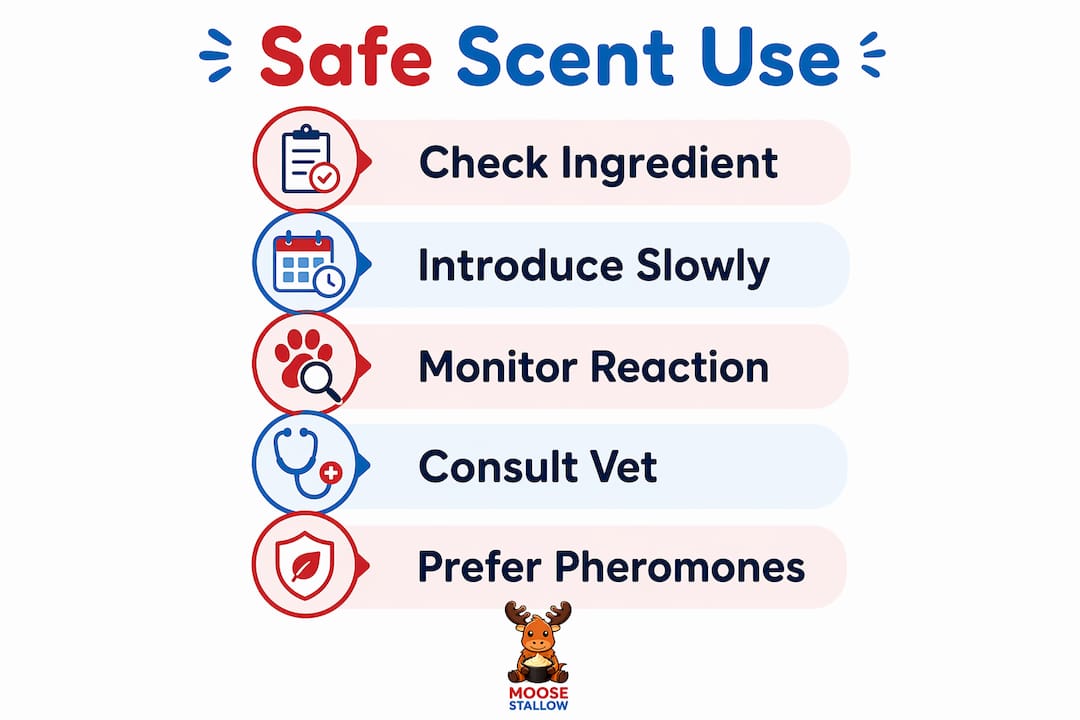
Choosing the right scented product starts with reading the ingredient list carefully. Avoid any product containing tea tree, eucalyptus, peppermint, clove, cinnamon, or citrus oils, especially if you have cats. Look for products that list every ingredient clearly, with no vague terms like “fragrance blend.”
Follow these steps when introducing any scented product into your home:
- Read the full ingredient list before purchasing. Reject any product with unlisted “fragrance” components.
- Consult your vet if your pet has respiratory issues, liver conditions, or is very young or elderly.
- For diffusers, limit sessions to 30 minutes or less and always leave the room door open so pets can exit.
- Never apply essential oils directly to your pet’s skin or fur, even diluted versions.
- Use familiar scents, like a worn t-shirt or a pet’s own bedding, to comfort animals in new environments or during travel.
- Monitor your pet for 24 hours after introducing any new scented product. Stop use immediately if you notice hiding, drooling, or labored breathing.
The fragrance impact on pet behavior is real and measurable. Treating scent as a neutral background element in pet products is a mistake most owners make without realizing it.
Pro Tip: When using a pheromone diffuser, follow the study-based protocol: prepare the room 30 minutes before your pet enters, and maintain consistent exposure timing for best results.
Key takeaways
Scent in pet products is a direct behavioral and physiological input, not a cosmetic detail. Choosing the wrong aroma can cause stress, toxicity, or avoidance, while the right one can calm, comfort, and enrich your pet’s daily life.
| Point | Details |
|---|---|
| Scent shapes behavior | Lavender calms dogs; wrong oils cause stress or toxicity in both species. |
| Cats face higher risk | Cats lack the liver enzyme to process many essential oils safely. |
| Pheromones outperform oils | Synthetic pheromone products have stronger clinical evidence for calming pets. |
| Ingredient transparency matters | Choose products with fully listed, clean ingredients and no vague “fragrance” terms. |
| Observe your pet | Hiding, drooling, or sneezing after scent exposure signals a problem. Stop use immediately. |
Why “natural” scent still requires honest scrutiny
I’ve seen a lot of well-meaning pet owners reach for lavender sprays or chamomile-infused grooming products because they read “natural” on the label and assumed that settled the question. It doesn’t. The AKC’s guidance on essential oils is clear: natural origin does not equal pet safety, and the dose and delivery method matter enormously.
What I’ve found actually works is a simpler standard. Ask whether every ingredient in a product has a clear, documented purpose. If a scent is present, ask why it’s there and whether it’s been tested for the species you own. Pheromone products earn their place because the research supports them. A grooming balm built on beef suet tallow, fractionated coconut oil, and beeswax earns its place because those ingredients do real work on skin and coat without relying on synthetic fragrance to mask a poor formula.
The pets that fare best are the ones whose owners treat scent as a serious input, not an afterthought. Watch your animal. Trust what you observe. And choose products where the maker can tell you exactly what is in the formula and why.
— Brian
Explore Moosestallow’s naturally formulated pet care
At Moosestallow, every product starts with a clear purpose. Beef suet tallow is the foundation because it nourishes skin deeply and supports the barrier without fillers. Fractionated coconut oil brings stability and easy absorption. Beeswax seals and protects. Tocopherols and jojoba round out formulas that are intentional from the first ingredient to the last. There are no mystery fragrance blends and no synthetic additives hiding behind a pleasant smell. If you want pet care products built on honest ingredients and safe scent formulation, browse the full Moosestallow collection and find what your pet actually needs.
FAQ
What is the role of scent in pet products?
Scent in pet products directly affects your pet’s emotional state, stress levels, and behavior. The right aromas can calm, comfort, and enrich your pet’s environment, while the wrong ones can cause avoidance, stress, or toxicity.
Are essential oils safe to use around cats?
Most essential oils are not safe for cats. Cats lack the liver enzyme needed to process many aromatic compounds, making oils like tea tree, eucalyptus, and peppermint toxic even in small amounts.
What scents calm dogs most effectively?
Lavender and chamomile have the strongest evidence for calming dogs. A study of 55 dogs found these scents produced measurably lower activity and vocalization compared to stimulating oils like rosemary and peppermint.
Are pheromone products better than essential oils for pets?
Yes. Synthetic pheromone products have stronger clinical evidence for reducing stress in cats and dogs than general essential oil fragrances, and they carry a much lower risk of toxicity.
How do I know if my pet is reacting badly to a scented product?
Watch for hiding, excessive sneezing, drooling, pawing at the face, or labored breathing. These signals indicate a negative reaction, and you should remove the product and ventilate the space immediately.


0 comments