

TL;DR:
- Muchos humectantes naturales pueden irritar la piel sensible o apoyar mal la barrera cutánea, a pesar de lo que promete el marketing.
- Elegir humectantes seguros para la familia requiere transparencia en los ingredientes, ingredientes que apoyen la barrera cutánea y un buen origen, en lugar de confiar solo en las etiquetas de “natural”.
La mayoría de los padres suponen que, si algo dice “natural”, tiene que ser más seguro para la piel de su familia. Es una idea comprensible y el marketing detrás de ella es convincente. Pero la ciencia cuenta una historia más matizada. Algunos humectantes naturales de verdad cumplen su promesa, mientras que otros pueden irritar la piel sensible, tapar los poros o echarse a perder sin aviso. Esta guía deja atrás la confusión y se centra en lo que de verdad importa: fórmulas honestas, transparencia en los ingredientes y resultados reales con los que toda tu familia se puede sentir bien.
Puntos clave
| Punto | Detalles |
|---|---|
| Lo natural no siempre es más seguro | La seguridad de un humectante depende de la formulación y los ingredientes, no solo de la etiqueta. |
| Beneficios y riesgos del sebo | El sebo puede hidratar la piel seca, pero puede ser riesgoso para quienes tienen piel propensa al acné y necesita un manejo cuidadoso. |
| Evalúa para toda la familia | Opta por productos que prioricen el apoyo a la barrera cutánea y las propiedades hipoalergénicas, sobre todo para los niños. |
| La evidencia gana a las etiquetas | Elige humectantes respaldados por la investigación y marcas confiables en lugar de promesas de marketing. |
Cómo funcionan realmente los humectantes naturales
Con tanto ruido alrededor del término “natural”, conviene empezar por lo básico: ¿qué hacen realmente los humectantes por tu piel?
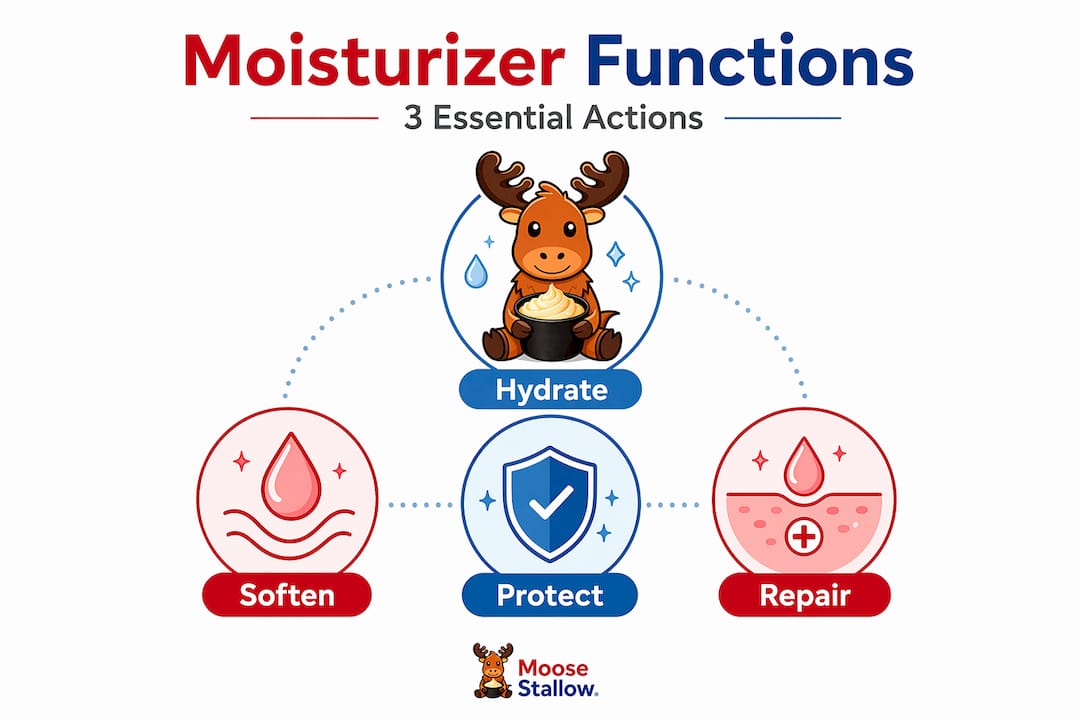
Todo humectante eficaz funciona mediante uno o más de tres mecanismos básicos. Los humectantes atraen agua hacia la piel. Los emolientes alisan y suavizan la superficie de la piel al llenar los espacios entre las células. Los oclusivos forman una capa protectora sobre la piel para evitar que el agua se evapore. Las buenas fórmulas suelen usar una combinación de los tres.
Los ingredientes naturales pueden contribuir a cada una de estas funciones. La miel y el aloe vera actúan como humectantes. Los aceites vegetales como la jojoba o la rosa mosqueta actúan como emolientes. Y las sustancias más espesas como la cera de abejas o el sebo funcionan como oclusivos. Lo más importante aquí es que los humectantes naturales pueden reponer los lípidos de la piel y reducir la pérdida de agua, mejorando la sequedad y la función de barrera. Pero lo “natural” por sí solo no garantiza que el ingrediente sea eficaz o seguro para todo tipo de piel.
Aquí tienes una referencia rápida de cómo se comparan estos tres mecanismos:
| Mecanismo | Cómo funciona | Ejemplos naturales |
|---|---|---|
| Humectante | Atrae la humedad hacia la piel | Aloe vera, miel, glicerina |
| Emoliente | Alisa y suaviza las células de la piel | Aceite de jojoba, manteca de karité, emolientes naturales |
| Oclusivo | Sella la humedad y bloquea la pérdida de agua | Cera de abejas, sebo, manteca de cacao |
“Los lípidos son fundamentales para mantener la función de barrera de la piel. Sin una reposición adecuada de lípidos, incluso la piel bien hidratada perderá humedad rápidamente.” Según investigaciones dermatológicas sobre el apoyo a la barrera cutánea.
Entender los principales beneficios de los humectantes naturales significa mirar más allá de la etiqueta y preguntarte: ¿qué está haciendo realmente este ingrediente por la estructura de mi piel?
Consejo: cuando leas la etiqueta de un humectante, busca al menos un humectante, un emoliente y un oclusivo. Un producto que solo cumple una función probablemente se está perdiendo el panorama completo.
Humectantes a base de sebo: beneficios y precauciones importantes
Como el sebo es uno de los humectantes naturales de los que más se habla, es fundamental analizar qué lo hace especial y dónde importan sus limitaciones.
El sebo de res es grasa animal procesada, y su perfil de ácidos grasos es realmente parecido al de los lípidos de la piel humana. Esa compatibilidad biológica es real, y por eso el sebo funciona bien como oclusivo para muchas personas. Sella la humedad, suaviza las zonas ásperas y se absorbe bastante bien sin quedarse pesado en la superficie. Para las personas con piel muy seca o madura, el sebo puede ser una opción realmente eficaz.
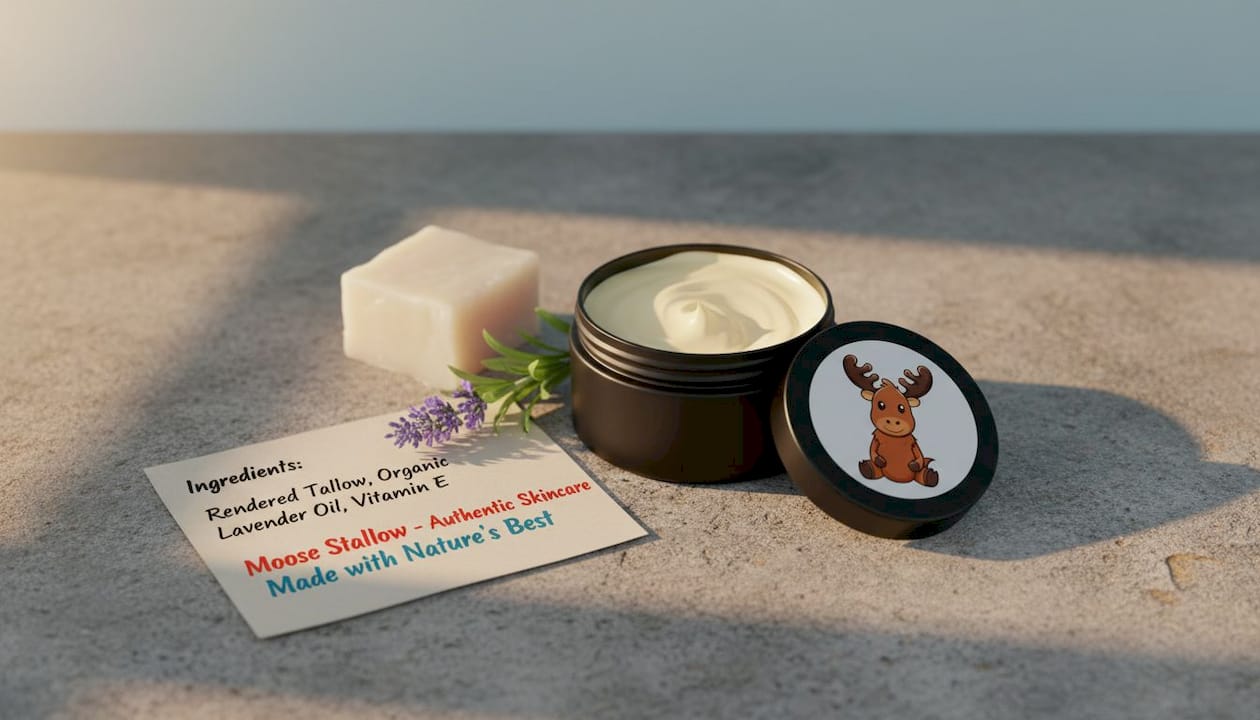
Pero no es la opción adecuada para todos. El sebo puede ser demasiado pesado para la piel grasa o propensa al acné y conlleva riesgo de echarse a perder si no se procesa o almacena bien. Ese riesgo vale la pena tomarlo en serio. El sebo de mal origen o mal procesado puede oxidarse, ponerse rancio o albergar contaminación. La evidencia sobre la seguridad y el poder comedogénico del sebo todavía es limitada, y los riesgos incluyen contaminación y oxidación, además de la falta de algunos lípidos de barrera presentes en las fórmulas modernas.
Así se compara el sebo con otras opciones naturales comunes para humectar:
| Ingrediente | Ideal para | Posibles inconvenientes |
|---|---|---|
| Sebo de res | Piel muy seca, madura o mixta | Piel propensa al acné; se echa a perder si se almacena mal |
| Manteca de karité | Piel sensible o propensa al eczema | Puede sentirse grasosa; rara sensibilidad al látex |
| Aceite de jojoba | Casi todo tipo de piel, incluida la grasa | Mínimos; bien tolerado por la mayoría |
| Manteca de cacao | Piel seca, uso corporal | Puede tapar los poros en algunas personas; textura pesada |
| Aceite de coco | Zonas secas, cuerpo | Alto índice comedogénico; evítalo en el rostro |
Cuando el sebo se obtiene, procesa y almacena bien, es un ingrediente realmente valioso. La palabra clave ahí es “bien”. La calidad del origen importa muchísimo, y comparar la hidratación del sebo frente a los aceites vegetales depende de las necesidades específicas de tu piel y del cuidado puesto en la formulación.
- Elige productos de sebo de marcas que revelen su origen y su proceso de elaboración
- Evita los productos sin fechas claras de caducidad o de lote
- Si tienes piel propensa al acné, haz una prueba cuidadosa antes de usarlo a diario
- Guarda los productos de sebo lejos del calor y la luz para evitar la oxidación
Consejo: un buen producto de sebo debe oler limpio y suave, nunca rancio ni penetrante. Si un producto tiene un olor desagradable o agrio, es señal de oxidación. Confía en tu nariz.
Seguridad y cómo elegir humectantes naturales aptos para la familia
Conociendo los riesgos, ¿cómo puedes elegir con confianza un humectante natural que toda tu familia pueda usar, sobre todo con niños o piel sensible?
Lo más importante que hay que entender es que elegir un humectante seguro para la familia depende más de la calidad de la formulación, el apoyo a la barrera cutánea y los componentes hipoalergénicos que de una etiqueta de “natural” por sí sola. Un producto “natural” con extractos botánicos no revelados puede provocar reacciones alérgicas con la misma facilidad que uno sintético. Lo que de verdad importa es la transparencia.
Aquí tienes un marco práctico para evaluar cualquier humectante antes de que toque la piel de tu familia:
- Lee la lista completa de ingredientes. Si no la encuentras, eso ya es una señal de alerta. Todos los ingredientes deben estar claramente indicados.
- Fíjate en la fragancia. La fragancia es uno de los sensibilizantes de la piel más comunes, sobre todo en los niños. Opta por fórmulas sin fragancia siempre que sea posible.
- Busca ingredientes que apoyen la barrera cutánea. Las ceramidas, la glicerina, el escualano y los ácidos grasos apoyan la capa protectora natural de la piel.
- Verifica la información del lote. Los productos artesanales deben tener fechas de lote e información clara sobre su vida útil. Esto es especialmente importante en los productos a base de sebo.
- Haz una prueba con cada producto nuevo. Aplica una pequeña cantidad en la parte interna del brazo, espera de 24 a 48 horas y revisa si hay alguna reacción antes de usarlo en más zonas.
La FDA no exige aprobación previa a la venta de los ingredientes cosméticos, y la calidad de los productos puede variar mucho, lo que supone riesgos reales de contaminación. Por eso comprar a marcas con procesos transparentes importa mucho más que cualquier promesa de marketing.
“No todos los ingredientes naturales son seguros para todo tipo de piel, y no todos los ingredientes sintéticos son dañinos. La formulación en su conjunto determina tanto la seguridad como la eficacia.” Según el consenso de la investigación en cuidado de la piel.
Usa la lista de verificación de seguridad de productos de sebo como punto de partida para evaluar cualquier producto nuevo que traigas a casa.
Señales de alerta a las que prestar atención:
- Frases vagas como “mezcla exclusiva” sin ninguna explicación
- Sin información sobre la vida útil o la fecha de caducidad
- Olores fuertes o inusuales en productos sin aroma
- Afirmaciones engañosas de “100 % natural” sin transparencia en los ingredientes
Natural o sintético: ¿qué importa de verdad para una humectación eficaz?
Dejando atrás el debate entre lo natural y lo sintético, centrémonos en pruebas prácticas de lo que importa para la salud de tu piel.
Lo más útil que nos dice la investigación es esto: los humectantes bien formulados, ya sean naturales o sintéticos, mejoran la hidratación y apoyan la barrera cutánea. El origen de un ingrediente importa mucho menos que cómo se formula, se prueba y se usa. Un humectante sintético bien elaborado con ceramidas puede superar a uno natural de mal origen siempre, sin excepción.
| Factor | Humectante natural | Humectante sintético |
|---|---|---|
| Apoyo a la barrera cutánea | Depende de la formulación | Depende de la formulación |
| Riesgo de alérgenos | Puede ser mayor (extractos botánicos) | Puede ser menor si no tiene fragancia |
| Estabilidad y conservación | Puede ser menor sin conservantes | Generalmente más estable |
| Transparencia de ingredientes | Varía según la marca | Varía según la marca |
| Eficacia | Respaldada por evidencia cuando está bien formulado | Respaldada por evidencia cuando está bien formulado |
El patrón es claro: la calidad de la formulación es el factor decisivo siempre. Comparar el sebo con las cremas de origen vegetal para la hidratación revela que ambos pueden funcionar de maravilla, con los ingredientes adecuados y una elaboración honesta.
Qué priorizar al evaluar cualquier humectante:
- Concentraciones clínicamente relevantes de ingredientes activos
- Evidencia de apoyo a la barrera cutánea (ceramidas, ácidos grasos, humectantes)
- Divulgación clara y completa de los ingredientes
- Pruebas hipoalergénicas para uso familiar
- Origen honesto con documentación de lotes
Los ingredientes que de verdad benefician la piel están respaldados por investigaciones consistentes, sin importar si vienen de un laboratorio o de una granja.
El verdadero secreto para elegir un humectante seguro para tu familia
Alejándonos un poco de la investigación, esta es una perspectiva que pocas guías de cuidado de la piel comparten.
Hemos visto cómo la conversación sobre el cuidado natural de la piel ha cambiado con los años, y algo que siempre estorba a las buenas decisiones es suponer que “natural” y “seguro” son lo mismo. No lo son. Lo aprendí de primera mano, no en un libro, sino probando productos en la piel de mi propia familia y viendo qué pasaba cuando el origen y la formulación no se tomaban en serio.
La verdad es que tanto los humectantes naturales como los sintéticos pueden ser maravillosos o problemáticos. Lo que separa a un producto confiable de uno riesgoso casi nunca es si viene de una planta o de un laboratorio. Es si la marca detrás se preocupa lo suficiente por ser honesta sobre lo que hay en el frasco, de dónde viene y cómo se hizo.
La mayoría de los padres con los que hablo buscan esa tranquilidad. Quieren saber que el producto que toman cada mañana no va a dañar la piel de su hijo ni a colar algo innecesario. La manera de encontrar esa tranquilidad no es perseguir una etiqueta de “natural”. Es encontrar marcas que lo revelen todo, prueben con cuidado y pongan la calidad de la formulación por encima del marketing.
Empieza por desmentir los mitos sobre el sebo que se han acumulado en los espacios en línea y reemplázalos por preguntas que de verdad importan: ¿Cuál es el proceso de origen? ¿Cómo son las pruebas de cada lote? ¿Incluye esta fórmula un apoyo real a la barrera cutánea? Ese tipo de razonamiento le servirá a tu familia mucho más que cualquier afirmación de la etiqueta.
Prueba una humectación segura para la familia con ingredientes naturales de confianza
¿Listo para mejorar la rutina de humectación de tu familia? En Moose's Tallow, creamos cada producto en torno a la pureza de los ingredientes, un origen honesto y un apoyo real a la barrera cutánea. Nuestro sebo se procesa con cuidado, nuestras fórmulas son intencionales y nada se gana un lugar en el frasco a menos que de verdad le sirva a tu piel. Ya sea que empieces con nuestros bálsamos labiales de sebo reparadores para la comodidad diaria o que explores nuestra línea completa de productos de cuidado de la piel totalmente naturales, encontrarás fórmulas diseñadas pensando en la seguridad de tu familia. Ingredientes simples. Transparencia de verdad. Una comodidad que sientes desde el primer uso.
Preguntas frecuentes
¿Los humectantes naturales siempre son más seguros que los sintéticos?
No, la seguridad depende de la fórmula completa, las pruebas y cómo reacciona tu piel, no solo de si un ingrediente es “natural” o sintético. La calidad de la formulación y los componentes hipoalergénicos importan mucho más que la etiqueta por sí sola.
¿Los humectantes a base de sebo pueden tapar los poros o causar acné?
El sebo puede ser demasiado pesado para la piel grasa o propensa al acné y podría tapar los poros, sobre todo si no está bien formulado o almacenado. Los dermatólogos señalan que el riesgo de que se eche a perder también es una preocupación real cuando el sebo no se procesa correctamente.
¿Qué ingredientes debo buscar en un humectante natural seguro?
Busca componentes que apoyen la barrera de la piel, como ceramidas, escualano y glicerina, y fíjate en etiquetas hipoalergénicas o sin fragancia. La calidad de una formulación segura para la familia importa más que cualquier ingrediente por sí solo.
¿Cómo puedo saber si un humectante natural es seguro para mi hijo?
Elige productos sin fragancia e hipoalergénicos, y luego haz una prueba en una zona pequeña de la piel antes de usarlo con frecuencia. La transparencia de la formulación y el apoyo a la barrera cutánea son los indicadores más confiables de una opción segura para los niños.
Recomendado
- Principales ventajas de los humectantes naturales para una piel más sana – Moose's Tallow
- Humectantes naturales para piel sensible: lo que de verdad funciona – Moose's Tallow
- El cuidado natural de la piel explicado: beneficios para la piel sensible – Moose's Tallow
- Tipos de humectantes naturales: las mejores opciones para piel sensible – Moose's Tallow


0 comentarios