

TL;DR:
- Effective moisturizers support the skin barrier through humectants, emollients, and occlusives, regardless of labels.
- Natural ingredients like glycerin, shea butter, squalane, ceramides, and beeswax provide proven hydration benefits.
- Consistent daily application, especially after bathing, is key for skin health in all ages and pets.
Picking a moisturizer feels simple until you’re standing in the aisle reading labels full of promises. Words like “natural,” “clean,” and “plant-based” are everywhere, but they don’t always tell you what the product actually does for your skin. If you’re caring for your whole family, including babies with sensitive skin or even a beloved pet, the stakes feel even higher. This article breaks down what really makes a moisturizer effective, which ingredients are worth your attention, and how to make a confident choice based on evidence rather than marketing language.
Key Takeaways
| Point | Details |
|---|---|
| Barrier health focus | Effective moisturizers keep skin hydrated and strong by reducing water loss, not just by being called natural. |
| Ingredient matters | Look for humectants, emollients, and occlusives in your moisturizer for best results. |
| Patch-test is vital | Even natural ingredients can cause reactions so always patch-test, especially for sensitive skin or eczema. |
| Consistency wins | Applying your moisturizer daily, especially after bathing, gives the greatest benefits for all ages and pets. |
How natural moisturizers work: Beyond the label
It’s tempting to assume that anything labeled “natural” is automatically better for your skin. The reality is a little more nuanced, and understanding it will make you a smarter shopper for your whole family.
Every effective moisturizer works through one or more of three core mechanisms. Knowing these mechanisms helps you read ingredient lists with real confidence:
- Humectants attract water from the environment and the deeper layers of skin, pulling moisture toward the surface. Glycerin and hyaluronic acid are the most recognized examples.
- Emollients fill the tiny gaps between skin cells, creating a smoother texture and a softer feel. Shea butter, squalane, and plant-based oils are classic emollients.
- Occlusives form a physical seal over the skin’s surface, slowing down water evaporation. Beeswax, tallow, and petrolatum all function this way.
The best moisturizers often combine all three. What matters most is how well a product supports the skin barrier, which is the outermost layer that keeps moisture in and irritants out. Barrier health relies on hydration and support, meaning reduced transepidermal water loss (the technical term for moisture evaporating through your skin) and a smoother, more intact surface, not on whether the formula is labeled “natural.”
The word “natural” describes where an ingredient comes from, not what it does once it’s on your skin. Efficacy comes from formulation and consistent use.
For families focused on natural skincare for sensitive skin, the most important factor beyond mechanism is tolerability. A product your baby or toddler can wear every day without irritation is worth far more than one with an impressive ingredient list that causes a reaction.
Key ingredients that deliver moisture naturally
Once you understand how moisturizers function, the ingredient list becomes a lot less intimidating. There are well-researched natural ingredients that genuinely perform, and knowing them helps you choose products with confidence.
Here’s a quick breakdown of the top performers by category:
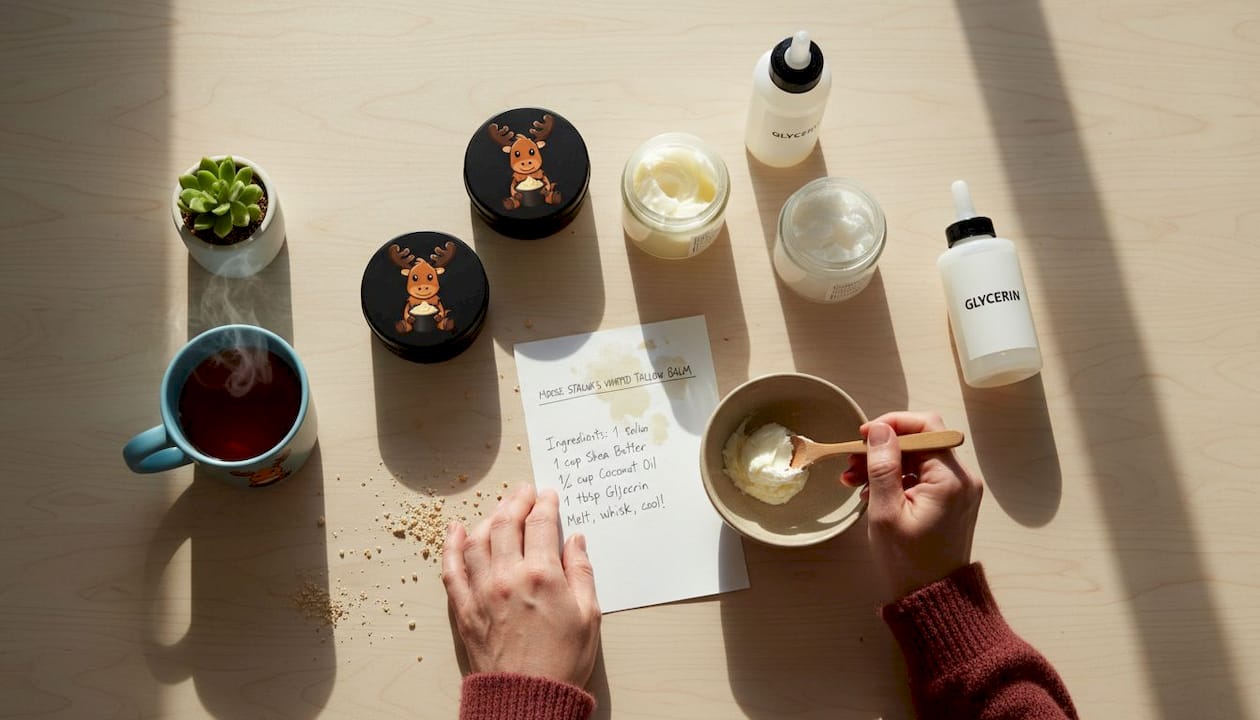
- Glycerin: A reliable humectant that draws water into the skin. It’s inexpensive, gentle, and well-tolerated by most skin types.
- Hyaluronic acid: Another humectant, naturally present in the body, known for holding many times its weight in water.
- Shea butter: A rich emollient packed with fatty acids that smooth and soften without clogging pores for most users.
- Squalane: A lightweight, stable emollient that absorbs quickly and suits oily or acne-prone skin especially well.
- Beeswax: A natural occlusive that creates a breathable protective layer, ideal for balms and thicker creams.
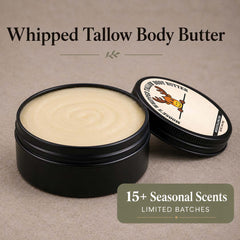
- Beef tallow: A traditional occlusive and emollient with a fatty acid profile very similar to human sebum (the skin’s own oil), which supports absorption and barrier repair.
- Ceramides: Lipids that are actually found in healthy skin. When applied topically, they help rebuild a compromised barrier.
Humectants like glycerin and occlusive or emollient lipids reduce dryness by attracting water and limiting water loss. And natural moisturizing factors along with barrier-repair lipids, including ceramides, cholesterol, and humectants, can objectively improve skin hydration and quality with regular use.
| Ingredient | Type | Best for |
|---|---|---|
| Glycerin | Humectant | All skin types, daily use |
| Hyaluronic acid | Humectant | Dehydrated or mature skin |
| Shea butter | Emollient | Dry, rough skin |
| Squalane | Emollient | Oily, sensitive, or acne-prone skin |
| Beeswax | Occlusive | Lips, hands, barrier protection |
| Beef tallow | Occlusive + emollient | Dry, irritated, or sensitive skin |
| Ceramides | Barrier-repair lipid | Eczema-prone or damaged skin |
For moisture retention that goes beyond the surface, options like lanolin for hydration or other rich barrier ingredients are worth exploring. If you want a deeper look at individual ingredients, reviewing best moisturizing ingredients can help you evaluate what belongs in your routine.
Pro Tip: Always reach for fragrance-free formulas when shopping for babies, young children, or anyone with sensitive or reactive skin. Fragrance is one of the most common causes of skin irritation, and it adds no moisturizing benefit whatsoever.
Advantages for all: Babies, adults, and pets
The right moisturizer looks a little different depending on who’s wearing it. Here’s how to think about natural moisturizing across your whole household.
-
Babies: Infant skin has a thinner, more permeable barrier than adult skin. Applying a fragrance-free, thick cream or ointment right after bath time, while skin is still slightly damp, locks in moisture before it evaporates. The AAP recommends applying moisturizers liberally at least once daily, especially after bathing, to manage barrier dysfunction in babies prone to dryness or eczema.
-
Adults: Adults can typically tolerate a wider range of formulas. Lotions work well for oily or normal skin, while creams and ointments suit dry or eczema-prone skin. Applying immediately after washing hands or showering makes a measurable difference in how well the product absorbs.
-
Older adults: Skin produces fewer natural oils with age. Richer, occlusive-forward formulas help compensate for this and protect against moisture loss throughout the day.
-
Pets: Dogs and cats can experience dry, cracked skin, especially on paws and noses. Pet-safe moisturizers exist specifically for this purpose. Never apply a product intended for humans to your pet without confirming it’s safe for animal skin. Some natural oils and essential oils that are harmless to people are toxic to dogs or cats.
Regular moisturizing is a core evidence-based strategy to repair the skin barrier and reduce eczema flares. This applies to both children and adults managing sensitive or reactive skin.
For those dealing with active skin concerns, eczema relief with natural moisturizers is a topic worth exploring in more detail. Consistent application is the single most important variable across all age groups, including your four-legged family members.
Side-by-side: Natural vs. conventional moisturizers
Understanding the differences between natural and conventional options helps you make a clearer call based on your family’s priorities and budget.
| Factor | Natural moisturizers | Conventional moisturizers |
|---|---|---|
| Ingredient sourcing | Plant, animal, or mineral origin | Synthetic or petroleum-derived ingredients common |
| Fragrance and allergen risk | Generally lower, but not zero | Higher risk from synthetic fragrance and preservatives |
| Eco-friendliness | Often biodegradable, lower environmental load | Synthetic ingredients can persist in waterways |
| Cost | Varies widely, often moderate to higher | Wide range, often less expensive at entry level |
| Shelf life | Shorter without synthetic preservatives | Typically longer |
| Efficacy | Strong when formulated with proven ingredients | Strong when formulated with proven ingredients |
The key takeaway from that table is that both categories can be effective. Natural options often carry a lower risk of exposure to certain synthetic preservatives, artificial dyes, and petrochemicals that some consumers prefer to avoid. However, they are not automatically safer for everyone. Natural ingredients can still trigger reactions, and patch-testing is especially important for anyone with eczema-prone or reactive skin.
A few things to keep in mind when evaluating your options:
- Short ingredient lists are not always better, but they are easier to evaluate.
- “Unscented” is not the same as “fragrance-free.” Unscented products may still contain fragrance to mask the smell of other ingredients.
- Look for products that clearly identify every ingredient by its standard name, not vague terms like “botanical complex.”
- Review the qualities of natural skincare to understand what distinguishes genuinely clean formulas from those that are just marketed that way.
- When choosing a natural moisturizer, consider skin type, age of the user, and any known sensitivities before committing to a full-size product.
Patch-testing on a small area of skin for a few days before broad use is always a smart move, even with the gentlest formulas.
A fresh take: Why consistency and ingredients matter more than the word ‘natural’
Here’s something I think about a lot: the skincare industry has done an impressive job convincing people that the label is the product. “Natural” became a purchase trigger rather than a meaningful description. The truth is that a conventional moisturizer used faithfully every day after bathing will outperform a beautifully packaged natural cream that sits unused on your shelf.
The real advantage of natural formulations is not the label. It’s that they tend to rely on ingredients with longer track records, simpler compositions, and fewer synthetic additives that accumulate in your body and the environment over time. That matters. But it only matters if the formula also contains proven lipids and humectants that actually do the work of hydrating and protecting your skin. Prioritize both: the right ingredients and the right habit.
Explore natural moisturizers for skin and family
If you’re ready to move from reading labels to actually trusting what you put on your skin and your family’s, we make that easy. At Moose’s Tallow, every product is built around ingredients that earn their place. From babies to adults to pets, our small-batch formulas use carefully chosen tallow, oils, waxes, and vitamins to support real skin health without unnecessary fillers. Start with something like our tallow zinc sun balm or browse the full natural moisturizer collection to find what fits your routine.
Frequently asked questions
Are natural moisturizers safe for babies and pets?
Most natural moisturizers are safe for babies and pets when they’re fragrance-free and free of unnecessary additives, but you should always patch-test first and use only products specifically labeled for infants or animals. Regular moisturizing supports barrier repair and reduces symptoms in sensitive skin.
Do natural moisturizers actually work better than regular ones?
They can work as well or better when they contain proven ingredients like humectants and barrier lipids and are applied consistently, but the word “natural” alone is not a performance guarantee. Barrier health benefits come from hydration and support, not from ingredient origin.
What natural ingredients should I look for in a moisturizer?
Glycerin, shea butter, squalane, ceramides, and tallow are excellent options for healthy moisture retention and barrier repair. Barrier-repair lipids and humectants like these can measurably improve skin hydration with consistent use.
How often should I apply a natural moisturizer?
Daily application is the standard recommendation, and applying right after bathing while skin is still slightly damp gives you the best absorption. The AAP advises applying moisturizers at least once daily, especially post-bath, for managing barrier-compromised skin.


0 comments