

The safest choices for kids are EPA-registered repellents with DEET, picaridin, IR3535, or OLE/PMD, used exactly as the label says. Skip repellent on babies under 2 months old, and skip OLE/PMD under age 3. Pair any repellent with clothing and netting, and always follow the label directions for amount and timing.
TL;DR:
- Use EPA-registered repellents with DEET, picaridin, IR3535, or OLE/PMD, and strictly follow label instructions for application and reapplication.
- Avoid repellents on babies under 2 months old and OLE/PMD under age 3, and always pair repellents with clothing and physical barriers for extra protection.
- Select the lowest effective concentration of DEET to match the length and intensity of outdoor activity to minimize exposure.
- Apply repellent to your hands first, then to exposed skin, avoiding the face, eyes, and mouth, and wash treated skin afterwards.
- Consider physical clothing barriers and permethrin-treated fabrics as alternative or supplementary protections, especially for young children or sensitive skin.
Which active ingredients are considered safe and when to use each
Parents face a wall of bottles at the store. Most of them boil down to a short list of active ingredients backed by public health agencies.
- DEET: the most studied option, approved for children when used exactly as labeled.
- Picaridin: works similarly to DEET with a lighter feel and less odor.
- IR3535: a gentler synthetic option often found in family-marketed sprays.
- Oil of lemon eucalyptus (OLE/PMD): a plant-derived option, but not for kids under 3.
- 2-undecanone: a newer EPA-listed active ingredient, less common on shelves.
The CDC recommends sticking to EPA-registered products with one of these active ingredients, because they’ve been reviewed for both safety and effectiveness. A pretty bottle or the word “natural” on the front tells you nothing on its own.
The EPA registration number on the back label is the real proof a product has been reviewed. Look for it before you look at anything else on the bottle.
For concentration, Healthychildren: lower DEET percentages protect for shorter windows, higher percentages last longer. Pick the lowest concentration that covers your actual outing, not the strongest one on the shelf.
How to apply insect repellent safely to children
Applying repellent the right way matters as much as picking the right one.
- Spray or rub the repellent onto your own hands first, never directly onto a child’s.
- Spread it evenly over exposed skin, skipping the hands, eyes, and mouth.
- Avoid cuts, rashes, or irritated skin when applying.
- Use just enough to cover exposed skin, following the label’s amount guidance.
- Reapply only as often as the label says, not more.
- Wash treated skin and clothing once you’re back indoors.
EPA guidance is clear on these steps: apply only as labeled, avoid a child’s hands and face, and wash off treated skin after time outdoors.
Sprays can be hard to control on a wiggly toddler. For younger kids, a lotion, balm, or wipe gives you more control over where the product lands.
Order matters too. Put on sunscreen first, then repellent on top. They have different reapplication schedules, so skip any combination products that mix the two.
Pro Tip: Keep repellent in a high cabinet, away from a child’s reach, the same way you’d store any other household product.
Alternatives and extra layers of protection
Skin products aren’t the only tool. Physical barriers reduce how much repellent you need in the first place.
- Dress kids in long sleeves and pants during peak bug hours.
- Use fine mesh netting over strollers and playpens outdoors.
- Skip skin repellents entirely on babies under 2 months old.
- Treat clothing and gear with permethrin instead of skin, since permethrin is for fabric only and holds up through several washes.
- Check kids for ticks after time in wooded or grassy areas.
If a child has eczema, asthma, or a known sensitivity, check with a pediatrician before trying a new product. For questions about a specific product label, the National Pesticide Information Center is a resource worth knowing about.
Choosing the right repellent for your child: a practical checklist
A few seconds reading the label saves a lot of guesswork later.
- Confirm the active ingredient and the EPA registration number are both listed.
- Check the age guidance printed on the label.
- Match the product to the pest you’re actually worried about, mosquitoes or ticks.
- Note the reapplication interval so you’re not guessing later.
- Patch test a small area of skin before full use if your child has sensitive skin.
Quick errands near home need less coverage than a long afternoon at a lake or a tick-prone trail. Match the product to the outing, not just to the bug.
Pro Tip: For sensitive or reactive skin, a simple balm with few ingredients is easier to patch test than a spray with a long chemical list.
From the maker: how Moose’s Tallow approaches child-safe bug care
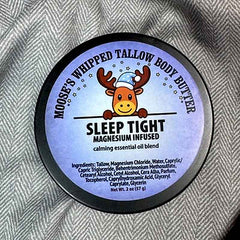
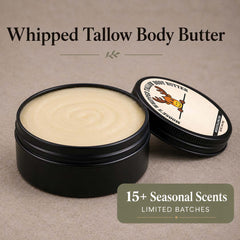
We built our outdoor balms the same way we build everything else: water-free, with a short list of ingredients that each earn their place. Our base is always properly rendered local beef suet tallow, chosen because its fatty-acid profile sits close to skin’s own oils.
From there, we add fractionated coconut oil as our carrier oil for stability and easy absorption, plus beeswax, vitamin E, jojoba, castor, and egg yolk infused oil. No fillers, no vegetable oils standing in for tallow.
- Our repellent balm suits outdoor time where bug exposure is the main concern.
- Our bite-relief balm suits after-the-fact itch comfort, not prevention.
- Our baby butter suits everyday gentle skin care, separate from bug protection.
Publisher recommended options and where to buy them
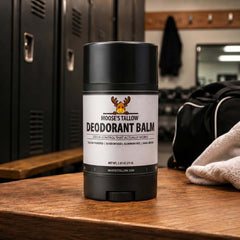
We make a natural bug repellent balm, Hiker’s Friend, built for time outdoors when bugs are the concern. Our Trail Relief balm is for after the bite, when a child’s skin needs calming attention. For everyday gentle care, our Baby Bum Butter uses tallow and zinc in a simple, water-free formula.
Each one follows the same rule we apply across our full product catalog: real ingredients, clearly listed, nothing added just to pad a label. We back every order with a satisfaction guarantee, so you can try a product on your family and see how it fits before committing further.
Author perspective: balancing bite risk and chemical caution
I started this brand after reading my own lotion label and counting 52 ingredients, with water listed first. That habit of reading labels carried straight into how I think about bug protection for kids.

I’m not against DEET or picaridin. The public health guidance behind them is solid, and a mosquito bite in the wrong place carries real risk. What I push back on is choosing a product because the packaging looks friendly, instead of because the label earned your trust.
Read the label. Match the product to the outing. Ask a pediatrician when you’re unsure.
— Brian Smith
This article is general information, not a substitute for advice from a qualified doctor. Consult a qualified healthcare professional about your own circumstances before acting on anything here.
FAQ
Which is safer for kids, picaridin or DEET?
Both are EPA-registered and considered safe for children when used exactly as labeled. Picaridin tends to have a lighter feel and less odor, but neither is considered unsafe for approved age groups.
What is the best insect repellent for children?
The best choice is whichever EPA-registered product matches your child’s age and the activity planned. CDC guidance points to DEET, picaridin, IR3535, or OLE/PMD for kids old enough to use each one.
Is DEET toxic to children?
DEET is registered and considered safe for children when applied exactly as the label directs. Problems generally come from misuse, like overapplying or applying near the eyes and mouth, not from normal labeled use.
What is a safe mosquito repellent for kids?
A safe choice is any EPA-registered repellent containing DEET, picaridin, IR3535, or, for kids over 3, OLE/PMD. Always check the age guidance on the label before buying.
How should I handle essential oil based repellents for kids?
Plant-derived oils like lemon eucalyptus need the same label caution as synthetic ones, including age limits. If you’re considering raw essential oils rather than registered products, guidance on using eucalyptus oils around kids is worth a read before applying anything undiluted.
Sources
- Using insect repellents safely and effectively | EPA
- Preventing mosquito bites | CDC
- Healthychildren
0 comentarios