

Tallow baby balm works as a moisturizer for dry skin, a spot treatment for chapped cheeks or lips, and a gentle all-over layer for everyday comfort. It is a cosmetic product, not a medical treatment for infections or severe eczema. Always patch-test first, keep it away from the nostrils, and call your pediatrician if a rash gets worse.
TL;DR:
- Tallow balm is a water-free moisturizer with a fatty-acid profile similar to skin’s natural oils, supporting the skin barrier without heavy residue.
- It provides quick relief for rough patches, chapped lips, or windburn, but it is not a treatment for infections, eczema, or active rashes.
- Patch-testing and careful application are essential, especially avoiding eyes, broken skin, and open sores, with proper storage away from heat and sunlight.
- For diaper rash, barrier pastes like zinc oxide or petrolatum are recommended for active redness, while tallow balm is suitable for routine moisture.
- The balm’s simple, ingredient-focused formulation avoids fillers and preservatives, making it a transparent, gentle option for everyday comfort.
How tallow balm helps: what parents actually notice
Tallow balm works because its fatty-acid profile sits close to the skin’s own natural oils. That similarity helps it absorb without leaving a heavy film, and it supports the skin barrier from the outside in. This is a cosmetic effect, not a medical one. It moisturizes. It does not heal or treat anything.
Parents usually notice results fast. Softer skin appears soon after regular use.
- Less tightness on cheeks and hands after bath time.
- Easier comfort for chapped noses and wind-burned faces.
- A calmer look to rough patches on elbows and knees.
Most lotions on store shelves start with water, then thicken it with fillers to make it feel rich. Tallow balm skips that step. A water-free formula means every ingredient is doing something, not just bulking up the jar. That is part of why brands built on ingredient transparency, like ours, lean on tallow instead of diluted creams.
Fractionated coconut oil is often blended in as the carrier oil. It stays stable, resists going rancid, and absorbs quickly, which matters when you are applying something to a baby who will not sit still.
Pro Tip: Apply the balm right after a bath, while skin is still a little damp. It helps seal in moisture instead of adding it to already-dry skin.
Diaper-area guidance: balm, zinc oxide, or petrolatum
Diaper rash care depends on how bad the redness is. A tallow balm can moisturize the skin around the diaper area, but it is not a substitute for a barrier paste when a rash is active. Mayo Clinic recommends zinc oxide or petrolatum as the barrier of choice for diaper rash, along with basic cleaning and drying steps.
For routine care between rashes, follow this order:
- Change the diaper as soon as it is wet or soiled.
- Rinse gently and pat the skin dry, no rubbing.
- Let the skin air-dry for a few minutes before covering it.
- Apply a thin layer of balm for daily moisture.
- Switch to a thick zinc oxide or petrolatum paste if redness appears.
Healthychildren recommends frequent changes and gentle cleaning as the first line of defense, with a barrier paste added once skin stays red.
Call your pediatrician if the rash persists, spreads, or comes with blisters, pus, fever, or clear pain. Those are signs a cosmetic balm cannot address.
Eczema, dry patches, and sensitive facial skin
For eczema-prone or very dry baby skin, a fragrance-free balm can be part of a simple moisturizing routine. It comforts the skin. It does not treat eczema, and it should never be presented that way.
The AAD recommends moisturizing after bathing with a fragrance-free cream or ointment, applied at least twice a day. If your pediatrician has prescribed a topical medicine, the order matters:
- Apply the prescribed medicine first, once skin is nearly dry.
- Wait for it to absorb, following your clinician’s directions.
- Apply the tallow balm on top only if your clinician approves.
- Never substitute balm for a prescribed treatment.
Before regular use, patch-test on a small area of skin for a day. Improvement looks like calmer, softer skin. Irritation looks like new redness, swelling, or itching, and it means you should stop.
Cradle cap, chapped skin, and other everyday comfort uses
A small amount of balm can help with several common, low-risk baby skin concerns:
- Cradle cap: apply a thin layer to soften scales, wait a few minutes, then gently comb and wash with a mild baby shampoo.
- Chapped lips or cheeks: dab a small amount where the skin looks dry or wind-burned.
- Dry elbows and knees: rub in lightly once or twice a day.
- Under-nose dryness from a runny nose: apply a tiny amount to the skin below the nostrils, never inside them.
Avoid the eyes, broken skin, and any area that looks infected. These uses are comfort care, not treatment. If a rash on the scalp or face gets worse, oozes, or spreads, that is your pediatrician’s call, not a job for balm.
Step-by-step safe application, from patch test to storage
A little care up front makes tallow balm safer for daily use.
- Patch-test first. Apply a small amount to the inner arm or leg. Wait 24 hours and check for redness or swelling.
- Stop if irritated. Any new redness, swelling, or itching means the product is not a fit right now.
- Use a small amount. A pea-sized dab covers most flare spots; a thin layer covers larger areas.
- Time it right. Apply after baths and again as needed through the day.
- Avoid nostrils and open sores. Keep balm on intact skin only.
- Store it properly. Keep the jar sealed in a cool, dry spot, away from direct sun.
- Read the label first. Choose a fragrance-free formula and check the full ingredient list before wide use.
Pro Tip: Keep a small notebook or phone note of what you tried and when. It makes patch-testing and tracking reactions much easier over weeks.
For a deeper walkthrough of technique, our guide on soothing dry skin with tallow covers the same steps in more depth.
Why we formulate baby balm the way we do

I started Moose’s Tallow after reading my own lotion label and counting 52 ingredients, water listed first. That moment changed how I think about skincare, especially for a baby’s skin.
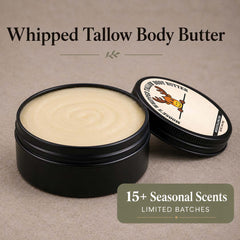
Every batch starts with properly rendered local beef suet tallow. We add fractionated coconut oil for stability and easy absorption, beeswax for a protective layer, vitamin E for freshness, plus jojoba, castor, and egg yolk infused oil. No olive oil, no shea butter, no fillers pretending to be active ingredients. Every ingredient earns its place.
Skin does not need a long ingredient list. It needs the right ingredients.
Our full reasoning on why we consider beef tallow safe for baby skin walks through each choice.
— Brian Smith
What I think parents get wrong about baby balm
The biggest mistake I see is treating a balm like a cure. It is not. It moisturizes and comforts, and that is genuinely useful, but it will not fix an infected rash or a stubborn eczema flare.
The second mistake is fear of simple ingredients. Parents worry that anything “animal-based” must be less safe than a plant oil, but the real question is the ingredient list length and what is actually in the jar. A short, water-free list is often gentler than a 20-ingredient lotion with fragrance buried in the middle.
My advice: use balm for what it is good at, everyday dryness and comfort, and let a pediatrician handle anything that looks like a medical problem. Read the label every time. Patch-test every time. That habit matters more than which oil sits at the top of the jar.
Where Moose’s Tallow fits into these everyday uses
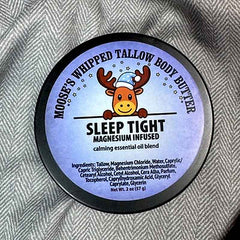
For all-over hydration, our Natural Tallow Baby Butter with Calendula & Chamomile works well after bath time. For the diaper area, Baby Bum Butter pairs tallow with zinc for extra protection. For chapped lips or under-nose dryness, our Beef Tallow Lip Balm is built for small, sensitive areas. Patch-test first and check the ingredient list before daily use.
Sources
- Diaper rash - Diagnosis and treatment - Mayo Clinic
- How to treat eczema in babies - AAD
- Healthychildren
FAQ
Why do some dermatologists avoid recommending beef tallow?
Many dermatologists favor tested, fragrance-free creams and ointments with a long clinical track record for baby skin. Tallow balm is a newer cosmetic option, so some clinicians prefer sticking with familiar fragrance-free formulas until more guidance exists.
What are the downsides of using tallow balm on babies?
Tallow balm can feel heavier than a lotion, and it is not a treatment for infections, severe eczema, or persistent rash. Some babies may react to any new product, so a patch test matters before regular use.
Can baby balm help with a cough?
No, a baby balm should not be used for a cough. A small amount under the nose may ease dryness from a runny nose, but it does not relieve coughing, and it should never go inside the nostrils.
Does tallow balm reduce wrinkles on skin?
There is no evidence tallow balm reduces wrinkles, and that claim does not apply to baby skin care anyway. For babies, the honest use case is daily moisture and comfort, not anti-aging results.
When should I stop using balm and call the pediatrician?
Stop use and call your pediatrician if a rash worsens, spreads, or comes with fever, blisters, pus, or pain. A cosmetic balm cannot treat those signs, and prompt medical care is the safer next step.
0 comments