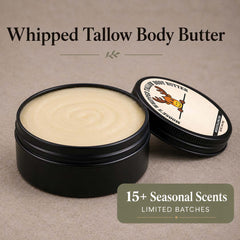
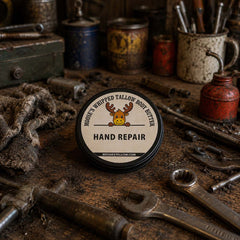
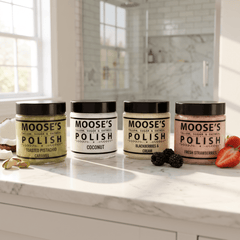
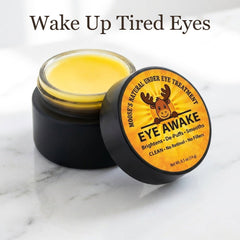


Sebo vs cremas de origen vegetal: ¿cuál hidrata mejor? El sebo se parece mucho a los aceites que tu piel ya produce. Eso ayuda a que se absorba bien y a cuidar la barrera de la piel. Las cremas vegetales suelen añadir agua y necesitan conservantes. El sebo no lleva agua, así que un poco rinde bastante.
Estás en el pasillo de cuidado de la piel natural, dudando entre dos humectantes prometedores. Uno aprovecha las cualidades del sebo de res e imita los aceites naturales de tu piel. El otro combina extractos botánicos, libre de productos de origen animal. Ambos prometen hidratación profunda, pero ¿cuál se adapta de verdad a tu tipo de piel y a tus valores? Este artículo aclara la confusión y compara los perfiles de ácidos grasos, cómo se siente cada uno a lo largo del día, la sencillez de los ingredientes, la sostenibilidad y experiencias reales de las personas. Te irás sabiendo qué crema le conviene a tu piel seca, a tu postura ética y a tu rutina diaria.
Tabla de contenidos
- Cómo elegir entre el sebo y las cremas de origen vegetal
- Cómo son las cremas de sebo: composición y beneficios
- Cómo son las cremas de origen vegetal: composición y beneficios
- Comparando la eficacia: hidratación, apoyo a la barrera cutánea y experiencia sensorial
- Sostenibilidad y ética para compradores conscientes del medio ambiente
- Costo, disponibilidad y aspectos prácticos
- ¿Qué crema deberías elegir? Recomendaciones según tu caso
- Descubre los productos de Moose’s Tallow para una hidratación natural
- Preguntas frecuentes
Puntos clave
| Punto | Detalles |
|---|---|
| Ventaja en hidratación | A muchas personas les resulta que las cremas de sebo hidratan profundamente y ayudan a que la piel retenga la humedad durante el día. |
| Compatibilidad con la piel | El sebo se parece al sebo humano y suele tener listas de ingredientes más simples, lo que puede reducir el riesgo de alergias en pieles sensibles. |
| Preferencias éticas | Las cremas de origen vegetal atraen a las personas veganas y contienen antioxidantes de diversos aceites botánicos como la jojoba y el girasol. |
| Impacto en la sostenibilidad | El sebo es un subproducto de la industria cárnica, lo que puede significar una menor huella de residuos que algunos aceites vegetales. |
| Factores de decisión | Elige según la sensibilidad de tu piel, tus valores éticos, tus necesidades de hidratación, la textura que prefieras y tu presupuesto. |
Cómo elegir entre el sebo y las cremas de origen vegetal
Elegir el humectante correcto empieza por entender tus prioridades. Quienes cuidan el medio ambiente tienen más opciones que nunca, pero la claridad vale más que la variedad cuando están en juego tu piel y tus valores.
Primero, piensa en la compatibilidad con la piel según los perfiles de ácidos grasos. El sebo es naturalmente rico en ácido oleico, parecido al sebo de la piel humana, lo que favorece una absorción profunda y una barrera cómoda. Los aceites vegetales varían mucho: algunos son ricos en ácido linoleico para una absorción más ligera y otros son más pesados por sus grasas saturadas. Tu tipo de piel ayuda a definir qué perfil funciona mejor.
Segundo, considera la complejidad de los ingredientes y el potencial de alergias. Elegir humectantes de sebo de forma natural suele significar listas de ingredientes más cortas y con menos posibles irritantes. Las fórmulas de origen vegetal pueden incluir ocho o más extractos botánicos, lo que puede aumentar la probabilidad de reacciones si tienes piel sensible. Leer bien las etiquetas te ayuda a evitar brotes inesperados.
Tercero, sopesa la ética y la sostenibilidad. Si llevas un estilo de vida vegano estricto, el sebo de origen animal queda fuera de tu zona de confort sin importar sus cualidades. En cambio, si priorizas reducir residuos, el hecho de que el sebo sea un subproducto de la industria cárnica puede atraerte. Ninguna opción es mejor para todo el mundo; tus valores guían la decisión.
Cuarto, ten en cuenta las experiencias sensoriales, como el aroma, la velocidad de absorción y el residuo. Las cremas de sebo suelen sentirse más ricas y se absorben de forma más gradual, dejando una humedad duradera, aunque a veces con un aroma natural sutil. Las cremas de origen vegetal suelen absorberse rápido, con texturas más ligeras y aromas neutros o florales. Aquí importan tu rutina diaria y tus preferencias personales.
- Evalúa la compatibilidad de los ácidos grasos con tu tipo de piel (seca, grasa, mixta)
- Revisa las listas de ingredientes en busca de alérgenos comunes y aditivos sintéticos
- Alinea tu postura ética (vegana, sostenibilidad, reducción de residuos) con el origen del producto
- Prueba la velocidad de absorción y el aroma con muestras antes de comprar el tamaño completo
- Compara el costo por onza y la disponibilidad en tiendas de EE. UU. o plataformas en línea
Por último, considera el costo y la disponibilidad. Ambos tipos de crema cuestan más o menos entre $18 y $32 por envases de cuatro onzas en el mercado de EE. UU. Marcas especializadas en sebo como Moose’s Tallow ofrecen un origen transparente, mientras que las opciones de origen vegetal llenan las tiendas comunes con calidad variable. La confianza en la marca y las reseñas de clientes son tus mejores herramientas para descartar productos sobrevalorados.
Cómo son las cremas de sebo: composición y beneficios
Las cremas de sebo provienen de grasa de res fundida, en concreto la grasa dura que rodea los riñones y los lomos. Esta grasa tiene un perfil de ácidos grasos parecido al sebo de la piel humana, sobre todo por su alto contenido de ácido oleico. Esa semejanza es parte de por qué el sebo tiende a absorberse en profundidad y a cuidar la barrera de la piel en lugar de quedarse en la superficie.
Al aplicarse, el ácido oleico del sebo se absorbe en la piel de forma eficiente y ayuda a llevar humedad a las capas más profundas. A muchas personas les resulta que las cremas de sebo hidratan profundamente, algo que importa para quien lidia con sequedad persistente, manos agrietadas o una barrera cutánea dañada.
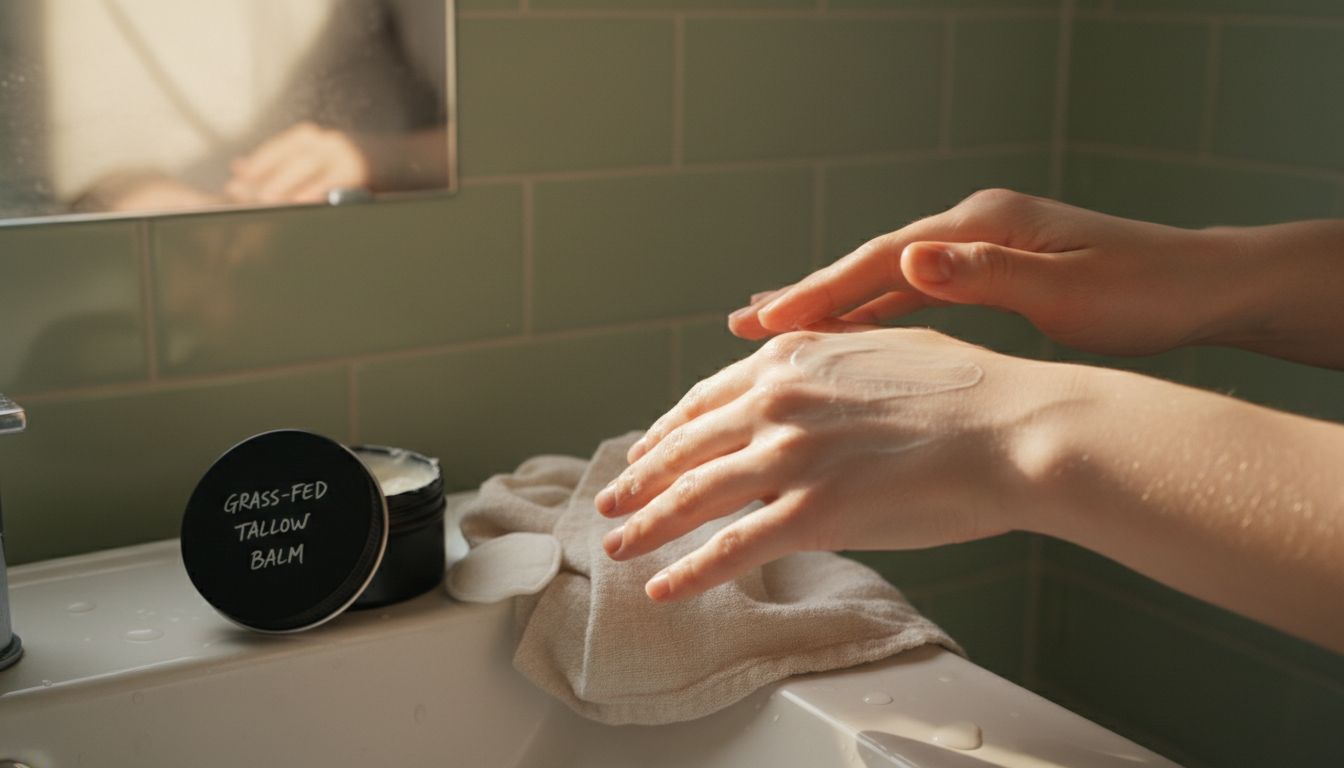
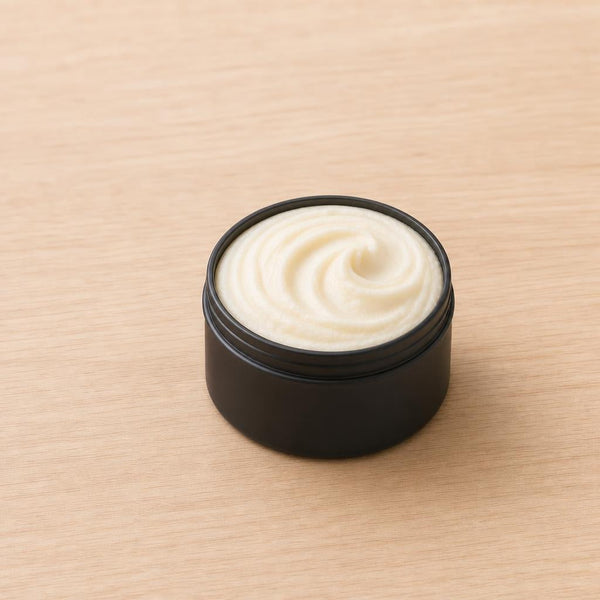
Las fórmulas típicas de sebo mantienen pocos ingredientes. Una crema de calidad podría incluir solo sebo, cera de abeja y un único aceite portador como la jojoba o la almendra. Esta sencillez puede reducir el riesgo de reacciones alérgicas y hace del sebo una buena opción para pieles sensibles. Muchas personas dicen tolerar los productos de sebo cuando otros humectantes les provocan enrojecimiento o comezón.
Las reseñas destacan una y otra vez lo cómoda que es la absorción del sebo a pesar de su textura rica. La grasa se derrite a la temperatura del cuerpo, se extiende con facilidad y penetra en pocos minutos. Por lo general no sentirás una capa pesada horas después, y aun así tu piel retiene la humedad durante el día. Ese equilibrio entre riqueza y comodidad distingue al sebo de los productos a base de petróleo que crean barreras oclusivas.
- Naturalmente rico en ácido oleico, parecido al sebo humano para una absorción fácil
- Las listas de ingredientes simples pueden reducir los desencadenantes de alergias en pieles sensibles
- Los beneficios del cuidado de la piel con sebo incluyen hidratación profunda sin residuo graso
- Ayuda a que la piel retenga la humedad durante el día
- Las personas reportan mayor comodidad y alivio de la sequedad crónica
Consejo: Si es tu primera vez con el cuidado de la piel de origen animal, haz una prueba de parche en la cara interna del antebrazo antes de aplicar la crema de sebo en el rostro. Espera 24 horas para confirmar que no haya irritación, sobre todo si tienes antecedentes de dermatitis de contacto.
La experiencia sensorial también cuenta. El sebo tiene un aroma suave y un poco terroso que algunos describen como neutro y otros notan más. Marcas de calidad como Moose’s Tallow combinan aceites esenciales naturales o extractos de vainilla para crear aromas agradables sin fragancias sintéticas. Este modo natural de perfumar atrae a quienes evitan los perfumes artificiales.
Cómo son las cremas de origen vegetal: composición y beneficios
Las cremas de origen vegetal se nutren de una amplia biblioteca botánica: coco, girasol, jojoba, argán, aguacate y muchas más. Muchos de estos aceites son ricos en ácido linoleico, un ácido graso esencial que favorece la comodidad de la barrera y aporta cualidades antioxidantes. El ácido linoleico se absorbe rápido, lo que hace que estas cremas se sientan más ligeras al aplicarlas en comparación con el sebo.
Sin embargo, esa diversidad trae complejidad. Un humectante vegetal típico puede incluir diez o más ingredientes, entre ellos varios aceites, extractos botánicos, conservantes y emulsionantes. Cada añadido cumple una función, ya sea aumentar los antioxidantes, alargar la vida útil o mejorar la textura. Aun así, cada ingrediente también suma un posible alérgeno para las personas sensibles.
Las cremas de origen vegetal se valoran por su contenido de antioxidantes. Aceites como el de rosa mosqueta y el de espino amarillo aportan vitaminas A, C y E, que se asocian tradicionalmente con ayudar a que la piel luzca su mejor cara. Estos beneficios atraen a quienes buscan un efecto antiedad junto con la hidratación. La sensación más ligera también le conviene a las pieles grasas o mixtas que sienten el sebo demasiado pesado.
Las personas veganas impulsan gran parte del crecimiento del mercado vegetal. Para este grupo, evitar todos los derivados animales es un valor innegociable. Los aceites vegetales ofrecen una opción que encaja con decisiones de vida más amplias sobre la alimentación y el consumo.
- Los aceites vegetales suelen ser ricos en ácido linoleico, con apoyo a la barrera y cualidades antioxidantes
- Las fórmulas suelen incluir más de 8 ingredientes, lo que aumenta las consideraciones sobre alergias
- Las texturas más ligeras y la absorción más rápida le convienen a las pieles grasas o mixtas
- Gran atractivo entre las personas veganas que buscan alternativas sin ingredientes animales
- Aceites ricos en antioxidantes como la rosa mosqueta apoyan las metas antiedad junto con la hidratación
El perfil sensorial de las cremas de origen vegetal se inclina hacia una absorción rápida y un residuo mínimo. Puedes aplicarlas por la mañana y sentirte a gusto para maquillarte o salir de inmediato. Los aromas varían mucho según la mezcla de aceites, desde a nuez (almendra) hasta florales (rosa) o neutros (jojoba). Muchas marcas añaden aceites esenciales para realzar la experiencia de aromaterapia.
La variabilidad de los ingredientes de las cremas de origen vegetal hace que leer las etiquetas sea fundamental. No todos los aceites vegetales funcionan igual. El aceite de coco, por ejemplo, puede tapar los poros a pesar de su popularidad. Los aceites de girasol y cártamo ofrecen alternativas más ligeras y con menos probabilidad de provocar brotes. Saber qué aceites van con tu tipo de piel ayuda a evitar compras desperdiciadas.
Comparando la eficacia: hidratación, apoyo a la barrera cutánea y experiencia sensorial
La comparación directa revela diferencias claras. A muchas personas les resulta que las cremas de sebo hidratan profundamente y duran mucho, lo que puede traducirse en alivio para la piel seca que necesita humedad más allá de una reaplicación al mediodía.
El apoyo a la barrera cutánea es una fortaleza del sebo por su parecido en ácidos grasos con el sebo humano. Cuando tu barrera está dañada por el clima, jabones agresivos o una tendencia al eccema, el ácido oleico del sebo se integra con comodidad para ayudar a sostener las capas protectoras. Los aceites vegetales altos en ácido linoleico también apoyan la barrera, pero pueden requerir una aplicación más frecuente para mantener los beneficios.
Las personas con piel sensible suelen reportar buena tolerancia a las cremas de sebo. Las listas de ingredientes más simples significan menos posibles irritantes, y la composición grasa natural rara vez provoca reacciones. Las cremas de origen vegetal, aunque benefician a muchas personas, pueden causar problemas cuando sus fórmulas incluyen varios extractos o conservantes. Si reaccionas a las fragancias o a los botánicos, el sebo puede ser una apuesta más suave.
La velocidad de absorción y la textura crean la diferencia más notable en la experiencia. Las cremas de origen vegetal penetran en segundos, sin dejar brillo visible ni sensación pegajosa. El sebo tarda un poco más, aunque las fórmulas de alta calidad igual se absorben en minutos. La sensación más rica al aplicarlo tranquiliza a algunas personas y desanima a otras que prefieren una hidratación instantánea y ligera.
| Característica | Cremas de sebo | Cremas de origen vegetal |
|---|---|---|
| Hidratación todo el día | Hidratación profunda y duradera | Hidratante, puede requerir reaplicación |
| Perfil de ácidos grasos | Rico en ácido oleico, parecido al sebo humano | A menudo rico en ácido linoleico, varía según el aceite |
| Cantidad de ingredientes | Por lo general de 3 a 5 ingredientes | A menudo más de 8 ingredientes |
| Velocidad de absorción | Moderada (unos minutos) | Rápida (menos de un minuto) |
| Riesgo de alergias | Bajo por su sencillez | Moderado por su complejidad |
| Apoyo a la barrera cutánea | Excelente para barreras dañadas | Bueno, pero puede requerir reaplicación |
| Textura | Rica, cremosa, humedad duradera | Ligera, de absorción rápida, residuo mínimo |
| Ideal para | Piel seca, sensible o dañada | Piel grasa, mixta o enfocada en antioxidantes |
Las preferencias de aroma dividen a las personas. El aroma suave y algo natural del sebo atrae a quienes valoran los productos sin alterar. Otras personas prefieren las notas neutras o florales de los aceites vegetales. Marcas como Moose’s Tallow resuelven esto combinando aceites esenciales naturales o extractos de vainilla que complementan la base del sebo sin ocultarla del todo.
- Una comparación detallada de la hidratación analiza cómo el sebo retiene la humedad
- Las fórmulas de sebo más simples reducen la irritación en personas propensas a las alergias
- Las cremas de origen vegetal ofrecen una absorción más rápida para quienes priorizan la comodidad
- La composición de ácidos grasos influye en la comodidad de la barrera con el tiempo
- Las preferencias sensoriales de aroma y textura guían el uso diario y la satisfacción
Consejo: Para zonas secas persistentes o piel agrietada, aplica la crema de sebo antes de dormir. El mayor tiempo de absorción permite una penetración más profunda durante la noche y cuida la comodidad de la barrera. Para el día o para necesidades de hidratación más ligeras, las opciones de origen vegetal ofrecen comodidad sin alterar tu horario.
Sostenibilidad y ética para compradores conscientes del medio ambiente
El impacto ambiental moldea las decisiones de compra de quienes cuidan el medio ambiente. La producción de sebo, como subproducto de la industria cárnica, aprovecha grasa que de otro modo terminaría como residuo. Al usar un subproducto ya existente, el sebo puede ofrecer una huella menor para quienes se enfocan en la sostenibilidad frente a algunos aceites vegetales de cultivo intensivo.
Los aceites vegetales varían muchísimo en su costo ambiental. Los aceites de aguacate y de coco requieren mucha agua y tierra, y a veces impulsan la deforestación en regiones tropicales. En cambio, aceites como el de girasol y el de cártamo cultivados en zonas templadas necesitan menos recursos. Investigar los aceites específicos de tu crema vegetal revela su verdadero perfil de sostenibilidad.
Los principios veganos llevan a muchas personas hacia las opciones de origen vegetal, sin importar las consideraciones ambientales. Para este grupo, evitar los derivados animales encaja con creencias éticas sobre el bienestar animal. El mercado del cuidado de la piel vegano sigue creciendo, lo que refleja una fuerte demanda de alternativas libres de crueldad.
La transparencia en el origen genera confianza. Las marcas que revelan la procedencia del sebo, ya sea de ganado alimentado con pasto o de ganadería convencional, te permiten alinear tus compras con tus valores. Del mismo modo, las empresas de origen vegetal que certifican aceites orgánicos, de comercio justo o de cultivo regenerativo demuestran un compromiso más allá del marketing. Examina con cuidado las etiquetas y los sitios web en busca de información de origen verificable.
- El sebo como subproducto reduce los residuos y puede tener una huella menor que algunos aceites vegetales
- El impacto ambiental de los aceites vegetales varía: los de aguacate y coco implican mayores costos de agua y tierra
- Las personas veganas priorizan los productos sin ingredientes animales, lo que impulsa el crecimiento continuo del mercado
- La transparencia en el origen permite decisiones informadas y alineadas con la sostenibilidad y los valores éticos
- Ninguna opción es mejor para todos; tus prioridades personales determinan la mejor elección
El empaque también aporta a la sostenibilidad general. Muchas marcas de sebo usan latas reciclables o frascos de vidrio y reducen los residuos de plástico. Las cremas de origen vegetal suelen venir en empaques parecidos, aunque algunas opciones masivas todavía dependen de tubos de plástico. Elegir productos rellenables o con poco empaque reduce aún más tu huella ambiental.
Equilibrar estos factores pide una reflexión honesta sobre tus prioridades. Si reducir residuos encabeza tu lista, el sebo resulta atractivo como subproducto. Si el bienestar animal guía tus decisiones, las cremas de origen vegetal encajan mejor. Ambos caminos apoyan una vida consciente con el medio ambiente cuando se combinan con un origen responsable y poco empaque.
Costo, disponibilidad y aspectos prácticos
Los precios de ambos tipos de crema caen en rangos parecidos. Las cremas de sebo suelen costar entre $22 y $28 por cuatro onzas, mientras que las opciones de origen vegetal van más o menos de $18 a $32 por tamaños comparables. Las marcas premium de ambos lados cobran más por la certificación orgánica, los ingredientes especiales o la producción artesanal. Quienes cuidan su presupuesto encuentran opciones en ambos extremos.
La disponibilidad en el mercado de EE. UU. ha crecido bastante. Las tiendas naturistas especializadas, Whole Foods y las tiendas en línea venden tanto cremas de sebo como de origen vegetal. El sebo sigue siendo menos común en las farmacias grandes, pero marcas de venta directa como Moose’s Tallow envían a todo el país con entrega rápida. Las cremas de origen vegetal dominan el espacio en los estantes del comercio convencional y ofrecen un acceso más inmediato.
Las consideraciones de empaque van más allá de la sostenibilidad y llegan a lo práctico. Las cremas de sebo suelen venir en latas que se aplican con el dedo, algo que algunas personas encuentran menos higiénico que los frascos con dosificador. Las cremas de origen vegetal ofrecen ambos formatos, aunque los dosificadores suben el precio. Piensa en tu rutina diaria y en si te importa más la portabilidad o la higiene.
La vida útil de ambos tipos suele ir de 12 a 18 meses sin abrir. Las fórmulas de origen vegetal pueden incluir conservantes para evitar que sus varios aceites se pongan rancios, mientras que la composición más simple del sebo tiende a resistir el deterioro. Una vez abierto, ninguno necesita refrigeración, pero guardarlo en un lugar fresco y seco alarga su uso.
- Cremas de sebo: cerca de $22 a $28 por 4 oz; cremas de origen vegetal: cerca de $18 a $32 por 4 oz
- Ambos tipos están disponibles en línea y en tiendas especializadas de EE. UU.; las de origen vegetal son más comunes en el comercio general
- Las marcas de sebo suelen usar latas reciclables; las de origen vegetal ofrecen latas, frascos y botellas con dosificador
- La vida útil es parecida en ambos (12 a 18 meses); las de origen vegetal pueden incluir conservantes por sus fórmulas complejas
- La reputación de la marca y las reseñas de clientes guían la garantía de calidad en un mercado saturado
Consejo: Comprar con especialistas en sebo como Moose’s Tallow ayuda a asegurar la autenticidad y la calidad del producto. Los productos de sebo masivos pueden ahorrar con aditivos o grasas de menor calidad, y así diluyen los beneficios que buscas.
Las reseñas de clientes ofrecen una visión valiosísima del desempeño en la vida real. Busca compras verificadas y relatos detallados sobre el tipo de piel, la forma de aplicación y los resultados tras semanas de uso. Las reseñas que mencionan fotos de antes y después o mejoras concretas (menos grietas, hidratación más duradera) pesan más que los elogios vagos.
¿Qué crema deberías elegir? Recomendaciones según tu caso
Tu tipo de piel, tus valores y tu estilo de vida determinan la crema ideal. Aquí tienes un desglose por situación para simplificar tu decisión.
-
Piel sensible o propensa a alergias: Elige cremas de sebo. Sus listas de ingredientes más simples pueden reducir el riesgo de irritación, y el perfil de ácidos grasos se parece a los aceites naturales de tu piel. Elegir humectantes de sebo se vuelve sencillo cuando priorizas la tolerancia sobre la variedad.
-
Preferencias veganas estrictas o éticas: Elige cremas de origen vegetal. Si evitar los productos animales encaja con tus valores centrales, esta decisión puede pesar más que otros factores. Busca opciones certificadas como orgánicas y de comercio justo para maximizar el impacto ético.
-
Piel seca o agrietada persistente: Elige cremas de sebo. Su hidratación profunda y duradera puede dar el alivio que exige la piel seca. Aplícala dos veces al día y considera usarla de noche para una máxima absorción.
-
Piel grasa o mixta: Elige cremas de origen vegetal. Sus texturas más ligeras y su absorción más rápida ayudan a evitar los poros tapados y el brillo. Busca fórmulas que destaquen aceites ricos en ácido linoleico como el girasol o el cártamo.
-
Rutina matutina rápida: Elige cremas de origen vegetal. La absorción rápida te permite vestirte, maquillarte o salir sin esperar a que el producto penetre.
-
Enfoque en la sostenibilidad: Evalúa productos específicos. El sebo aprovecha un subproducto ya existente, mientras que los aceites vegetales de origen sostenible de regiones templadas pueden ofrecer beneficios comparables. Investiga los detalles de origen de cada marca.
-
Presupuesto ajustado: Ambas opciones caben en presupuestos medios (más o menos $20 a $30 por 4 oz). Compara el costo por onza y las reseñas de clientes para encontrar el mejor valor. Las cremas de origen vegetal genéricas pueden costar menos que el sebo, pero a veces sacrifican calidad.
-
Primera vez con el cuidado de la piel natural: Empieza con sebo si tienes piel normal a seca. El sebo para piel sensible ofrece una introducción suave a los productos naturales con una hidratación reconfortante. Si prefieres texturas más ligeras, comienza con una fórmula vegetal simple de dos o tres aceites.
Las expectativas realistas importan. Ninguna crema elimina toda la sequedad al instante ni revierte años de cambios en la piel en pocos días. El uso constante durante semanas revela los verdaderos beneficios. Registra la respuesta de tu piel con fotos o notas para identificar qué crema cubre tus necesidades.
Descubre los productos de Moose’s Tallow para una hidratación natural
Ahora que entiendes la ventaja del sebo, explorar productos de confianza es tu siguiente paso. Moose’s Tallow ofrece cremas artesanales de alta calidad que brindan la hidratación profunda y la compatibilidad con la piel descritas a lo largo de este artículo.
Cada lote comienza con sebo de res alimentada con pasto, fundido con cuidado, rico en ácido oleico y compatible con la biología de tu piel. Las fórmulas simples evitan rellenos innecesarios y hacen de estas cremas una buena opción para la piel sensible o para quien busca humedad natural y efectiva. Las reseñas de clientes elogian una y otra vez la absorción cómoda y la hidratación duradera que ofrece Moose’s Tallow.
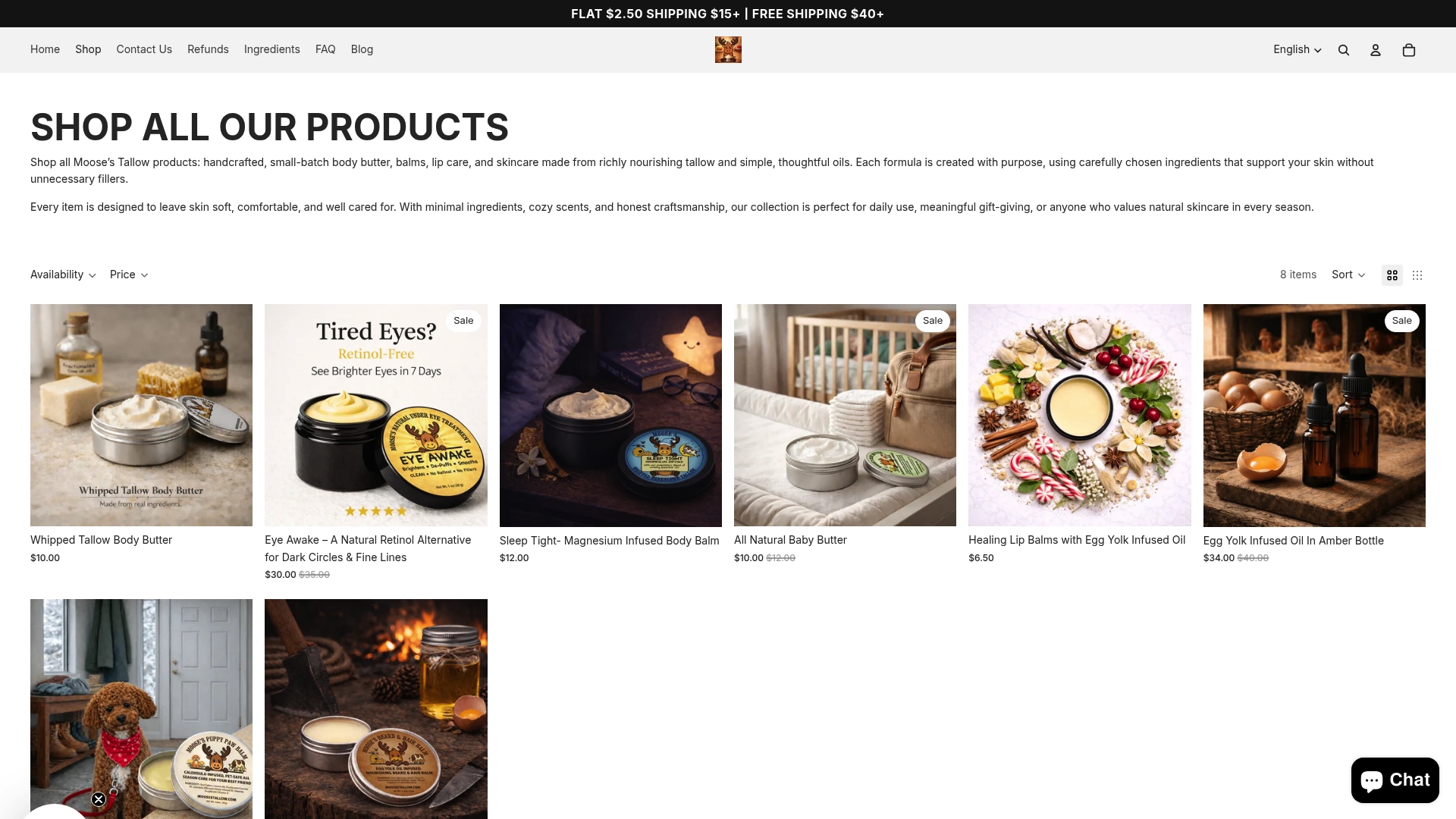
Descubre por qué quienes cuidan el medio ambiente confían en Moose’s Tallow para aliviar la piel seca y cuidar la barrera. Explora las cremas de sebo destacadas para encontrar aromas y fórmulas a tu medida, desde vanilla chai hasta opciones almost naked. Cada producto refleja un cuidado de antaño hecho para la piel moderna, y combina el sebo con aceites y ceras elegidos con cuidado que de verdad cumplen una función.
Ya sea que estés calmando manos agrietadas, cuidando la sequedad del rostro o creando un ritual diario de cuidado de la piel, Moose’s Tallow ofrece una comodidad que se siente. Elegir humectantes de sebo de forma natural significa priorizar ingredientes que trabajan con tu piel, no en su contra. Visita Moose’s Tallow hoy y empieza tu camino en el cuidado de la piel natural con productos basados en la honestidad y hechos con calidez.
Preguntas frecuentes
¿Las cremas de sebo son seguras para la piel sensible o propensa a alergias?
Sí, las cremas de sebo suelen tener menos ingredientes y más simples, lo que puede reducir el riesgo de alergias frente a las fórmulas vegetales complejas. El perfil de ácidos grasos se parece al de la piel humana, algo que a muchas personas les ayuda a minimizar la irritación. Aun así, hacer una prueba de parche es prudente para cualquiera con antecedentes de dermatitis de contacto. Aplica una pequeña cantidad en la cara interna del antebrazo y espera 24 horas para confirmar la tolerancia antes de usarla en el rostro o el cuerpo. El sebo para piel sensible ofrece una opción suave y natural cuando otros productos provocan reacciones.
¿El cuidado de la piel con sebo es más sostenible que las opciones de origen vegetal?
La producción de sebo, como subproducto cárnico, reduce los residuos, lo que puede convertirlo en una buena opción de sostenibilidad para quienes cuidan el medio ambiente. Sin embargo, los aceites vegetales varían mucho en su impacto ambiental. Los aceites de girasol y cártamo cultivados en climas templados suelen tener huellas menores que los aceites tropicales como el de coco o el de palma. Evalúa el origen específico de cada producto en lugar de suponer que todos los aceites vegetales tienen costos más altos. Ambas opciones apoyan una vida amigable con el medio ambiente cuando se combinan con un origen transparente y poco empaque.
¿Puedo alternar entre cremas de sebo y de origen vegetal sin problemas en la piel?
La mayoría de las personas puede cambiar sin problemas, pero la prueba de parche ayuda a vigilar la irritación o las reacciones inesperadas. Tu piel puede tardar unos días en adaptarse a distintos perfiles de ácidos grasos o velocidades de absorción. Si notas enrojecimiento, comezón o brotes después del cambio, deja de usarla y vuelve a tu crema anterior. Las transiciones graduales, como alternar productos un día sí y otro no, le permiten a tu piel adaptarse con más comodidad. Lleva un diario de cuidado de la piel para registrar las reacciones e identificar qué crema te conviene más.
¿Las cremas de sebo son más económicas a largo plazo?
Las cremas de sebo suelen dar una hidratación más duradera, lo que puede reducir la cantidad y la frecuencia de aplicación. Esto puede bajar tu gasto total en cuidado de la piel, a pesar de un costo inicial parecido al de las opciones vegetales. Una lata de cuatro onzas que dura varias semanas con uso dos veces al día puede ofrecer mejor valor que una crema vegetal que exige reaplicación al mediodía. Calcula el costo por aplicación en lugar del costo por onza para conocer la verdadera conveniencia. Las cremas de sebo de calidad de marcas como Moose’s Tallow buscan justificar su precio con su desempeño y la integridad de sus ingredientes.
¿Las cremas de sebo y las de origen vegetal se diferencian mucho en aroma y textura?
Sí, las cremas de sebo tienen un aroma suave y un poco terroso y una textura más rica y cremosa que tarda unos minutos en absorberse por completo. Las cremas de origen vegetal tienden a ser más ligeras, con una absorción más rápida y aromas más neutros o florales según los aceites usados. El aroma natural del sebo se puede realzar con aceites esenciales o vainilla para crear fragancias agradables y reconfortantes sin aditivos sintéticos. Tus preferencias sensoriales sobre cómo se sienten y huelen los productos al aplicarlos deberían influir en tu elección junto con la hidratación. Prueba muestras de ambos tipos para decidir qué experiencia prefieres para el uso diario.
Recomendado
- Sebo vs aceites vegetales: ¿cuál hidrata mejor la piel? – Moose’s Tallow
- Por qué elegir sebo en vez de cremas para la piel sensible – Moose’s Tallow
- Cómo elegir un humectante de sebo de forma natural para una piel más sana – Moose’s Tallow
- Por qué usar sebo para aliviar la piel seca – Moose’s Tallow


0 comentarios