


TL;DR:
- Los consejos de cuidado de la piel en 2026 se centran en reparar la barrera, simplificar las rutinas y usar ingredientes que la piel reconoce. El sebo, rico en ácidos grasos compatibles con la piel, está ganando popularidad para la piel seca y sensible, pero requiere un origen cuidadoso y una prueba de parche. Al final, la mejor opción de cuidado depende de las necesidades de tu piel, la seguridad y la eficacia comprobada.
Si has pasado algo de tiempo en redes sociales últimamente, ya sabes que los consejos de cuidado de la piel nunca paran. Cada semana se ponen de moda ingredientes nuevos, las rutinas se alargan con cada temporada y, en algún punto entre el décimo sérum recomendado y un video viral de sebo de res, se vuelve muy difícil saber qué necesita de verdad tu piel. La buena noticia es que las tendencias de cuidado de la piel de 2026 van en contra de la complejidad y apuntan hacia la reparación de la barrera, menos activos e ingredientes que tu piel sí reconoce. Ese cambio hace que este sea el momento perfecto para ver qué funciona de verdad, incluido el sebo, y aclarar las cosas entre tanto ruido.
Puntos clave
| Punto | Detalles |
|---|---|
| Prioriza la salud de la barrera de la piel | Elige rutinas minimalistas e hidratación en vez de productos agresivos o complejos para cuidar la piel a largo plazo. |
| El sebo funciona para algunas personas | El sebo hidrata e imita al sebo natural, pero es mejor para piel seca o no propensa al acné. |
| El origen y la prueba de parche importan | Elige sebo de res sin contaminantes y siempre haz una prueba de parche con los productos nuevos. |
| Considera opciones de origen vegetal | Las ceramidas y el escualano son opciones más suaves para la piel sensible o reactiva. |
Cómo evaluar los consejos de cuidado natural de la piel en 2026
Con tanto consejo dando vueltas, necesitas un filtro sencillo. No todo ingrediente “natural” es suave, y no toda rutina de moda es segura para la piel sensible o seca. Esto es lo que debes revisar antes de sumar algo nuevo a tu estante.
Criterios clave para evaluar cualquier producto de cuidado natural de la piel:
- Origen del ingrediente: ¿Está poco procesado y tiene un origen claro? Que sea de res alimentada con pasto y bien procesada importa en los ingredientes de origen animal.
- Rutina simple: Una rutina más corta tiene menos probabilidad de causar irritación. La tendencia de 2026 hacia rutinas simples y centradas en la barrera existe por una buena razón.
- Apoyo a la barrera: Busca ingredientes que repongan lípidos y protejan la capa externa de la piel, en lugar de resecarla.
- Seguridad y pruebas: ¿Se ha hecho una prueba de parche con el producto o el ingrediente? ¿Hay contraindicaciones conocidas para tu tipo de piel?
Las señales de alerta son igual de importantes. Los exfoliantes agresivos usados con demasiada frecuencia van dañando la barrera de la piel con el tiempo. Las mezclas de ingredientes sin probar pueden causar reacciones inesperadas. Y las rutinas complicadas de diez pasos muchas veces hacen más daño que bien, sobre todo si tu piel ya es reactiva.
Usa esta lista de verificación de productos de sebo si quieres un punto de partida estructurado para evaluar productos a base de sebo en particular.
Consejo: Cuando evalúes cualquier consejo nuevo de cuidado de la piel, pregúntate: “¿Esto apoya la barrera de mi piel o la pone en riesgo?”. Esa sola pregunta descarta la mayoría de los consejos poco útiles.
El sebo en el cuidado natural de la piel: ventajas, desventajas y su lugar en 2026
El sebo se ha usado para cuidar la piel por generaciones. Es grasa animal procesada, casi siempre de res, y se parece más a la composición del sebo humano que la mayoría de las cremas hidratantes sintéticas. Por eso tantas personas con piel seca, reactiva o sensible lo encuentran calmante y eficaz cuando otros productos les fallan.
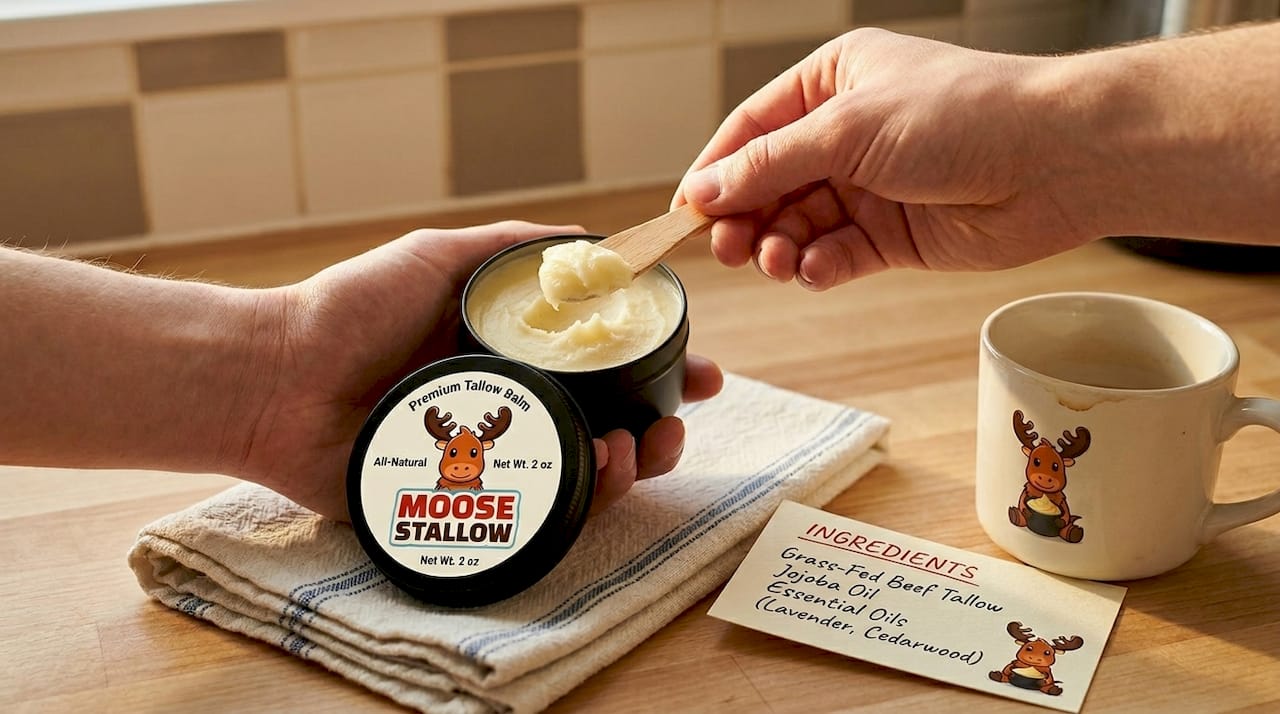
Entender los beneficios del sebo se reduce a la química de las grasas. El sebo es rico en ácido oleico, ácido esteárico y ácido palmítico. Estos ácidos grasos están presentes de forma natural en la piel sana. Cuando tu barrera está dañada, reponer esos lípidos puede ayudar a devolver suavidad y protección. Esa es la razón principal por la que el sebo encaja tan bien en el enfoque de 2026 en la reparación de la barrera.
Ventajas de usar sebo:
- Hidrata en profundidad, sobre todo en piel muy seca o agrietada
- Se absorbe sin quedarse pesado en la superficie cuando está bien procesado
- Sus listas cortas de ingredientes facilitan identificar sensibilidades
- Es biocompatible, es decir, la piel tiende a reconocer y aprovechar estos lípidos con eficiencia
Desventajas y precauciones:
- Los dermatólogos advierten que el sebo puede tapar los poros y provocar brotes en pieles propensas al acné o grasas
- Existen pocos datos clínicos sobre el sebo en concreto; aunque las revisiones señalan beneficios de hidratación, no hay ensayos clínicos a gran escala que lo comparen directamente con otras alternativas
- El origen importa muchísimo. Un sebo mal procesado o contaminado supone riesgos reales
- No está regulado por la FDA como ingrediente cosmético de la misma forma que los medicamentos, así que el control de calidad depende en gran parte del fabricante
El sebo siempre es la estrella de nuestras fórmulas, pero solo cuando es limpio, de origen cuidadoso y procesado con esmero. No es un simple eslogan. Es el estándar que exigimos a cada lote.
Si tienes piel seca y no propensa al acné, y sientes curiosidad, conocer más sobre el sebo para la piel sensible es un buen siguiente paso. Si tu piel tiende a ser grasa o estás lidiando con brotes activos, vale la pena priorizar primero las alternativas a base de ceramidas.
Consejo: Revisa siempre que el sebo provenga de animales alimentados con pasto y que el fabricante explique con claridad su proceso de elaboración. La transparencia aquí es señal de un producto confiable.
Los 5 mejores consejos de cuidado natural para la piel sensible y seca
Después de ver cómo funciona el sebo, estos son los mejores hábitos de cuidado natural con más probabilidad de funcionar en la piel sensible y seca. Son prácticos, se basan en la evidencia actual y son suaves incluso para las pieles reactivas.
-
Limpia con suavidad y que sea rápido. Usa un limpiador suave y sin fragancia, y evita cualquiera con sulfatos o tensioactivos fuertes. Limpiar de más reseca la barrera tanto como los activos agresivos.
-
Elige cremas hidratantes que reparen la barrera y le queden bien a tu piel. Para la piel muy seca, el sebo de res ofrece una opción biocompatible y minimalista que imita el sebo natural de tu piel y apoya la reparación de la barrera. Para quienes prefieren fórmulas de origen vegetal, las ceramidas y el escualano son opciones suaves y bien estudiadas. El objetivo, en cualquier caso, es reponer lípidos. Explora los usos de la loción de sebo si quieres ideas prácticas de aplicación.
-
Haz siempre una prueba de parche antes de comprometerte. Aplica una pequeña cantidad de cualquier producto nuevo en la cara interna del antebrazo, espera 24 horas y revisa si hay enrojecimiento, picazón o hinchazón. Toma un día más y te ahorra una posible semana de irritación. Esto vale para el sebo igual que para cualquier aceite vegetal o sérum.
-
Deja de exfoliar de más. Los exfoliantes químicos y físicos son útiles con moderación, pero la piel sensible muchas veces necesita descansar de ellos por completo. Si tu piel se siente tirante, se ve roja o arde después de limpiarla, reduce todos los activos y dale tiempo a tu barrera para recuperarse.
-
Combina productos no comedogénicos de forma estratégica. Sin fragancia y no comedogénico no significa débil. Significa que no estás sumando irritantes innecesarios ni ingredientes que tapan los poros sobre tu crema hidratante. Para la piel seca, piensa por qué el sebo para la piel seca en concreto puede superar a las cremas convencionales más pesadas que dependen de agentes que retienen agua en vez de un verdadero aporte de lípidos.
Consejo: Si cambias de una crema hidratante sintética a algo más simple como el sebo, dale a tu piel de dos a tres semanas para adaptarse. Las transiciones toman tiempo, y los cambios de textura al inicio no significan que el producto no funcione.
Sebo vs. alternativas de origen vegetal: tabla comparativa
¿Te preguntas cómo se compara el sebo con otros ingredientes suaves y eficaces? Aquí tienes una comparación de un vistazo.
| Ingrediente | Nivel de hidratación | Seguridad en piel sensible | Piel propensa al acné | Respaldo científico | Ideal para |
|---|---|---|---|---|---|
| Sebo de res | Muy alto | Bueno para piel seca, sin acné | Evitar | Limitado pero en aumento | Piel muy seca y no reactiva |
| Ceramidas | Alto | Excelente | Generalmente seguro | Amplio | Piel sensible o con la barrera dañada |
| Escualano | De moderado a alto | Excelente | Generalmente seguro | Sólido | Todo tipo de piel |
| Aceite de avena | Moderado | Excelente | Generalmente seguro | Moderado | Piel sensible que se irrita con facilidad |
Como muestra la tendencia de 2026 centrada en la barrera, el hilo común de todos estos ingredientes es reponer lípidos sin complicaciones innecesarias. Ninguno requiere una rutina de diez pasos. Todos funcionan mejor cuando se usan con constancia y sin una pila de activos agresivos debajo.
Para ver más a fondo cómo se comportan estas opciones en el uso real, la comparación de sebo vs. aceites vegetales y sebo vs. cremas lo explica en términos prácticos.
Conclusión clave: Las ceramidas y el escualano tienen más respaldo científico y sirven para más tipos de piel. El sebo brilla en piel muy seca y no propensa al acné cuando tiene buen origen y está bien procesado. No existe un único ingrediente “mejor”. El mejor es el que funciona de forma segura para tu piel en particular.
La verdad incómoda sobre el cuidado “natural” de la piel en 2026
Esto es lo que los titulares de moda no te cuentan. Natural no significa automáticamente seguro. Eficaz no significa comprobado. Y que algo se haya usado por generaciones no reemplaza la necesidad de una evaluación honesta y un buen origen.
El sebo está viviendo un gran momento ahora mismo, y creo que buena parte de ese entusiasmo está justificado. Para la piel seca y sensible, el argumento de la biocompatibilidad es convincente, y muchas personas tienen resultados reales y positivos. Pero la ciencia todavía es incipiente. Como señalan los expertos, la popularidad del sebo ha ido más rápido que la investigación formal. No hay grandes ensayos controlados y aleatorizados que comparen el sebo de res con ceramidas o escualano. Lo que tenemos son estudios de ácidos grasos, razonamiento sobre el mecanismo y una experiencia de usuarios en aumento. Eso vale. Solo que no es lo mismo que una prueba clínica sólida.
En la práctica, esto significa que la experimentación personal e inteligente, guiada por la prueba de parche y un origen cuidadoso, es de verdad tu mejor herramienta ahora mismo. No sigas una tendencia solo porque suena sana. Síguela con cuidado, con escepticismo ante las promesas milagrosas y atención real a la seguridad del producto de sebo y a los estándares de origen.
Otra cosa que vale la pena decir: las marcas que gritan más fuerte sus promesas “cien por ciento natural” a veces son las menos transparentes sobre su origen. El buen trabajo artesanal es silencioso. Se nota en cómo se hace un producto y en lo que deja fuera, no solo en lo que promete.
Descubre un cuidado de la piel más seguro y minimalista con sebo
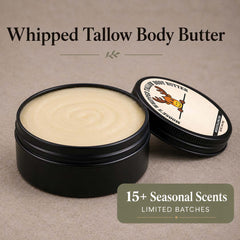
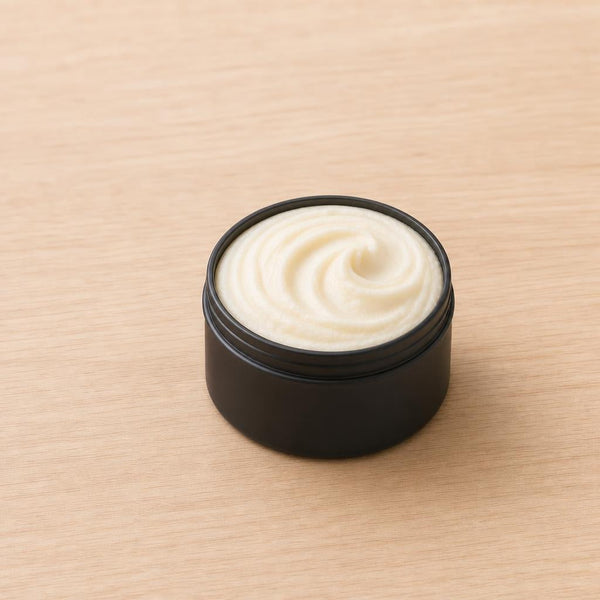
Si buscas un cuidado de la piel centrado en la barrera y honesto con los ingredientes, nos encantaría que probaras algo en lo que pusimos verdadero cuidado. Nuestra manteca corporal de sebo batida es un gran punto de partida: ingredientes limpios, sebo de res como base y nada innecesario añadido. Está hecha a mano en lotes pequeños y pensada para sentirse nutritiva sin ser pesada. Si quieres ver todo lo que hacemos, explora todos los productos de sebo y encuentra algo que le quede bien a tu piel y a tu rutina. Fórmulas simples, trabajo artesanal honesto y un estándar de origen que nos exigimos en cada lote.
Preguntas frecuentes
¿El sebo es seguro para todo tipo de piel en 2026?
El sebo funciona mejor en piel muy seca o no propensa al acné. Los dermatólogos advierten que puede tapar los poros y causar brotes en pieles grasas o propensas al acné, así que esas personas deberían considerar ceramidas o escualano en su lugar.
¿Cómo se compara el sebo con las ceramidas para la piel sensible?
Las ceramidas están más estudiadas y son la recomendación preferida de los dermatólogos para la piel sensible o con la barrera dañada. El sebo sigue la misma tendencia de reparación de la barrera, pero por ahora con menos evidencia clínica que la respalde.
¿Hay beneficios de hidratación comprobados al usar sebo?
Algunas revisiones de 2024 señalan beneficios reales de hidratación del sebo, y su composición de ácidos grasos respalda ese mecanismo. Sin embargo, todavía faltan ensayos clínicos rigurosos que lo comparen con aceites vegetales o ceramidas.
¿Cómo hago una prueba de parche con un nuevo producto de cuidado natural de la piel?
Aplica una pequeña cantidad en la cara interna del antebrazo, déjala 24 horas sin lavar y observa si aparece enrojecimiento, picazón o alguna reacción antes de usarla en mayor cantidad en el rostro o el cuerpo.
Recomendado
- Qué hace que el cuidado de la piel sea natural: cualidades clave en 2026 – Moose’s Tallow
- Ingredientes honestos: la clave para una piel más sana en 2026 – Moose’s Tallow
- Crea una rutina de cuidado natural de la piel para resultados duraderos – Moose’s Tallow
- Caléndula y manzanilla: 5 beneficios comprobados para la piel – Moose’s Tallow
- El microbioma de la piel: el equilibrio entre la limpieza natural y el cuidado de la pi – SOAPSTAR Skincare
- Los mejores consejos de recuperación natural de la piel para sanar más rápido


0 comentarios