

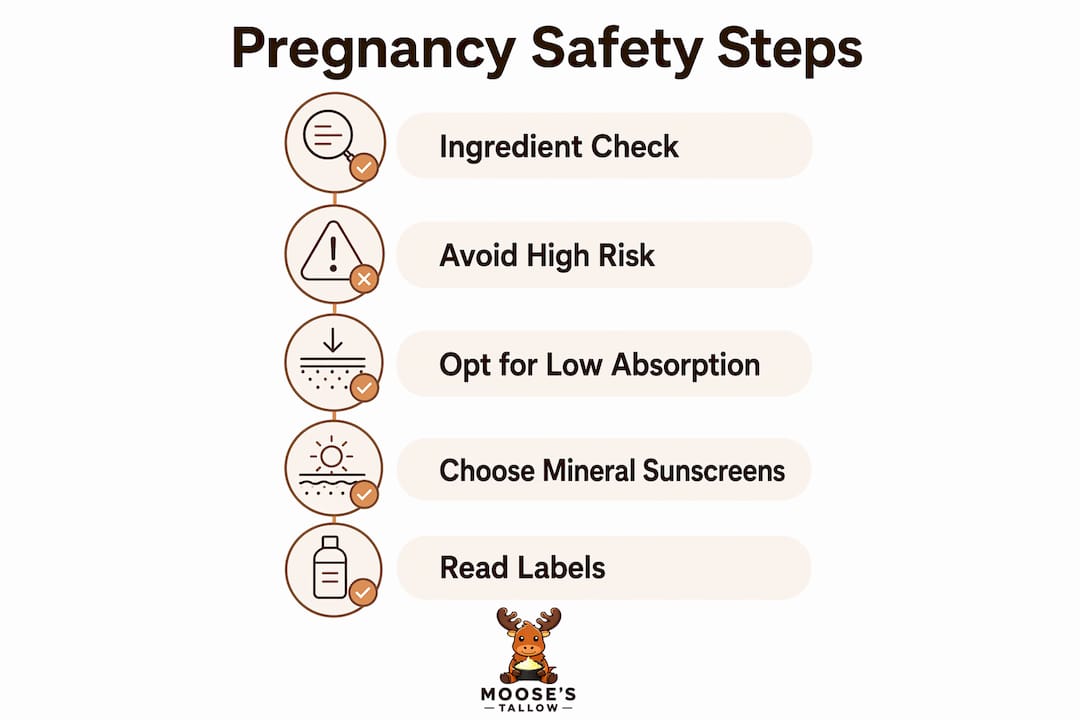
Un producto seguro en el embarazo se define por lo que deja fuera. En concreto, excluye ingredientes con riesgos fetales conocidos o sospechados y se basa en fórmulas con baja absorción sistémica a través de la piel. La FDA no certifica oficialmente ningún cosmético como seguro en el embarazo, así que la afirmación se basa en la exclusión de ingredientes, no en un respaldo del gobierno. Eso significa que la responsabilidad recae en ti para leer las etiquetas, entender los riesgos de los ingredientes y elegir productos de marcas honestas sobre lo que ponen en sus fórmulas. Ingredientes como los retinoides, la hidroquinona y los filtros UV químicos como la oxibenzona son señalados de forma constante por los dermatólogos como algo que hay que evitar. Saber por qué cada uno importa es el primer paso para tomar decisiones con confianza.
¿Qué hace que un producto sea seguro en el embarazo?
Un producto se gana la etiqueta de seguro en el embarazo al evitar ingredientes que pueden cruzar la barrera de la piel y llegar al torrente sanguíneo en cantidades importantes. La absorción sistémica es la preocupación central. Cuando un ingrediente se absorbe en la sangre, puede llegar al feto en desarrollo. El objetivo de una fórmula segura en el embarazo es mantener esa exposición lo más cerca posible de cero.
La Modernization of Cosmetics Regulation Act, conocida como MoCRA, ha empujado a las marcas hacia una mayor transparencia de ingredientes y fórmulas más seguras desde que amplió la supervisión de la FDA sobre los cosméticos. MoCRA no crea una certificación oficial de seguro en el embarazo. Lo que sí hace es subir el estándar de divulgación de ingredientes y de responsabilidad en la fabricación en toda la industria.
Las marcas que se toman en serio la seguridad en el embarazo construyen sus productos en torno a una lista de exclusión de ingredientes. Nombran sinónimos INCI específicos para los ingredientes restringidos y definen umbrales de concentración de bajo riesgo. También evitan hacer afirmaciones terapéuticas, porque un producto que dice tratar o curar una condición se reclasifica como medicamento según las normas de la FDA. Esa reclasificación desencadena un proceso regulatorio completamente distinto. Mantenerse en la categoría cosmética significa conservar afirmaciones honestas y listas de ingredientes limpias.
¿Qué ingredientes debes evitar durante el embarazo?
La lista de ingredientes que hay que evitar durante el embarazo es más corta de lo que la mayoría espera, pero las razones detrás de cada exclusión importan.
- Retinoides (retinol, tretinoína, palmitato de retinilo): Estos derivados de la vitamina A son teratogénicos en dosis altas, es decir, pueden interferir con el desarrollo fetal. Incluso las formas tópicas se absorben en el torrente sanguíneo. Los dermatólogos recomiendan de forma constante evitar todas las formas de retinoides durante el embarazo.
- Hidroquinona: Este ingrediente aclarante de la piel tiene una absorción sistémica inusualmente alta en comparación con la mayoría de los activos cosméticos. Como una gran parte de lo que aplicas entra al torrente sanguíneo, se excluye de las fórmulas seguras en el embarazo.
- Filtros UV químicos (oxibenzona, octinoxato, avobenzona): Un estudio de JAMA de 2019 mostró que estos filtros solares químicos entran al torrente sanguíneo tras la aplicación tópica. La oxibenzona en particular genera preocupaciones por alteración endocrina. Los protectores solares minerales son la alternativa recomendada.
- Ácido salicílico en alta concentración: Las concentraciones bajas en productos que se enjuagan conllevan un riesgo mínimo. Las fórmulas de alta dosis que se dejan en la piel se evitan porque el ácido salicílico es un beta-hidroxiácido con potencial de absorción sistémica.
- Ftalatos y liberadores de formaldehído: Estos conservadores y componentes de fragancia aparecen en muchos productos convencionales. Ambos se asocian con la alteración hormonal y se excluyen de las fórmulas seguras en el embarazo.
- Ciertos aceites esenciales: Las concentraciones altas de salvia romana, romero y algunos otros se señalan por una posible estimulación uterina. Las cantidades diluidas en productos que se enjuagan conllevan menor riesgo, pero es mejor evitar los productos que se dejan en la piel con cargas altas de aceites esenciales.
El estado de la piel y el lugar de aplicación también afectan cuánto se absorbe un ingrediente. La piel dañada o fina aumenta la exposición sistémica de forma significativa. La cara y la ingle absorben más que el antebrazo. Aplicar cualquier producto sobre piel lastimada durante el embarazo eleva el riesgo de absorción de cada ingrediente de esa fórmula.
Consejo: Revisa el nombre INCI completo en la etiqueta, no solo el nombre comercial. “Vitamina A” puede aparecer como retinol, palmitato de retinilo o retinaldehído. Los tres son retinoides y los tres se evitan durante el embarazo.
¿Qué ingredientes seguros pueden reemplazar los activos de alto riesgo?
Una fórmula segura en el embarazo no se trata de renunciar a los resultados. Se trata de elegir ingredientes que aporten beneficios similares sin el riesgo sistémico. El mapa de sustitución que usan los formuladores cuidadosos está bien establecido.
- Niacinamida reemplaza a los retinoides para iluminar, minimizar los poros y apoyar la barrera cutánea. No conlleva riesgo teratogénico y se tolera bien incluso en la piel sensible del embarazo.
- Ácido azelaico trata la hiperpigmentación y el acné leve sin las preocupaciones sistémicas de la hidroquinona o los retinoides. Es uno de los activos seguros en el embarazo más recomendados por los dermatólogos.
- Vitamina C estable (ácido L-ascórbico o ascorbil glucósido) reemplaza a la hidroquinona para iluminar. Funciona como antioxidante y apoya la producción de colágeno sin una absorción sistémica importante en concentraciones cosméticas.
- Ácido mandélico ofrece una exfoliación suave con un tamaño molecular mayor que el del ácido glicólico, lo que significa que penetra más despacio y se absorbe menos a nivel sistémico. Es un cambio práctico frente a exfoliantes químicos más fuertes.
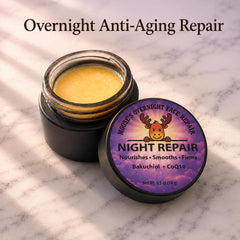
- Bakuchiol es un ingrediente de origen vegetal que imita los efectos del retinol en la textura y la firmeza de la piel sin el riesgo teratogénico. Se ha convertido en una de las alternativas seguras en el embarazo más populares en los últimos años.
- Óxido de zinc y dióxido de titanio reemplazan por completo a los filtros UV químicos. Estos ingredientes minerales se quedan sobre la piel y bloquean físicamente los rayos UV. No se absorben en el torrente sanguíneo en cantidades importantes.
El sebo de res y el aceite de coco fraccionado cumplen un papel distinto, pero igual de importante, en las fórmulas seguras en el embarazo. El perfil de ácidos grasos del sebo se parece mucho a los propios lípidos de la piel, así que se absorbe de forma limpia y apoya la barrera cutánea sin aditivos sintéticos. El aceite de coco fraccionado es el aceite portador preferido por su estabilidad, resistencia a la oxidación, fácil absorción y larga vida útil. Ninguno de los dos ingredientes conlleva riesgo sistémico. Ambos trabajan con la piel en lugar de obligarla a procesar compuestos ajenos.
Consejo: El ácido glicólico en baja concentración (10% o menos) se considera de bajo riesgo durante el embarazo por su mínima absorción sistémica. Si quieres un exfoliante suave y tu médico está de acuerdo, esta es una de las opciones menos restringidas.
Para quien esté dejando atrás los retinoides, la guía de alternativas al retinol de Moose’s Tallow cubre opciones prácticas para mantener la salud de la piel sin el riesgo.
¿Cómo leer una etiqueta para elegir productos seguros?
Leer bien una etiqueta es la habilidad más práctica para elegir productos seguros durante el embarazo. La mayoría solo mira el frente del envase. La lista de ingredientes de la parte de atrás es donde está la información real.
- Busca nombres INCI, no nombres comerciales. INCI significa Nomenclatura Internacional de Ingredientes Cosméticos. En Estados Unidos, cada ingrediente debe figurar por su nombre INCI. “Retinol” es retinol. “Oxibenzona” es benzofenona-3. Conocer ambos nombres te ayuda a detectar ingredientes restringidos sin importar cómo se promocione un producto.
- Fíjate en las señales de concentración. Los ingredientes se enumeran en orden descendente de concentración. Si un ingrediente señalado aparece cerca del inicio de la lista, es probable que la concentración sea alta. Si aparece cerca del final, la cantidad es pequeña, aunque vale la pena tenerla en cuenta en productos que se dejan en la piel.
- Evita las menciones vagas de fragancia. “Fragancia” o “parfum” pueden ocultar legalmente decenas de químicos no revelados, incluidos ftalatos. Los productos con los ingredientes de aroma totalmente detallados son opciones más seguras.
- Desconfía de las afirmaciones de “natural”. Natural no significa seguro durante el embarazo. Los aceites esenciales, los extractos de plantas y los ingredientes herbales pueden tener sus propios riesgos en altas concentraciones.
| Afirmación de la etiqueta | Qué significa en realidad |
|---|---|
| “Seguro en el embarazo” | No hay un estándar oficial de la FDA; se basa solo en la exclusión de ingredientes |
| “Natural” u “orgánico” | Sin seguridad garantizada para el embarazo; revisa cada ingrediente |
| “Probado por dermatólogos” | Probado para tolerabilidad general, no para seguridad específica en el embarazo |
| “Sin fragancia” | Sin fragancia añadida; en general más seguro que “sin aroma” |
| “Protector solar mineral” | Contiene óxido de zinc o dióxido de titanio; preferido durante el embarazo |
Si una marca no puede decirte exactamente qué hay en su producto y por qué, esa es una señal para buscar en otro lado. La transparencia de ingredientes no es un extra. Es lo mínimo para comprar seguro en el embarazo. Las marcas que publican listas completas de ingredientes con un origen claro te dan la información que necesitas para tomar una decisión real.
¿Por qué se prefieren los protectores solares minerales durante el embarazo?
Los protectores solares minerales son la opción recomendada durante el embarazo porque no se absorben en el torrente sanguíneo. El óxido de zinc y el dióxido de titanio funcionan reflejando físicamente los rayos UV en la superficie de la piel. Los filtros químicos como la oxibenzona funcionan absorbiendo la energía UV y convirtiéndola en calor, un proceso que requiere que el ingrediente penetre en la piel. Esa penetración es el problema.
Hasta el 75% de las mujeres embarazadas presenta melasma, una forma de hiperpigmentación provocada por los cambios hormonales y agravada por la exposición a los rayos UV. Una protección solar constante es una de las formas más efectivas de controlar el melasma durante el embarazo. Saltarte el protector solar porque te preocupan los filtros químicos no es la solución. Cambiar a un protector solar mineral con óxido de zinc o dióxido de titanio te da protección completa de amplio espectro sin la preocupación de la absorción sistémica.
El embarazo también aumenta la sensibilidad general de la piel. Productos que no causaban ninguna reacción antes del embarazo pueden sentirse irritantes de repente. Es un efecto hormonal, no una señal de que tu piel esté dañada. Elegir fórmulas más simples con menos ingredientes reduce la probabilidad de una reacción. Las fórmulas sin agua son muy útiles aquí porque se saltan los conservadores que los productos a base de agua necesitan para mantenerse estables.
| Tipo de protector solar | Método de protección UV | Absorción sistémica | Recomendación en el embarazo |
|---|---|---|---|
| Mineral (óxido de zinc, dióxido de titanio) | Reflexión física | Mínima | Preferido |
| Químico (oxibenzona, octinoxato) | Absorción de UV en la piel | Documentada | Evitar |
Consejo: Aplica el protector solar mineral como último paso de tu rutina de la mañana, después de cualquier sérum o crema hidratante. Los filtros minerales necesitan quedarse sobre la piel para funcionar. Ponerlos debajo de otros productos reduce su eficacia.
Puntos clave
Un producto es seguro en el embarazo cuando excluye los activos de alto riesgo, se basa en ingredientes con baja absorción sistémica y mantiene una transparencia total de ingredientes.
| Punto | Detalles |
|---|---|
| No existe una certificación oficial | “Seguro en el embarazo” es una afirmación de marketing basada en la exclusión de ingredientes, no en un estándar de la FDA. |
| Evita los retinoides, la hidroquinona y los filtros químicos | Estos ingredientes se absorben de forma sistémica y conllevan riesgos fetales documentados o sospechados. |
| Las alternativas seguras dan resultados reales | La niacinamida, el ácido azelaico, el bakuchiol y los protectores solares minerales reemplazan los activos de alto riesgo con eficacia. |
| El estado de la piel afecta la absorción | La piel lastimada o fina absorbe más de cualquier ingrediente, lo que eleva el riesgo de cada producto que se aplica sobre ella. |
| La transparencia de ingredientes no es negociable | La divulgación completa del INCI te permite verificar las afirmaciones de seguridad en lugar de confiar en el lenguaje de marketing. |
Lo que he aprendido creando fórmulas seguras en el embarazo
El cuidado de la piel seguro en el embarazo es uno de los rincones peor entendidos de la industria de la belleza. La etiqueta de “seguro en el embarazo” se usa a la ligera, y la mayoría de los compradores no tiene forma de verificar si significa algo. Empecé Moose’s Tallow porque miré la etiqueta de una loción y conté 52 ingredientes. El primero era agua. Esa no es una fórmula hecha para tu piel. Es una fórmula hecha para un precio.
Cuando las mujeres embarazadas me preguntan qué deben buscar, mi respuesta honesta es esta: confía en la lista de ingredientes, no en el frente del envase. El marco regulatorio de los cosméticos, incluso con MoCRA empujando por más transparencia, todavía no exige que las marcas demuestren que sus productos son seguros antes de venderlos. Eso deja la responsabilidad en la marca de ser honesta y en ti de hacer preguntas difíciles. Creo que eso está mal, pero es la realidad ahora mismo.
Lo que sé por crear fórmulas sin agua a base de sebo es que lo más simple casi siempre es lo más seguro. Menos ingredientes significan menos incógnitas. El sebo de res y el aceite de coco fraccionado no son exóticos ni complicados. Son estables, bien conocidos y compatibles con la piel. Eso es justo lo que quieres cuando estás embarazada y tu piel está más reactiva de lo normal.
Una cosa más que vale la pena decir con claridad: si tienes dudas sobre cualquier ingrediente, pregúntale a tu ginecólogo o partera. No porque crea que todo producto es peligroso, sino porque tu médico conoce tu historial de salud específico. Ningún artículo reemplaza esa conversación. Lo que un buen artículo sí puede hacer es darte las preguntas correctas. Espero que este lo haga.
Si quieres entender cómo encajan los tratamientos de grado médico en una rutina de cuidado seguro de la piel, la lista de verificación de seguridad de spa médico de Lux Veritae cubre qué preguntar antes de cualquier tratamiento profesional durante el embarazo.
Brian Smith
Moose’s Tallow y el estándar de seguridad en el embarazo
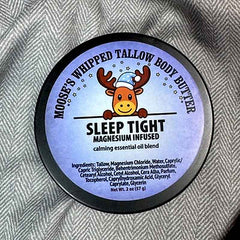
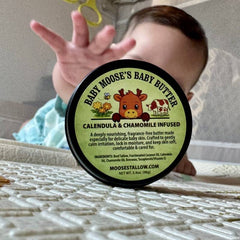
Moose’s Tallow construye cada producto sobre una lista de ingredientes corta y honesta. La base es sebo de res local bien fundido, aceite de coco fraccionado, cera de abeja y vitamina E (tocoferoles). Sin agua, sin rellenos, sin ingredientes añadidos para alcanzar un precio. Cada ingrediente se elige porque hace algo real por tu barrera cutánea.
La Manteca Corporal de Sebo Batida es una de las opciones más populares para las mujeres embarazadas con piel seca, tirante o sensible. Se absorbe de forma limpia, evita las largas listas de ingredientes que hacen de leer etiquetas una tarea pesada, y apoya la barrera cutánea con ingredientes que tu cuerpo ya reconoce. Todos los productos se hacen a mano en lotes pequeños en Lebanon, PA, y están respaldados por una garantía de 60 días. Si quieres un cuidado de la piel honesto sobre lo que contiene, eso es justo lo que Moose’s Tallow está hecho para ofrecer.
Preguntas frecuentes
¿Qué hace que un producto de cuidado de la piel sea seguro en el embarazo?
Un producto de cuidado de la piel seguro en el embarazo excluye ingredientes con riesgos fetales conocidos o sospechados y usa fórmulas con baja absorción sistémica. La afirmación se basa en la exclusión de ingredientes, no en una certificación oficial de la FDA.
¿Qué ingredientes es más importante evitar durante el embarazo?
Los retinoides, la hidroquinona, los filtros UV químicos como la oxibenzona, el ácido salicílico en alta concentración, los ftalatos y los liberadores de formaldehído son los ingredientes que se señalan con más frecuencia para evitar durante el embarazo.
¿Los protectores solares minerales son de verdad más seguros que los químicos durante el embarazo?
Sí. Los protectores solares minerales con óxido de zinc o dióxido de titanio bloquean físicamente los rayos UV sin absorberse en el torrente sanguíneo. Los filtros químicos como la oxibenzona tienen absorción sistémica documentada y preocupaciones por alteración endocrina.
¿Puedo usar niacinamida y ácido azelaico durante el embarazo?
Tanto la niacinamida como el ácido azelaico se recomiendan mucho como alternativas seguras en el embarazo a los retinoides y la hidroquinona. Ninguno conlleva riesgo teratogénico en concentraciones cosméticas.
¿“Natural” significa que un producto es seguro durante el embarazo?
No. Los ingredientes naturales, incluidos ciertos aceites esenciales y extractos de plantas, pueden implicar riesgos durante el embarazo en altas concentraciones. Revisa siempre la lista completa de ingredientes sin importar cómo se promocione el producto.
Recomendados
- Cuidado de la piel seguro para bebés: guía para padres 2026
- ¿Es seguro el sebo de res para la piel del bebé? Guía experta – Moose’s Tallow
- Retinol en el embarazo: por qué las madres lactantes deben evitarlo – Moose’s Tallow
- Riesgos del retinol en el embarazo y cuidado natural del contorno de ojos – Moose’s Tallow


0 comentarios