

TL;DR:
- La belleza limpia no tiene una definición universal y depende de las exclusiones y la transparencia de cada marca. Ofrece beneficios reales para la piel sensible y el abastecimiento ético, pero a menudo implica concentraciones más bajas de ingredientes activos y posibles riesgos de alérgenos de los ingredientes naturales. Tomar decisiones informadas requiere leer los ingredientes, entender las certificaciones y elegir productos según tus metas y sensibilidades de piel.
La belleza limpia es una de las categorías de más rápido crecimiento en el cuidado de la piel, pero la mayoría de las personas que la buscan parten de información incompleta. La pregunta de por qué elegir belleza limpia merece una respuesta real, no un folleto de marketing. La verdad honesta es que “limpio” significa cosas distintas según la marca que leas. Ninguna agencia federal lo ha definido. Y ese vacío entre la etiqueta y la realidad es justo donde nace la confusión, y a veces la decepción. Esta guía explica qué es en realidad la belleza limpia, qué beneficios ofrece de verdad, dónde se queda corta y cómo comprarla con los ojos bien abiertos.
Puntos clave
| Punto | Detalles |
|---|---|
| No existe una definición universal | “Limpio” es un término de marketing; cada marca define su propia lista de exclusiones sin supervisión regulatoria. |
| Los beneficios reales se centran en los ingredientes | Evitar parabenos, fragancias sintéticas y aditivos agresivos puede reducir la irritación en la piel sensible. |
| Natural no siempre significa seguro | Los aceites esenciales y los extractos de plantas pueden provocar reacciones alérgicas igual que los ingredientes sintéticos. |
| Las concesiones en eficacia son reales | Las fórmulas limpias suelen usar concentraciones activas más bajas, lo que significa resultados más lentos y suaves. |
| Las certificaciones ayudan a despejar la confusión | Los sellos de terceros de organizaciones como EWG y MADE SAFE ofrecen una verificación más confiable que las afirmaciones de las marcas. |
Por qué elegir belleza limpia: entender lo que realmente significa
La belleza limpia suena sencilla. En la práctica, es todo lo contrario. No existe una definición legal ni regulatoria del término en Estados Unidos. La FDA no regula lo que las marcas pueden llamar “limpio”, lo que significa que cualquier empresa puede usar la etiqueta como quiera.
Diferentes tiendas aplican estándares completamente distintos. Las listas de exclusión inconsistentes de lugares como Sephora, Credo y EWG generan verdadera confusión para quienes intentan comparar productos. La fórmula “limpia” de una marca puede contener ingredientes que otra marca considera prohibidos.
Lo que comparten la mayoría de las marcas de belleza limpia es un compromiso con la transparencia en los ingredientes. Eso suele significar publicar las listas completas de ingredientes, evitar ciertos químicos con antecedentes de seguridad discutidos y abastecerse con intención ética. Entre los ingredientes que se excluyen con frecuencia están:
- Parabenos (conservadores asociados en la percepción pública con la alteración hormonal)
- Ftalatos (plastificantes usados en fragancias sintéticas)
- Conservadores que liberan formaldehído
- Fragancias sintéticas (a menudo listadas simplemente como “fragancia” en las etiquetas)
- Sulfatos en las fórmulas de limpieza
Entender qué excluye una marca, y por qué, es más útil que tomar la etiqueta “limpio” al pie de la letra.
Beneficios de los productos de belleza limpia

Hay razones genuinas para considerar fórmulas más limpias. Las ventajas del cuidado de la piel limpio las notan con más claridad las personas con barreras cutáneas sensibles, reactivas o dañadas. Menos aditivos sintéticos suele significar menos posibles desencadenantes.
Estos son los beneficios centrales que resisten el escrutinio:
- Menor carga de irritantes. Las fragancias sintéticas son una causa principal de dermatitis de contacto. Eliminarlas beneficia directamente a la piel sensible.
- Abastecimiento ético. Muchas marcas limpias priorizan las pruebas libres de crueldad y las materias primas obtenidas de forma responsable.
- Conciencia sobre los ingredientes. La belleza limpia ha empujado a toda la industria hacia un etiquetado más transparente.
- Consideraciones ambientales. El movimiento de belleza limpia se ha ampliado para incluir el empaque y el abastecimiento sostenibles como algo esencial, no opcional. Dicho esto, el 86% del empaque de belleza usado nunca llega al reciclaje, así que las afirmaciones de empaque “sostenible” también merecen escrutinio.
- Responsabilidad impulsada por el consumidor. El 43% de los consumidores millennials y de la Gen Z prefiere productos limpios, y esa demanda ha empujado a las marcas a ser más responsables sobre lo que ponen en sus fórmulas.
Consejo: Cuando evalúes un producto, mira la lista completa de ingredientes en lugar de las afirmaciones del frente de la etiqueta. Si un producto usa “fragancia” como término general, ese solo ingrediente puede contener docenas de químicos no revelados.
Limitaciones y concesiones en la belleza limpia
La belleza limpia no está exenta de problemas. Una evaluación honesta de la belleza limpia frente al cuidado de la piel convencional revela algunas brechas reales, sobre todo en el desempeño clínico.
| Categoría | Belleza limpia | Cuidado de la piel convencional |
|---|---|---|
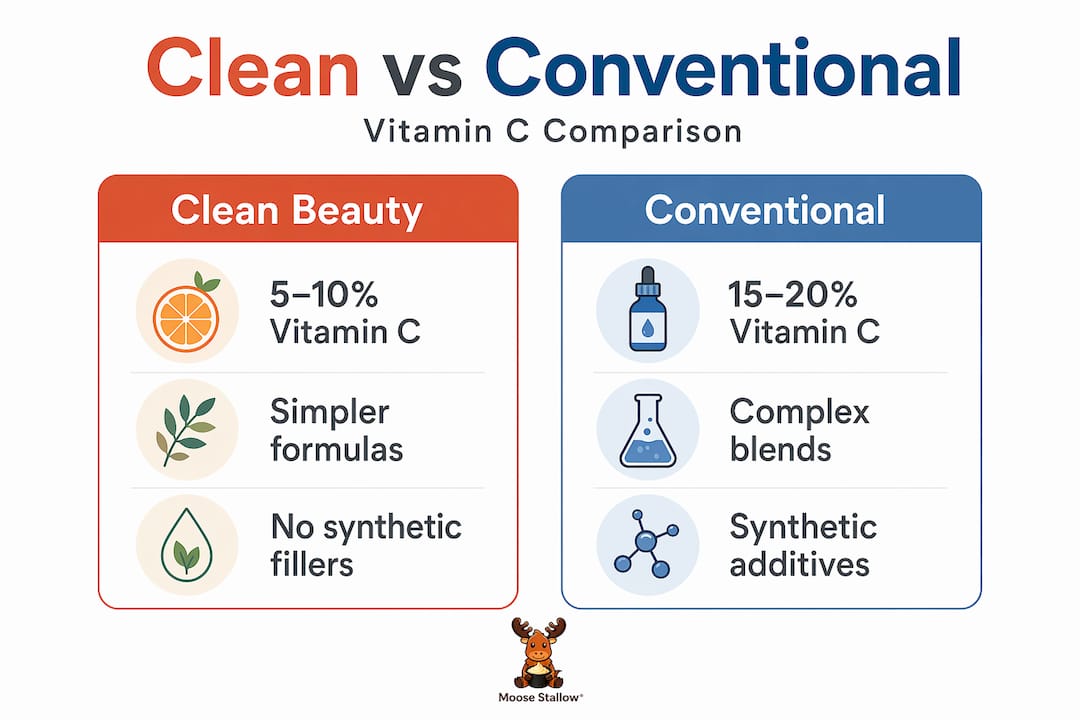
| Concentración de vitamina C | Normalmente 5–10% | A menudo 15–20% |
| Opciones de retinoides | Alternativas como el bakuchiol | Retinoides con respaldo clínico |
| Sistemas de conservadores | Alternativas naturales | Opciones sintéticas y bien estudiadas |
| Riesgo de alérgenos | Presente (aceites esenciales) | Presente (sintéticos) |
| Datos clínicos | Limitados para las alternativas más nuevas | Amplios para los activos comprobados |
Las fórmulas tradicionales usan concentraciones más altas de vitamina C, del 15 al 20 por ciento, frente a los productos limpios que a menudo quedan entre el 5 y el 10 por ciento. Las concentraciones más bajas implican un mantenimiento más suave y a largo plazo en lugar de una corrección agresiva. Eso está bien para algunas metas de piel y resulta frustrante para otras.
También hay ideas equivocadas sobre la seguridad de los ingredientes que vale la pena aclarar. Los parabenos no tienen un vínculo causal comprobado con el cáncer de mama. Tanto la EFSA como la FDA los han considerado seguros en concentraciones cosméticas. El miedo a su alrededor creció a partir de datos mal interpretados. Eso no significa que no debas evitarlos si así lo prefieres. Pero sí significa que el marketing basado en el miedo alrededor de los parabenos a veces ha llevado a las marcas a cambiarlos por conservadores menos efectivos.
Los ingredientes naturales como los aceites esenciales están entre los sensibilizantes de la piel más comunes en los cosméticos. Suponer que lo natural siempre es suave es una de las ideas equivocadas más persistentes en el cuidado de la piel. Natural y seguro no son lo mismo. Las alternativas de belleza limpia como el bakuchiol tampoco tienen las décadas de ensayos clínicos que respaldan a los retinoides sintéticos comprobados.
Consejo: Si vas a cambiar de una rutina convencional a una limpia, hazlo de forma gradual. Probar cualquier producto nuevo en la parte interna de la muñeca durante 48 horas antes de aplicarlo en el rostro es un hábito sencillo que te ahorra muchos problemas.
Cómo tomar decisiones informadas sobre belleza limpia
Manejar bien la belleza limpia se reduce a mirar más allá de la etiqueta y hacer un poco de tarea. Este es un proceso práctico:
- Lee la lista de ingredientes, no solo el frente de la etiqueta. Un producto puede decir que es “limpio” y aun así contener ingredientes que irritan tu tipo de piel específico. La lista de ingredientes no miente.
- Entiende las certificaciones de terceros. Organizaciones como EWG Verified, MADE SAFE y Leaping Bunny fijan sus propios estándares y los verifican de forma independiente. Los consumidores astutos usan estas certificaciones para despejar las afirmaciones inconsistentes de las marcas.
- Ajusta el producto a tus metas reales de piel. Si tu meta es el apoyo de la barrera a largo plazo y la nutrición diaria, las fórmulas limpias con concentraciones activas más bajas encajan bien. Si necesitas una corrección agresiva para la hiperpigmentación o las arrugas profundas, quizá necesites activos de mayor potencia.
- Busca fórmulas mínimas e intencionales. Menos ingredientes suele significar menos probabilidades de una reacción. Los productos en los que cada ingrediente tiene un propósito claro tienden a ser más seguros y más efectivos.
- Consulta a un dermatólogo al reformular. Si vas a hacer cambios importantes en tu rutina de cuidado de la piel, la orientación profesional asegura que no reemplaces algo que sí funcionaba.
Crear una rutina de cuidado de la piel natural con estos principios te da control real sobre lo que toca tu piel.
Mi opinión honesta sobre la conversación de la belleza limpia
He visto a personas tirar rutinas enteras de cuidado de la piel de la noche a la mañana porque la publicación de Instagram de una marca dijo que su humectante favorito era “tóxico”. Es un patrón que veo a menudo, y me preocupa.
La ciencia es clara en un punto: tu piel responde a la química, no a si un ingrediente vino de una planta o de un laboratorio. Eso no significa que todos los ingredientes sean iguales. Significa que la decisión debe basarse en la evidencia, no en el miedo.
Lo que valoro del movimiento de belleza limpia es el impulso hacia la transparencia. Saber exactamente qué hay en tu producto, y por qué está cada ingrediente, es algo que todo consumidor merece. De lo que desconfío es del marketing que explota el miedo para vender un producto que quizá no funcione mejor.
Las marcas en las que vale la pena confiar, según mi experiencia, son las que pueden decirte con precisión qué hay en su fórmula y por qué. No solo lo que dejaron fuera. Si una marca empieza por las exclusiones y no puede explicar qué hace en realidad la fórmula por tu piel, vale la pena notarlo. La belleza limpia de verdad es honesta tanto sobre sus fortalezas como sobre sus límites. Ese es un estándar más difícil de cumplir, y es el correcto.
Por Brian
Moosestallow y cómo se ve la belleza limpia honesta
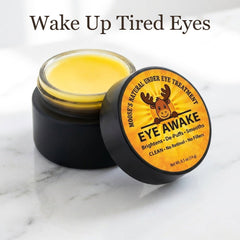
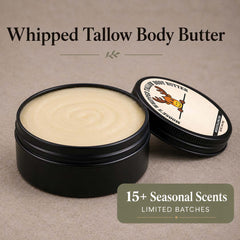
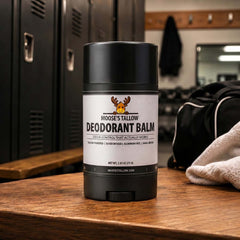
En Moosestallow, cada fórmula comienza con un solo ingrediente: sebo de res bien procesado. Es rico en ácidos grasos que coinciden con la composición natural de tu piel, por eso se absorbe sin dejar un residuo pesado. A partir de ahí, agregamos solo lo que se gana su lugar. Aceite de coco fraccionado para la estabilidad y una absorción limpia. Cera de abeja para proteger la barrera. Tocoferoles para el apoyo antioxidante. Jojoba y ricino cuando la fórmula lo pide.
No hay rellenos sintéticos, ni fragancias innecesarias, ni ingredientes que no podamos explicar. Si estás listo para probar un cuidado de la piel hecho con ese tipo de transparencia, explora nuestra colección completa y encuentra la fórmula que le queda a tu piel.
Preguntas frecuentes
¿Qué significa realmente la belleza limpia?
La belleza limpia se refiere a productos formulados sin ciertos ingredientes potencialmente dañinos, con un enfoque en la transparencia. No existe una definición regulatoria oficial, así que los estándares varían según la marca y la tienda.
¿Los productos de belleza limpia siempre son más seguros que los convencionales?
No de forma automática. Los ingredientes naturales como los aceites esenciales pueden causar reacciones alérgicas, y algunos ingredientes convencionales como los parabenos han sido considerados seguros en concentraciones cosméticas por la FDA y la EFSA.
¿Por qué los productos de belleza limpia a veces parecen menos efectivos?
Las fórmulas limpias suelen usar concentraciones más bajas de ingredientes activos. Por ejemplo, los productos limpios con vitamina C suelen usar una concentración del 5 al 10 por ciento frente al 15 al 20 por ciento de las fórmulas convencionales, lo que significa que los resultados aparecen de forma más gradual.
¿Qué certificaciones debo buscar en la belleza limpia?
Las certificaciones de terceros como EWG Verified, MADE SAFE y Leaping Bunny ofrecen una verificación independiente de la seguridad de los ingredientes y de los estándares de abastecimiento ético. Son más confiables que las etiquetas de “limpio” que pone la propia marca.
¿Se considera el sebo un ingrediente de belleza limpia?
Sí. El sebo de res es un ingrediente de una sola fuente y mínimamente procesado, con un perfil de ácidos grasos que se parece mucho al de la piel humana. Está libre de sintéticos y es ideal para la piel sensible o reactiva cuando se procesa bien.
Recomendado
- Beneficios reales del cuidado de la piel artesanal para toda tu familia – Moose’s Tallow
- Ingredientes honestos: la clave para una piel más saludable en 2026 – Moose’s Tallow
- Por qué importa el cuidado de la piel artesanal: calma y nutre de forma natural – Moose’s Tallow
- 6 ingredientes que debes evitar en el cuidado de la piel para una piel más saludable – Moose’s Tallow


0 comentarios