
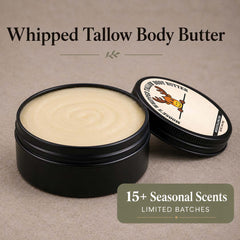
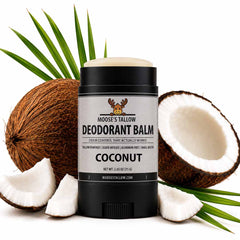
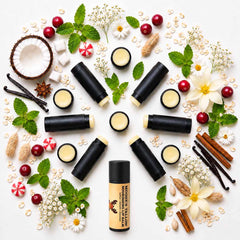


En resumen:
- El cuidado de la piel hecho a mano se enfoca en ingredientes naturales de alta calidad y en la personalización para necesidades específicas de la piel.
- Los ácidos grasos y las vitaminas del sebo se parecen mucho al sebo humano, lo que apoya la hidratación de la piel y la reparación de la barrera.
- Los químicos de los productos comerciales y los conservadores sintéticos pueden resecar la piel y causar irritación, a diferencia de las opciones hechas a mano.
La mayoría de la gente asume que si una crema hidratante está en el estante de una farmacia, seguro cumple su función. Esa suposición merece una segunda mirada. El cuidado de la piel hecho a mano, en especial las fórmulas a base de sebo, ha crecido de forma constante entre quienes quieren saber exactamente qué se ponen en la piel. Este artículo explica qué separa de verdad lo hecho a mano de lo producido en masa, por qué el sebo está en una categoría propia, qué químicos te conviene evitar y cómo tomar una decisión inteligente y segura para tu piel.
Puntos clave
| Punto | Detalles |
|---|---|
| Ventaja de frescura | El cuidado de la piel hecho a mano usa ingredientes más frescos y puros para el máximo beneficio de la piel. |
| Beneficios únicos del sebo | El sebo de res imita los aceites de la piel y apoya la reparación de la barrera en piel sensible y seca. |
| Evitar químicos | Las opciones hechas a mano evitan los químicos agresivos, reduciendo el riesgo de irritación y resequedad. |
| Apoyo a la salud de la piel | La ciencia muestra que el sebo puede ayudar a calmar el eczema, la psoriasis y los tipos de piel sensible. |
| Selección inteligente de productos | Elige marcas transparentes que produzcan en lotes pequeños para los mejores resultados del cuidado de la piel hecho a mano. |
Qué hace único al cuidado de la piel hecho a mano
El cuidado de la piel hecho a mano parte de una filosofía muy distinta. En lugar de producir a gran escala, quienes elaboran en lotes pequeños priorizan la calidad de los ingredientes, la transparencia y la frescura. El cuidado de la piel artesanal usa ingredientes frescos y estándares de calidad rigurosos que las grandes operaciones comerciales suelen sacrificar a favor de la estabilidad en el estante y el control de costos.
Una de las ventajas más subestimadas es la personalización. Los lotes pequeños se pueden ajustar según las necesidades de la piel por temporada, tipos de piel específicos o sensibilidades. Quien elabora 50 frascos a la vez puede responder a los comentarios reales de una forma que una fábrica que produce 50,000 unidades simplemente no puede.
Así se comparan los dos enfoques:
| Característica | Hecho a mano | Producción masiva |
|---|---|---|
| Lista de ingredientes | Corta, de alimentos integrales | Larga, a menudo sintética |
| Conservadores | Mínimos o naturales | Sintéticos, de amplio espectro |
| Tamaño del lote | Pequeño, fresco | Grande, estandarizado |
| Personalización | Alta | Ninguna |
| Abastecimiento ético | A menudo priorizado | Inconsistente |
Los productos hechos a mano suelen evitar:
- Fragancias sintéticas que pueden desencadenar reacciones
- Parabenos usados como conservadores baratos
- Rellenos derivados del petróleo sin beneficio para la piel
- Colorantes artificiales que no cumplen ninguna función para la piel
Consejo: Al leer una etiqueta, una lista de ingredientes más corta suele ser buena señal. Si no puedes pronunciar la mayoría de lo que aparece, ese producto probablemente no se hizo pensando en la salud de tu piel como prioridad. Una lista de verificación para el cuidado natural de la piel te ayuda a saber exactamente qué buscar.
Si te da curiosidad hacer tu propio cuidado de la piel en casa, esa mentalidad de transparencia primero es un gran punto de partida para entender qué le conviene de verdad a tu piel.
Por qué el sebo destaca en las fórmulas hechas a mano
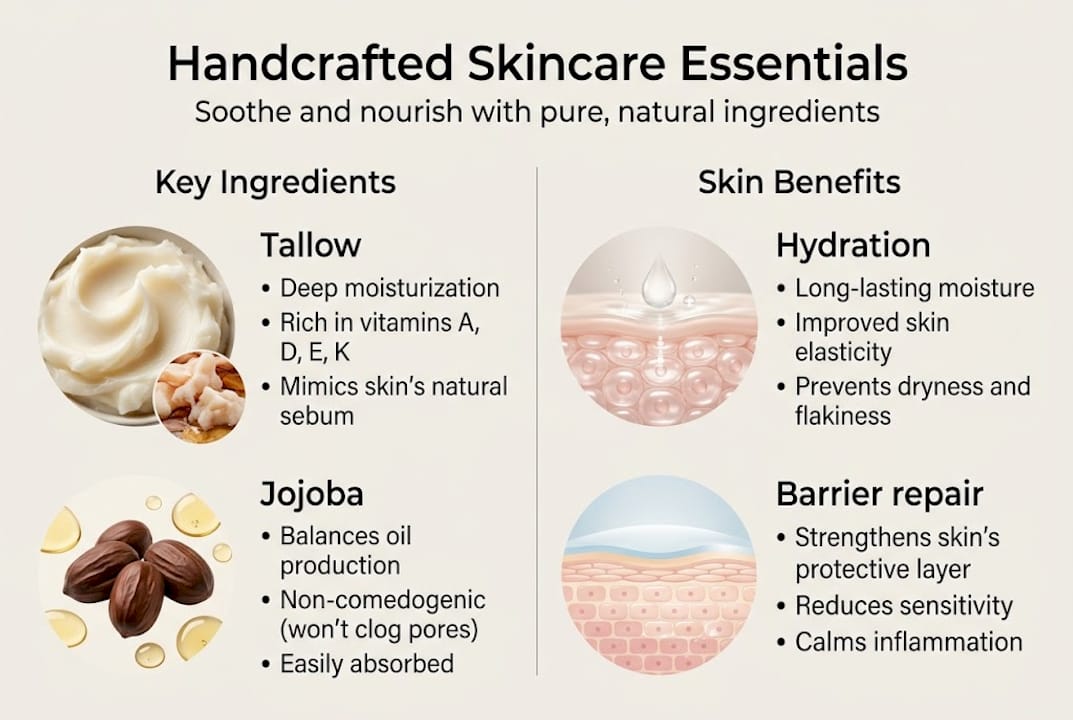
El sebo es grasa de res procesada, y se ha usado en la piel durante siglos. Esa permanencia no es casualidad. El perfil de ácidos grasos del sebo refleja de cerca el sebo humano, lo que significa que tu piel lo reconoce y lo absorbe de forma eficiente sin problemas.
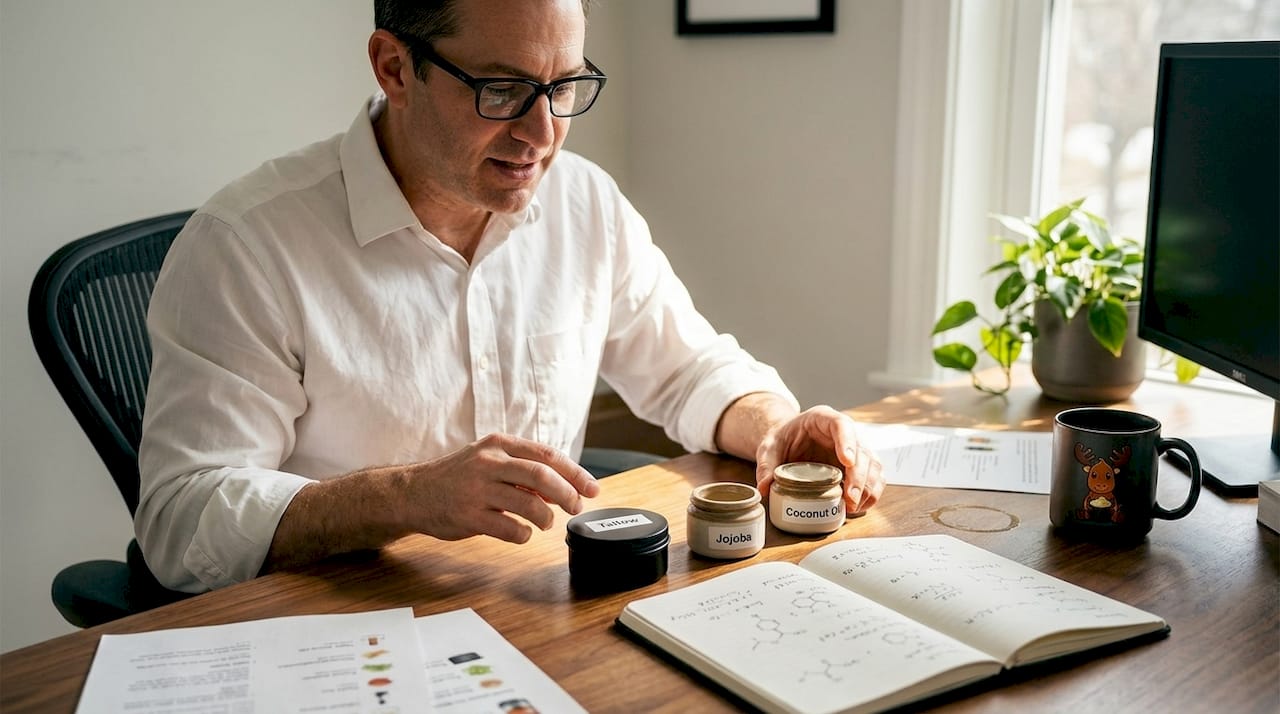
Los estudios muestran que el sebo aumenta la hidratación hasta en un 47% en tres horas mientras apoya la reparación de la barrera, lo que lo convierte en uno de los humectantes naturales más efectivos disponibles. Eso no es lenguaje de marketing. Es biología.
Así se comparan los ácidos grasos del sebo con los aceites comerciales comunes:
| Ácido graso | Sebo | Aceite de coco | Aceite de jojoba |
|---|---|---|---|
| Ácido oleico | Alto | Bajo | Moderado |
| Ácido palmítico | Alto | Alto | Bajo |
| Ácido esteárico | Alto | Moderado | Bajo |
| Compatibilidad con la piel | Excelente | Moderada | Buena |
Más allá de los ácidos grasos, el sebo de res alimentada con pasto contiene vitaminas A, D, E y K, cada una de las cuales apoya la renovación de las células de la piel y reduce la inflamación. No se agregan después. Están presentes de forma natural en la grasa de animales bien criados.
Razones clave por las que la alimentación con pasto importa:
- Mayor contenido de vitaminas frente a las fuentes alimentadas con grano
- Un perfil de grasa más limpio con mejor respuesta de la piel
- Prácticas de abastecimiento más éticas en general
Puedes leer un desglose completo de los beneficios del cuidado de la piel con sebo para entender por qué este ingrediente es realmente distinto de los aceites de moda. La experiencia de Ed Latimore con el sebo en la piel también vale la pena leerla si quieres una opinión honesta y no comercial. Para ver más de cerca los beneficios del sebo de res específicos del uso diario, preparamos una guía detallada.
Cuidado de la piel hecho a mano vs. comercial: el costo oculto de los químicos
El jabón comercial no es realmente jabón en el sentido tradicional. La mayoría de las barras en el estante son, técnicamente, detergentes sintéticos. Limpian, sí, pero también le quitan a tu piel sus aceites naturales y la glicerina que la mantiene suave.
Los fabricantes de jabón comercial suelen quitar la glicerina durante la producción para venderla por separado, dejando un producto que reseca la piel. El jabón hecho a mano conserva esa glicerina de forma natural, y por eso tu piel se siente diferente desde el primer uso.
Las fórmulas hechas a mano también evitan los parabenos y sulfatos, dos de los irritantes más comunes escondidos en los productos de uso diario. Así puedes revisar una etiqueta en busca de irritantes ocultos:
- Busca palabras que terminen en “-parabeno” (metilparabeno, propilparabeno).
- Busca lauril sulfato de sodio o laureth sulfato de sodio.
- Fíjate si aparece “fragancia” como un solo ingrediente. A menudo oculta docenas de compuestos sintéticos.
- Evita los compuestos “PEG”, que se derivan del petróleo.
- Omite cualquier cosa con “DMDM hidantoína”, un conservador que libera formaldehído.
“Cuando usas cuidado de la piel hecho a mano con aceites reales y sin detergentes sintéticos, dejas de pelear con tu piel y empiezas a trabajar con ella. La diferencia se nota en días, no en semanas.” — Formulador de cuidado natural de la piel
Para ver directamente cómo el sebo se compara con las cremas, respondimos esa pregunta con honestidad. Y si te preguntas sobre cómo guardar el cuidado de la piel con sebo para maximizar su frescura, es una victoria fácil una vez que conoces lo básico. Consulta también este desglose de jabón hecho a mano vs. comercial para una comparación detallada.
Beneficios del sebo para la salud de la piel y perspectivas de expertos
La evidencia sobre el sebo no es solo anecdótica. Estudios empíricos muestran que el sebo repone lípidos y reduce la inflamación en la dermatitis con baja irritación, lo que lo hace especialmente adecuado para la piel reactiva o comprometida.
Las personas con eczema, psoriasis y piel crónicamente seca suelen ver los resultados más notorios. Los dermatólogos están reconsiderando el sebo para el eczema, y lo recomiendan como complemento de los tratamientos recetados y no como sustituto. Ese matiz importa.
“El sebo ofrece una barrera compatible con las grasas que muchos humectantes sintéticos simplemente no pueden replicar, sobre todo en pacientes que lidian con brotes de eczema.” — Investigador en dermatología
Cosas a tener en cuenta al probar por primera vez el cuidado de la piel a base de sebo:
- Un calor leve o un hormigueo durante la primera aplicación en piel muy seca es normal.
- Un enrojecimiento que dure más de 20 minutos amerita una pausa.
- Si tienes una alergia conocida a la carne de res, consulta primero a tu médico.
- La piel propensa al acné puede responder bien, ya que el sebo no es comedogénico cuando está bien procesado.
Consejo: Si tienes piel sensible o reactiva, aplica una pequeña cantidad en la parte interna de la muñeca y espera 24 horas antes de usarlo en el rostro. Puedes aprender más sobre cómo usar el sebo para el eczema en nuestra guía dedicada. Para seguir leyendo, la ciencia detrás del sebo ofrece una perspectiva honesta y basada en investigación. También abordamos mitos comunes del cuidado de la piel con sebo para que puedas separar los hechos del ruido.
La verdadera razón por la que el cuidado de la piel hecho a mano llegó para quedarse
Esto es lo que la mayoría de las guías no te dirá: el resurgimiento del cuidado de la piel hecho a mano y a base de sebo no es nostalgia. Es una corrección. Décadas de producción masiva crearon productos optimizados para los márgenes de ganancia, no para la salud de la piel. Ahora los consumidores hacen mejores preguntas, y el mercado está respondiendo.
La transparencia de los ingredientes y el tamaño del lote no son solo diferenciadores de marketing. Son el mecanismo real por el que la calidad se mantiene o se pierde. Una fábrica grande no puede ofrecer lo que ofrece quien elabora en lotes pequeños, y ningún cambio de imagen modifica esa realidad.
El regreso del sebo también se apoya en ciencia real, no en ciclos de moda. Su biocompatibilidad está documentada, su contenido de vitaminas es medible y su verdadero poder nutritivo está cada vez más respaldado por la investigación. Quienes lo prueban y se quedan con él lo hacen porque su piel responde, no por un empaque ingenioso.
Descubre cuidado de la piel con sebo hecho a mano en el que puedes confiar
Si lo que leíste aquí te hace sentido, el siguiente paso es simple. Empieza con un producto, úsalo de forma constante y deja que tu piel te diga la diferencia. Hacemos cada lote de Moose’s Tallow a mano, con sebo de res e ingredientes cuidadosamente elegidos que cumplen un propósito real. Sin rellenos. Sin atajos sintéticos. Solo cuidado de la piel honesto que funciona. Puedes comprar cuidado de la piel con sebo hecho a mano para explorar nuestra colección completa y encontrar lo que mejor le va a tu piel y a tu rutina.
Preguntas frecuentes
¿El cuidado de la piel con sebo hecho a mano es seguro para piel sensible o propensa al acné?
El sebo de res bien procesado no es comedogénico y es bien tolerado por la mayoría de los tipos de piel, incluida la piel sensible. Hacer primero una prueba de parche siempre es el punto de partida inteligente.
¿El cuidado de la piel hecho a mano tiene una vida útil más corta que los productos comerciales?
Sí, porque los productos hechos a mano usan menos conservadores. Menos conservadores significan una vida útil más corta, pero guardarlos bien en un lugar fresco y seco alarga su frescura varios meses sin sacrificar su pureza.
¿Los productos a base de sebo pueden ayudar con el eczema o la psoriasis?
Los estudios sugieren que el sebo repone lípidos y calma la irritación asociada al eczema y la psoriasis. Funciona mejor como complemento del cuidado médico, no como tratamiento único.
¿Cómo sé si un producto para el cuidado de la piel es realmente hecho a mano?
Busca una lista de ingredientes corta y reconocible, indicaciones de producción en lotes pequeños y la ausencia de químicos sintéticos. Los productos verdaderamente hechos a mano priorizan la transparencia y evitan los aditivos agresivos por diseño.


0 comentarios