


En resumen:
- Más productos no garantizan una piel más sana, porque el cuidado tradicional de la piel protege la barrera cutánea con ingredientes simples y nutritivos. Este enfoque reduce la irritación, mejora la salud de la piel a largo plazo y se apoya en ingredientes estables y biocompatibles como el sebo de res y el aceite de coco fraccionado. Cambiar a rutinas tradicionales puede requerir paciencia, pero fomentan la constancia, la transparencia en los ingredientes y la resistencia de la piel con el tiempo.
Más productos no significan mejor piel. Es una lección que mucha gente está aprendiendo a las malas. El enrojecimiento, los brotes, la tirantez y la irritación constante muchas veces no son problemas de la piel. Son problemas de la rutina. Cuando aplicas sueros, ácidos, retinoles y humectantes sintéticos todos los días, tu barrera cutánea paga el precio. Por eso tanta gente se pregunta por qué usar el cuidado tradicional de la piel y si los enfoques más simples y antiguos de verdad funcionan. Sí funcionan. Y la razón está en la biología, no en la nostalgia.
Puntos clave
| Punto | Detalles |
|---|---|
| La barrera cutánea es lo primero | El cuidado tradicional de la piel protege la barrera con ingredientes suaves y nutritivos en lugar de alterarla. |
| Menos ingredientes, mejores resultados | Las rutinas simples reducen la irritación y facilitan mantenerlas a largo plazo para una piel más sana. |
| La calidad de los ingredientes importa | Los ingredientes estables como el sebo de res y el aceite de coco fraccionado superan a los rellenos y aditivos sintéticos. |
| La transición requiere paciencia | Espera un breve periodo de ajuste al cambiar; la función de la barrera cutánea se normaliza con la constancia. |
| Lo tradicional es preventivo | El cuidado de la piel a largo plazo, con atención constante y suave, crea una piel más firme y sana con el tiempo. |
Por qué el cuidado tradicional de la piel empieza por tu barrera cutánea
Tu barrera cutánea es la capa más externa de tu piel. Retiene la humedad dentro y deja fuera los irritantes. Cuando está sana, tu piel se siente calmada, suave y resistente. Cuando está dañada, aparecen resequedad, sensibilidad e inflamación.
El cuidado tradicional de la piel se basa en proteger esa barrera. No busca soluciones rápidas ni depende de activos muy concentrados que resecan la piel. En cambio, se enfoca en darle a la piel lo que ya reconoce. Las rutinas simples cuidan la integridad de la barrera y reducen el enrojecimiento, la resequedad y los brotes porque la piel no está reaccionando constantemente a compuestos extraños.
Las rutinas modernas muchas veces van en contra de esto. Las rutinas de muchos pasos cargadas de ingredientes activos pueden alterar la barrera y dejar la piel más vulnerable que antes. Los enfoques tradicionales ven las cosas al revés. Menos exposición a posibles irritantes significa más estabilidad.
Esto es lo que prioriza un enfoque tradicional:
- Protección de la barrera por encima de cambios visibles de la noche a la mañana
- Ingredientes simples, con grasas, ceras y vitaminas que la piel ya reconoce
- Constancia como motor de la salud a largo plazo
- Evitar rellenos innecesarios, fragancias y sintéticos agresivos
Consejo: Si tu piel se siente peor después de agregar un producto nuevo, es tu barrera diciéndote algo. Reduce tu rutina a uno o dos ingredientes de confianza y reconstrúyela poco a poco.
La importancia del cuidado de la piel con hierbas y los ingredientes tradicionales se resume en esto: las prácticas de belleza de siempre favorecen la integridad de la barrera por encima de los cambios visibles rápidos. Ese principio no ha cambiado en siglos y sigue vigente hoy.
Los ingredientes que hacen que el cuidado tradicional de la piel funcione
No todos los ingredientes naturales son iguales. Lo que separa al cuidado tradicional de la piel efectivo del marketing bonito es si los ingredientes de verdad apoyan la biología de tu piel.
El sebo de res es el ejemplo más claro de esto. Es rico en ácidos grasos y vitaminas liposolubles que se parecen mucho al perfil lipídico del sebo humano. Por esa similitud biológica, los humectantes de sebo reducen la resequedad y ofrecen una hidratación nutritiva que las cremas sintéticas muchas veces no logran igualar. La piel lo absorbe con facilidad sin sentirse pesado ni graso.
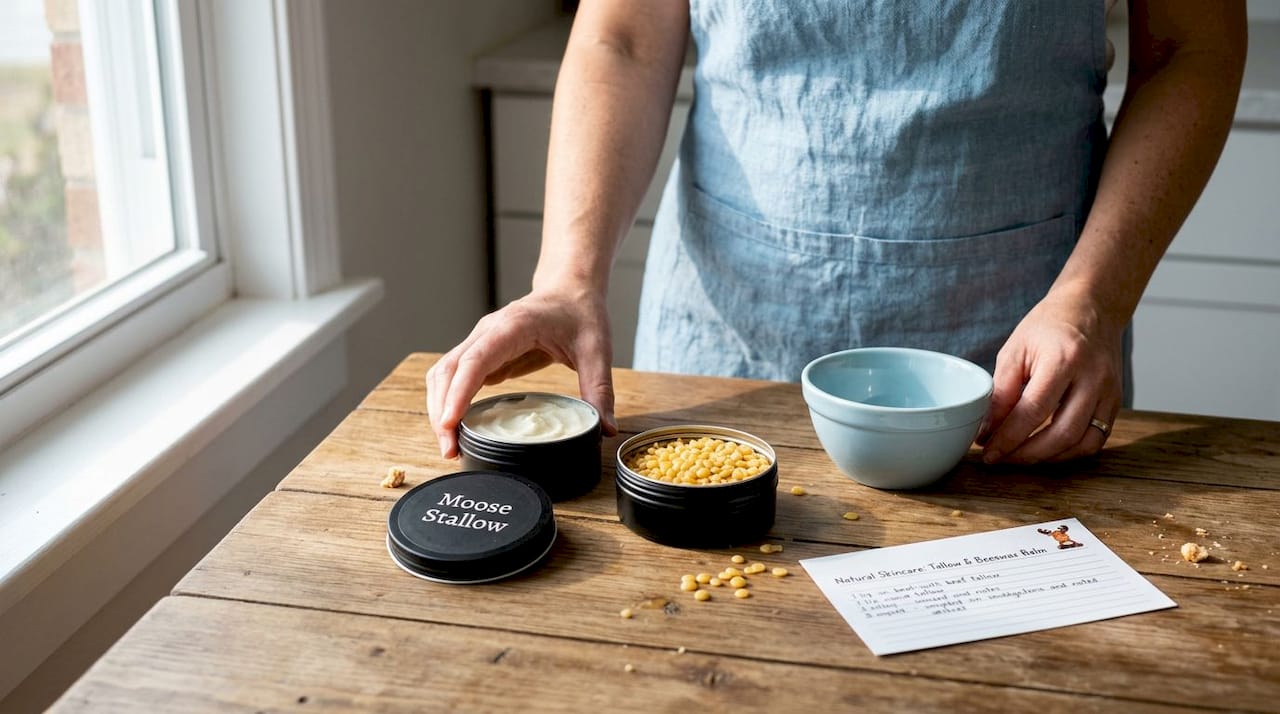
La cera de abeja crea un sello transpirable sobre la piel. Retiene la humedad sin asfixiar la piel, lo que la hace ideal para productos que deben quedarse sobre la piel y protegerla de la exposición ambiental.
Los tocoferoles, la forma natural de la vitamina E, protegen los ácidos grasos de la oxidación y ayudan a reparar las células de la piel. La jojoba es estructuralmente similar al sebo y funciona bien como un añadido ligero que mantiene el equilibrio. El aceite de ricino aporta densidad y atrae la humedad hacia la superficie de la piel.
El aceite portador que mantiene todo unido importa tanto como los ingredientes destacados. Así se comparan las opciones:
| Aceite portador | Estabilidad | Absorción | Vida útil | Veredicto |
|---|---|---|---|---|
| Aceite de coco fraccionado | Muy alta | Rápida | Larga | La mejor opción |
| Aceite de oliva | Baja | Lenta | Corta | Propenso a oxidarse |
| Aceite de semilla de uva | Moderada | Rápida | Corta | Se oxida rápido |
| Aceite de almendra | Moderada | Moderada | Moderada | Inconsistente |
El aceite de coco fraccionado gana en estabilidad, resistencia a la oxidación, fácil absorción y vida útil. Esas cualidades importan porque un aceite portador rancio deja resultados rancios directamente sobre tu piel. La estabilidad no es un detalle menor. Es la base de cualquier fórmula en la que puedas confiar.
La transparencia en los ingredientes es lo que separa las fórmulas honestas del relleno de marketing. Cuando miras un producto y reconoces cada elemento de la lista, sabes exactamente qué te estás poniendo en la piel. Esa claridad es un beneficio central del cuidado tradicional de la piel.
Cómo las rutinas tradicionales apoyan la salud de la piel a largo plazo
El cuidado de la piel a largo plazo es la dirección hacia la que los dermatólogos están orientando a la gente ahora. No se trata de transformaciones dramáticas. Se trata de un mantenimiento constante y suave que mantiene la piel funcionando bien durante décadas.
Las rutinas tradicionales de cuidado de la piel están hechas para ese tipo de cuidado. Por eso funcionan donde las rutinas de moda muchas veces fallan:
- Menos riesgo de irritación. Menos ingredientes activos significan menos oportunidades de brotes reactivos. La piel que no está inflamada se cura y se mantiene sana por sí sola.
- Rutinas más fáciles de mantener. Una rutina de dos pasos es fácil de hacer todos los días. Una rutina de diez pasos es fácil de saltarse. La constancia le gana a la complejidad siempre.
- Menos fatiga por decisiones. Conocer tus dos o tres productos de confianza elimina el ciclo constante de comprar, probar y reaccionar a cosas nuevas.
- Alineación integral. El cuidado tradicional de la piel encaja de forma natural en una mentalidad de bienestar más amplia. Ingredientes limpios, procesamiento mínimo y fórmulas honestas reflejan los mismos valores.
- Transparencia en los ingredientes. Cuando cada ingrediente se gana su lugar, no andas adivinando qué causa una reacción o qué es lo que de verdad funciona.
Humectar de forma constante con ingredientes que apoyan las ceramidas y los ácidos grasos protege la barrera cutánea de manera confiable a largo plazo. Eso no es una moda. Es biología. Y una rutina de cuidado natural de la piel construida en torno a esos principios es algo que puedes mantener durante años sin agotarte ni llenarte de brotes.
Qué esperar cuando hagas el cambio
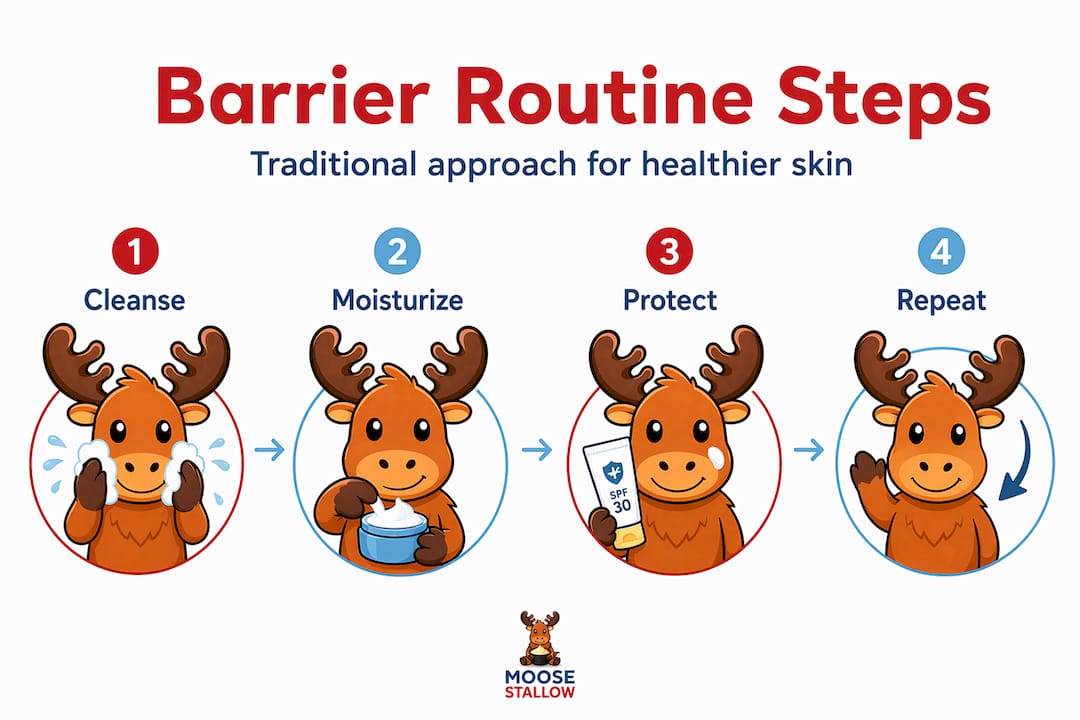
Cambiar al cuidado tradicional de la piel no siempre es instantáneo. Tu piel ha estado expuesta a muchos productos y puede tardar en recalibrarse.
Un periodo inicial de transición con algo de resequedad o una reacción leve es normal mientras la barrera se ajusta. Esto no significa que el enfoque esté mal. Significa que tu piel se está sanando. La mayoría de las personas ve una mejoría real entre dos y cuatro semanas si se mantiene constante.
La selección de ingredientes debe priorizar los que apoyan la barrera y evitar los irritantes durante esta fase. Eso significa empezar con un solo producto bien formulado y observar cómo responde tu piel antes de agregar algo nuevo.
Consejo: Prueba cualquier producto nuevo en la parte interna del antebrazo durante dos o tres días antes de aplicarlo en la cara. Esto es muy útil durante una transición, cuando tu piel puede estar más reactiva de lo normal.
Aquí la paciencia vale la pena. La meta es una barrera cutánea que funcione tan bien que necesite menos ayuda con el tiempo, no más. Esa es la promesa silenciosa de las rutinas tradicionales de cuidado de la piel bien hechas.
Mi opinión honesta sobre el cuidado tradicional de la piel
He pasado mucho tiempo trabajando con ingredientes tradicionales, y algo a lo que siempre vuelvo es a cuánto se beneficia la industria moderna del cuidado de la piel de la complejidad. Más productos, más pasos, más problemas que resolver. Pero en la práctica he descubierto que ocurre lo contrario.
Cuando simplifiqué a unos pocos ingredientes bien elegidos, con el sebo de res bien fundido en el centro, mi piel dejó de reaccionar. Dejó de ser un proyecto. El sebo siempre es la estrella de nuestras fórmulas porque trabaja con tu piel, no en su contra. Usar grasas naturales combinadas con aceites portadores estables equilibra la nutrición, la hidratación y la reparación de la barrera de una forma que un suero de doce ingredientes simplemente no logra.
También creo que la transparencia en los ingredientes es un acto de respeto hacia la persona que usa el producto. Si no puedo explicar por qué algo está en la fórmula, no debería estar ahí. Ese principio es la razón por la que confío en los enfoques tradicionales y por la que creo que cada vez más personas están volviendo a ellos. Son honestos, son efectivos y no te exigen convertirte en químico cosmético solo para entender qué te estás poniendo en la cara.
Brian
Moose’s Tallow hace fácil el cuidado tradicional de la piel
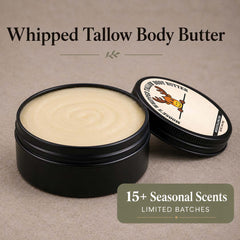
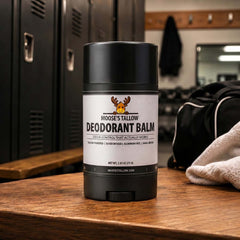
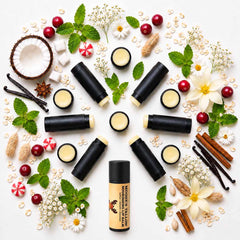
En Moosestallow, cada producto empieza con sebo de res local, fundido con cuidado. Es la base, y todo lo demás se gana su lugar a su alrededor. Mezclamos el sebo con aceite de coco fraccionado para lograr una fórmula estable y absorbente que no se siente pesada ni se oxida en tu estante. La cera de abeja, los tocoferoles y la jojoba se agregan con intención, no por costumbre. Sin rellenos, sin sintéticos innecesarios.
Si quieres ver estos principios en acción, el Beef Tallow Zinc Sun Balm es un gran punto de partida. Combina la hidratación tradicional del sebo con óxido de zinc para una protección real de la barrera y frente a los rayos UV. Simple, honesto y hecho para funcionar. Explora la simplicidad de los ingredientes y descubre cómo se siente de verdad el cuidado tradicional de la piel sobre tu piel.
Preguntas frecuentes
¿Por qué usar el cuidado tradicional de la piel en lugar de los productos modernos?
El cuidado tradicional de la piel protege la barrera cutánea con ingredientes suaves y estables, y evita la irritación que suele venir de las rutinas modernas complejas de muchos pasos. Las rutinas simples cuidan la integridad de la barrera y reducen el enrojecimiento, la resequedad y los brotes.
¿Cuáles son los principales beneficios del cuidado tradicional de la piel?
Los beneficios clave incluyen menos irritación, una barrera más fuerte, mayor constancia en la rutina y transparencia en los ingredientes. Estos factores ayudan a tener una piel más sana a largo plazo sin depender de activos agresivos.
¿Cómo funciona el sebo de res en el cuidado de la piel?
El sebo de res se parece mucho al perfil de ácidos grasos del sebo humano, así que la piel lo absorbe con facilidad. Hidrata en profundidad, ayuda a reparar la barrera y no deja residuo graso.
¿Cuánto tarda en verse resultados con el cuidado tradicional de la piel?
La mayoría de las personas nota mejoría entre dos y cuatro semanas de uso constante. Puede haber un breve periodo de ajuste mientras la barrera cutánea se recalibra tras el uso intenso de productos.
¿Es bueno el cuidado tradicional de la piel para la piel sensible?
Sí. El cuidado tradicional de la piel usa menos ingredientes y más suaves, con menos probabilidad de provocar reacciones. Para la piel sensible, elegir ingredientes que apoyan la barrera como el sebo y la cera de abeja, sin aditivos sintéticos, es un enfoque confiable.
Recomendado
- 6 ingredientes que debes evitar en el cuidado de la piel para una piel más sana – Moose’s Tallow
- Ingredientes honestos: la clave para una piel más sana en 2026 – Moose’s Tallow
- Los mejores consejos de cuidado natural de la piel para una piel más sana y calmada en 2026 – Moose’s Tallow
- Por qué usar cremas nutritivas para una piel hidratada y sana – Moose’s Tallow


0 comentarios