

Use a richer cream or a water-free tallow balm, moisturize after every wash, and wear gloves outdoors. These three habits stop most winter hand problems before they start. Add a humidifier indoors and a nightly repair step for stubborn dryness. If your skin cracks, bleeds, or won’t heal after a few weeks of care, see a doctor. Some people reach for a water-free tallow balm because it skips water and fillers entirely.
TL;DR:
- Using a water-free tallow balm with fractionated coconut oil provides a longer-lasting, non-diluted barrier that effectively prevents moisture loss during winter.
- Applying moisturizer while hands are still damp after washing traps additional moisture and is most effective when done multiple times daily at key contact points.
- Reapplying a thick balm or ointment overnight under cotton gloves enhances healing of cracked or raw skin, especially when combined with humidity control.
- Maintaining consistent habits, such as wearing waterproof gloves outdoors and using a humidifier indoors, can reduce severe dryness and prevent skin from cracking or bleeding.
- Avoiding overly hot water, frequent over-washing, and heavy exfoliation helps prevent further skin damage and supports the effectiveness of moisturizers.
Quick Winter Prevention Checklist You Can Use Now
Winter hand care works best as a habit, not a one-time fix. Build these small steps into your day and your skin holds moisture far better.
- Moisturize while hands are still slightly damp after washing or using sanitizer.
- Keep a small tube or tin at the sink, at your desk, and in your bag.
- Wear insulated gloves outdoors and waterproof gloves for dishes or cleaning.
- Run a humidifier indoors on cold, dry days.
Applying cream to damp skin traps extra moisture against your hands, and the American Academy of Dermatology advises doing this right after washing, with fragrance-free products when skin is already irritated. These four steps take seconds but prevent most of the damage winter air causes over weeks.
How to Pick the Right Moisturizer for Winter Hands
Lotions feel light, but light doesn’t hold up against cold, dry air. Creams and ointments contain more oil and less water, so they sit on your skin longer and block more moisture loss. The AAD points out that switching from a thin lotion to a cream or ointment matters most once winter dryness sets in, and ointments work best on skin that’s raw or cracked.
Good winter products combine three ingredient roles:
- Occlusives seal in water and block evaporation, like beeswax or petroleum jelly.
- Humectants pull moisture into the skin, like glycerin.
- Emollients and barrier lipids smooth and help repair the skin’s outer layer.
Fragrance-free and dye-free formulas matter too, since added scents and dyes raise the risk of irritation on skin that’s already compromised.
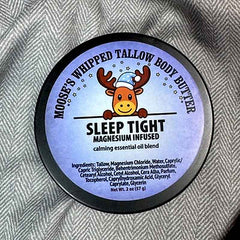
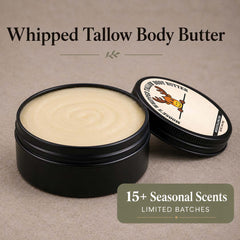
This is where water-free balms stand apart. A tallow-based balm skips water entirely, so there’s nothing to evaporate and nothing diluting the active ingredients. Beef suet tallow has a fatty-acid profile close to your skin’s own oils, which is why it absorbs without feeling greasy. We pair it with fractionated coconut oil as a carrier because it resists oxidation, absorbs fast, and holds up on the shelf far longer than vegetable oils like olive or almond.
Pro Tip: Check the ingredient list, not the front label. If water is the first ingredient, you’re paying for dilution.
A Simple Winter Hand-Care Routine: Morning, Daytime, and After-Wash Steps
A workable routine doesn’t need ten products; using an érzéstelenítő krém száraz bőrre correctly can help protect sensitive dry skin easily. It needs the right few, used consistently.
- Morning: Cleanse gently with lukewarm water, pat hands dry, and apply a cream or balm while skin is still damp.
- Before going outside: Add sunscreen on exposed skin if you’ll be out for a while, even in winter.
- After every wash or sanitizer use: Reapply cream immediately. Keep a travel-size tube wherever you wash your hands most.
- Before chores: Put on protective gloves before dishes, cleaning, or anything involving water and detergent. Apply barrier cream first for extra protection.
- On the go: Carry a non-greasy cream for daytime use and save thicker balms for moments you can let them sink in, like at your desk or before bed.
The pattern that trips people up isn’t lack of product. It’s forgetting to reapply. The AAD notes that keeping cream next to your soap, at your desk, and in your bag makes reapplication automatic instead of optional. Five small touchpoints a day beat one heavy application at night.
Night Repair: Intensive Care and the Overnight-Glove Method
Nighttime is when your skin has the best chance to recover, since you’re not washing your hands or exposing them to cold air for hours.
- Apply a thicker balm or ointment generously, focusing on fingertips, knuckles, and cuticles.
- Work a little extra product into any cracks or the nail folds.
- Cover your hands with soft cotton gloves and leave them on overnight.
- Run a humidifier in your bedroom to keep the air from pulling moisture back out.
A short warm water soak before this routine can help soften very dry patches, but skip soaking if skin is cracked or raw, since prolonged water exposure can make dryness worse. For a stubborn cracked thumb tip, Mayo Clinic suggests working product into the nail fold and adding an extra layer there overnight.
Pro Tip: Glove up right after applying balm, while hands are still warm. The heat helps the product absorb faster.
For a full step-by-step approach to healing rough or cracked skin, our guide on treating cracked hands walks through the same method in more detail.
When Winter Dryness Needs Professional Care
Most winter dryness responds to consistent moisturizing and glove habits within a couple of weeks. Some signs mean it’s time to see a doctor instead of waiting it out.
Watch for deep cracks, bleeding, blisters, crusting, or skin that keeps weeping. Severe pain or no improvement after weeks of consistent care are also signs to get checked. The AAD notes these symptoms can point to hand eczema rather than ordinary dryness, and that distinction changes treatment. When you see a clinician, bring details: how long it’s lasted, what seems to trigger flare-ups, and which products you’ve already tried.
Why Winter Air Dries Hands
Winter dryness isn’t random. Three things stack up against your skin at once.

Cold outdoor air holds less moisture than warm air, so relative humidity outside drops sharply. Then you walk inside to forced-air heat, which is also dry and pulls moisture from your skin as it circulates. The Mayo Clinic points to this combination of cold outdoor air and indoor heating as the main driver behind winter skin dryness.
On top of that, cold and flu season means more handwashing and more hand sanitizer, both of which strip natural oils from your skin. Research on seasonal patterns backs this up: winter weather and frequent handwashing together raise the risk of irritant hand dermatitis among people who wash their hands often, including healthcare workers and food service staff.
Your hands are especially exposed in all this. The skin on the backs of your hands is thin and has fewer oil glands than most other parts of your body, so it loses moisture faster and repairs more slowly. That’s why hands often crack and chap long before your face or arms show any sign of winter dryness.
Understanding this helps explain why a once-a-day moisturizer often isn’t enough in winter. Your skin is losing water from two directions, outdoor cold and indoor heat, while also getting stripped by soap and sanitizer multiple times a day. The routine has to work just as hard to keep up.
Tips for Hand Care After Outdoor Winter Activities
Skiing, snowboarding, shoveling, and sledding all put extra stress on your hands. Wind, cold, and wet snow combine to pull moisture out faster than everyday winter exposure.
Before heading out, apply a thick layer of balm or cream and let it sit for a few minutes before putting on gloves. This gives your skin a head start against the cold. Choose insulated, waterproof gloves for snow activities. Wet gloves against bare skin make dryness and chapping worse, so swap them out the moment they get soaked through.
After you come inside, don’t just pull your gloves off and move on. Rinse hands with lukewarm water if they’re caked with salt or snow, pat them dry, and reapply cream right away while skin is still slightly damp. If your hands feel numb or tingly from the cold, let them warm up gradually. Direct heat, like holding them right over a space heater, can actually irritate already-stressed skin.
For shoveling specifically, wear gloves with a solid grip and some wrist coverage, since repeated friction against a shovel handle can create blisters or calluses on top of windburn. Reapply balm that evening as part of your regular night repair step, paying extra attention to any spots that feel raw or tight.
If you’re out for hours at a time, like a full day of skiing, pack a small tin of balm to reapply at lunch. Waiting until you get home means hours of continued moisture loss you can’t fully undo later.

Diet and Hydration’s Role in Winter Skin Moisture
What you put into your body plays a supporting role alongside what you put on your skin. Staying well hydrated helps your whole body, skin included, function the way it’s supposed to.
Drinking water throughout the day supports your skin’s baseline moisture levels, though it won’t undo the effects of cold air and harsh soap on its own. Pair hydration with a diet that includes healthy fats, since fatty acids are part of what keeps your skin’s barrier intact.
Indoor heating already pulls moisture from the air around you, and caffeine or alcohol can add mild dehydration on top of that. Neither needs to be eliminated, but balancing them with water during colder months is a reasonable habit.
Think of diet and hydration as the foundation your topical routine builds on. A rich cream or balm protects the surface, but your body still needs the right materials internally to maintain healthy skin over the long run. Neither replaces the other.
How to Safely Exfoliate Hands in Winter
Flaky, rough patches often tempt people to scrub harder. In winter, that’s usually the wrong move.
Dry winter skin is already compromised, so aggressive exfoliation can create tiny tears you don’t notice until they sting. If you want to remove flaky or rough patches, do it gently and infrequently, no more than once or twice a week.
Use a soft washcloth or a mild sugar-based scrub rather than anything with sharp granules. Apply gentle pressure in small circles, focusing on rough spots like knuckles, rather than scrubbing your entire hand. Rinse with lukewarm water, never hot, since hot water strips oils your skin needs.
Always follow exfoliation immediately with a rich cream or balm. Skin is more receptive to moisturizer right after exfoliating, so this is the moment to apply your thickest product, not your lightest one. Skip exfoliation entirely if your skin is cracked, raw, or actively irritated. Scrubbing compromised skin delays healing instead of helping it.
Common Mistakes to Avoid in Winter Hand Care
A few habits quietly undo all the good moisturizing you’re doing.
Using hot water to wash your hands feels good in winter but strips protective oils faster than lukewarm water does. Skipping moisturizer after sanitizer is another common gap, since sanitizer dries skin out even more than soap and water in many cases.
Relying only on a thin lotion is a mismatch for winter conditions. Lotions work fine in summer but usually can’t keep up with how much moisture winter air pulls from your skin. Forgetting gloves outdoors, even for short errands, adds up over a season of repeated cold exposure.
Over-washing hands when it isn’t necessary, picking at dry or flaking skin, and switching products constantly instead of sticking with one that works are smaller habits that still slow progress. Each mistake alone seems minor. Together, they’re usually why a winter hand-care routine isn’t working the way it should.
Using Natural or DIY Remedies Safely
Natural ingredients can genuinely help winter skin, but only when you understand what each one actually does.
Coconut oil, for example, has real backing. A short clinical trial found that a moisturizer combining coconut oil with glycerin improved occupational hand dermatitis in the people studied, supporting coconut-derived oils and glycerin as useful ingredients for compromised winter skin. That’s different from rubbing raw coconut oil on cracked skin and hoping for the best.
If you’re experimenting with homemade mixes, keep a few things in mind. Avoid raw egg whites or unpasteurized ingredients, which carry contamination risk. Patch test anything new on a small area first, especially if your skin is already irritated. Avoid heavy fragrance oils, which are a common cause of contact irritation on dry, compromised skin.
Vegetable oils like olive, almond, or avocado are popular in DIY recipes, but they oxidize faster and can leave a heavier, greasier residue than a stable carrier like fractionated coconut oil. If you want the benefits of natural oils without the guesswork of mixing your own, a water-free balm built with intentional ingredients, nothing added as filler, gives you that same simplicity with more consistency batch to batch.
Why We Build Winter Hand Care Around Tallow
Our founder, Brian “Moose” Smith, started this brand after reading his lotion’s label and counting 52 ingredients, water listed first. That felt backward for something meant to help skin, not dilute it.
We build every formula on beef suet tallow because its fatty-acid profile sits close to skin’s own oils. We use fractionated coconut oil as a carrier for its stability and fast absorption, never fillers like vegetable oils. We make products in small batches with minimal dilution.
— Brian Smith
Where Our Products Fit Into Your Winter Routine
Everything above works whether or not you ever buy from us, but if you want a water-free option built for winter, here’s how our lineup maps to what we’ve covered.
Our Beef Tallow Hand Cream for Dry, Cracked Hands fits both the daytime carry step and the overnight repair method. It’s rich enough for the glove technique but absorbs well enough to carry in a bag for after-wash touch-ups. For dry patches beyond your hands, like elbows or shins that get rough in cold, dry air, our Coconut After Sun Body Butter works as an intensive option built on the same tallow and fractionated coconut oil base.
Winter is tough on paws too. Our Dog Paw Balm & Wax protects pets from salt, snow, and ice the same way a good glove protects your hands.
If you’d rather see the full range, our winter skincare collection pulls together the products built for cold-weather use, and our full product catalog covers everything we make. Every order carries our 30-day guarantee, so trying a water-free routine for the first time comes with no real risk.
FAQ
What are some home remedies for severely dry, cracked hands?
Apply a thick cream or ointment right after washing, while skin is still damp, and cover hands with cotton gloves overnight. A short warm soak can soften very dry patches first, but skip soaking if skin is already cracked or raw, since extended water exposure can worsen it.
What is the world’s best hand cream?
There’s no single best hand cream for everyone, since the right choice depends on how dry or damaged your skin is. The AAD notes that creams and ointments generally outperform lotions for winter dryness, so look for a fragrance-free cream or a water-free balm with barrier-supporting ingredients rather than chasing a single named product.
How can I keep my hands warm in winter?
Wear insulated, waterproof gloves outdoors, and swap them out immediately if they get wet from snow or rain. Layering a thick cream or balm under your gloves before heading out also helps trap warmth against your skin while protecting it from wind and cold.
Does Vaseline help really dry hands?
Petroleum jelly is a strong occlusive, meaning it seals moisture into the skin rather than adding moisture itself. It can help lock in whatever hydration is already there, though pairing it with a humectant or applying it right after washing, while skin is damp, tends to work better than using it alone on bone-dry skin.
Sources
- Dry skin relief from handwashing — American Academy of Dermatology
- Mayo Clinic Minute: Winter skin protection tips — Mayo Clinic News Network
0 comentarios