





Restless legs syndrome (RLS) affects millions of adults, disrupting sleep with uncomfortable sensations and an overwhelming urge to move. Instead of reaching for medication immediately, many people discover relief through natural approaches like stretching, acupressure, magnesium supplementation, and relaxation techniques. This guide explores evidence-backed methods you can use tonight to calm restless legs, improve comfort, and finally get the rest you deserve.
Table of Contents
- How To Evaluate Natural Remedies For Restless Legs
- Acupressure And Hydrotherapy: Hands-On Natural Approaches
- Stretching And Physical Therapy: Moving Toward Lasting Relief
- Magnesium Supplementation: Potential Benefits And Limitations
- Comparing Natural Remedies: Practical Considerations And Recommendations
- Discover Soothing Solutions For Restless Legs
Key takeaways
| Point | Details |
|---|---|
| Natural remedies first | Non-pharmacological strategies like sleep hygiene and iron optimization form the foundation of RLS management. |
| Multiple effective options | Acupressure, magnesium, stretching, and physical therapy each offer unique benefits for reducing symptoms. |
| Magnesium shows promise | 200-250 mg daily may reduce severity, but avoid using as sole treatment. |
| Physical therapy enhances results | Complementary therapy reduces medication needs and improves quality of life. |
| Personalize your approach | Match remedies to your lifestyle, symptom severity, and personal preferences for best results. |
How to evaluate natural remedies for restless legs
Choosing the right natural treatment requires understanding what actually works. Management of RLS begins with non-pharmacological strategies, making natural remedies your first line of defense.
Start by assessing safety and accessibility. The best remedy is one you’ll actually use consistently. Consider whether a treatment fits into your daily routine without major disruption. Acupressure takes minutes at bedtime, while hydrotherapy requires dedicated time and equipment.
Evidence matters when selecting treatments. Look for approaches backed by clinical research, even if studies are preliminary. Personal fit is equally important because what works for one person may not suit another. Your symptom patterns, lifestyle constraints, and comfort level with different techniques all influence effectiveness.
Address foundational issues before adding supplements. Iron deficiency and poor sleep hygiene often contribute to restless legs at night. Correcting these basics can reduce or eliminate symptoms without additional interventions. Check iron levels through blood work and optimize your sleep environment first.
Key evaluation criteria include:
- Safety profile and potential side effects
- Ease of implementation in your routine
- Scientific evidence supporting effectiveness
- Cost and ongoing accessibility
- Compatibility with existing treatments
Pro Tip: Keep a symptom journal for two weeks before starting any new remedy. Track when symptoms occur, their severity, and potential triggers. This baseline helps you accurately measure whether a treatment actually works.
Always consult healthcare providers when combining multiple treatments or if you have underlying health conditions. Natural doesn’t automatically mean risk-free. Some supplements interact with medications, and certain techniques may not suit everyone. Professional guidance ensures you build a safe, effective approach tailored to your specific situation. Learning about magnesium and sleep science can help you make informed decisions.
Acupressure and hydrotherapy: hands-on natural approaches
Physical interventions offer immediate sensory relief for restless legs. Research shows hydrotherapy and acupressure interventions produce varying degrees of symptom improvement, though practical considerations affect regular use.
Acupressure targets specific pressure points to reduce discomfort and promote relaxation. The technique is simple: apply firm, steady pressure to points on your legs, ankles, and feet for 30-60 seconds each. Many people find the ritualistic nature calming, which enhances mindfulness and reduces stress that can worsen symptoms.
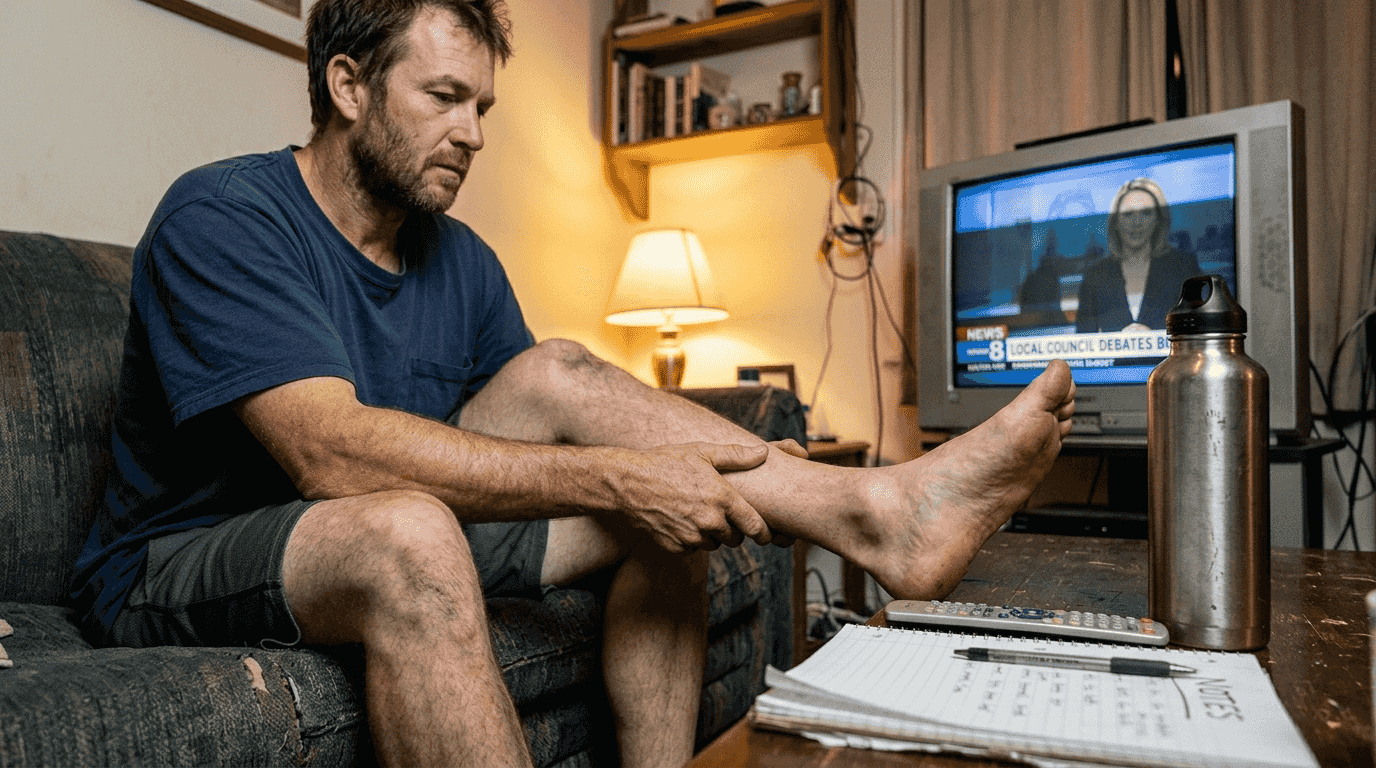
The biggest advantage of acupressure is convenience. You can perform it anywhere, anytime, without special equipment. It fits seamlessly into a bedtime routine. The technique also empowers you to actively manage symptoms rather than feeling helpless.
Hydrotherapy involves alternating warm and cool water applications to the legs. Some people soak their legs in warm water for 10-15 minutes before bed, while others use contrast baths alternating between temperatures. The sensory input can temporarily override the uncomfortable sensations characteristic of RLS.
However, hydrotherapy has notable limitations:
- Requires dedicated time and bathroom access
- May cause discomfort if water is too hot or cold
- Impractical when traveling or away from home
- Benefits are often short-lived, lasting only hours
- Can disrupt bedtime routine if not carefully timed
“Managing restless legs requires finding methods that fit your life. The best treatment is the one you’ll stick with every night, not the one that sounds impressive but demands too much time or effort.”
Acupressure typically wins for daily implementation because it requires minimal time and zero equipment. You can do it while reading, watching television, or winding down before sleep. Hydrotherapy works better as an occasional intensive treatment when symptoms flare severely.
Consider your lifestyle honestly when choosing between these approaches. If you have limited mobility or time constraints, acupressure offers more flexibility. If you enjoy baths and have the space and time, hydrotherapy can become a soothing ritual. Many people use both strategically, relying on acupressure nightly and adding hydrotherapy during particularly difficult periods.
Stretching and physical therapy: moving toward lasting relief
Movement-based interventions address the underlying muscle tension and nervous system dysregulation that contribute to RLS. Complementary physical therapy improves symptom control, enhances function, and improves quality of life in RLS patients.
Stretching provides immediate relief by releasing tension in the muscles most affected by restless sensations. Focus on calf stretches, hamstring stretches, and quadriceps stretches performed slowly and deliberately. Hold each position for 20-30 seconds, breathing deeply to maximize relaxation benefits.
The timing of stretching matters significantly. Stretching 30-60 minutes before bed helps prevent nighttime symptoms from developing. If symptoms occur during the night, gentle stretching can interrupt the discomfort cycle and allow you to return to sleep.
Physical therapy takes stretching further by addressing biomechanical issues and teaching techniques for long-term management. A physical therapist can identify muscle imbalances, postural problems, or movement patterns that worsen symptoms. They create personalized exercise programs targeting your specific needs.
Benefits of regular physical therapy include:
- Reduced symptom severity over time
- Decreased need for medications
- Improved sleep quality and duration
- Enhanced mood through endorphin release
- Better overall physical function
Exercise releases endorphins that naturally improve mood and promote better sleep. This creates a positive feedback loop where improved sleep reduces RLS symptoms, which further enhances sleep quality. Regular physical activity also helps regulate the nervous system, potentially addressing some root causes of restless legs at night.
Pro Tip: Create a simple five-minute stretching routine focusing on your legs and perform it at the same time every evening. Consistency matters more than duration. Even brief daily stretching produces better results than occasional intensive sessions.
Combine physical approaches with medical treatments for optimal outcomes. Physical therapy isn’t a replacement for necessary medications or addressing nutritional deficiencies. Instead, it enhances the effectiveness of other interventions while potentially reducing the doses needed. This integrative approach often produces the most significant, sustainable improvement in symptoms and overall quality of life.
Magnesium supplementation: potential benefits and limitations
Magnesium has gained attention as a natural remedy for restless legs because it plays crucial roles in muscle relaxation and nerve function. Research shows magnesium citrate 200 mg daily for eight weeks significantly reduced RLS severity and improved quality of life in some studies.
The mineral helps regulate neurotransmitters and supports normal muscle contraction and relaxation. Many people with RLS have lower magnesium levels, though deficiency isn’t universal. When present, correcting this deficiency can produce noticeable symptom improvement.
Several studies support magnesium for restless legs:
| Study Details | Dosage | Duration | Results |
|---|---|---|---|
| Magnesium citrate trial | 200 mg daily | 8 weeks | Reduced severity, improved quality of life |
| Mixed mineral supplement | 250 mg daily | 6 weeks | Decreased nighttime symptoms |
| Topical magnesium study | Applied before bed | 4 weeks | Some participants reported relief |
However, magnesium supplementation shows mixed clinical results and is not recommended as monotherapy for RLS. Some trials found minimal benefit, while others showed significant improvement. This variability suggests magnesium helps certain individuals more than others.
Dosages around 200-250 mg daily appear most common in successful studies. Benefits typically emerge after several weeks of consistent use, not immediately. Magnesium citrate and magnesium glycinate are better absorbed forms compared to magnesium oxide.
Important considerations for magnesium use:
- Check iron levels first, as iron deficiency is more common and treatable
- Start with lower doses to assess tolerance
- Take with food to minimize digestive upset | Avoid exceeding recommended daily limits without medical supervision
- Monitor for interactions with medications like antibiotics or diuretics
Magnesium before bed may support sleep quality independently of RLS effects. The mineral promotes relaxation and can reduce muscle twitching at night. Some people apply topical magnesium directly to their legs, though evidence for this approach is limited compared to oral supplementation.
Never rely solely on magnesium for managing restless legs. It works best as part of a comprehensive approach including proper sleep hygiene, addressing nutritional deficiencies, and potentially other natural remedies or medications. Current clinical guidelines emphasize magnesium as a supportive measure, not a primary treatment.
Understanding magnesium benefits for sleep helps you set realistic expectations. If you have confirmed magnesium deficiency or haven’t found relief with other methods, trying a high-quality supplement for 8-12 weeks makes sense. Track your symptoms carefully to determine whether it actually helps your specific situation.
Comparing natural remedies: practical considerations and recommendations
Each natural approach offers distinct advantages and challenges. Making the right choice requires matching treatment characteristics to your personal needs, lifestyle, and symptom patterns.
| Remedy | Ease of Use | Evidence Level | Time Required | Best For |
|---|---|---|---|---|
| Acupressure | Very easy | Moderate | 5-10 minutes | Daily symptom management, convenience |
| Hydrotherapy | Moderate | Moderate | 15-20 minutes | Occasional intensive relief, relaxation |
| Stretching | Easy | Strong | 5-15 minutes | Preventive care, muscle tension |
| Physical Therapy | Requires professional | Strong | Weekly sessions + home exercises | Long-term improvement, persistent symptoms |
| Magnesium | Very easy | Mixed | Seconds daily | Suspected deficiency, sleep support |
Acupressure stands out for accessibility and ease of implementation. Research suggests treatments in RLS should be location-independent to improve participation and outcomes. You can perform acupressure anywhere without equipment, making it ideal for consistent use. The mindfulness component also addresses stress that may worsen symptoms.
Hydrotherapy provides strong sensory input that some people find uniquely soothing. The warm water promotes muscle relaxation and can become a calming bedtime ritual. However, time requirements and practical limitations make it challenging for nightly use. Reserve hydrotherapy for occasions when symptoms are particularly severe or when you have time for self-care.
Stretching and formal physical therapy have the strongest research support. These movement-based approaches address underlying biomechanical and muscular issues rather than just managing symptoms. The investment in physical therapy sessions pays dividends through long-term improvement and reduced reliance on other interventions.
Magnesium supplementation works best for people with documented deficiency or those who haven’t responded to other natural remedies. The convenience is unmatched, requiring only seconds daily. However, mixed research results mean you should use it alongside other methods rather than depending on it exclusively.
Combining approaches often produces better results than using any single remedy:
- Daily stretching routine plus acupressure before bed
- Magnesium supplementation plus weekly physical therapy
- Stretching plus occasional hydrotherapy during symptom flares
- Physical therapy exercises plus magnesium and acupressure
Consider your symptom severity when choosing remedies. Mild, occasional symptoms may respond well to simple stretching and acupressure. Moderate to severe symptoms that significantly impact sleep often benefit from the more comprehensive approach of physical therapy combined with supplementation.
Access and resources matter practically. Physical therapy requires insurance coverage or out-of-pocket payment, plus time for appointments. Hydrotherapy needs appropriate bathroom facilities. Stretching and acupressure require only your own effort and time.
Explore supportive options like magnesium lotion benefits for topical application before bed. Some people prefer applying magnesium directly to affected areas rather than taking oral supplements. Learning more about magnesium and sleep science helps you understand how different delivery methods work.
Start with the easiest, most accessible option that addresses your primary concern. Add additional remedies gradually, giving each 2-4 weeks to demonstrate effectiveness before changing your approach. This methodical strategy helps you identify what actually works rather than creating a complex routine where you can’t distinguish helpful components from ineffective ones.
Discover soothing solutions for restless legs
Finding natural relief for restless legs often means creating a complete bedtime routine that soothes both mind and body. Moose’s Tallow offers simple, nourishing products that complement the natural remedies you’ve learned about, helping you wind down and prepare for restful sleep.

Our healing tallow lip balm provides deeply moisturizing care with simple, effective ingredients your skin recognizes. Many customers apply soothing balms like our puppy paw nourishing balm to dry areas before bed as part of their relaxation ritual. Every product combines traditional tallow with thoughtfully chosen additions that serve a real purpose.
We craft each batch in small quantities, focusing on comfort and quality you can feel the moment it touches your skin. Explore the full Moose’s Tallow product collection to discover natural skincare that fits seamlessly into your evening routine, supporting the relaxation and comfort essential for managing restless legs and getting better sleep.
FAQ
What causes restless legs syndrome (RLS)?
RLS is a sensorimotor disorder characterized by an irresistible urge to move the legs, involving genetic and iron-related factors. The condition likely results from a combination of genetics, brain iron deficiency, and dopamine system disturbances. Symptoms typically start or worsen during rest periods and improve with movement.
How effective is magnesium for calming restless legs?
Magnesium may reduce symptoms in some patients, especially those with confirmed deficiency. However, magnesium supplementation shows mixed clinical results and should not replace standard treatment. It works best as part of a comprehensive approach including proper sleep hygiene and addressing iron levels. Learning about magnesium and sleep science helps set realistic expectations.
What are simple at home stretches for restless legs relief?
Calf stretches, hamstring stretches, and quadriceps stretches are particularly beneficial when performed slowly and held for 20-30 seconds each. Gentle yoga poses focusing on the legs can also relieve muscle tension. Perform these stretches 30-60 minutes before bed to prevent nighttime symptoms from developing, or use them during the night if discomfort occurs.
Can lifestyle changes alone manage restless legs syndrome?
Many people experience significant improvement through lifestyle modifications including optimizing sleep hygiene, correcting iron deficiency, regular stretching, and stress reduction. However, moderate to severe RLS often requires a combination of natural remedies and medical treatment for optimal symptom control. Working with healthcare providers ensures you address underlying causes while using effective management strategies tailored to your specific situation.



0 comments