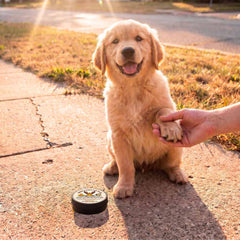


Clean the paw, protect the wound, and apply a pet-safe balm. That’s the first move for cracked dog paws, and it works for most mild cases you’ll find on a walk-through inspection.
Do this now:
- Rinse the paw with lukewarm water to remove grit, salt, or debris.
- Pat dry, then check between the toes for cuts or swelling.
- Apply a thin layer of pet-safe balm to the cracked pad.
- Keep your dog off rough or hot ground until the pad settles.
If you see bleeding that won’t stop, deep splits, or your dog won’t put weight on the paw, stop home care and call your vet.
Key Takeaways
Cracked dog paws respond best to a routine of cleaning, protecting, and moisturizing with a pet-safe balm, paired with early vet care for deep or non-healing wounds.
| Point | Details |
|---|---|
| Act fast on mild cracks | Clean, dry, and apply a pet-safe balm as soon as you spot dry or flaky pad skin. |
| Know the red flags | Bleeding that won’t stop, swelling, or limping means it’s time to call the vet. |
| Skip human lotions | Use pet-formulated balms instead; many human products aren’t safe if licked. |
| Prevent before it starts | Wipe paws after walks, trim pad fur, and use balm before winter or long hikes. |
| Choose ingredient-transparent balm | Moose’s Tallow’s paw balm uses beef suet tallow and calendula, with no water or fillers. |
This article is general information, not a substitute for advice from a qualified doctor. Consult a qualified healthcare professional about your own circumstances before acting on anything here.
Signs Your Dog Has Cracked Paw Pads
A quick look tells you a lot. Superficial cracks look like dry, flaky lines on the pad surface, sometimes with rough or peeling edges. Deep cracks go further. They split the pad open, may bleed, and often change color around the wound. Deep cracks that reach vascular tissue are painful and raise infection risk, so they need more than a moisturizer alone.
Watch your dog’s behavior, too. Limping, favoring one paw, or licking a single foot over and over are all signals something hurts.
Build a habit around checking:
- Wipe each paw after a walk.
- Gently spread the toes and look at the pad surface.
- Feel for heat, swelling, or grit stuck in the cracks.
Pro Tip: Make it a 10-second habit after every walk. Lift each paw, glance at the pad, and press lightly. Catching a hairline crack early beats treating a deep one later.
What Causes Cracked Dog Paws?
Rough or hot pavement wears down pads fast, and so do rocky trails and repetitive running. Weather adds another layer. Cold air dries pads out in winter, while hot pavement in summer can blister them outright. Ice-melt salts and household cleaners chemically irritate the skin on contact.
Some cases point to something deeper. Allergies, hyperkeratosis (a thickening and cracking of the pad surface), thyroid problems, and even zinc deficiency can all show up as chronic, non-healing cracks.
Persistent, non-healing cracks on multiple paws often point to a systemic issue, not just surface wear, and that’s a case for veterinary evaluation rather than more balm.
Common causes at a glance:
- Hot pavement, rocky trails, and repetitive wear
- Cold, dry winter air and salt-based ice melt
- Household cleaners and lawn chemicals
- Allergies, hyperkeratosis, and endocrine issues
Ice-melt exposure deserves its own warning. Rinsing paws right after a salted walk removes the irritant before it works into the cracks.
How to Heal Cracked Dog Paws at Home
Most mild-to-moderate cracks respond well to a consistent home routine. Here’s the order that works:
- Inspect. Check all four paws, between the toes, and the pad edges for cuts, swelling, or embedded debris.
- Clean. Rinse with lukewarm water or wipe with a gentle, pet-safe cleanser. Skip anything with fragrance or alcohol.
- Dry. Pat the paw completely dry, especially between the toes, where moisture breeds bacteria.
- Moisturize. Apply a thin layer of pet-safe paw balm to support the skin barrier.
- Bandage if needed. Pad the wound and wrap loosely to protect it while it heals.
- Limit activity. Keep walks short on soft ground until the pad looks and feels normal.
If you bandage, follow basic first-aid rules. Padding the pad and wrapping without cutting off circulation reduces re-injury and speeds recovery. Wrap snug, not tight. Check that toes stay warm and pink, not cold or swollen. Change the dressing daily, or sooner if it gets wet or dirty.
A few do’s and don’ts for bandaging:
- Do use non-adherent gauze against the wound, then wrap with a self-adhesive bandage.
- Do check the bandage twice a day for slipping or swelling above it.
- Don’t wrap so tight you cut off blood flow.
- Don’t leave a bandage on for more than a day without checking it.
Skip standard human lotions. Experts recommend pet-formulated balms over generic creams, since many human products contain ingredients that aren’t meant to be licked. Coconut oil and bag balm are common home remedies, but ingestion is a real concern, and deeper wounds usually need something more targeted than a kitchen-cabinet fix.
Speaking of licking: it’s one of the biggest obstacles to healing. Licking softens the pad surface and raises the risk of bacterial or fungal overgrowth, which just restarts the damage. A soft sock, a short supervised confinement period after applying balm, or a distraction like a puzzle toy can break the cycle. A cone works too, if your dog tolerates it.
Pro Tip: Apply balm right before a nap or bedtime. Your dog is less likely to lick it off while settling down, which gives the balm time to absorb.
Expect mild surface cracks to look noticeably better within a few days of consistent care. Deep cracks take longer and may need a bandage change routine for a week or more. Watch closely either way. Improvement that stalls is your cue to move to the next step.
When to See a Vet for Cracked Paws
Home care handles a lot, but some signs mean it’s time to call your vet. Watch for:
- Bleeding that doesn’t stop after a few minutes of gentle pressure
- Swelling around the pad or between the toes
- Pus, discharge, or a bad smell coming from the wound
- Severe limping or refusal to bear weight
- Lethargy, appetite loss, or other signs your dog feels sick overall
If you’ve been cleaning, protecting, and moisturizing consistently for about a week with no visible improvement, that’s also worth a call. Cracks on multiple paws at once, especially without an obvious cause like a recent hike, can point to an internal issue that needs a proper veterinary workup rather than more balm.
What to Expect at the Vet
A vet visit for cracked paws usually starts with a physical exam of all four feet. From there, expect wound cleaning, bandaging if the crack is deep, and possibly a topical prescription. If the wound looks infected, antibiotics and pain control may follow.
Bring what you can:
- Photos of the paw from when you first noticed the problem
- A rough timeline of when the cracking started and how it’s changed
- Any balms, creams, or home remedies you’ve already tried
- Notes on recent diet changes or known allergies
Most cases are manageable once a vet sees them in person. If cracking is chronic or shows up on multiple paws, your vet may run bloodwork to rule out an underlying condition. Try not to worry ahead of the visit. A lot of these cases turn out to be straightforward once someone takes a real look.
How to Prevent Cracked Paws Before They Start
Prevention is mostly about small habits done consistently. Wipe your dog’s paws after every walk, check the pads for early cracking, trim excess fur between the toes, and keep nails at a length that doesn’t change how your dog’s weight lands on the pad.
Before a winter walk or a long hike, apply a protective paw balm to the pads. In summer, test pavement with your own hand first. If it’s too hot for your palm after five seconds, it’s too hot for paws.
Booties help on rough or extreme terrain, but they take some getting used to. Start with short indoor sessions so your dog adjusts to the feel before you rely on them outside.
At home, choose pet-safe de-icers on your own walkways, and keep your dog off surfaces that were recently salted or chemically treated elsewhere.
- Wipe and inspect paws daily
- Trim pad fur and nails regularly
- Apply balm before winter walks or long hikes
- Use booties on rough or salted terrain
- Choose pet-safe de-icers at home
Pro Tip: Keep a small tin of balm by the door. If applying it becomes part of leaving the house, you’ll actually remember to use it.
Moose’s Tallow Paw Care, Built on Simple Ingredients
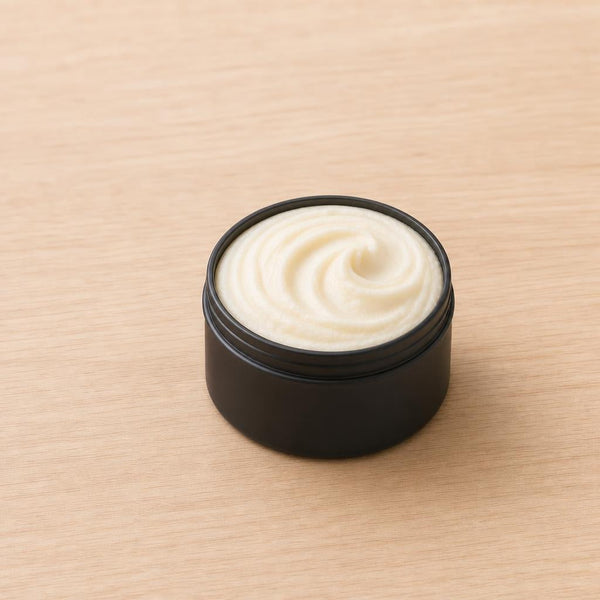
Moose’s Tallow makes a dog paw balm and wax with calendula, built to support the paw’s own skin barrier without a long ingredient list. It’s water-free, so nothing dilutes the working ingredients.
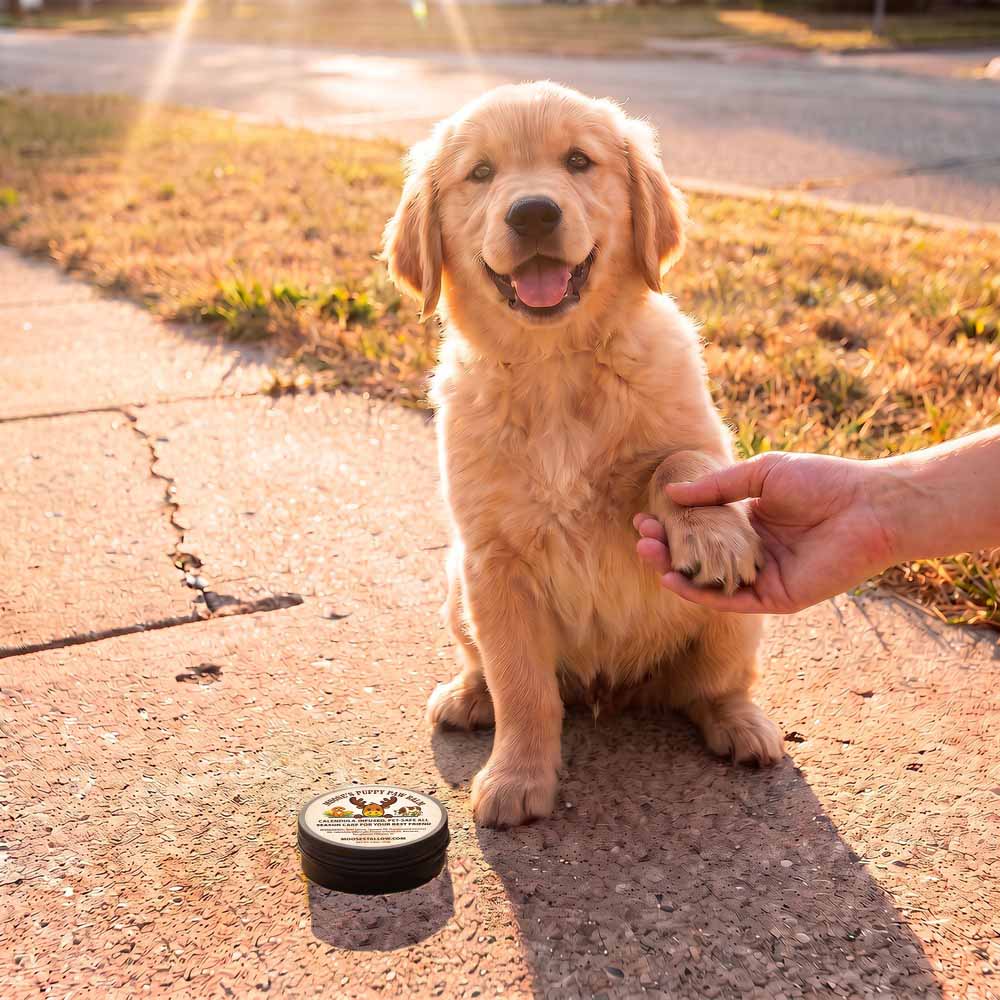
The formula starts with beef suet tallow, a fat close to your dog’s own skin oils. We add fractionated coconut oil as the carrier, since it resists oxidation and absorbs cleanly. Beeswax, vitamin E (tocopherols), jojoba, castor, and egg yolk infused oil round out the formula. Every ingredient is there on purpose.
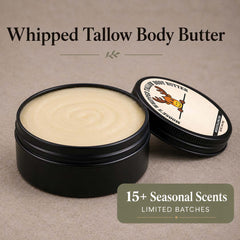
For your own skin, the beef tallow lip balm and whipped tallow body butter follow the same water-free, tallow-first approach.
Use notes:
- Apply a thin layer to clean, dry pads.
- Keep the area clean before reapplying.
- Use a sock or light bandage if your dog wants to lick it off.
- Watch for excess ingestion and wipe off extra balm if needed.
A Note From Our Founder
I flipped over a lotion bottle once and counted 52 ingredients. Water was first. That’s when I started asking what skin, and paws, actually need.
Moose’s Tallow makes everything in small batches, lists every ingredient plainly, and backs every order with a 30-day guarantee.
Paw Care as the Real Path to Fewer Cracks
Moose’s Tallow gives you a paw balm without a long ingredient list to decode. The Dog Paw Balm & Wax with Calendula is water-free and built on beef suet tallow, so it goes on light and doesn’t rely on fillers to feel like it’s working.
This fits owners who already read labels for themselves and want the same standard for their dog. If your dog hikes, walks on salted sidewalks, or just has dry, flaky pads most winters, a balm made with intentional ingredients beats grabbing whatever’s in the medicine cabinet.
Browse the full line of dog-safe paw balms and pick the one that fits your dog’s routine. Small batches, real ingredients, and a 30-day guarantee back every order.
Sources
- Cracked Dog Paws? Common Causes and How to Care for Your Pup’s Cracked and Dry Paws — PetMD
- First Aid for Torn or Injured Foot Pads in Dogs — VCA Animal Hospitals
- Cracked/Dry Dog Paws — Dogster
- Why Are My Dog’s Paws So Rough? Causes, Treatments, and Home Remedies — DailyPaws
FAQ
How Do You Treat a Dog’s Cracked Paws?
Clean the paw, dry it fully, and apply a pet-safe balm like Moose’s Tallow paw balm. Bandage deep cracks and limit walks until the pad improves.
What Can I Do to Help My Dog’s Cracked Paws Right Now?
Rinse off any salt, dirt, or chemicals, dry the paw, and apply a thin layer of pet-safe balm. Keep your dog off rough or hot surfaces until it heals.
Will a Cracked Paw Pad Heal on Its Own?
Mild surface cracks often improve within days with basic home care. Deep cracks usually need bandaging and sometimes veterinary treatment, since they’re prone to infection.
Is It Normal for Dogs to Have Cracked Paws?
Occasional mild dryness is common, especially after rough terrain or harsh weather. Frequent or deep cracking on multiple paws isn’t normal and is worth mentioning to your vet.


0 comments