

Glycerin is usually safe, even for sensitive skin. True glycerin allergy is rare. Most suspected reactions trace back to other ingredients, like fragrances or preservatives, not the glycerin itself. If your skin reacts, stop the product, then patch-test a small area or see a dermatologist before trying it again.
TL;DR:
- Check labels for ethylhexylglycerin, fragrance, and propylene glycol, which cause reactions more often than plain glycerin and can be mistaken for it.
- Stop the suspect product, note when symptoms began, and patch test a small area of healthy inner forearm; never test irritated or broken skin.
- Because there is no federal standard for hypoallergenic claims, read the full ingredient list; a dermatologist can patch test your products to identify the trigger.
- Apply glycerin to damp skin, then seal it with an emollient; avoid toners and sprays with high alcohol content, which can leave reactive skin drier.
- Balms made without water rely on fats and oils to support the skin barrier, unlike glycerin moisturizers that draw moisture into the skin.
How Common Is Glycerin Sensitivity or Allergy?
Glycerin has one of the longest safety records in skincare. Cosmetic safety panels have reviewed it for decades and continue to find it generally non-irritating across the wide range of products it appears in, from baby lotions to eye creams.
That does not mean reactions never happen. Documented cases of allergic contact dermatitis from glycerin exist, but they show up as isolated case reports, not a common pattern.
Glycerin shows up in a huge share of moisturizers, cleansers, and baby products, and safety reviews still rate it as generally non-irritating, which tells you actual allergy to it is the exception, not the rule.
A few points worth knowing:
- Glycerin is one of the most studied humectants in skincare.
- Reactions tend to involve other ingredients mixed into the same formula.
- Babies and people with eczema often use glycerin-based products without issue.
Why Glycerin Is Usually Safe, and the Ingredients That More Often Cause Reactions
Glycerin works as a humectant. It pulls water into the skin’s outer layer and holds it there. That simple job, done well, is why it shows up in so many formulas and why safety reviews consistently rate it as safe for typical cosmetic use.
Here is where confusion creeps in. Glycerin is often mistaken for ethylhexylglycerin, a separate ingredient with a similar name but a different job. Ethylhexylglycerin is a recognized contact allergen, though patch-test data shows it triggers positive reactions infrequently.
Several other ingredients cause far more trouble than plain glycerin:
- Fragrances, including those hiding in “unscented” products, remain a leading cause of allergic contact dermatitis.
- Preservatives and certain glycols can irritate reactive skin.
- Propylene glycol acts as an irritant for some people, more often than glycerin does.
- Polymers, thickeners, or trace impurities in a formula can mimic a glycerin reaction.
High concentrations or odd formulation choices can also play a role in rare case reports of glycerin-linked contact dermatitis.
Pro Tip: Before blaming glycerin, scan the label for fragrance, propylene glycol, and ethylhexylglycerin. Those three cause far more reactions.
How to Tell Whether Glycerin or Something Else Is Causing Your Reaction
Figuring out the real culprit takes a few simple steps. Rushing this process usually leads to the wrong conclusion.
- Stop the suspect product right away. Write down when symptoms started and what they looked like.
- Pull up the full ingredient list. Look for glycerin, ethylhexylglycerin, fragrance, and known irritants like propylene glycol.
- Do a simple at-home patch test. Apply a small amount to your inner forearm, leave it alone, and watch for a reaction. The FDA recommends this approach when you cannot otherwise identify what triggered a reaction, since it helps separate basic irritation from a true allergic response.
- If the reaction is strong, spreads, or returns with multiple products, see a board-certified dermatologist for formal testing.
A few extra details matter here:
- Never test on skin that is already irritated or broken. That can produce a false result known as excited skin syndrome.
- The FDA notes there is no federal standard for terms like “hypoallergenic,” so reading the full ingredient list matters more than the front-label claims.
- A dermatologist can run a professional patch test using your own products, which is often the fastest way to pin down the exact allergen.
How to Use Glycerin Safely if Your Skin Is Sensitive
Most people with sensitive skin can keep using glycerin. A few adjustments make it more comfortable.
Look for formulas where glycerin is balanced by emollients rather than used alone at a high concentration. Safety reviews on glycerin’s cosmetic use point to this kind of balanced formulation as part of why it performs well across so many product types.
Remember the humectant caveat: glycerin pulls in moisture, but it needs water nearby to work, and it needs a seal to keep that moisture from evaporating again. Apply it to slightly damp skin, then follow with an emollient or occlusive layer to lock it in.
A few more habits to keep in mind:
- Avoid applying alcohol-heavy toners or sprays right before or after a glycerin product. The combination can dry out already reactive skin.
- Check labels for ethylhexylglycerin separately. It is chemically different from glycerin, and patch-test data shows it carries its own, distinct allergy risk.
- Introduce one new product at a time. Patch test it before using it on your whole face.
- Keep a simple log of what you use and how your skin responds.
Pro Tip: Apply glycerin products to damp skin, then seal with an emollient. That one step solves most of the “glycerin feels sticky or dries me out” complaints.
For more on building a gentle routine, our sensitive skin care checklist walks through the basics step by step.
If You Prefer to Avoid Glycerin: Water-Free Tallow Options
Some people would rather skip humectants altogether. That is a reasonable choice, and it does not mean giving up on hydration.
Glycerin-based moisturizers pull water into the skin from the outside. Water-free emollient balms work differently. They rely on fats and oils to sit on the skin and support the barrier directly, without pulling in extra moisture from the air or a separate water step.

We build our balms this way. Every one of our formulas starts with properly rendered local beef suet tallow, a fat with a profile close to your skin’s own oils. Because our products are water-free, they also skip most of the preservatives that water-based lotions require.
Our Tallow Hair Clay infused with Egg Yolk Oil and our Tallow Beard Balm for Men, Infused with Egg Yolk Oil use intentional ingredients. No filler oils, no water, no glycerin.
A few tips for trying them:
- Patch test any new balm the same way you would a glycerin product.
- Use a small amount first. A little goes further than it looks.
- Apply as the final step in your routine to seal in whatever came before.
Our guide to natural moisturizers for sensitive skin covers more on how emollients compare to humectants.
Founder Perspective: Why Minimal, Water-Free Formulas Make Sense
I started making these products after a health scare sent me back to my own lotion label. It listed 52 ingredients, and the first one was water. That did not sit right with me.
We keep our formulas short on purpose. Fewer ingredients mean fewer chances for something to irritate reactive skin, and every ingredient we use, from tallow to jojoba to castor oil, earns its place. We make everything in small batches, source our tallow locally, and stand behind every order with our 60-day money-back guarantee.
— Brian Smith
Try Our Water-Free Tallow Options
If glycerin or other humectants leave you wary, our water-free balms give you a different path to soft, protected skin. Start with our Tallow Hair Clay infused with Egg Yolk Oil or our Tallow Beard Balm for Men, Infused with Egg Yolk Oil, and patch test either one before regular use, just as you would with any new product.
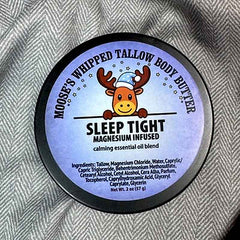
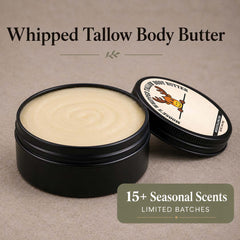
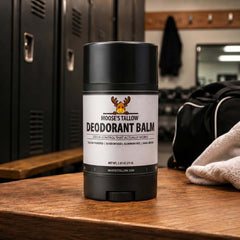
Browse our full lineup of whipped body butters, deodorant, and more to find the right fit for your routine. Every order comes with our 60-day money-back guarantee, so trying a water-free formula carries little risk.
FAQ
What are the pros and cons of using glycerin on my skin?
Glycerin draws moisture into skin and has a strong safety record across many product types. The main drawback is that it needs water and a sealing layer to work well, and without that, it can occasionally leave skin feeling tacky or temporarily drier in low humidity.
What is vegetable glycerin?
Vegetable glycerin is glycerin derived from plant oils rather than animal fat or synthetic sources. Chemically, it functions the same way as other forms of glycerin once it is in a finished product, pulling moisture into the skin.
Does vegetable glycerin clog pores?
Glycerin itself is not considered pore-clogging, since it is a humectant rather than an oil. Breakouts blamed on a glycerin product more often come from other ingredients in that same formula, such as heavy oils or waxes.
What not to mix glycerin with?
Avoid layering glycerin with alcohol-heavy toners or sprays at the same time, since the combination can leave sensitive skin feeling dry. Also check labels for ethylhexylglycerin, a separate ingredient with its own allergy risk that is easy to confuse with plain glycerin.
How long should I patch test a new skincare product?
Most dermatology guidance suggests leaving a patch test in place for a few days before judging the result. A partner guide on patch testing covers this timeframe in more detail for anyone building a testing routine.
Sources
- Safety Assessment of Glycerin as Used in Cosmetics - Lillian C. Becker, Wilma F. Bergfeld, Donald V. Belsito, Ronald A. Hill, Curtis D. Klaassen, Daniel C. Liebler, James G. Marks, Ronald C. Shank, Thomas J. Slaga, Paul W. Snyder, Lillian J. Gill, Bart Heldreth, 2019
- Allergens in Cosmetics | FDA
- A Whiff of Trouble: Navigating Allergic Contact Dermatitis to Fragrance | MDedge
- Allergic contact dermatitis from glycerin in a moisturizing cream
0 comments