

Fatty acids form part of the skin’s lipid barrier, and beef tallow supplies skin-compatible fatty acids that reinforce that barrier directly. For dry or sensitive skin, that compatibility matters more than a long ingredient list. Apply a water-free tallow balm as your final step, onto slightly damp skin, to lock in moisture without fillers or synthetic preservatives — learn more about using nutrient-rich balms like these from Wren. Moose’s Tallow builds every product around this principle: properly rendered beef suet tallow, minimal ingredients, nothing wasted.
- The stratum corneum, your skin’s outermost layer, relies on a lipid matrix of ceramides, cholesterol, and free fatty acids to stay sealed and flexible.
- Tallow’s fatty-acid profile closely mirrors human sebum, so it integrates into that matrix without disrupting it.
- Water-free formulas skip the fillers that dilute most lotions and shorten their effect on your skin.
How fatty acids maintain the skin barrier and prevent moisture loss
Fatty acids help form the lipid matrix that keeps skin sealed and flexible. Without them, the stratum corneum loses its ability to hold water, and skin becomes tight, flaky, and reactive. Free fatty acids account for a meaningful fraction of stratum corneum lipids and influence hydration, microbiome balance, and inflammation regulation.
- Structural packing: Fatty acids slot into the lipid matrix alongside ceramides and cholesterol, creating a dense, ordered barrier.
- Occlusion: They reduce transepidermal water loss (TEWL) by slowing moisture evaporation through the skin’s surface.
- Antimicrobial action: Free fatty acids help maintain the skin’s acidic pH, which limits harmful microbial growth.
- Inflammation modulation: Certain fatty acids influence the skin’s inflammatory response, supporting calmer, less reactive skin.
The lipid matrix works as a team: ceramides provide structure, cholesterol adds flexibility, and free fatty acids fill the gaps and regulate pH. Remove any one of them and barrier function suffers. Fatty acids are fundamental to skin barrier health, helping prevent moisture loss and protecting skin from outside stressors.
Pro Tip: Apply your tallow balm after a light hydrating mist or serum, while skin is still slightly damp. Tallow is occlusive, not a water source. Layering it over moisture seals that moisture in.
Which fatty acids matter most for your skin
Oleic, palmitic, and stearic acids are the key players in barrier support, and all three are abundant in beef tallow. Each one does a different job, and together they give tallow its practical edge over single-note plant oils.
- Oleic acid (C18:1): A monounsaturated fatty acid that acts as a skin-compatible emollient. It supports hydration and helps other nutrients absorb into the skin.
- Palmitic acid (C16:0): A long-chain saturated fatty acid that provides structural, occlusive support. It is a major component of human sebum.
- Stearic acid (C18:0): Supports hydration and skin barrier function. It contributes to the dense packing that keeps the barrier intact.
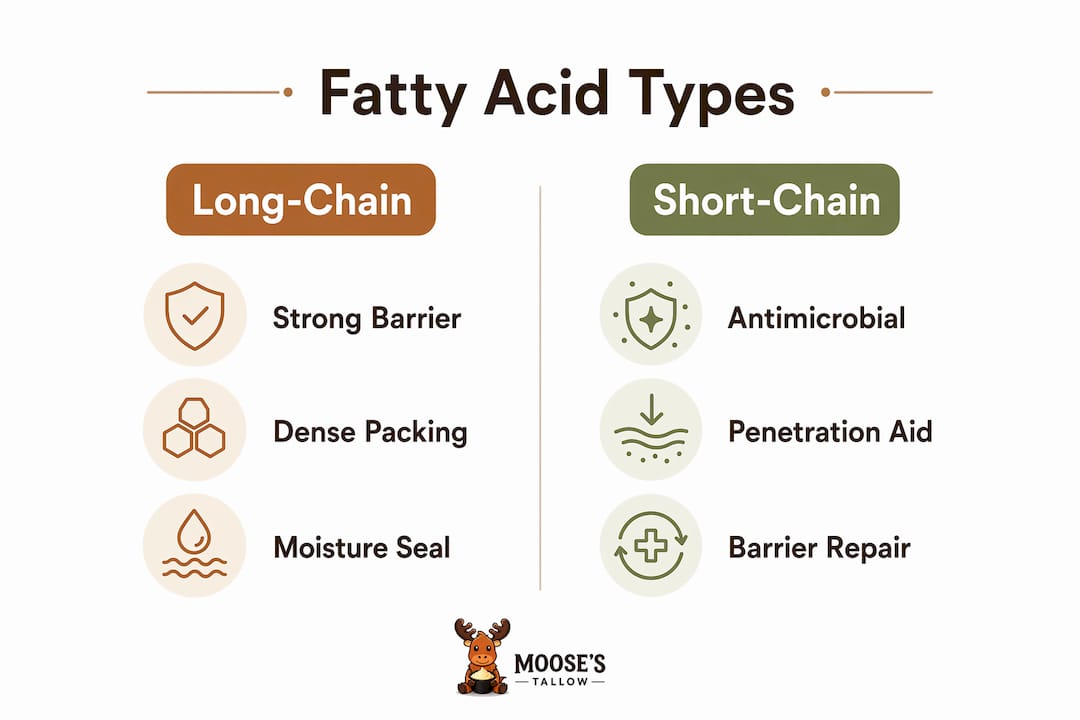
Chain length matters more than most people realize. Long-chain fatty acids are critical for the skin’s dense, packed structure. Short-chain replacements reduce compaction and can impair barrier function. Tallow’s fatty acids are predominantly long-chain, which is why they integrate so well into the stratum corneum’s architecture.
| Feature | Long-chain fatty acids | Short-chain fatty acids |
|---|---|---|
| Barrier support | Strong structural packing | Weaker compaction |
| Stability | High | Lower |
| Skin compatibility | Mirrors sebum composition | Less compatible |
| Occlusive effect | Effective | Minimal |
Why beef tallow is a practical source of skin-friendly fatty acids
Beef tallow contains fatty acids that mirror human skin oils, including oleic, palmitic, and stearic acids, which integrate into the skin’s lipid matrix. That biological similarity is the core reason tallow absorbs cleanly and supports the barrier without sitting on top of the skin like a foreign substance.
- Oleic, palmitic, and stearic acids: Present in proportions close to human sebum, supporting barrier repair and moisture retention.
- Vitamin E (tocopherols): Tallow contains fat-soluble vitamins like vitamin E, which provide antioxidant support in water-free balms.
- Rendered beef suet tallow: Properly rendered from local beef suet, which removes moisture and impurities, leaving a clean, stable fat.
Common vegetable oils, including olive, avocado, almond, shea butter, and grapeseed, are not part of Moose’s Tallow formulas. Many are prone to oxidation or carry fatty-acid profiles that don’t align as closely with skin sebum. Fractionated coconut oil is the preferred carrier here: it resists oxidation, absorbs easily, and extends shelf life without compromising the formula. Water-free tallow balms deliver nutrients directly, with no water to dilute them and no synthetic preservatives needed to stabilize them.
How tallow works on dry or sensitive skin in practice
Tallow is best suited for dry, sensitive, or barrier-compromised skin as a protective occlusive. It is not a one-size-fits-all product, and knowing where it fits helps you use it well.
- Overnight face balm: A small amount on clean, damp skin before bed supports barrier repair while you sleep.
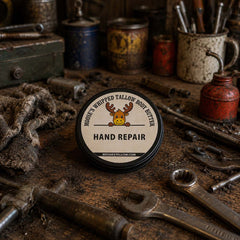
- Hand repair: Apply after washing to seal in moisture and protect cracked or chapped skin.
- Baby butter on chapped skin: Gentle enough for sensitive infant skin when formulated with calming botanicals like calendula and chamomile.
- Lip care: Tallow-based lip balm provides lasting occlusion without the waxy, synthetic feel of petroleum-based products.
- Where to be cautious: Very oily or acne-prone skin may react to tallow’s oleic and palmitic acid content. Both can contribute to clogged pores in some skin types.
Tallow is a cosmetic, barrier-supporting tool. It is not a medical treatment. If you have a diagnosed skin condition like eczema or psoriasis, consult a dermatologist before adding tallow to your routine. Allergic reactions to beef-derived ingredients are uncommon but possible, so a patch test is always the right first step.
How to use water-free tallow products safely and effectively
Apply tallow as the final step in your routine, onto damp skin, in small amounts. That sequence is what makes it work.
- Cleanse: Start with a gentle, non-stripping cleanser.
- Hydrate: Apply a light hydrating mist or water-based serum while skin is still damp.
- Apply tallow: Use a pea-sized amount for the face, a little more for the body. Warm it between your fingers first so it spreads evenly.
- Frequency: Once or twice daily for dry skin. Once daily or every other day for normal skin.
- Face vs. body: Use less on the face. The skin there is thinner and more reactive.
Patch test checklist:
- Apply a small amount to your inner forearm or behind your ear.
- Wait 24 hours and check for redness, itching, or breakouts.
- If no reaction occurs, proceed with normal use.
- Stop immediately if irritation develops.
Pro Tip: Warm a pea-sized amount between your fingertips for 10–15 seconds before applying. It melts into a thin, even layer and you’ll use far less than you think you need.
What to look for on an ingredients list
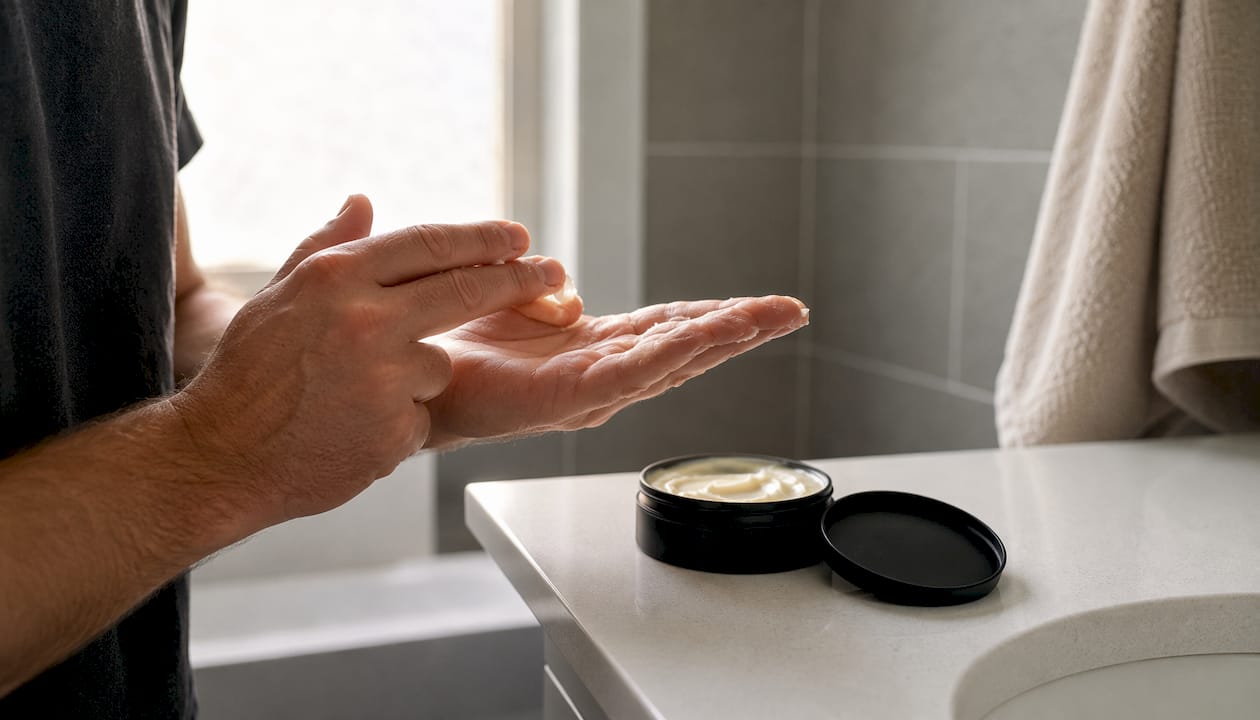
Choose water-free formulations that list beef suet tallow high on the label and include fractionated coconut oil as the carrier. The shorter the list, the easier it is to know exactly what you’re putting on your skin.
Must-have ingredients:
- Beef suet tallow (listed first or second)
- Fractionated coconut oil (stable, oxidation-resistant carrier)
- Beeswax (adds structure and a light protective layer)
- Vitamin E / tocopherols (antioxidant support)
- Jojoba, castor, or egg yolk infused oil (purposeful additions, not filler)
Labeling cues to look for: “water-free,” “small-batch,” “properly rendered,” and a full ingredient list with no hidden catch-alls.
Oils to avoid as alternatives: Olive, emu, avocado, almond, shea butter, and grapeseed oils are not used in Moose’s Tallow formulas. Many oxidize faster, and their fatty-acid profiles don’t align as closely with skin sebum.
Transparency signals matter. A brand that publishes its full ingredient list, makes products in small batches, and backs orders with a 60-day guarantee is telling you something real about how it operates. That’s not marketing. That’s accountability.
Storage, stability, and shelf life for water-free tallow products
Water-free tallow balms are naturally shelf-stable when properly rendered and packaged. Removing moisture during rendering limits bacterial growth and eliminates the need for synthetic preservatives.
- Store in a cool, dry place away from direct heat and sunlight. A bathroom cabinet works; a sunny windowsill does not.
- Watch for rancidity: A sharp, sour, or “off” smell is the clearest sign. Fresh tallow has a mild, neutral scent. Proper rendering quality makes a real difference here.
- Fractionated coconut oil improves shelf life and absorption compared to many other carrier oils, which is why it’s the preferred choice in Moose’s Tallow formulas.
- Keep lids tight and avoid introducing water into the jar. Wet fingers are the fastest way to shorten a balm’s shelf life.
What to expect when you start using tallow
Expect surface barrier support and softer-feeling skin within days. Deeper structural changes take longer, and that’s normal.
- First 24–48 hours: Reduced tightness and a less “stripped” feeling after cleansing.
- 1–2 weeks: Improved softness and more consistent hydration throughout the day.
- Ongoing use: Maintenance of barrier function, especially in dry or cold conditions.
Clinical literature specific to topical beef tallow is limited. The evidence rests on mechanistic alignment with sebum and barrier science, not large tallow-specific trials. That’s an honest fact worth knowing. Tallow supports your barrier. It doesn’t replace medical care. If irritation or breakouts occur, stop use, reassess with a patch test, and consult a dermatologist for persistent concerns.
Key Takeaways
Fatty acids are the structural foundation of the skin barrier, and beef tallow’s sebum-like profile makes it one of the most compatible topical sources for dry or sensitive skin.
| Point | Details |
|---|---|
| Fatty acids seal the barrier | They form the lipid matrix in the stratum corneum that prevents moisture loss and protects against stressors. |
| Chain length determines performance | Long-chain fatty acids like oleic, palmitic, and stearic provide stronger structural packing than short-chain alternatives. |
| Tallow mirrors sebum | Beef tallow’s fatty-acid profile closely matches human skin oils, supporting clean absorption and barrier integration. |
| Apply to damp skin, last step | Tallow is occlusive, not a water source; layer it over a hydrator to lock in moisture effectively. |
| Moose’s Tallow | Water-free, small-batch tallow balms built on beef suet tallow and fractionated coconut oil, backed by a 60-day guarantee. |
Why simple, water-free formulas are worth defending
Most people assume more ingredients means a better product. I used to think the same thing, until I flipped over a lotion bottle and counted 52 ingredients, starting with water.
Water is cheap. It fills a bottle fast. But it also means you need preservatives, emulsifiers, and stabilizers just to keep the formula from separating. By the time you get to the active ingredients, they’re diluted down to almost nothing.
Tallow doesn’t need any of that. It’s stable on its own. It absorbs cleanly because its fatty acids are structurally similar to what your skin already produces. And when you pair it with fractionated coconut oil, beeswax, and vitamin E, you have a formula that does real work without the filler.
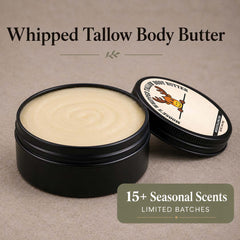
At Moose’s Tallow, every product starts with properly rendered local beef suet tallow. Everything else on the label is there for a reason. The Whipped Tallow Body Butter is the one most people start with. The Natural Tallow Baby Butter with Calendula & Chamomile is what parents reach for when they want something gentle and clean for sensitive skin. And the Aluminum-Free Natural Deodorant — Tallow Balm shows that water-free tallow formulas work across the whole body, not just the face.
Small-batch. Handmade in Lebanon, PA. Backed by a 60-day guarantee and real customer reviews.
Moose’s Tallow: water-free skincare for dry and sensitive skin
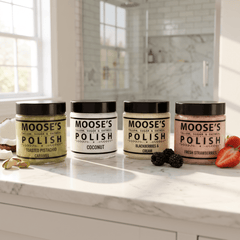
If you’ve read this far, you already know what to look for: beef suet tallow high on the label, fractionated coconut oil as the carrier, no water, no filler. Moose’s Tallow is built exactly that way. Every formula is handmade in small batches in Lebanon, PA, using properly rendered local tallow and a short list of intentional ingredients.
For dry or sensitive skin, the Whipped Tallow Body Butter is the place to start. It’s water-free, absorbs cleanly, and delivers barrier support without the greasy residue that most lotions leave behind. Browse the full lineup and find what fits your skin, backed by a 60-day guarantee.
FAQ
What do fatty acids do for the skin barrier?
Fatty acids form part of the lipid matrix in the stratum corneum, alongside ceramides and cholesterol. They reduce transepidermal water loss, support the skin’s acidic pH, and help regulate inflammation.
Is beef tallow good for dry or sensitive skin?
Beef tallow contains oleic, palmitic, and stearic acids that closely mirror human sebum, making it a compatible occlusive for dry or barrier-compromised skin. It is a cosmetic support tool, not a medical treatment.
How should I apply a tallow balm?
Apply tallow as the final step in your routine, onto slightly damp skin, using a small amount warmed between your fingers. This seals in existing moisture rather than adding water to the skin.
Can tallow clog pores or cause breakouts?
It can for some skin types. Oleic and palmitic acids may contribute to clogged pores on very oily or acne-prone skin. A patch test before full use is always recommended.
Why are Moose’s Tallow products water-free?
Water-free formulas skip the preservatives, emulsifiers, and fillers needed to stabilize water-based products. The result is a shorter, more transparent ingredient list where every component serves a purpose.


0 comments