

Yes. Tallow is a practical skin-care option for many athletes when used correctly. It works as a lipid-rich occlusive, and its fatty-acid profile sits close to your own skin’s natural oils. We build our whole catalog, from body butter to lip balm, around that idea. Used right, it supports friction points, post-workout comfort, and outdoor protection without a long ingredient list.
TL;DR:
- Tallow slows water loss by forming a surface film, but clinical evidence does not show it outperforms other moisturizers or treats acne.
- Patch test for 24 hours, then use a small amount on clean, damp hands or feet before trying it on acne prone facial skin.
- For recurring chafing, apply a thin layer to friction points before training, test it under clothing, and reapply after showering.
- For outdoor sessions, use a zinc based sun balm for sun exposure and a separate repellent for bugs; plain tallow provides neither protection.
- Choose a formula that lists properly rendered, grass fed suet tallow and fractionated coconut oil, and avoid heavy fragrance or added olive and shea oils.
How tallow works for skin: occlusion, fatty acids, and the evidence base
Tallow does not heal or treat anything. It works the same way most good moisturizers do: by sitting on the skin and slowing water loss. This is a physical effect, not a medical one.
Rendered beef suet tallow carries a fatty-acid mix of oleic, palmitic, and stearic acids. That profile resembles the lipids already found in your skin’s outer layer, which is part of why it absorbs the way it does. Dermatology sources describe tallow primarily as a lipid-rich occlusive that forms a protective film and slows evaporation from the skin’s surface.
Tallow also carries fat-soluble vitamins, though no clinical trials show it outperforms other cosmetic lipids. Tufts researchers note that tallow moisturizes, but caution that claims about wrinkle reduction or acne treatment lack strong clinical support.
A few things to keep in mind before you reach for it:
- Tallow can be comedogenic on skin that is already prone to breakouts.
- Added fragrances or essential oils in some formulas can irritate sensitive skin.
- No research shows tallow is superior to other cosmetic lipids. It is simply a viable option among several.
Practical athlete uses and step-by-step application for sport scenarios
Tallow fits into training routines at three points: before activity, after activity, and as spot care for problem areas.
- Before activity: Apply a thin layer to known friction points, like inner thighs or underarms, and test it under clothing first.
- After activity: Cleanse the skin, then apply tallow to skin that is still slightly damp from your shower. This helps lock in existing moisture rather than fighting dryness after the fact.
- Spot care for lips, hands, and feet: Use a small amount on cracked lips, dry hands, or callused feet, and reapply only when the area feels tight or rough again.
- Outdoor training days: Layer a zinc-based sun balm or a bug-repellent balm over or instead of plain tallow, depending on how the product is formulated.
Pro Tip: Keep a lip balm and a small hand cream in your gym bag so spot care takes seconds, not minutes, between sets or after a run.
Runners dealing with chafing along the waistband or sports bra line often do best applying a thin layer the night before a long session, then again right after showering. Cyclists and swimmers tend to focus more on hands and lips, since constant water or grip exposure dries those areas fastest. Hikers and trail runners carry the most variables: sun, bugs, and friction all at once, so a layered approach, sun balm first, tallow or repellent balm over it, tends to work better than relying on one product for everything.
How to use tallow safely as an active person
Patch testing matters more for athletes than most people realize, simply because sweat and friction change how skin reacts to anything applied to it.
- Test a small amount on your jawline or inner arm and wait 24 hours before applying anywhere else.
- Avoid heavy use on acne-prone areas or skin that stays sweaty for hours; body-first testing is safer than starting on the face.
- Apply to clean, slightly damp skin in small amounts rather than a thick layer.
- Wash workout clothes and gear that touch treated skin regularly to avoid product buildup and transfer.
One documented caution worth repeating: dermatology sources specifically warn that occlusive products like tallow can worsen acne-prone skin, which is why body-first testing makes sense for many athletes before trying it on the face.
If you already deal with breakouts around the hairline or shoulders from sweat and gear friction, read more on where tallow helps and where it does not before working it into your routine. A little restraint early on saves you from guessing later why a new product seems to be causing trouble.
What to look for in athlete-friendly tallow products
Not all tallow products are built the same way, and the difference shows up fast once you’re sweating through a workout.
- Look for grass-fed, properly rendered suet tallow with full ingredient transparency on the label.
- Prefer water-free, minimally diluted formulas. Water-free products skip unnecessary fillers and stay concentrated for on-the-go use.
- Fractionated coconut oil is the preferred carrier oil in a well-built formula. It resists oxidation, absorbs easily, and holds up on the shelf better than heavier vegetable oils.
- Avoid heavy synthetic fragrances, and skip products diluted with olive, shea, or grapeseed oil. These change the texture and stability without adding anything tallow doesn’t already provide.
Rendering quality affects more than smell. It affects how stable and consistent the product feels from one jar to the next. If you want to understand why some tallow products smell “off” while others don’t, rendering quality is usually the reason, not the tallow itself.
Moose’s Tallow: formulation approach and product matches for athletes
Our founder, Brian “Moose” Smith, started this brand after a health scare led him to read his own lotion label. It listed 52 ingredients, and the first one was water. That moment shaped everything we make now.
We build every product on properly rendered, locally sourced suet tallow, made in small batches, water-free, and minimally diluted. Every ingredient earns its place. Nothing is filler.
For athletes specifically, here’s how our catalog maps to common training needs:
- Outdoor sessions: our Tallow & Zinc Outdoor Sun Balm for sun exposure.
- Trail work: our Natural Bug & Tick Repellent for time outdoors.
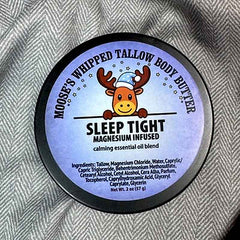
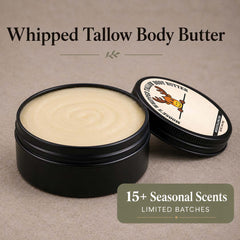
- Post-workout recovery: our Whipped Tallow Body Butter for whole-body moisture.
- Spot care: our Lip Balm and Hand Repair Cream for lips and hands.
We back every order with a 30-day guarantee and real customer reviews for confidence in your purchase.
Nutritional benefits of tallow for athletes: topical versus ingested
Tallow shows up in two very different contexts for athletes: on the skin and on the plate. These deserve separate treatment, because the body interacts with tallow differently depending on how it’s used.
Applied topically, tallow’s fat-soluble vitamins and fatty acids work at the surface level, supporting the skin barrier through occlusion rather than through absorption into the bloodstream. The benefit is mechanical and local: less water loss, a smoother feel, and a protective layer on skin that’s already stressed by sweat, friction, or wind.
Ingested tallow is a dietary fat, metabolized like other animal fats, and its role in an athlete’s diet is a separate question from skin care entirely. We make topical products, not supplements, and we don’t make claims about what tallow does once it’s eaten. If you’re curious about fueling and recovery nutrition as a whole, that’s a conversation for a sports dietitian, not a skin-care label.
The practical takeaway: don’t expect a skin product to do a diet’s job, or the other way around. Keep the two uses separate in your thinking, and judge each on what it actually does.
Tallow versus other skin-care ingredients: aloe vera and the rest
Athletes often choose between tallow and lighter, water-based ingredients like aloe vera, depending on the job at hand.
Aloe vera is mostly water, and it works well for quick, light cooling after sun exposure or mild irritation. It absorbs fast and leaves little residue, which some athletes prefer for daytime use. But it doesn’t form the same protective film that an occlusive like tallow does, so it won’t hold up as well against hours of friction or wind exposure.
Tallow’s fatty-acid profile gives it staying power that water-based options don’t have. For cracked heels, chafed thighs, or windburned cheeks after a long outdoor session, an occlusive does more of the work simply by sitting on the skin longer.
We don’t build our formulas around shea butter, olive oil, or other vegetable-based fats. Instead, we pair tallow with fractionated coconut oil, which resists oxidation and absorbs cleanly without the heavier, greasier feel some vegetable oils leave behind. That combination gives you the staying power of an occlusive with a lighter finish than many traditional balms. Neither tallow nor aloe vera is universally “better.” The right choice depends on whether you need quick cooling or lasting protection.

What athletes get wrong about tallow skin care
The biggest mistake we see is treating tallow like a cure for something, when it’s really just a well-matched moisturizer. It won’t fix acne, and it won’t heal a blister faster than time will. What it does well is simple: it sits on skin and slows moisture loss, which matters more for athletes than most people realize given how much sweat, friction, and sun exposure active bodies deal with.
The conventional advice often skips the acne-prone caveat entirely, and that’s a real gap. Occlusives like tallow can make breakouts worse on skin that’s already sweaty and congested, so face-first use is the wrong starting point for a lot of athletes.
If you take one thing from this guide, prioritize the application site over the product itself. Start on hands, feet, or exposed skin before trying anything on your face. Pay attention to how your skin responds over a week, not a single use. Good skin care for active people is less about finding a miracle ingredient and more about matching the right product to the right job, consistently, over time.
— Brian Smith
Quick product picks for your training bag
Matching the product to the job is the whole point, and our water-free, minimally diluted formulas are built so you’re not paying for fillers you don’t need.
For sun exposure on long outdoor sessions, our Tallow & Zinc Outdoor Sun Balm combines zinc protection with tallow’s occlusive base. For trail days, pair it with our Natural Bug & Tick Repellent. After a hard workout, our Whipped Tallow Body Butter covers whole-body moisture, while our Hand Repair Cream targets dry, cracked hands from grip work or cold weather. Keep our Lip Balm on hand for wind and sun exposure on the trail or track.

Topical care is only one part of an athlete’s routine. For recovery strategies that go beyond skin care, our partners at Nutribliss cover muscle soreness recovery in more depth.
Browse our full collection of tallow-based products to find the right match for your training schedule.
FAQ
Why don’t some dermatologists recommend beef tallow?
Some dermatologists are cautious because tallow can be comedogenic, meaning it may clog pores on acne-prone skin. Tufts researchers also note that claims about wrinkle reduction or acne treatment lack strong clinical evidence.
What should I check before choosing a beef tallow product?
Look for properly rendered, grass-fed suet tallow with full ingredient transparency and a water-free, minimally diluted formula. Avoid products padded with heavy synthetic fragrance or vegetable oils like olive or shea, since these dilute tallow’s natural profile.
Does beef tallow affect testosterone?
There is no credible evidence that topical beef tallow affects hormone levels, including testosterone. Tallow applied to skin acts locally as an occlusive moisturizer and does not work through the bloodstream the way ingested fats or hormones do.
Is beef tallow actually beneficial for skin?
Tallow can be a genuinely useful moisturizer because its fatty-acid profile resembles the lipids already in your skin’s outer layer. A literature review on bovine tallow found it has plausible emollient and occlusive properties, though controlled clinical trials proving it outperforms other cosmetic lipids are still lacking.
What’s the best carrier oil to pair with tallow?
Fractionated coconut oil is widely used as a carrier oil because it’s stable, resists oxidation, and absorbs easily. We pair it with our tallow formulas for that reason, rather than heavier vegetable oils that can feel greasy or degrade faster.
Sources
- What’s the deal with beef tallow? — Tufts Now
- Bovine tallow in cosmetic formulations: moisturizing properties and effects on the skin barrier — RSV
- Beef tallow for skin: dermatology weighs in on the trend — Acibadem International
- What Is Fractionated Coconut Oil Good For? — Healthline
0 comments