

Beef tallow has not been proven to clear acne, and it has not been proven to cause it either. The honest answer is that it works mainly as a moisturizer, and how your skin responds depends on your pores, your routine, and the specific product. A 2024 scoping review found limited human research on topical tallow, while the American Academy of Dermatology still recommends moisturizer for most acne-prone skin. We make tallow balms, and we think you deserve the real evidence before you try one.
TL;DR:
- The 2024 review screened 147 studies and included 19, then called for direct human research because cosmetic evidence remains limited.
- The AAD recommends a noncomedogenic or oil free moisturizer; pairing moisturizer with acne medication may reduce irritation and support use over 4 to 8 weeks.
- Test a small amount for 24 to 48 hours, then try one facial area and wait 48 to 72 hours before gradually increasing use.
- Stop if new bumps, redness, or congestion appear; see a dermatologist for deep acne, scarring, sudden flares, or no improvement with OTC care.
What the evidence and dermatology guidance say
Most claims about beef tallow and acne come from personal stories, not controlled research on human skin. That gap matters if you want a real answer instead of a guess.
The most recent look at the science is a 2024 scoping review on tallow and skin biocompatibility. Researchers screened 147 studies and included 19 in their final review. They found limited human cosmetic research on topical tallow and called for more direct human studies. Nothing in that review shows beef tallow clears acne.

The 2024 scoping review found real gaps in the evidence. Human cosmetic data on tallow remains limited. That gap is the honest starting point for anyone deciding whether to try it.
Older comedogenicity data add another layer of caution. Much of the historic pore-clogging research used rabbit-ear testing, not human skin. Rabbit-ear models do not reliably predict how a finished product behaves on your face. An ingredient’s lab rating is not the same as how a diluted balm performs once it is on your skin for hours.
Dermatology guidance treats moisturizer as a routine part of acne care, not an enemy of it. The American Academy of Dermatology advises that people with acne often still need a moisturizer, ideally one labeled non-comedogenic or oil-free. Pairing a moisturizer with acne medication can reduce irritation and help many people stick with treatment over 4 to 8 weeks.
It helps to know what actually counts as an acne treatment. The FDA’s OTC acne monograph names specific active ingredients, like benzoyl peroxide and salicylic acid, that qualify a product as an acne drug. A few points worth holding onto:
- No major regulatory or dermatology body lists tallow as an acne treatment ingredient.
- Moisturizers, including tallow-based ones, sit in a different category than medicated acne drugs.
- Your skin’s actual response matters more than any single ingredient’s reputation.
Why tallow behaves like a moisturizer, not a treatment
Beef tallow is rendered beef suet, and once it is properly processed, it becomes a lipid-rich emollient. Emollients sit on the skin and soften it. They do not target acne-causing bacteria or inflammation the way a medicated treatment does.
Tallow’s fatty acid makeup is close to what your skin already produces, which is part of why it absorbs the way it does; for a broader view on compounds that support skin health, see this list of anti-aging peptides. But a raw ingredient’s profile only tells part of the story. How a tallow balm actually behaves on your skin depends on the finished formula: how diluted it is, which carrier oils ride along with it, and how it was rendered.
Carrier oil choice matters. Fractionated coconut oil resists oxidation, stays stable, and absorbs easily without grease. Some oils are avoided, like olive, avocado, almond, and shea butter. Fractionated coconut oil gives a lighter, predictable base.
Formulation choices that affect how a balm feels and performs:
- Dilution level changes how heavy or light the final product feels on skin.
- Carrier oil stability affects shelf life and how the formula ages.
- Added ingredients, like beeswax or jojoba, change texture and absorption speed.
Pro Tip: Check the full ingredient list, not just the word “tallow,” before deciding whether a balm fits your skin type.
How to introduce beef tallow safely if you have acne-prone skin
If your skin is acne-prone and you want to try a tallow-based product, go slowly and watch closely. Here is a practical way to do it.
- Apply a small amount to your inner forearm and wait 24 to 48 hours for any reaction.
- If your arm looks clear, apply a thin layer to one small facial area, away from active breakouts.
- Wait another 48 to 72 hours and check for new bumps, redness, or clogged-looking pores.
- If skin stays clear, use a small amount every other day for a week before daily use.
- Avoid heavy application directly on your T-zone if you already run oily there.
Start with less than you think you need. A pea-sized amount spreads further than it looks, and a thick layer sitting on oily skin is more likely to feel heavy or trap debris.
If you use acne medication, timing matters. The American Academy of Dermatology recommends using one topical acne medication at a time and following its directions closely. Apply your acne treatment first, let it absorb, and avoid layering a rich balm right on top while it is still active. Heavy occlusion right after a topical can trap the medication and increase irritation.
Cleansing matters just as much as application. Wash your face at night to remove the day’s balm along with dirt and oil, so nothing sits in your pores overnight. A gentle, non-stripping cleanser works better than a harsh scrub, which can irritate skin that is already adjusting to a new product.
Pro Tip: Keep a simple log of what you applied and when breakouts appeared, so you can tell a real pattern from normal skin fluctuation.
Watch for warning signs as you go. New whiteheads, small bumps, or a rough, congested texture in the area you tested are signs to stop and reassess. For more detail on application and ingredient lists, our guide on using tallow-based products on skin walks through the basics step by step.

When at-home skincare isn’t enough
Some acne needs more than any moisturizer, tallow-based or otherwise. Certain signs mean it is time to call a dermatologist instead of adjusting your routine again.
- Deep, painful nodules or cysts that do not improve after a few weeks.
- Acne that is leaving dark marks or visible scarring.
- A sudden flare that is much worse than your usual pattern.
- No real improvement after a reasonable trial of over-the-counter care.
Common clinical options include topical retinoids, benzoyl peroxide, and prescription medications, which work differently than any cosmetic moisturizer. The American Academy of Dermatology notes that severe acne carries real scarring risk and often needs professional treatment. Avoid squeezing nodules or cysts, since that tends to push inflammation deeper and worsen scarring. If your skin fits any of the signs above, book a dermatology visit rather than waiting it out.
Our approach to formulation and transparency
Our formulations focus on properly rendered local beef suet tallow, with thoughtful additions: fractionated coconut oil, beeswax, vitamin E (tocopherols), jojoba, castor, and egg yolk infused oil. We avoid fillers, vegetable oils, and keep formulas water-free with minimal dilution to support your skin barrier.
If you have acne-prone skin, we recommend the same cautious approach outlined above: patch test first, use a small amount, and keep balms off active breakouts while you watch how your skin responds. Our guide on soothing dry skin safely covers the gentle, gradual approach we build our routines around.
Our take: evidence over hype, caution over claims
The honest takeaway here is that beef tallow is not a magic fix, and it is not a villain either. It is a moisturizer with a limited research base, and treating it as more than that misleads people who need real acne treatment.
What gets lost in most online debates is that a product’s comedogenic reputation and its actual behavior on your face are two different things. The same tallow balm can suit one person’s skin and clog another’s pores, because dilution, carrier oils, and your own skin chemistry all shape the outcome. Testing on your own skin matters more than any general claim, good or bad.
If you prioritize one thing, make it patience. Patch test, go slowly, and pay attention to what your skin actually does rather than what you hoped it would do. Severe acne deserves a dermatologist’s attention, not a longer trial of home remedies.
— Brian Smith
Consider our tallow balms for simple, transparent moisturizing
If you want a moisturizer built from ingredients you can actually pronounce, our catalog is worth a look. Each product starts with properly rendered local beef suet tallow and stays water-free, with every ingredient chosen on purpose.
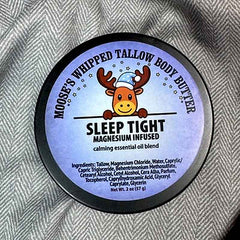
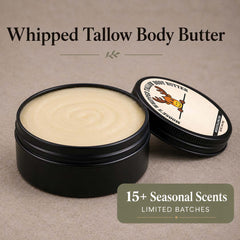
Our hand cream targets dry, cracked hands with a rich, minimally diluted formula. Our lip balm is built for chapped, dry lips rather than facial breakout zones. Our whipped body butter suits dry skin on the body, away from oily or acne-prone areas.
If you have acne-prone skin, patch test any new product first and keep it off active breakouts. Browse our full collection, and know that every order comes with a 30-day guarantee if a product is not the right fit for your skin.
This article is general information, not a substitute for advice from a qualified doctor. Consult a qualified healthcare professional about your own circumstances before acting on anything here.
FAQ
Is beef tallow good for your face?
Beef tallow can work as a moisturizer for some skin types, thanks to its fatty acid profile and emollient properties. It is not labeled as treatment for acne or any skin condition, and how it performs depends on the finished formula and your individual skin.
Is beef tallow good for acne scars?
There is no reliable evidence that beef tallow fades acne scars or any other scarring. It may help keep surrounding skin moisturized, but scar treatment is a separate concern best addressed with a dermatologist.
What changes can I expect in acne after using beef tallow?
There is no consistent, documented pattern of acne improvement or worsening tied to beef tallow use, since human research on the topic remains limited, according to the 2024 scoping review. Individual response varies, which is why patch testing and gradual introduction matter more than general expectations.
Is tallow comedogenic?
Comedogenicity depends on the finished product, not just the raw ingredient, and older ratings relied on rabbit-ear testing that does not reliably predict human skin response. Dilution, carrier oils, and your own skin type all affect whether a specific tallow balm clogs pores for you.
Sources
- Tallow, Rendered Animal Fat, and Its Biocompatibility With Skin: A Scoping Review
- Moisturizer: Why you may need it if you have acne — American Academy of Dermatology
- Comedogenicity in rabbit: some cosmetic ingredients/vehicles
- OTC Monograph M006: Topical Acne Drug Products for Over-the-Counter Human Use — FDA
0 comments