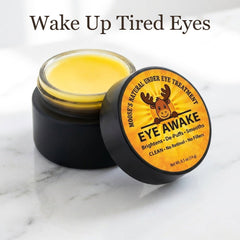
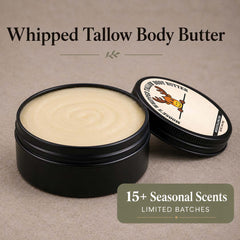
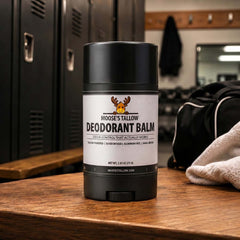
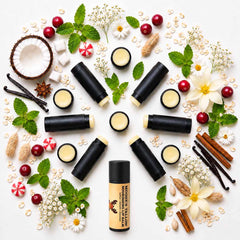


Many people assume beef tallow always carries a strong, unpleasant beefy odor that makes it unsuitable for skincare. This misconception keeps health-conscious families from discovering one of nature’s most effective moisturizers. The truth is that properly rendered beef tallow has minimal to no noticeable smell when crafted with care and patience. The rendering process, the quality of the starting fat, and proper storage all determine whether your tallow smells neutral or strongly of beef. This article will explain how rendering methods affect scent, what causes strong odors, and how to choose tallow that’s perfect for gentle, natural skincare for you and your family.
Table of Contents
- Key takeaways
- How rendering affects the smell of beef tallow
- Why some beef tallow smells strong and how to avoid it
- Choosing and storing tallow for skincare without unpleasant smells
- Comparing tallow types and rendering methods for optimal skincare use
- Discover naturally rendered tallow for gentle skincare
- Does beef tallow smell?
Key Takeaways
| Point | Details |
|---|---|
| Neutral scent with proper rendering | When fat is properly rendered using gentle wet methods and high quality suet, the tallow tends to have a neutral or mild butter like scent. |
| Poor fat causes strong odor | Poor rendering or low quality fat introduces impurities that generate strong beef odors. |
| Wet rendering reduces odor | Wet rendering yields a lighter color and less smell compared to dry rendering. |
| Grass fed suet preferred | Grass fed suet produced with wet rendering offers the best balance of mild scent and skincare suitability. |
How rendering affects the smell of beef tallow
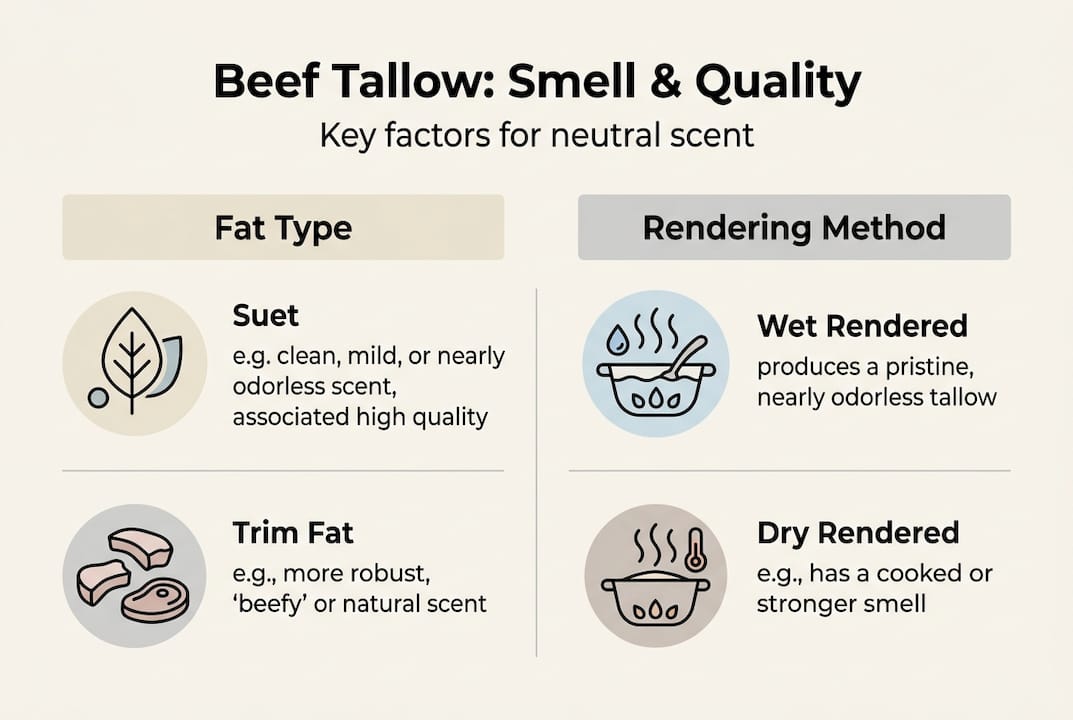
Rendering is the process of melting animal fat and separating it from impurities like blood, meat particles, and connective tissue. How you render determines everything about your final product, from color to texture to scent. Wet rendering uses water to gently heat the fat, allowing impurities to settle while the purified fat floats to the top. This method keeps temperatures lower and produces pale, mild-smelling tallow ideal for skincare. Dry rendering heats fat directly without water, often reaching higher temperatures that can break down proteins and create stronger beef aromas.
The type of fat you start with matters just as much as your method. Suet, the hard fat surrounding beef kidneys, contains fewer impurities than trim fat scraped from muscle cuts. Grass-fed suet tends to have an even milder natural scent and better nutrient profile than grain-fed options. When you combine high-quality suet with gentle wet rendering, you get tallow that smells clean and neutral, sometimes with a faint buttery note that most people find pleasant or barely noticeable.
Impurities left in the fat cause the sulfur-based compounds responsible for strong beef smells. Blood residue, tiny meat particles, and connective tissue all break down during heating and release odor molecules. Careful straining through cheesecloth or fine mesh removes these particles before they can affect your final product. Some crafters do multiple renders, melting and straining the tallow two or three times to achieve maximum purity.
Temperature control separates amateur rendering from professional-grade results. Heating fat above 250°F causes proteins to break down rapidly, releasing the compounds that create that distinctive cooked beef smell. Keeping your heat low and steady, around 200-225°F, preserves the fat’s natural mild character. This patience pays off in tallow that works beautifully for best tallow lotion uses without any off-putting scent.
Pro Tip: If you’re rendering at home, use a slow cooker on low rather than stovetop heat. The consistent, gentle temperature prevents scorching and produces cleaner-smelling tallow every time.
Key factors that determine tallow scent during rendering:
- Starting fat quality (suet versus trim, grass-fed versus grain-fed)
- Rendering method (wet versus dry, temperature control)
- Removal of impurities (straining frequency and thoroughness)
- Processing time (slow rendering preserves mild scent)
Why some beef tallow smells strong and how to avoid it
Trim fat, the bits scraped from meat cuts during butchering, contains significantly more blood vessels, connective tissue, and meat particles than clean suet. These impurities don’t just affect texture, they’re the primary source of strong beef odors that turn people away from tallow skincare. Commercial tallow often comes from trim fat because it’s cheaper and more available, but this economy comes at the cost of quality and scent.
Overheating remains the most common mistake in home rendering. When fat reaches temperatures above 250°F, proteins break down into sulfur compounds that smell distinctly like cooked meat or worse. Some poorly rendered tallow even develops a burnt odor that no amount of filtering can remove. This is why professional skincare-grade tallow producers invest in temperature-controlled equipment and never rush the process.
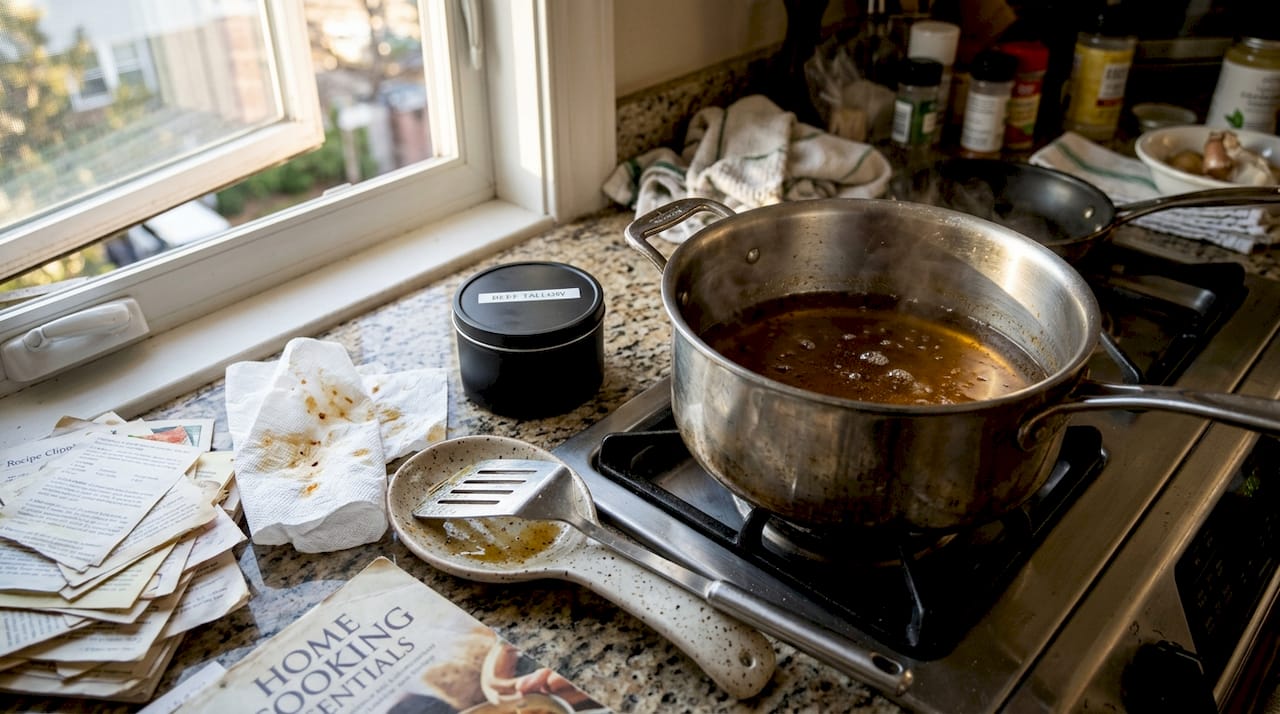
Insufficient straining leaves microscopic meat particles suspended in your finished tallow. These particles may not be visible, but they harbor bacteria and oxidize quickly, creating rancid or spoiled smells within weeks. Proper filtering through multiple layers of cheesecloth or professional-grade filters removes these particles completely. Some producers even use activated charcoal or baking soda during rendering to absorb odor molecules, though this adds an extra step.
Chilling your rendered tallow properly helps maintain its clean scent profile. Rapid cooling in an ice bath locks in freshness, while slow cooling at room temperature can allow bacterial growth on the surface. Once solid, scraping away any dark sediment from the bottom of your tallow block removes the last impurities that settled during cooling.
“High-quality tallow smells clean and fatty, never burnt or rancid. If your tallow has a strong beef smell, it wasn’t rendered with enough care.”
Purchasing from reputable sources eliminates guesswork about rendering quality. Look for producers who specify their rendering method, fat source, and quality standards. Transparency about process indicates a maker who understands how these factors affect the final product. Many people discover tallow skincare after reading about tallow skincare myths and learning that quality tallow doesn’t smell like beef at all.
Pro Tip: Before buying tallow in bulk, request a small sample to test the scent. Quality producers stand behind their product and will happily send a sample so you can verify the mild, neutral smell before committing to a larger purchase.
Common causes of strong tallow odor:
- Using trim fat instead of clean suet
- Rendering at temperatures above 250°F
- Inadequate straining of meat particles
- Skipping multiple render cycles
- Poor storage after rendering
Choosing and storing tallow for skincare without unpleasant smells
When selecting tallow for skincare, prioritize wet-rendered products from grass-fed beef suet. These specifications aren’t just marketing buzzwords, they directly impact scent and skin compatibility. Wet rendering keeps temperatures lower and produces the palest, mildest tallow available. Grass-fed animals produce fat with better fatty acid ratios and fewer chemical residues from grain-based feed additives. Suet, being the purest fat deposit, starts cleaner than any other beef fat source.
Testing scent sensitivity before committing to a product protects you from disappointment. Even high-quality tallow may have a faint natural scent that some noses detect while others don’t. Apply a small amount to your inner wrist and wait 10 minutes. The warmth of your skin will release any subtle odors present in the tallow. Skincare users report either no smell or a mild neutral scent safe for sensitive skin and babies, but individual perception varies.
Proper storage maintains the neutral scent you paid for. Tallow oxidizes when exposed to air, light, or heat, developing rancid odors over time. Transfer your tallow to opaque, airtight containers immediately after opening. Glass jars with tight-fitting lids work better than plastic, which can absorb and transfer odors. Store in a cool, dark place like a bathroom cabinet away from shower steam and window light.
Steps for storing tallow to maintain freshness:
- Transfer to clean, airtight glass containers immediately after purchase
- Store in a cool location away from direct sunlight and heat sources
- Keep containers tightly sealed between uses to minimize air exposure
- Use clean, dry utensils when scooping to prevent bacterial contamination
- Refrigerate if your home stays above 75°F regularly
Some people with extremely sensitive noses perceive faint scents even in the highest-quality tallow. This doesn’t mean the tallow is low quality, it simply reflects individual sensory differences. If you detect a very mild fatty or buttery note, that’s the natural scent of pure beef fat. It shouldn’t smell like cooked meat, burnt fat, or anything unpleasant. If it does, the rendering quality was poor.
Pro Tip: Adding a drop or two of skin-safe essential oil like lavender or chamomile can provide a subtle pleasant scent without harsh synthetic fragrances. This works especially well for storing tallow skincare naturally while maintaining the product’s natural character.
For families using tallow on babies or children with sensitive skin, following a safe skincare tallow checklist ensures you’re getting truly gentle products. The benefits of tallow for babies include deep hydration without synthetic ingredients, but only if you start with properly rendered, odor-free tallow.
Key selection criteria for skincare tallow:
- Wet-rendered from grass-fed beef suet
- Pale cream to white color indicating gentle processing
- Neutral to very mild scent, never strong or beefy
- Transparent sourcing and rendering information from producer
- Proper packaging in opaque, airtight containers
Comparing tallow types and rendering methods for optimal skincare use
Understanding the differences between fat sources and processing methods helps you make informed choices. Suet comes from around the kidneys and loins, where fat deposits remain cleanest and most protected from blood and tissue. Trim fat comes from everywhere else, mixed with varying amounts of meat, blood vessels, and connective tissue. This fundamental difference in starting material affects everything downstream.
Wet rendering submerges fat in water and heats both together, typically below 200°F. The water moderates temperature, prevents scorching, and allows impurities to settle or dissolve. After cooling, the purified fat solidifies on top while water and dissolved impurities remain below. This method produces brighter, milder-scented tallow ideal for skincare applications. Dry rendering heats fat directly, often reaching 250°F or higher, which speeds the process but risks protein breakdown and stronger odors.
| Factor | Suet (Wet Rendered) | Suet (Dry Rendered) | Trim Fat (Any Method) |
|---|---|---|---|
| Typical scent | Neutral to very mild | Mild to moderate beef | Moderate to strong beef |
| Color | Pale cream to white | Light yellow to cream | Yellow to dark yellow |
| Texture | Smooth, easily whipped | Slightly grainier | Can be grainy or uneven |
| Best use | Skincare, baby products | Cooking, some skincare | Primarily cooking |
| Impurity level | Lowest | Low to moderate | Moderate to high |
Cooking applications actually benefit from a mild beef flavor, which adds richness to roasted vegetables and sautéed dishes. Skincare demands the opposite, a completely neutral base that won’t compete with added essential oils or simply provide unscented moisture. This is why natural skincare benefits of beef tallow shine brightest when you start with the mildest possible rendering.
Criteria for selecting tallow by intended use:
- For unscented skincare: Wet-rendered grass-fed suet, pale color, tested odor-free
- For scented body products: Same quality base, with added natural essential oils
- For cooking: Dry-rendered suet or quality trim fat, mild beef flavor acceptable
- For soap making: Any rendering method works, as saponification neutralizes scent
- For baby products: Only wet-rendered grass-fed suet, extensively tested for purity
The investment in quality tallow pays dividends in user experience. Products made from carefully rendered suet feel luxurious, absorb beautifully, and never leave you wondering about strange smells. Cheaper tallow from trim fat might save money upfront but often ends up unused because the scent makes it unpleasant to apply.
Discover naturally rendered tallow for gentle skincare
Finding tallow that truly delivers on the promise of odor-free, natural skincare can feel overwhelming with so many options available. The difference between mediocre tallow and exceptional tallow comes down to sourcing and rendering care. Products made from wet-rendered, grass-fed beef suet offer the mildest scent profile and richest nutrient content for your skin.
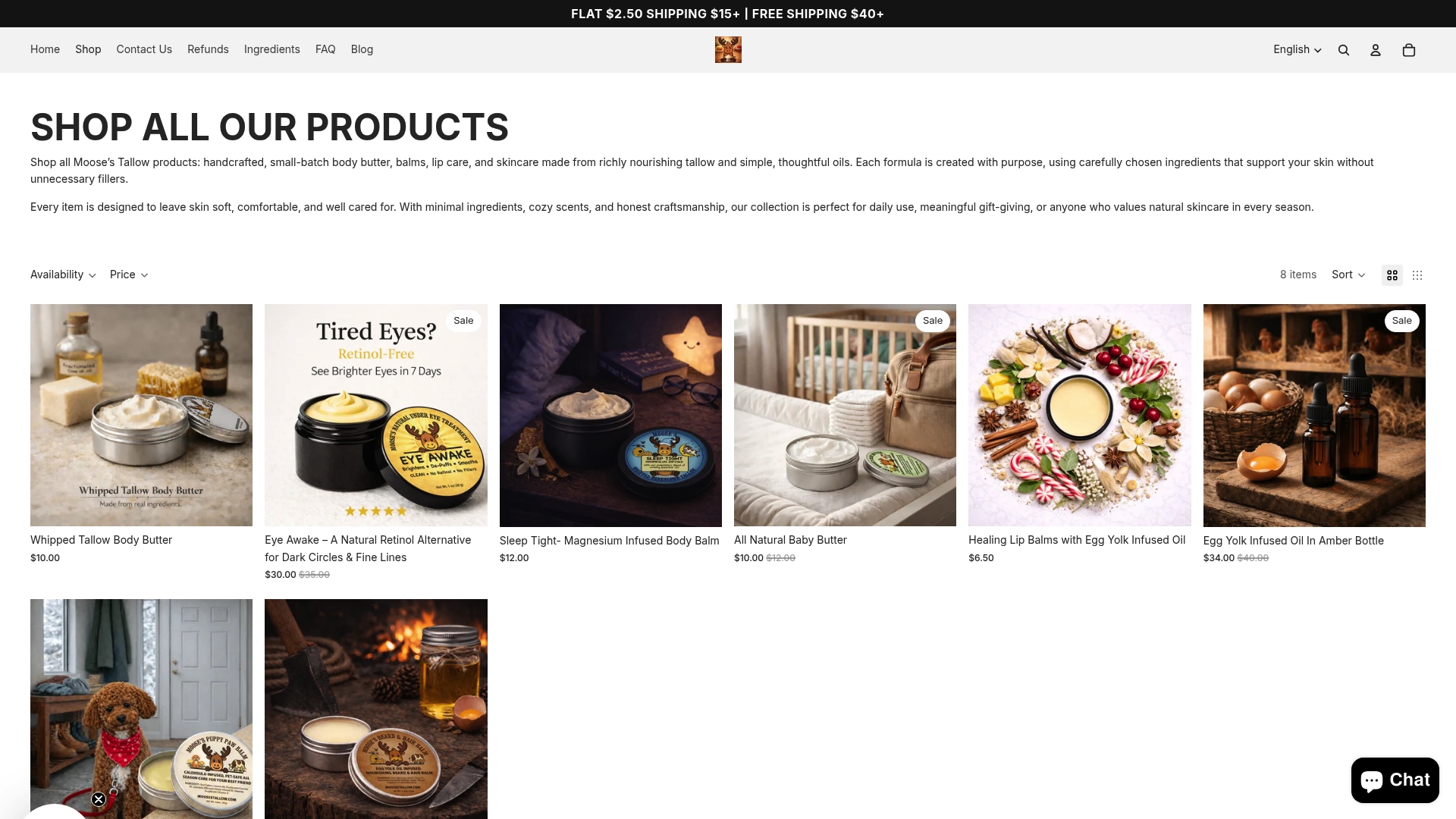
Our collection features tallow products crafted specifically for sensitive skin and families who want natural skincare without compromise. Every batch starts with carefully selected grass-fed suet, rendered slowly using traditional wet methods that preserve purity and eliminate strong odors. Customers consistently report either no detectable scent or a pleasant, barely-there neutral note that disappears after application. Whether you choose unscented formulas or varieties enhanced with warm, comforting natural scents, you’ll experience the difference that proper rendering makes. Browse our full range of tallow skincare products to find the perfect match for your family’s needs. Each product is handcrafted in small batches with transparency about ingredients and methods, so you can trust what you’re putting on your skin.
Does beef tallow smell?
Does properly rendered beef tallow smell like beef?
No, high-quality tallow rendered correctly has minimal to no beef smell. When producers use clean suet and gentle wet rendering methods, the result smells neutral or faintly buttery. Strong beef odors indicate poor rendering quality or use of trim fat with more impurities.
Why does some beef tallow have a strong smell?
Strong smells come from overheating during rendering, using trim fat instead of suet, or insufficient filtering of meat particles. These factors cause protein breakdown and leave impurities that create sulfur-based odors. Quality producers avoid these issues through careful temperature control and thorough straining.
Can I use beef tallow with a smell on my skin?
While not harmful, tallow with a noticeable beef smell often indicates lower rendering quality. The same factors that cause strong odors, impurities and overheating, can affect skin compatibility. For best results, especially on sensitive skin or babies, choose tallow with neutral scent from reputable sources.
How can I tell if beef tallow has gone bad?
Rancid tallow develops a distinctly sour, crayons-like, or paint-like smell very different from any beef odor. It may also change color, becoming darker or developing spots. Fresh tallow smells clean and mild, while spoiled tallow has an unmistakable off odor that tells you it’s oxidized.
What’s the best way to store tallow to prevent smell?
Store tallow in airtight glass containers away from light and heat. Keep containers tightly sealed between uses and always use clean utensils to prevent contamination. Properly stored tallow maintains its mild scent for months, while exposure to air and warmth causes oxidation and odor development.
Is grass-fed tallow less smelly than grain-fed?
Yes, grass-fed beef produces tallow with a milder natural scent and better fatty acid profile. The cleaner diet results in purer fat with fewer chemical residues. Combined with proper rendering, grass-fed suet creates the most neutral-smelling tallow ideal for skincare applications.
Recommended
- What is beef tallow: natural skincare benefits for 2026 – Moose’s Tallow
- Nourishing skincare with beef tallow: benefits explained – Moose’s Tallow
- How to Store Tallow Skincare Products Naturally for Best Results – Moose’s Tallow
- 7 Tallow Skincare Myths Every Mom Should Stop Believing – Moose’s Tallow


0 comments