

TL;DR:
- Fillers in pet balms are inactive ingredients that reduce effectiveness and may cause irritation.
- Choosing filler-free balms ensures concentrated, effective, and safer skin care for pets.
- Reading ingredient labels for common fillers helps owners select better, more transparent products.
Not every pet balm labeled “natural” is as pure as it looks. Many products on the shelf carry a long list of ingredients that do very little for your pet’s skin. Fillers are one of the biggest hidden issues in pet skin care, and most owners never think to check for them. This guide explains exactly what fillers are, how they affect your pet’s skin, and why choosing a filler-free balm is one of the simplest ways to give your pet better care.
Table of Contents
- What are fillers in pet balms?
- How fillers impact your pet’s skin health
- Benefits of choosing filler-free pet balms
- How to identify and avoid fillers in pet balm labels
- The bigger picture: What most pet owners miss about fillers
- Choose smarter for your pet’s health
- Frequently asked questions
Key Takeaways
| Point | Details |
|---|---|
| Fillers dilute benefits | Fillers lower the concentration of active ingredients, making pet balms less effective. |
| Filler-free is safer | Pet balms without fillers are less likely to cause irritation and better support skin health. |
| Read the ingredients | Always check labels for fillers and choose products with short, straightforward ingredient lists. |
| Brand transparency matters | Choose products from brands that clearly state ‘no fillers’ and prioritize pet-safe ingredients. |
What are fillers in pet balms?
Fillers are inactive ingredients added to a product that don’t provide any meaningful benefit to your pet’s skin. Manufacturers use them to bulk up formulas, improve texture on a budget, or simply cut production costs. The result is a product that looks and feels like it should work but delivers far less than it promises.
The most common fillers you’ll find in pet balms include:
- Starch (corn or potato based): used to thicken and add bulk
- Cellulose: a plant-derived fiber used as a cheap binding agent
- Artificial waxes: synthetic alternatives to natural waxes like beeswax, added for texture
- Mineral oil: a petroleum byproduct used to add slip and glide
- Silicones: create a smooth feel without actually nourishing skin
The problem is that fillers displace active ingredients, reducing the overall efficacy of the product and potentially causing digestive issues if your pet licks the balm. Even ingredients considered “generally safe” in low amounts can crowd out the beneficial ones that actually do the work.
Here’s a quick look at how fillers compare to active ingredients:
| Feature | Fillers | Active ingredients |
|---|---|---|
| Skin benefit | None | High |
| Cost to produce | Low | Higher |
| Nourishment | None | Moisturizes, heals, protects |
| Transparency | Often hidden | Clearly named |
| Safety concern | Possible irritant | Carefully chosen |
When you’re checking a label, it’s also worth reviewing the broader list of ingredients to avoid in any topical product. Knowing what to look for puts you in a much stronger position as a buyer.
How fillers impact your pet’s skin health
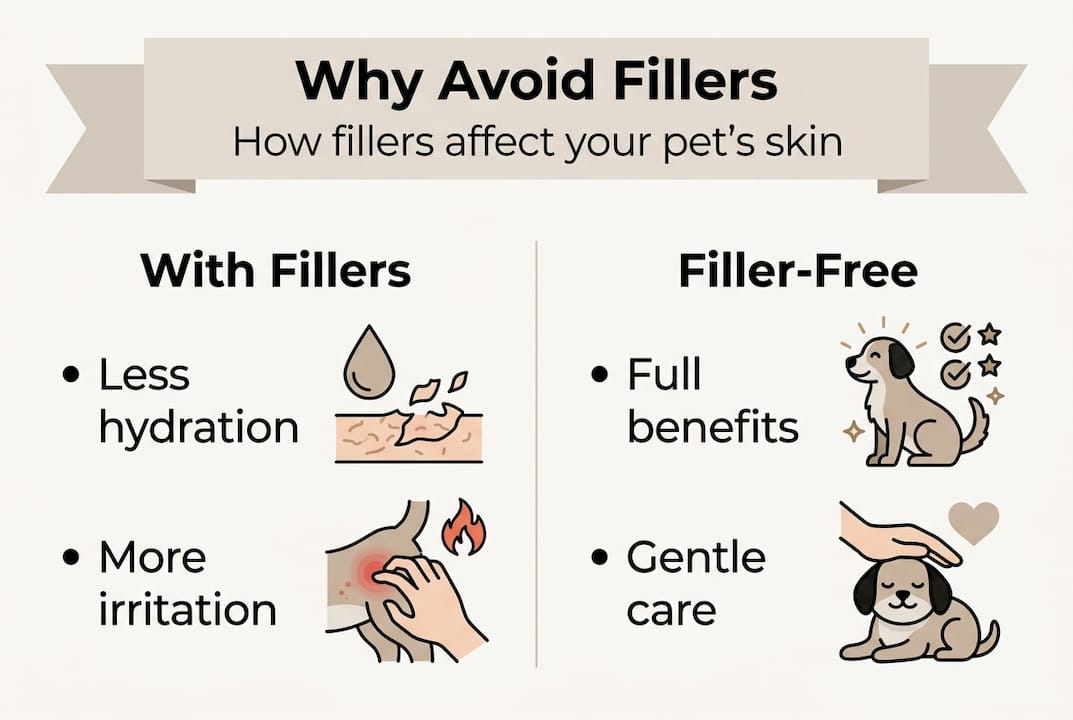
Fillers don’t just sit there passively. They actively compete for space in the formula, which means the ingredients that actually help your pet get diluted. A balm that’s 40% filler is only 60% capable of doing its job, at best.
Fillers reduce active ingredient concentration, making the product less effective overall. For pets with dry paws, cracked noses, or irritated skin, that difference matters. A weakened formula may not deliver the hydration or barrier support your pet actually needs.
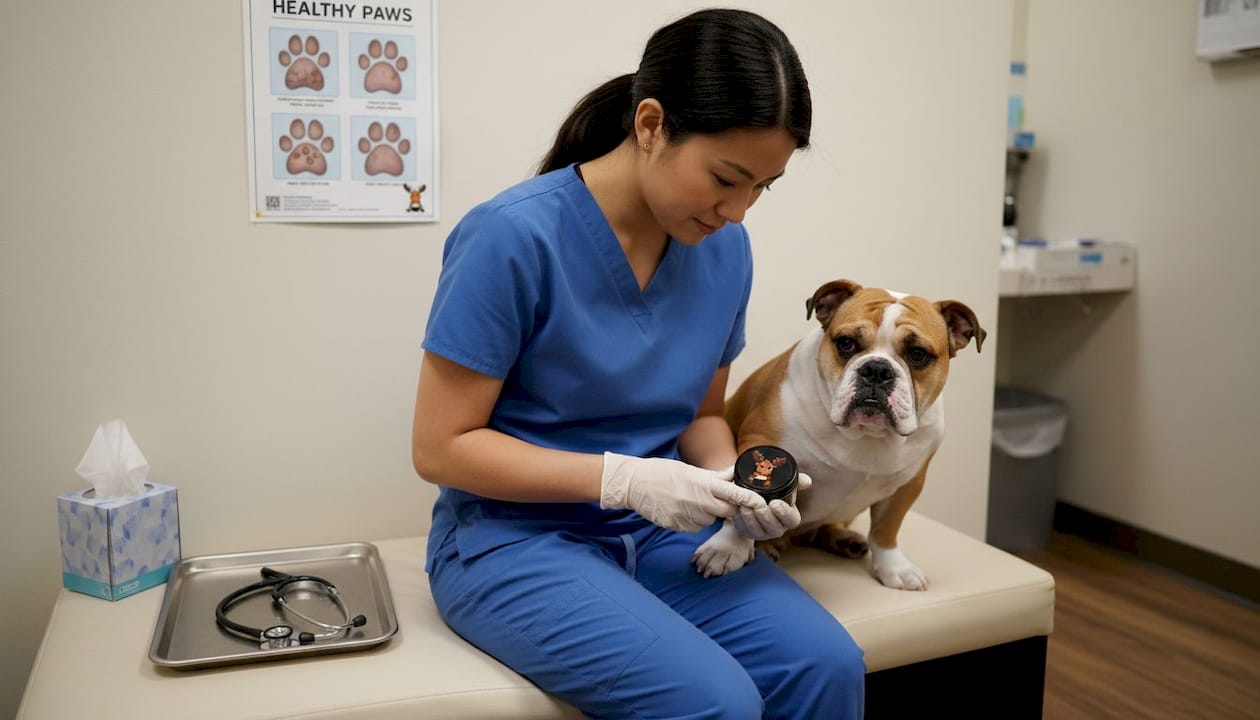
Sensitive pets face an added risk. Artificial waxes, synthetic thickeners, and certain starches can trigger mild allergic reactions or skin irritation, especially with repeated use. You might notice redness, flaking, or your pet pawing at the area after application.
Here’s a side-by-side look at what you can expect:
| Outcome | With fillers | Without fillers |
|---|---|---|
| Hydration | Reduced | Full and lasting |
| Healing support | Diluted | Concentrated |
| Skin irritation risk | Higher | Lower |
| Ingredient clarity | Unclear | Transparent |
| Overall value | Less per application | More per application |
Understanding the role of moisturizer in pet care helps you see why concentration matters so much. A properly formulated balm supports the skin barrier, locks in moisture, and promotes recovery. Fillers get in the way of all three. You can also explore tallow benefits for pets to understand what a truly active ingredient looks like by comparison.
Pro Tip: Before buying any pet balm, flip it over and read the full ingredient list. If you see more than a handful of ingredients and can’t identify what most of them do, that’s a red flag worth taking seriously.
Benefits of choosing filler-free pet balms
Knowing the risks of fillers naturally leads to the next question: what do you actually gain when you go filler-free?
The answer is straightforward. Every ingredient in the formula is there because it does something. Nothing is wasted. Nothing is hiding. That kind of intentional formulation means your pet gets more benefit from every single application.
Filler-free brands focus on nutrient-dense formulas where every component earns its place. That’s a very different standard than what most mass-market products follow.
Here are the top three reasons to choose filler-free pet balms:
- Better results: Concentrated formulas deliver more hydration, healing, and protection with every use.
- Lower reaction risk: Fewer unnecessary ingredients means fewer chances for irritation, especially for sensitive pets.
- Easier to trust: A short, clearly named ingredient list is a sign of honest formulation and real transparency.
“Our balms are made without fillers. It’s just concentrated, nutrient-dense ingredients.” This kind of commitment is what separates a truly clean product from one that just markets itself as natural.
Pro Tip: Look for brands that openly talk about what they don’t include. A brand that’s proud of its filler-free formula will usually say so clearly, not hide it in fine print.
When you find a product built around real ingredients, the difference shows up on your pet’s skin. Explore what makes handcrafted pet balms different, and learn more about the healing benefits of tallow as a core ingredient.
How to identify and avoid fillers in pet balm labels
With the benefits clear, here are practical tools for checking that your next balm is truly filler-free.
Ingredient lists are required to be listed in order of concentration, from highest to lowest. That means whatever appears first makes up the largest portion of the product. If a filler appears near the top, that’s a serious concern.
Most fillers are harmless in small amounts, but their presence still reduces the percentage of active ingredients in the formula. Even a small displacement adds up over time.
Follow these steps when evaluating a pet balm label:
- Read the full ingredient list, not just the front of the packaging
- Look up unfamiliar names: starch, cellulose, petrolatum, dimethicone, and mineral oil are common fillers
- Count the ingredients: a shorter list usually signals a more intentional formula
- Watch for vague terms like “base,” “bulking agent,” or “carrier” without specifics
- Research the brand: transparent companies share their sourcing and formulation philosophy openly
- Use a safe balm checklist to guide your comparison before buying
Taking five minutes to read a label before purchasing can make a real difference in what your pet actually receives from a product.
The bigger picture: What most pet owners miss about fillers
Here’s something worth sitting with: most pet owners assume that if a product is sold specifically for pets, it must meet a higher standard of safety and quality. That assumption is doing a lot of heavy lifting, and the industry knows it.
Marketing language like “natural,” “gentle,” and “vet-inspired” can mask an ingredient list full of common hidden ingredients that offer little real value. The label on the front is a sales tool. The ingredient list on the back is the truth.
The pet owners who get the best results are the ones who stay curious. They compare products, ask questions, and hold brands accountable. That kind of informed buying doesn’t just benefit your pet. It pushes the entire industry toward more honest, effective formulations. Every time you choose a filler-free product, you’re voting for a better standard.
Choose smarter for your pet’s health
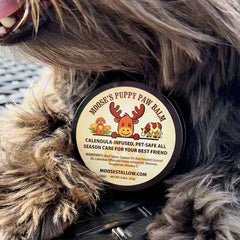
You now have the knowledge to read labels with confidence and spot fillers before they end up on your pet’s skin. At Moose’s Tallow, we believe every ingredient should earn its place. Our pet balms are made with carefully chosen, purposeful ingredients and nothing extra. No fillers, no synthetic padding, just honest formulations your pet can benefit from. Ready to put your label-reading skills to work? Shop all natural pet balms and see exactly what goes into every batch we make.
Frequently asked questions
What are the most common fillers in pet balms?
Starch and cellulose are among the most common fillers, along with artificial waxes and mineral oil, all used as inexpensive bulking agents that add volume without adding benefit.
Are fillers in pet balms unsafe for pets?
Most fillers are harmless in small amounts, but they reduce the balm’s overall effectiveness and may trigger mild irritation in pets with sensitive skin.
How can I quickly check if a pet balm contains fillers?
Scan the ingredient list for items like starch, cellulose, mineral oil, or the word “base,” and favor products with short, clearly named ingredient lists that you can actually recognize.
Do filler-free pet balms work better than those with fillers?
Yes. Fillers reduce active ingredient concentration, so filler-free balms deliver more concentrated nourishment and better results for your pet’s skin and coat.


0 comments