


Honest craftsmanship is the authentic expression of human skill, integrity in materials, and ethical creation at every stage of production. The term is widely used in artisan and consumer circles, but the recognized industry concept is ethical craftsmanship, which adds fair labor and ecological responsibility to the definition. Both phrases describe the same core commitment: making things the right way, with the right materials, by real human hands. The global handicraft market is valued at approximately $427 billion, which tells you how much people still hunger for goods made with genuine care. That number reflects a cultural shift, not just a shopping trend.
What is honest craftsmanship, and what qualities define it?
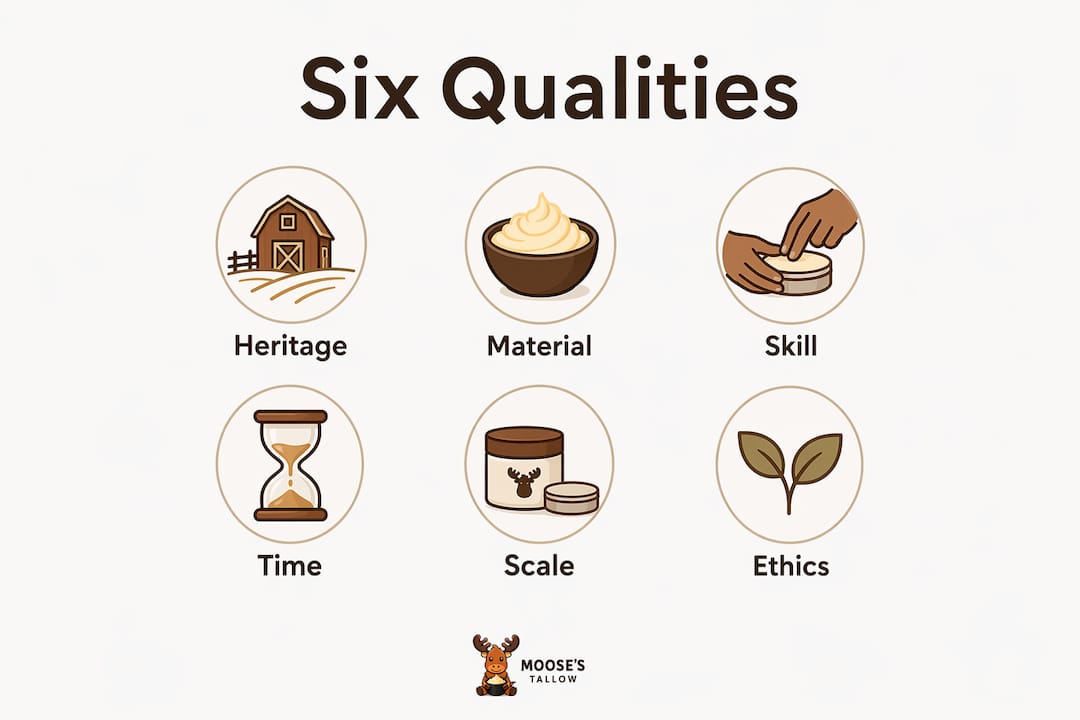
Honest craftsmanship passes six structural criteria: heritage technique, material honesty, irreplaceable maker skill, time investment, refusal to scale mechanically, and ethical labor. Each criterion separates real craftsmanship from products that merely look handmade. Remove any one of them and you get something that mimics the result without honoring the process.
Here is what each quality looks like in practice:
- Heritage technique. The maker uses methods passed down through tradition, not shortcuts invented to speed up production. A tallow renderer who uses low-heat rendering to preserve fatty-acid integrity is practicing heritage technique. A factory that dumps ingredients into a mixer is not.
- Material honesty. Material honesty means using materials according to their natural properties and structure. It reveals shortcuts and fake finishes the moment they appear. A water-free formula built on beef suet tallow is materially honest. A lotion whose first ingredient is water is not.
- Irreplaceable maker skill. The product requires a human being with trained judgment. A machine can replicate a stitch pattern, but it cannot feel when a batch of rendered tallow has reached the right consistency.
- Time investment. Honest craftsmanship takes longer. Small-batch production cannot be rushed without sacrificing quality.
- Refusal to scale mechanically. The maker chooses depth over volume. Small-batch production is a deliberate constraint, not a limitation.
- Ethical labor and ecological responsibility. Ethical craftsmanship integrates fair wages and environmental care at every production stage. It challenges the habit of prioritizing profit over values.
Pro Tip: When evaluating any handmade product, ask the maker which of these six criteria they can demonstrate with evidence, not just marketing language.
Why do consumers value honest craftsmanship over mass-produced goods?
Consumers value honest craftsmanship because they can feel the difference between something made for them and something made for a shelf. The psychology behind this is well documented. Researchers call it the labor illusion: when people perceive visible human effort in a product, they assign it greater worth and emotional meaning. That perception is not irrational. It reflects a real connection between maker and buyer.
“Consumers find unique handmade goods valuable as they express individuality and offer a window into the artisan’s intent.”
The Handmade Things We Value
Three reasons explain why this connection runs so deep:
- Identity expression. A handmade product carries the maker’s choices in every detail. Buyers use those choices to express who they are. A mass-produced item cannot do that because it was designed for everyone, which means it was designed for no one in particular.
- Meaning and story. Knowing that a person in Lebanon, PA rendered local beef suet tallow and whipped it by hand in a small batch changes how you feel about the product. The story is part of the value.
- Well-being and loyalty. Perceived craftsmanship strongly influences consumer well-being and brand loyalty, creating a high-culture experience linked to personal identity. Buyers return to makers they trust because the relationship feels real.
The contrast with mass production is sharp. A factory can produce ten thousand identical units in a day. None of them carry a story. None of them required a human being to make a judgment call. That absence is exactly what drives people toward honest craftsmanship.
How does the Verified Handcrafted Mark protect buyers in 2026?
The Verified Handcrafted Mark, launched in june 2026 by Nest, is the first major certification designed to confirm that human labor dominates a product’s creation over machine processes. It uses a sliding scale to assess how much genuine human skill went into each item. The higher the human labor score, the stronger the certification. This matters because industrial imitation of artisanal aesthetics has made it nearly impossible for buyers to tell real handmade goods from machine-made lookalikes without outside verification.
| Certification element | What it evaluates |
|---|---|
| Human labor dominance | Percentage of production completed by skilled human hands |
| Heritage technique use | Evidence of traditional methods versus automated processes |
| Material integrity | Confirmation that materials are used according to their natural properties |
| Ethical labor standards | Fair wages, safe conditions, and worker rights at every stage |
| Production scale | Whether volume limits protect quality and maker involvement |
The Verified Handcrafted Mark adds credibility that ethical labor standards alone cannot provide. A product can pay fair wages and still be assembled by machines. The certification closes that gap by requiring evidence of actual human skill in the making.
Pro Tip: When shopping for handmade goods, look for the Verified Handcrafted Mark or ask brands directly how they define “handmade” in their production process.
How can artisans and consumers recognize and support honest craftsmanship?
Recognizing honest craftsmanship requires looking past marketing language and examining the actual evidence. Machine-made products increasingly mimic artisanal aesthetics, which makes verification skills more valuable than ever. Both artisans and consumers can take concrete steps to protect the integrity of the handmade market.
For consumers:
- Look for certifications like Nest’s Verified Handcrafted Mark before buying.
- Read ingredient lists and material disclosures fully. A product with 52 ingredients, starting with water, is not built on material honesty.
- Ask where and how the product was made. Transparent makers answer without hesitation.
- Choose brands that publish their sourcing, production location, and batch size.
- Support handcrafted skincare and other artisan goods that show their work openly.
For artisans:
- Document your process. Photos, videos, and written descriptions of your technique build trust that no label can replace.
- Source materials with the same care you apply to your craft. Material honesty starts at the supply chain.
- Resist the pressure to scale beyond what your hands can control. Volume is not the goal. Quality is.
- Pursue certification where it is available. Third-party verification separates your work from industrial imitation.
The comparison below shows how genuine handmade production differs from machine-assisted production across key factors:
| Factor | Genuine handmade | Machine-assisted production |
|---|---|---|
| Skill requirement | Trained human judgment at every step | Programmed parameters, minimal human input |
| Batch size | Small, controlled, intentional | Large, standardized, volume-driven |
| Material use | According to natural properties | Optimized for cost and speed |
| Traceability | Maker can describe every decision | Process is proprietary or automated |
| Certification eligibility | Qualifies for Verified Handcrafted Mark | Does not qualify without human labor dominance |
The old-world skincare tradition is a strong example of how heritage techniques survive when makers refuse to trade depth for speed.
Key Takeaways
Honest craftsmanship is defined by six verifiable criteria, and only third-party certification like the Verified Handcrafted Mark can reliably confirm that human skill, material integrity, and ethical labor all meet that standard.
| Point | Details |
|---|---|
| Six structural criteria | Heritage technique, material honesty, maker skill, time, small-batch scale, and ethical labor define true craftsmanship. |
| Labor illusion drives value | Consumers assign greater worth to products where visible human effort is clear and traceable. |
| Certification closes the gap | The Verified Handcrafted Mark assesses human labor dominance to separate genuine handmade goods from machine imitations. |
| Material honesty is non-negotiable | Using materials according to their natural properties prevents shortcuts and builds lasting consumer trust. |
| Transparency is the proof | Makers who document their process, sourcing, and batch size give consumers the evidence they need to choose wisely. |
Why honest craftsmanship still matters more than ever
I started Moose’s Tallow after reading a lotion label that listed 52 ingredients, with water at the top. That moment was clarifying. I was not looking at a crafted product. I was looking at a formula engineered to fill a bottle cheaply and last on a shelf. The craft was gone. What remained was the appearance of care without the substance of it.
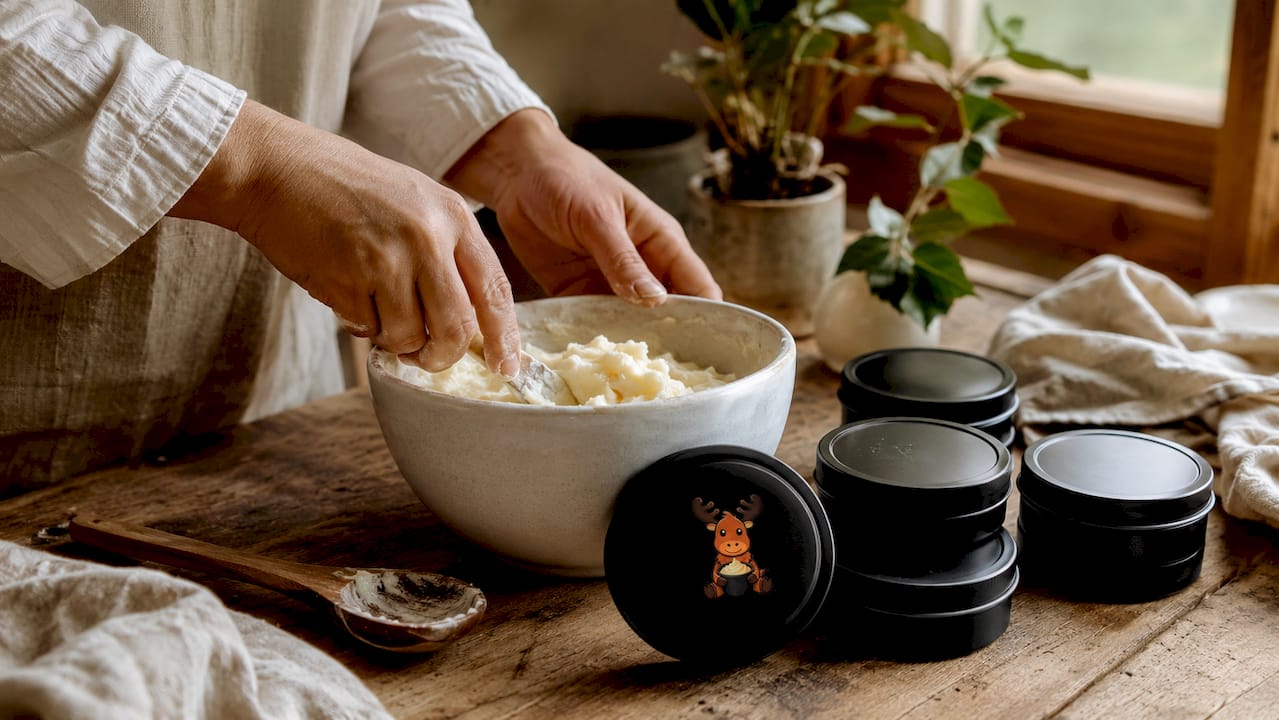
Honest craftsmanship is not nostalgia. It is a refusal to pretend. When I render local beef suet tallow in small batches in Lebanon, PA, I am making a choice that limits how much I can produce. That limit is the point. Every batch I can touch, smell, and evaluate before it ships. I know what went into it because I put it there. Fractionated coconut oil goes in because it is stable, resists oxidation, and absorbs cleanly. Beeswax goes in because it protects. Vitamin E goes in because it supports the formula. Nothing goes in because it fills space.
The $427 billion handicraft market tells me that consumers are paying attention. They are reading labels. They are asking questions. They are choosing makers who can answer those questions without hesitation. That is the most encouraging thing I have seen in years of making products by hand. The demand for authenticity is real, and it is growing. My advice to any artisan is simple: do the work the right way, show your process, and trust that the people who care will find you.
— Brian Smith
Moose’s Tallow and the standard of honest craftsmanship
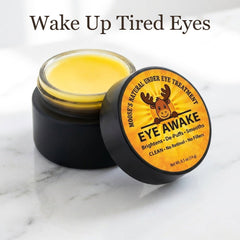
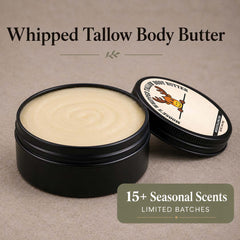
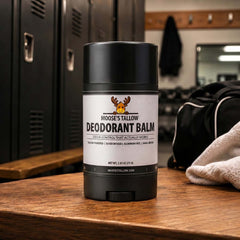
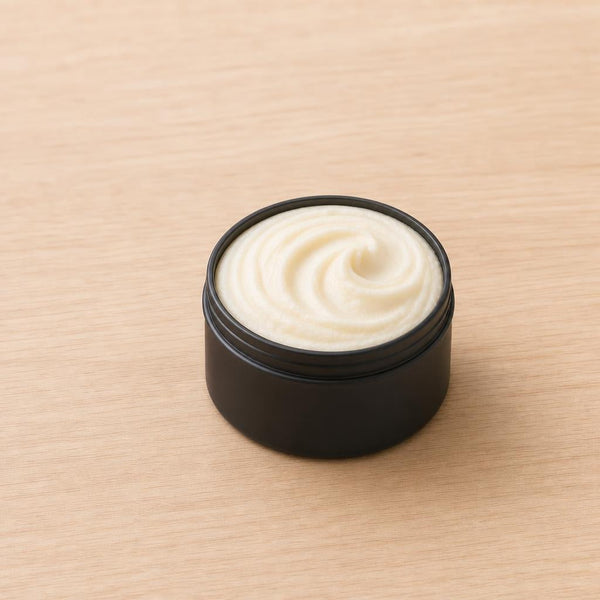
Moose’s Tallow builds every product on properly rendered local beef suet tallow, made in small batches in Lebanon, PA. The ingredient list is short because every item on it earns its place. Beef suet tallow, fractionated coconut oil, beeswax, vitamin E (tocopherols), jojoba, castor, and egg yolk infused oil are chosen for what they do, not to pad a formula. The Whipped Tallow Body Butter is a direct example of these principles in a finished product: water-free, minimal ingredients, and made by hand. Every order comes with a 30-day guarantee because the work stands behind itself. If you read ingredient labels and care about how your skincare is made, Moose’s Tallow was built for you.
FAQ
What is the definition of honest craftsmanship?
Honest craftsmanship is the authentic use of human skill, material integrity, and ethical production at every stage of making a product. The recognized industry term is ethical craftsmanship, which adds fair labor and ecological responsibility to the definition.
What are the six qualities of true craftsmanship?
True craftsmanship passes six criteria: heritage technique, material honesty, irreplaceable maker skill, time investment, refusal to scale mechanically, and ethical labor practices. All six must be present for a product to qualify as genuinely handmade.
How does the Verified Handcrafted Mark work?
The Verified Handcrafted Mark, launched in june 2026 by Nest, certifies products based on the dominant role of human labor over machine processes. It uses a sliding scale assessment to confirm that genuine skill, not automation, drives production.
Why do consumers prefer handmade goods over mass-produced ones?
Consumers value handmade goods because visible human effort increases perceived worth and emotional connection, a phenomenon researchers call the labor illusion. Handmade products also carry a maker’s story and express the buyer’s individuality in ways mass production cannot.
How can I tell if a product is genuinely handmade?
Look for third-party certifications like the Verified Handcrafted Mark, read full ingredient and material disclosures, and ask the maker directly about their process, sourcing, and batch size. Transparent makers answer those questions without hesitation.


0 comments