

What moisturizer effectiveness actually means
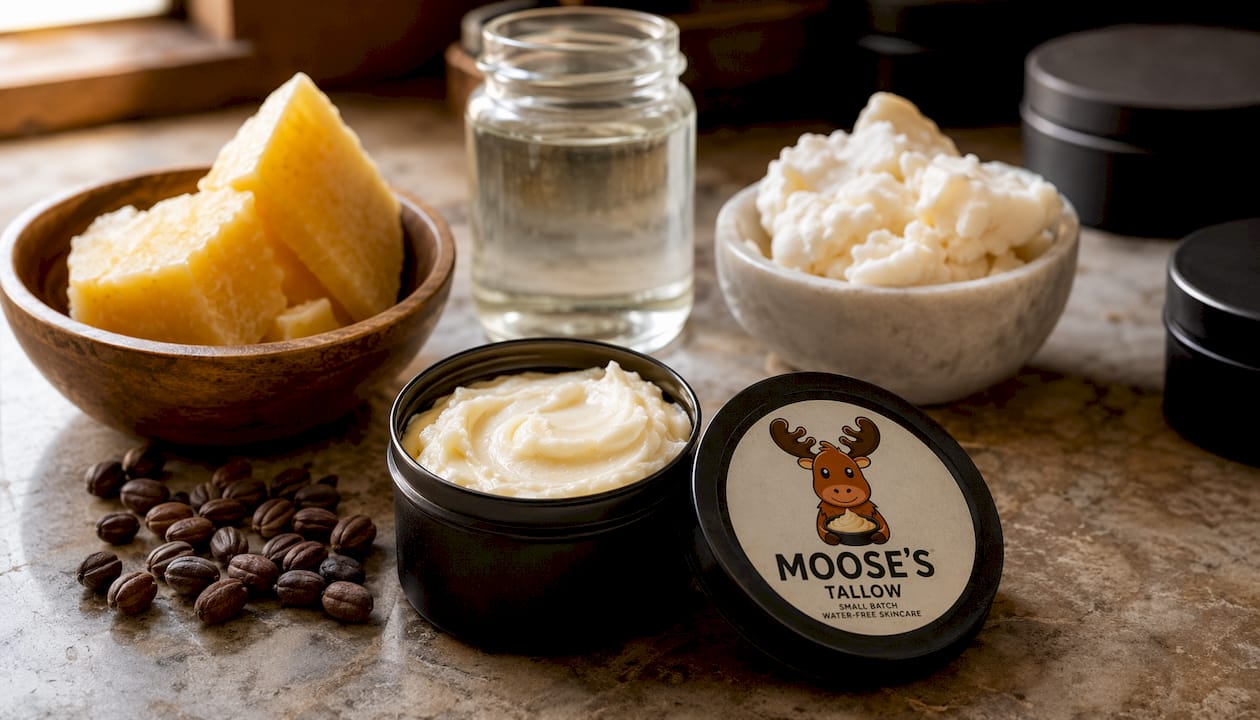
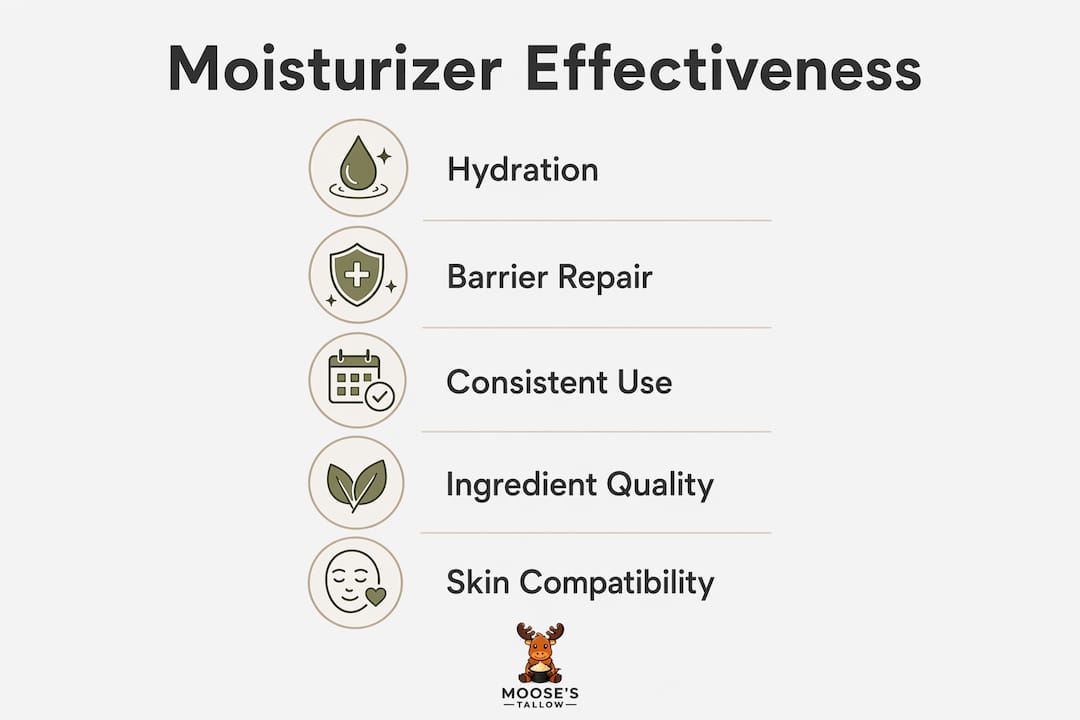
Moisturizer effectiveness is the measure of how well a product hydrates skin and restores its natural protective barrier. A truly effective moisturizer does two things: it prevents water loss and replenishes the lipids your skin needs to stay flexible and calm. Without both, you get temporary relief at best.
The three core components behind any effective formula are:
- Humectants attract water into the skin from the environment and deeper layers
- Occlusives form a protective layer that slows evaporative water loss
- Emollients fill in the gaps between skin cells, smoothing texture and reducing tightness
Consistent, routine use matters as much as the formula itself. One application gives you short-term comfort. Regular use is what actually repairs the skin barrier over time.
Which ingredients actually drive moisturizer performance
Not all ingredients are equal. The ones that work best tend to mirror what your skin already produces.
- Beef suet tallow has a fatty acid profile that closely resembles your skin’s own oils. It absorbs cleanly and supports barrier function without sitting on top of the skin.
- Fractionated coconut oil is our preferred carrier. It is stable, resists oxidation, absorbs easily, and extends shelf life. Unlike many common vegetable oils, it does not go rancid quickly.
- Beeswax acts as a natural occlusive, locking in moisture without clogging pores.
- Vitamin E (tocopherols) supports skin health and helps preserve the formula.
- Jojoba and castor contribute emollient properties, smoothing skin texture.
- Egg yolk infused oil adds naturally occurring nutrients that complement tallow’s lipid profile.
Physiological lipids like fatty acids support inside-out barrier repair, not just surface coverage. Ingredients that harmonize with natural skin lipids minimize irritation and work with your skin rather than against it. Stability matters too. An oxidation-resistant carrier oil keeps a formula performing from the first use to the last.
Why consistent application matters more than you think
Here is something most people overlook: regular moisturizer use outperforms formula complexity. A clinical trial found that consistent application produced similar improvements across very different moisturizer formulations. The routine, not the recipe, drove results.
- Apply morning and evening for best barrier support
- Use immediately after washing, while skin is still slightly damp
- Do not skip days during cold or dry weather, when barrier stress is highest
- Maximize moisturizing effects by layering on clean, product-free skin
Long-term use stabilizes the barrier and breaks the dryness-irritation cycle that so many people with sensitive skin know well. Short-term relief is easy. Lasting change takes repetition.
Why water-free tallow formulas work better for dry and sensitive skin
Water-based lotions require preservatives to stay stable. Those preservatives are a common source of irritation for sensitive skin. Remove the water, and you remove the need for them. Switching to a water-free formula reduces additives and often improves how reactive skin responds.
- No water means no preservatives like parabens or phenoxyethanol
- Higher concentration of active ingredients per application
- Tallow’s fatty acids absorb deeply because they match your skin’s own lipid structure
- Fractionated coconut oil keeps the texture light and non-greasy despite the formula’s richness
- Reduced ingredient count lowers the chance of a reaction on sensitive skin
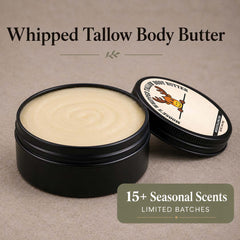
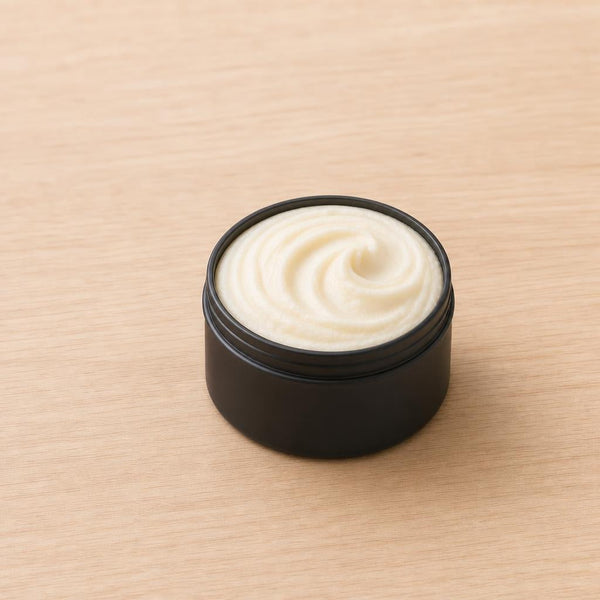
Moose’s Tallow’s Whipped Tallow Body Butter is built on this principle. Tallow is always the star. Every other ingredient earns its place. For people who have tried lotion after lotion and still feel tight or dry an hour later, the difference a water-free formula makes is real.
Pro Tip: Apply a small amount of water-free tallow balm to damp skin right after a shower. The occlusive layer seals in that surface moisture immediately.
How to choose and use a moisturizer that actually works
Selecting the right moisturizer starts with reading the label honestly.
- Choose fragrance-free formulas. Fragrance is one of the most common skin irritants.
- Look for short ingredient lists. Fewer ingredients mean fewer chances for a reaction.
- Prioritize ingredient transparency. If a brand will not tell you exactly what is in the product and why, that is a signal.
- Check for verified customer reviews and a satisfaction guarantee. Moose’s Tallow backs every order with a 60-day guarantee.
- Consider texture and absorption rate. A formula that sits on top of skin or feels greasy discourages consistent use, which undermines results.
- Small-batch, handmade production means fresher product and tighter quality control.
For natural moisturizers suited to sensitive skin, the formula should feel like it belongs on your skin, not like something you are tolerating.
How skin type changes what “effective” looks like
Moisturizer effectiveness is not one-size-fits-all. Dry skin needs heavy occlusive support and lipid replenishment. Sensitive skin needs fewer ingredients and no known irritants. Normal skin benefits from lighter emollients that maintain balance without overloading the barrier.
Tallow-based, water-free formulas tend to perform especially well for dry and sensitive skin because they deliver concentrated lipids without dilution. For very dry or compromised skin, an occlusive-rich formula like a tallow balm or whipped body butter covers all three bases: humectant support from ingredients like jojoba and castor, occlusive protection from beeswax, and emollient smoothing from tallow itself.
How researchers measure whether a moisturizer is working
Scientists use two primary tools. Corneometry measures electrical capacitance in the skin’s outer layer, the stratum corneum, to quantify hydration levels. Transepidermal water loss (TEWL) measurement tracks how much water evaporates through the skin surface, a direct indicator of barrier integrity.
A formula that reduces TEWL and raises corneometry scores is doing both jobs: sealing the barrier and increasing hydration. These are the standard measures used in clinical emollient research. When you see a moisturizer claim “clinically tested,” these are the tests that matter.
Common irritants in moisturizers and what they do to sensitive skin
The most frequent offenders in conventional moisturizers include:
- Preservatives (parabens, phenoxyethanol, formaldehyde releasers): required in water-based formulas, often irritating
- Synthetic fragrance: a broad category that can include dozens of undisclosed chemicals
- Emulsifiers: needed to blend water and oil, but can disrupt the skin’s natural lipid structure over time
- Alcohol: used as a texture agent, but drying and barrier-disrupting with regular use
- Colorants and dyes: no functional benefit, added irritant risk
For sensitive skin, every unnecessary ingredient is a potential problem. The skin barrier has physical, chemical, and immunologic layers that all need support. Introducing irritants undermines that support at every level. Simpler formulas with purposeful ingredients are not a compromise. They are the point.
Moose’s Tallow: honest skincare for dry and sensitive skin
If you have spent time reading labels and still feel let down by your moisturizer, Moose’s Tallow was built for exactly that frustration. Founder Brian “Moose” Smith flipped over a lotion bottle, saw 52 ingredients with water listed first, and decided there had to be a better way.
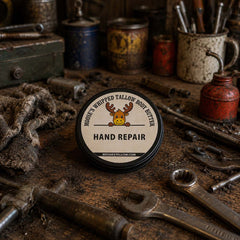
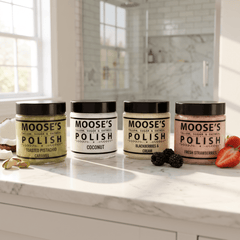
Every Moose’s Tallow product is water-free, handmade in small batches in Lebanon, PA, and built on properly rendered local beef suet tallow. It contains no fillers, synthetic preservatives, or questionable ingredients. The Beef Tallow Lip Balm and Whipped Body Butter are two of the most popular starting points for people new to tallow skincare. Both are backed by a 60-day satisfaction guarantee and real verified reviews. Try one and see what your skin does with ingredients it actually recognizes.
Key Takeaways
Water-free, tallow-based moisturizers outperform conventional water-heavy formulas for dry and sensitive skin by delivering concentrated lipids, eliminating preservatives, and supporting the skin barrier with ingredients that mirror the skin’s own oils.
| Point | Details |
|---|---|
| Effectiveness = hydration + barrier repair | A moisturizer must both reduce water loss and replenish skin lipids to work. |
| Consistency beats complexity | Regular application drives better results than any single formula, regardless of ingredients. |
| Water-free formulas reduce irritants | Removing water eliminates the need for preservatives, a common trigger for sensitive skin. |
| Ingredient match matters | Tallow’s fatty acid profile mirrors skin’s own oils, supporting deeper absorption and barrier function. |
| Moose’s Tallow | Small-batch, water-free tallow skincare with full ingredient transparency and a 60-day guarantee. |
FAQ
What does moisturizer effectiveness mean?
Moisturizer effectiveness measures how well a product hydrates the skin and restores its protective barrier by reducing water loss and replenishing natural lipids.
Does moisturizer really work for sensitive skin?
Yes, especially water-free formulas with short ingredient lists. Removing water eliminates preservatives that commonly irritate sensitive skin, and simpler formulas reduce overall reactivity.
How effective are tallow-based moisturizers compared to regular lotions?
Tallow’s fatty acid profile closely matches the skin’s own oils, allowing deeper absorption and stronger barrier support than many water-heavy conventional lotions.
What ingredients make a moisturizer most effective?
The most effective formulas combine occlusives (like beeswax), emollients (like tallow and jojoba), and humectants working together, with a stable carrier oil such as fractionated coconut oil.
How often should you apply moisturizer for best results?
Twice daily, morning and evening, applied to clean skin. Consistent routine use stabilizes the skin barrier and prevents the dryness-irritation cycle over time.
Recommended
- Natural moisturizers for sensitive skin: What actually works – Moose’s Tallow
- Process for Moisturizing Sensitive Skin: A Step-by-Step Guide – Moose’s Tallow
- Types of natural moisturizers: best picks for sensitive skin – Moose’s Tallow
- How to Maximize Moisturizing Effects for Softer Skin – Moose’s Tallow


0 comments