

The simplest safe choice is a barrier-focused balm with a short ingredient list. Look for an oil or tallow base plus a wax or zinc component, this combination supports the skin barrier, soothes irritation, and protects against moisture and friction. If the rash worsens or looks infected, call a pediatrician.
TL;DR:
- Use a barrier balm with zinc oxide or petrolatum as the main active ingredients for reliable skin protection and to support the skin barrier.
- Choose products with short, recognizable ingredient lists focusing on tallow, beeswax, and stable carrier oils like fractionated coconut oil for optimal safety and efficacy.
- Apply balm promptly at each diaper change after gentle cleansing and patting dry, with thicker layers for nighttime or severe irritation, and avoid using homemade recipes with risky ingredients.
- Watch for signs of worsening rash, blistering, or infection; seek medical evaluation if symptoms persist beyond three days or if the rash worsens despite consistent care.
- Stick to simple, water-free formulas built around beef tallow to minimize preservatives, reduce bacterial growth risks, and maintain transparency and consistency in ingredient quality.
Which natural ingredients to look for and which to avoid
Reading a diaper balm label is simpler than it looks. Two ingredients carry real, recognized support for skin protection: zinc oxide and petrolatum. The FDA’s skin-protectant monograph recognizes both as active skin protectants, and that distinction matters. Once a product makes a drug-level claim, it falls under different labeling rules than a basic cosmetic moisturizer.

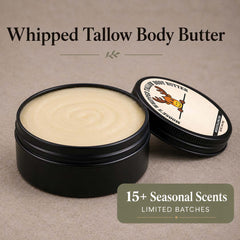
We build our formulas around beef suet tallow because its fatty-acid profile sits close to skin’s own oils. Tallow is water-free, which means there is nothing in the jar for bacteria to grow in and nothing to dilute the barrier-supporting fats.
Good labels often include:
- Fractionated coconut oil, our preferred carrier for its stability and resistance to oxidation.
- Beeswax, which helps seal in moisture and adds a protective layer.
- Vitamin E (tocopherols), included to help preserve the formula.
- Jojoba, castor, and egg yolk infused oil, each chosen for a specific skin-supporting role.
Avoid fragrances, camphor, benzocaine, salicylates, talc, and harsh preservatives. These add irritation risk without adding benefit. If you use cloth diapers, check that the balm will not stain or coat fabric, since heavy oils sometimes reduce absorbency over time.
Pro Tip: Keep a short list of ingredients you trust and compare every new label against it before buying.
How to apply a natural diaper balm at each change
A good routine matters as much as the balm itself. MedlinePlus recommends prompt diaper changes, gentle cleansing, and air exposure when practical, alongside a barrier product on clean, dry skin.
- Change the diaper as soon as you notice it is wet or soiled.
- Cleanse gently with water or a fragrance-free wipe.
- Pat the skin dry instead of rubbing.
- Apply the balm in a generous layer over the irritated area.
- Let your baby go diaper-free for a few minutes when you can.
If a clean layer of balm is already there, add more on top rather than wiping it all away. Mayo Clinic notes this reduces friction from repeated scrubbing. For cloth diapers, use a thin layer or switch to disposables until the rash clears, since some balms resist washing out. At bedtime, apply a thicker layer to hold up through longer stretches between changes.
Homemade remedies, coconut oil, and safety cautions
Coconut oil shows up often in homemade diaper balm recipes, and the curiosity is understandable. A 2017 study looked at topical coconut oil in very preterm infants over 21 days and found no adverse effects. That is a narrow finding in a fragile population, not proof that coconut oil treats rash in typical babies. If you try any new oil on your baby’s skin, patch-test a small area first.
Some kitchen ingredients that show up in DIY recipes are not safe for diaper rash:
- Baking soda, which can irritate broken skin.
- Boric acid, which is toxic in babies.
- Talc powders, which carry inhalation risk.
- Camphor and benzocaine, both linked to serious reactions in infants.
A store-made balm offers something a kitchen recipe cannot provide: a stable, repeatable formula with a known carrier and a labeled concentration of zinc oxide or petrolatum. Consistency matters more than most parents expect. Whatever balm you choose, remember it supports your routine. Moisture control and frequent changes remain the main defense.
Warning signs and when to contact a clinician
A balm can soothe and protect, but it is not a substitute for medical judgment. HealthyChildren.org, from the American Academy of Pediatrics, lists clear signs that call for a pediatrician’s input.
Reach out if you notice:
- The rash worsening or spreading despite consistent care.
- Blisters, open sores, or pus.
- Fever alongside the rash.
- Extreme tenderness when the area is touched.
- No improvement within about 2 to 3 days of consistent barrier-cream use, which signals it is time for a professional look.
Very young infants and preterm babies warrant a lower threshold for calling a clinician. Some rashes turn out to be fungal and need an antifungal treatment, not a barrier balm. Never try to treat a severe or unusual-looking rash with an untested home remedy.
Why our tallow formulas focus on simple, intentional ingredients
We build every product around beef suet tallow because it is close to what skin already makes. There is no water in our formulas, so there is no need for the long preservative lists that come with water-based lotions. Fractionated coconut oil and beeswax round out the base, chosen for stability and barrier support rather than scent or marketing appeal.
Brian Smith started this brand after reading his own lotion label and finding 52 ingredients, with water listed first. That moment shaped how we formulate everything now.
- Every ingredient earns its place. Nothing is filler.
- We never add olive, shea butter, avocado, or other vegetable oils as substitutes for tallow.
- Products are handmade in small batches, with full ingredient transparency on every label.
- Every order carries a satisfaction guarantee.
Pro Tip: Choose the balm that matches your routine, whether that’s daily diaper care, occasional soothing, or time outdoors.
A founder’s note on keeping baby skincare simple
I started this brand because I wanted ingredients I could actually explain to my own family. A short list, chosen on purpose, does more for skin than a long one padded with filler. A good balm is one part of a routine built around dryness, airflow, and frequent changes.
If you want to see how a water-free tallow formula feels on your baby’s skin, we back every order with our 30-day guarantee.
— Brian Smith
Our recommended balms and where to find them
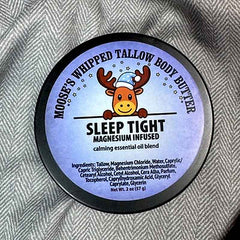
We offer three products that fit different diaper-care needs. For daily use, Baby Bum Butter combines tallow and zinc in a simple, water-free base. For skin that needs extra soothing, our Natural Tallow Baby Butter with Calendula & Chamomile adds calming botanicals to the same tallow foundation. For time outdoors, our Tallow & Zinc Outdoor Sun Balm offers longer-wearing barrier protection.
- Choose Baby Bum Butter for everyday diaper changes.
- Choose the calendula and chamomile butter for sensitive or irritated skin.
- Choose the outdoor balm for sun and extended wear.
If you use cloth diapers, apply a thin layer and watch how the fabric responds over a few washes. Every order ships with our 30-day guarantee, so you can try a balm without risk. Browse our full collection to find the fit for your family.
FAQ
What soothes diaper rash naturally?
A barrier balm with zinc oxide or petrolatum, applied on clean, dry skin, helps soothe irritation according to MedlinePlus. Frequent diaper changes and brief air exposure support the same goal. A water-free tallow base can also help by resting close to skin’s own oil profile.
What is the most natural diaper rash cream?
Look for a water-free formula with a short, recognizable ingredient list, such as tallow, zinc oxide, and a stable carrier oil. Mayo Clinic notes that ingredients and routine matter more than any particular brand name.
What is the best homemade diaper rash cream?
There is no well-tested homemade recipe that matches the reliability of a labeled, store-made balm. Some kitchen ingredients, including baking soda and talc, carry real safety risks for babies. A consistent, barrier-based product remains the safer choice for regular use.
Can you use coconut oil as diaper balm?
Research on coconut oil and skin is limited. One 2017 study tested it on very preterm infants over 21 days and found no adverse effects, but that does not confirm it works for general diaper rash. Patch-test first, and watch for any irritation before regular use.
Sources
- Diaper rash: MedlinePlus Medical Encyclopedia
- Topical coconut oil in very preterm infants (2017) — PubMed
- Diaper rash and your baby — HealthyChildren.org (AAP patient info)
- Diaper rash — Diagnosis & treatment — Mayo Clinic
0 comentarios