

Most drool rashes clear up with gentle washing, thorough drying, and a fragrance-free barrier ointment applied a few times a day. Give it a few days of consistent care before expecting real change. Call your pediatrician if the skin looks painful, spreads fast, oozes, blisters, or your baby runs a fever.
TL;DR:
- Most drool rashes improve within a week of gentle cleaning, thorough drying, and frequent barrier ointment reapplication, but persistent or worsening cases require pediatric consultation.
- Using plain petroleum jelly or a water-free, tallow-based balm provides effective moisture barriers without irritation, avoiding fragranced wipes, alcohol, talc, and numbing teething gels.
- Ensure dryness by patting skin dry and allowing some air exposure, especially in folds and in between bib changes, to prevent trapped moisture that prolongs rashes.
- Fungal, heat rash, eczema, or infection signs demand medical evaluation, as appearance alone cannot confirm the cause, and improper treatment may worsen the condition.
- Consistent habits like changing to cotton bibs, washing with fragrance-free detergent, avoiding softeners, and wiping after feedings help prevent drool rashes from recurring, especially during hot months or when starting solids.
How Do You Treat Drool Rash at Home?
Drool rash treatment is mostly about routine, not products. Saliva sits on delicate cheek and chin skin, breaks down its natural barrier, and leaves it raw and pink. The fix is simple: clean it, dry it, protect it, repeat.

Clean gently, twice a day
Wash the area with warm water and a soft washcloth. Skip soap unless your baby’s skin is visibly dirty, and never scrub. Pediatric guidance points to gentle wiping with warm water as the first step, not a strong cleanser. Twice a day is usually enough. More than that, and you risk stripping the skin further.
Dry completely before covering up
Pat the skin dry with a clean towel. Don’t rub. Rubbing irritates skin that’s already inflamed. When it’s safe and warm enough, let your baby have some bare-skin time so air reaches the chin and neck folds. Damp skin trapped under a bib or in a chin fold is exactly what keeps a rash going.
Apply a barrier, then reapply often
This is the step most parents undertreat. A thin layer of a fragrance-free ointment forms a physical shield between skin and the next round of drool. Ask your child’s doctor which barrier cream or ointment they recommend, since pediatric sources suggest getting that guidance directly rather than guessing.
Here’s a routine you can repeat all day:
- Wipe the chin, cheeks, and neck folds with warm water on a soft cloth.
- Pat dry completely, especially in creases.
- Apply a thin layer of barrier ointment while skin is still slightly damp; it helps the product spread and seal.
- Reapply after feedings, naps, and any heavy drooling spell.
- Swap the bib for a dry one as soon as it’s damp.
Feedings and naps are the two moments drool pools longest, so treat those as your natural checkpoints for reapplying.
If the rash isn’t budging after several days of this routine, don’t add more products. Adding a second or third cream at once makes it harder to tell what’s helping and what’s making things worse.
Pro Tip: Keep a small tin of barrier ointment in your diaper bag, not just at the changing table. The moment you notice a damp chin during a stroller walk or a car ride is the moment to reapply, not two hours later.
For a broader look at calming irritated patches beyond the mouth and chin, this step-by-step method for soothing irritated skin walks through the same clean, dry, protect logic in more detail.
Choosing Products and Ingredients: What Helps and What to Avoid
Not every product marketed for baby skin belongs near a drool rash. The category is crowded, but the job is simple: block moisture, avoid irritants, keep the ingredient list short.
Plain petroleum jelly is the baseline barrier most pediatric sources point to. It’s cheap, effective at sealing in moisture, and rarely causes a reaction. Its downside is that it sits on top of skin rather than working with it, so it does nothing for the dryness that often comes with constant washing. Zinc oxide ointments add mild protective properties on top of the barrier effect, which is why they show up often in diaper rash care too.
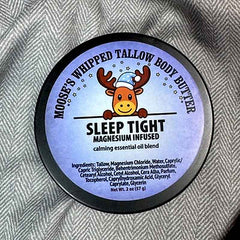
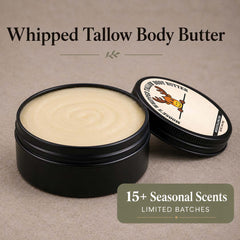
Water-free balms behave differently. A tallow-based balm carries a fatty acid profile closer to what skin already produces, so it can absorb rather than just sit on the surface. When that tallow is blended with fractionated coconut oil as the carrier, you get a formula that resists going rancid, spreads easily, and holds up on a shelf far longer than oil-heavy blends. That combination of barrier support and absorption is why we build our own baby balm around it instead of diluting it with water and preservatives.
What to keep away from your baby’s face:
- Fragranced baby wipes — added scent is a common irritant on broken or inflamed skin.
- Alcohol-containing wipes — they dry skin out further and can sting on raw patches.
- Talc or baby powders — they can cake in moist folds and worsen irritation rather than absorb it.
- Teething gels with numbing agents — these aren’t drool rash treatment at all, and some contain numbing ingredients that aren’t considered safe for infants.
- Fabric softeners on bibs and burp cloths — residue rubs directly against the rash all day.
Before using any new product on your baby’s face, patch-test it on a small area of the forearm or leg first. Wait 24 hours. If you see redness, bumps, or your baby seems bothered by it, stop and try something else. That one extra day of caution beats discovering a reaction on delicate facial skin.
When Drool Rash Isn’t Simple: Fungal, Eczema, Heat Rash, or Infection
Plain drool rash looks like mild pink or red patches on the chin, cheeks, and sometimes the neck. It responds to the cleaning and barrier routine within several days. When it doesn’t, or when it looks more aggressive than “mildly irritated,” something else may be going on.
Watch for these signs that mean it’s time to call your pediatrician:
- Fever or your baby seems generally unwell
- Rash that’s spreading beyond the usual drool zone
- Pain when the area is touched, or your baby seems distressed by it
- Blisters, open sores, or pus
- No improvement, or worsening, after a week of home care
Seattle Children’s advises against assuming every facial rash is simple drool rash. A rash lasting more than seven days, or one paired with fever, spreading redness, sores, or marked itching, needs a medical look.
Fungal rashes are the most common lookalike. Candida favors warm, damp spots, which makes chin folds and neck creases prime territory. A fungal rash often shows deeper redness concentrated in the folds themselves, sometimes with small satellite bumps just outside the main patch. Appearance alone can’t confirm it though, and that matters because starting an antifungal cream on a baby’s face without direction isn’t something to do on your own.
Heat rash tends to show up as tiny bumps in warm, covered areas rather than the wider pink patches of drool irritation, and it usually fades once the skin cools down. Eczema often appears drier, flakier, and itchier, and it tends to show up in other spots too, not just where drool pools. None of these distinctions are things you need to diagnose yourself. When you call your pediatrician, describing the timing, appearance, and any other signs like fever or feeding changes helps them sort it out quickly, often without needing an office visit at all.
Prevention: Simple Habits That Keep Drool Rash From Coming Back
Treating a drool rash matters less than stopping it from returning every few weeks. A handful of small habits do most of the work.
- Choose cotton bibs and swap them often. Cotton breathes better than plastic-backed fabric, and a damp bib against skin all afternoon undoes any good you did that morning.
- Take bibs off before naps and bedtime. A bib left on during sleep traps drool against the chin for hours, which is exactly the moisture that starts a rash.
- Wash bibs and burp cloths in fragrance-free detergent. Skip fabric softener entirely. Softener residue sits on fabric and rubs against skin with every movement.
- Wipe and dry after every feeding, not just when you remember. This one habit change often does more than any cream.
- Give bare-skin air time when it’s warm enough. Skin that gets a break from fabric and moisture heals faster and stays calmer.
Watch for seasonal shifts too. Hot, humid months mean more drool sitting on skin longer, and starting solids often ramps up drooling as babies mouth new textures. Both are good moments to tighten up your routine before a rash starts, not after.
For a broader look at building these habits into daily care, this guide to infant moisturizing routines covers timing and product layering in more depth.
Why Choose Gentle, Transparent Formulations?
Baby skin doesn’t need a long ingredient list. It needs the right one. That’s the whole idea behind Moose’s Tallow.
Every balm starts with properly rendered local beef suet tallow, never water, never filler. We use fractionated coconut oil as our carrier because it’s stable, resists going rancid, and absorbs cleanly, unlike oils that turn heavy or go off quickly. Small-batch production means every ingredient is chosen on purpose, not padded in to lower cost.
For parents considering a barrier balm for their baby:
- Look for water-free, low-dilution formulas over long ingredient lists.
- A little goes a long way, so a thin layer is usually plenty.
- Always check with your pediatrician before introducing any new product to irritated skin.
Simple, Parent-Tested Routines From the Founder
I started this brand after reading a lotion label with 52 ingredients, water listed first. That’s not what I want on my own skin, and it’s not what I want near my kids’ faces either. Simple, honest formulations were the whole point from day one.
Most drool rashes are ordinary and pass with basic care in a matter of days. Trust your instincts, follow your pediatrician’s guidance on anything that looks off, and reach out to us anytime with product questions. We’re happy to help you figure out what belongs in your baby’s routine.
— Brian Smith
A Gentler Barrier Option for Drool Rash
Most drugstore barrier ointments work fine, but they’re built the same way most lotions are: long lists, water first, fillers doing the bulk of the work. Moose’s Tallow takes the opposite approach. Our Baby Bum Butter is built on properly rendered local beef suet tallow with zinc, formulated water-free with minimal dilution, so every ingredient is doing a job on your baby’s skin, not sitting there as filler.
It’s designed with barrier support in mind, whether you’re using it on drool-prone cheeks and chins or the diaper area it’s named for. If your baby’s skin reacts to fragrance or heavy synthetic bases, this is worth trying instead. For skin needing extra soothing beyond the face, our Trail Relief balm and full product lineup are built on the same water-free, tallow-first philosophy. Browse the collection and pick a barrier balm that matches your baby’s routine.
This article is general information, not a substitute for advice from a qualified doctor. Consult a qualified healthcare professional about your own circumstances before acting on anything here.
Sources
FAQ
How long does drool rash take to go away?
Most drool rashes improve within a few days to about a week once you start consistent gentle cleaning, drying, and barrier ointment application. If it hasn’t improved after a week, or it worsens at any point, check with your pediatrician rather than continuing home care alone.
How can I tell if drool rash is fungal?
Fungal rashes tend to show deeper, more persistent redness concentrated in moist folds, sometimes with small red bumps just outside the main patch. Appearance alone can’t confirm a fungal cause, so a clinician exam is the reliable way to know, and antifungal creams shouldn’t be started on a baby’s face without that guidance.
What can be mistaken for drool rash?
Heat rash, eczema, and fungal infections are the most common lookalikes. Heat rash shows as tiny bumps in warm covered areas, eczema tends to be drier and itchier and often appears elsewhere on the body too, and fungal rashes concentrate in folds with a deeper red tone.
Can I put Aquaphor on baby drool rash?
Petroleum-based ointments like Aquaphor are a common first-choice barrier for drool rash, but ask your pediatrician before starting any new product on irritated facial skin. Some parents prefer a water-free, tallow-based balm instead, since it’s built without water or heavy dilution.
Does what my baby eats affect drool rash?
Starting solid foods often increases drooling temporarily, which can bring on more frequent flare-ups even with good skin care. Sticky or acidic foods left on the skin can add extra irritation, so a quick wipe and dry after meals matters just as much as it does after regular feedings.
0 comentarios