

Grass fed tallow works as a natural occlusive that can ease very dry or compromised skin by slowing water loss. The evidence behind it is limited, not a medical treatment, and it can irritate acne-prone or reactive skin. Choose properly rendered, water-free tallow products with a stable carrier oil like fractionated coconut oil, and you get a simple, focused option worth trying.
TL;DR:
- Tallow’s benefit for dry skin relies on its occlusive, water-retaining properties, which may provide relief but lack extensive clinical proof.
- Properly rendered, water-free tallow contains fatty acids similar to skin’s own sebum, with grass-fed sources offering marginal nutritional advantages.
- Tallow is most effective on very dry, cracked, or rough patches, especially on the body, but can clog pores or irritate sensitive facial skin.
- To minimize risks, patch test first, use fragrance-free, properly sourced products, and store in cool, dry conditions to prevent rancidity.
- Look for small-batch, grass-fed, water-free tallow products with simple ingredients like fractionated coconut oil, beeswax, and vitamin E for safe application.
What Are the Real Benefits of Tallow-Based Skincare?
Tallow works as an occlusive. That means it sits on skin and slows water loss, which helps very dry, cracked, or flaky patches feel calmer. For people who deal with tight winter skin or rough heels, that simple mechanical action does most of the work.
Its fatty-acid makeup is close to what your own skin produces. Dermatologists note that tallow’s fatty acids resemble human sebum, which is part of why it can feel less greasy than plant oils with a different fat profile. That resemblance is a plausible reason skin might accept it more readily, though it’s not a guarantee of results.
Water-free formulas concentrate the good stuff. Skip the water, and a balm or butter can carry more of its skin-friendly lipids without needing a long list of preservatives to keep it stable.
Tallow shines in specific spots, not everywhere:
- Lips that crack in cold or dry weather
- Hands and knuckles that see constant washing
- Elbows, knees, and heels prone to rough patches
- Dry body skin overall, especially after a shower
Pro Tip: Save tallow-based balms for your driest zones. Oily or acne-prone facial skin usually does better with something lighter.
One honest note here: clinical evidence for beef tallow’s skin benefits is still limited. It supplies real fatty acids and trace vitamins, but researchers haven’t run the kind of large studies that prove dramatic results. Treat it as a solid, traditional emollient. Not a miracle fix.
Why Does Tallow Work on Skin?
Three fatty acids do most of the work in tallow: oleic acid, palmitic acid, and stearic acid. These are the same building blocks found in your skin’s own oil. That overlap is why tallow tends to absorb without leaving a heavy film the way some plant oils do.
Occlusion is the mechanism, and formulation decides the feel. A thin layer of tallow forms a light barrier over skin, holding moisture in rather than adding moisture itself. Whip it with air and blend it with a lighter carrier oil, and it feels soft, not greasy. Leave it dense and unblended, and it can feel heavy fast.
Grass-fed sourcing brings a small nutritional shift. Grass-fed tallow carries slightly more CLA and omega-3 fatty acids than grain-fed tallow, but the difference is modest. For most people, grass-fed matters more as a sourcing and transparency choice than a dramatic skin-performance upgrade.
Water-free formats change the whole equation compared to a typical lotion:
- No water means fewer preservatives are needed to prevent bacterial growth
- Anhydrous formulas can carry higher concentrations of active ingredients since nothing gets diluted down
- Less dilution means the tallow itself, not filler, does the work
That last point matters if you’ve ever read a lotion label and found water listed first, followed by 40 other ingredients.
Is Tallow Right for Your Skin Type?
Some skin types get real value from tallow. Others should approach it carefully, or skip it altogether. Here’s how to sort yourself:
- Dry, flaky, or barrier-compromised skin is the strongest match. If your skin feels tight after washing or cracks in cold weather, an occlusive like tallow can bring real comfort.
- Outdoor workers and people exposed to wind or cold often find a simple balm holds up better than lightweight lotions that need reapplying every hour.
- New parents looking for simple products may like tallow balms for their short ingredient lists, especially compared to lotions with dozens of additives.
- Acne-prone or rosacea-prone faces should patch test first, or avoid heavier tallow balms on the face entirely. The same occlusive action that helps dry skin can trap oil and trigger breakouts on reactive skin.
- Anyone with a known beef or animal-product sensitivity should skip tallow and look elsewhere.
If your face runs oily but your body runs dry, you don’t have to pick one camp. Saponified tallow soap works differently on oily skin than an unsaponified balm does on dry patches, since soap-making strips out many of the trace compounds a balm retains. Use the lighter, soap form up top and save the rich balm for elbows, hands, and feet.
What Are the Risks and How Do You Avoid Them?
Tallow isn’t risk-free, and it’s worth being straight about that.
- Pore clogging is the biggest concern for facial use, especially on oily or acne-prone skin.
- Irritation or allergic contact dermatitis can happen with any new skincare ingredient, tallow included.
- Rancidity is a real risk with poorly rendered or improperly stored raw tallow, and rancid fat can irritate skin further.
Cleveland Clinic dermatologists point out that while tallow supplies fatty acids and trace vitamins, it can clog pores and cause irritation in some people. That’s not a reason to avoid it. It’s a reason to be selective about where and how you use it.
A few habits cut the risk considerably:
- Patch test on your inner arm for 24 to 48 hours before using anywhere else
- Choose fragrance-free formulas to limit irritation triggers
- Look for products built on properly rendered, small-batch suet tallow with clear sourcing
- Favor a stable carrier like fractionated coconut oil over one prone to going rancid
Pro Tip: Store any tallow balm in a cool, dry spot and keep the lid on tight. Heat and air exposure speed up rancidity faster than almost anything else.
Keep formulas water-free where possible. Added water invites bacterial growth and pushes brands toward heavier preservative loads, which can undercut the whole point of choosing a simple product in the first place.
How Do You Choose and Use a Tallow Product?
A short ingredient list is your best filter. Here’s what to look for on the label:
- A clear grass-fed claim, ideally with some mention of where the suet was sourced.
- Properly rendered suet tallow as a named, primary ingredient, not a vague “animal fat” listing.
- Fractionated coconut oil as the carrier, since it resists oxidation and absorbs cleanly compared to heavier plant oils.
- Beeswax and vitamin E (tocopherols) for texture and natural stability.
- Water-free labeling, confirming you’re not paying for a diluted, preservative-heavy formula.
- Small-batch signals, like limited-run dates or transparent sourcing notes.
Using it is simple. Patch test first. Warm a small amount between your fingers until it turns from solid to soft, then press it into dry patches or lips. Skip heavy application on acne-prone facial zones. Most people do fine applying it once a day, or after a shower when skin is slightly damp.
| What to check | Why it matters |
|---|---|
| Grass-fed, rendered suet tallow | Marginal nutrient boost, sourcing transparency |
| Fractionated coconut oil carrier | Stable, resists oxidation, absorbs cleanly |
| Water-free formula | Fewer preservatives, more concentrated lipids |
| Short ingredient list | Easier to identify triggers if irritation occurs |
| Airtight, cool storage | Slows rancidity, preserves texture |
Why I Build Every Product Around One Ingredient
I started this brand after a health scare made me actually read my lotion label. Fifty-two ingredients, and water was first. That felt backward to me.
So Moose’s Tallow builds every formula around properly rendered local beef suet tallow, paired with fractionated coconut oil, beeswax, vitamin E, jojoba, castor, and egg-yolk infused oil. Nothing extra, nothing filler. We make everything by hand in small batches, and we back every order with a 30-day guarantee, because I’d rather you try it and know for yourself than take my word for it.
— Brian Smith
Two Simple Products Worth Trying First
If you’re new to tallow skincare, start small. Moose’s Tallow makes both products discussed here with grass-fed, properly rendered suet tallow and fractionated coconut oil as the carrier, no water, no filler ingredients.
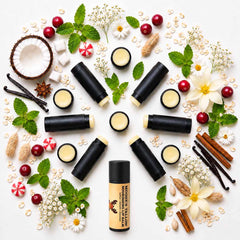
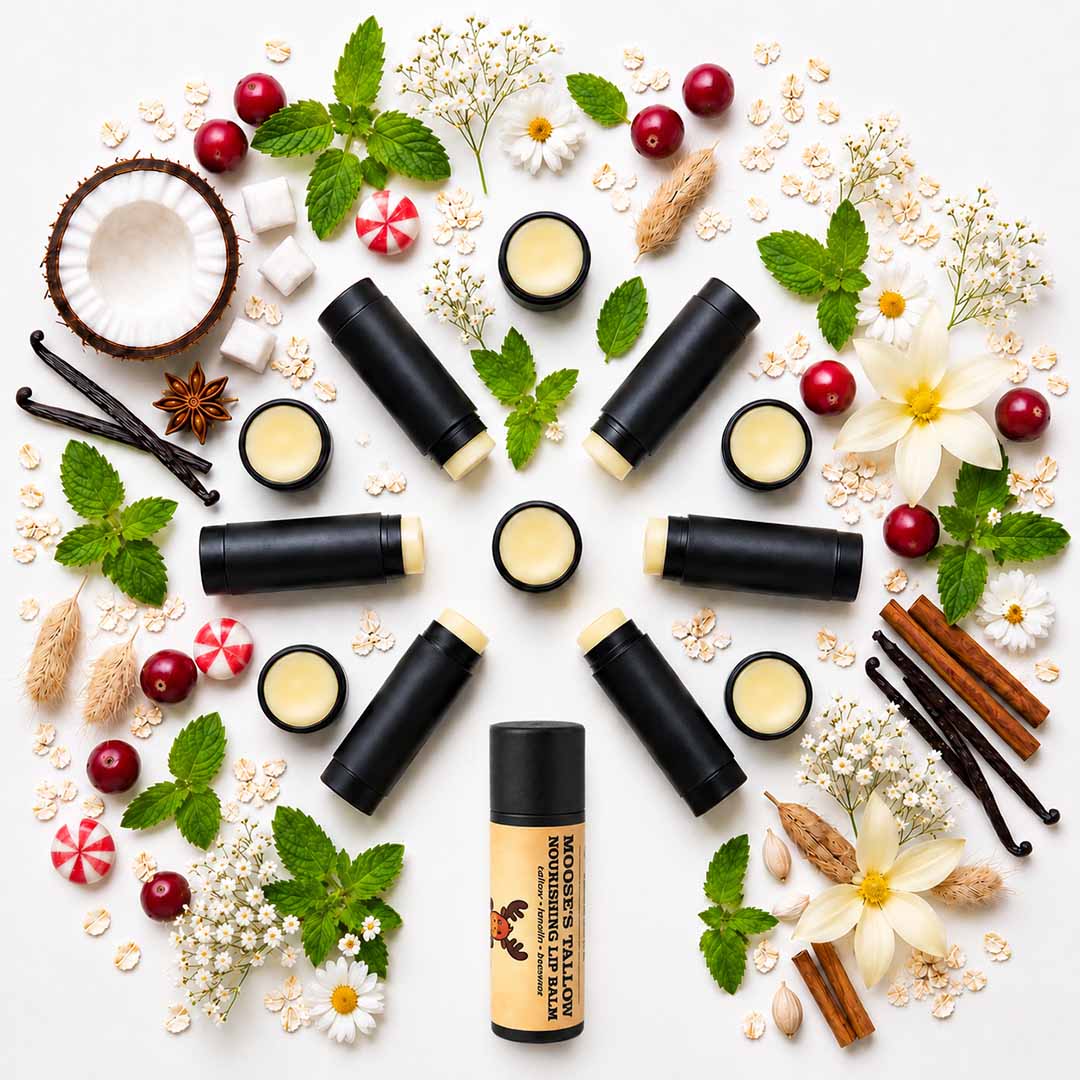
The Beef Tallow Lip Balm targets exactly the problem area most people notice first: cracked, chapped lips that regular balms only patch over temporarily. It’s water-free, small-batch, and built on the same suet tallow base as everything else we make.
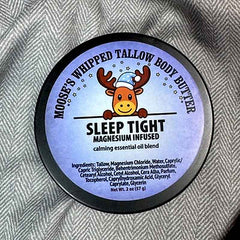
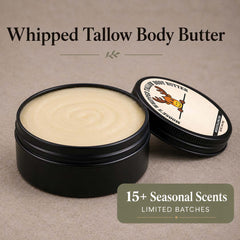
For dry patches on hands, elbows, feet, or anywhere else that needs real moisture-locking support, the Whipped Tallow Body Butter is whipped light so it absorbs without feeling heavy. Both products carry our 30-day guarantee, so if it’s not the right fit for your skin, you’re not stuck with it.
Sources
- Beef tallow for skin: what the experts say | Cleveland Clinic
- Beef tallow as skin care? Experts explain what’s truth—and myth | National Geographic
- Beef Tallow in Skincare: Fatty Acid Profile, Plant-Oil Comparison, and Five Myths
- Waterless skincare and the refill revolution — DermApproved
FAQ
Does Grass-Fed Tallow Actually Help Dry Skin?
It can help by acting as an occlusive that slows moisture loss, but clinical evidence remains limited. Think of it as a traditional emollient, not a proven treatment.
Can Tallow Clog Pores or Cause Breakouts?
Yes, especially on oily or acne-prone facial skin. Patch test first and consider saving tallow balms for drier body areas instead of your face.
What Makes Grass-Fed Tallow Different From Grain-Fed?
Grass-fed tallow carries slightly more CLA and omega-3s, but the difference is modest. It matters more for sourcing transparency than dramatic skin change.
Why Choose a Water-Free Tallow Balm Over a Regular Lotion?
Water-free formulas need fewer preservatives and can carry more concentrated lipids, since nothing gets diluted down. Moose’s Tallow builds every product this way, using fractionated coconut oil as a stable, easily absorbed carrier.
How Often Should I Apply a Tallow Balm?
Once a day works for most people, often after a shower when skin is slightly damp. Adjust based on how dry the area feels and how your skin responses.
0 comentarios