

En resumen:
- El momento adecuado, las capas y la elección de ingredientes son esenciales para maximizar la eficacia del humectante y mantener la piel hidratada. Aplicar el humectante dentro de los tres minutos después de limpiar y combinar en capas un humectante, un emoliente y un oclusivo asegura una mejor retención de humedad durante todo el día. Las rutinas constantes y bien programadas con ingredientes funcionales favorecen la salud de la barrera de la piel y previenen la resequedad o la irritación.
Aplicas humectante todos los días y aún así tienes la piel seca, tirante o escamosa. Esa frustración es más común de lo que crees. Aprender a maximizar los efectos humectantes no se trata de comprar más productos. Se trata de entender el momento, las capas y la función de cada ingrediente. Si haces bien esas tres cosas, tu piel retiene mejor la humedad durante todo el día. Esta guía te lleva paso a paso, desde preparar tu piel correctamente hasta elegir los ingredientes correctos y evitar los hábitos que en silencio trabajan en tu contra.
Puntos clave
| Punto | Detalles |
|---|---|
| El momento lo es todo | Aplica el humectante dentro de los tres minutos después de limpiar para retener la hidratación mientras la piel sigue húmeda. |
| Aplica tu hidratación en capas | Usa primero un humectante y luego un emoliente u oclusivo para sellar la humedad de forma efectiva. |
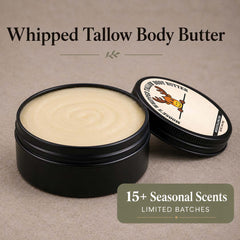
| Los ingredientes importan | Elige fórmulas con ingredientes funcionales como sebo de res, coco fraccionado o jojoba en lugar de rellenos. |
| Evita la fragancia | Los humectantes con fragancia pueden aumentar la resequedad y la irritación, reduciendo la eficacia general del producto. |
| Sé constante | Hidratar a diario protege la barrera de tu piel incluso los días en que la sientes bien. |
Cómo maximizar los efectos humectantes con la preparación de la piel
Una buena hidratación comienza antes de abrir el frasco. Si tu piel no está bien preparada, hasta un humectante de alta calidad no se absorberá como debería.
Conoce primero tu tipo de piel
Tu tipo de piel determina qué productos y qué formas de aplicar en capas te funcionarán. La piel seca se beneficia de fórmulas más ricas y oclusivas. La piel grasa también necesita hidratación, pero los productos ligeros a base de humectantes funcionan mejor en el rostro, mientras que las cremas más ricas van bien en zonas secas como codos y manos. La piel sensible o con la barrera dañada responde bien a los ingredientes que apoyan la barrera como el sebo y la jojoba, que trabajan con la química natural de tu piel.
Limpia con suavidad antes de hidratar
Los limpiadores agresivos eliminan los aceites naturales de tu piel. Eso daña la barrera y le dificulta al humectante hacer su trabajo. Usa un limpiador suave y de pocos ingredientes que quite la suciedad sin dejar tu piel tirante o rechinante. Esa sensación tirante significa que ya perdiste humedad que ahora necesitas reponer.
Esta es una lista sencilla de preparación antes de aplicar tu humectante:
- Usa agua tibia, nunca agua caliente, que extrae los aceites de la piel
- Seca la piel con toques suaves usando una toalla suave, dejándola ligeramente húmeda
- No frotes ni talles, ya que eso causa microirritación
- Aplica el humectante justo después de secar, mientras la piel aún conserva algo de agua
Consejo: La piel húmeda es tu mejor aliada. Los humectantes de tu producto necesitan agua para atraer y fijar la humedad en la superficie de la piel. La piel seca no les da con qué trabajar.
| Tipo de piel | Prioridad de preparación | Textura sugerida |
|---|---|---|
| Seca | Deja la piel ligeramente húmeda después de limpiar | Crema rica o bálsamo con sebo o cera de abejas |
| Grasa | Limpieza ligera, humectante ligero en el rostro | A base de humectantes, con coco fraccionado |
| Sensible | Limpieza sin fragancia, aplicación inmediata | Fórmula de pocos ingredientes con jojoba o sebo |
| Normal | Limpieza suave estándar, aplicación sobre piel húmeda | Emoliente equilibrado con oclusión moderada |
Rutina de hidratación paso a paso que sí funciona
Las mayores mejoras en la hidratación de la piel vienen de una rutina constante y bien programada. La mayoría de la gente aplica el humectante demasiado tarde y en el orden equivocado.
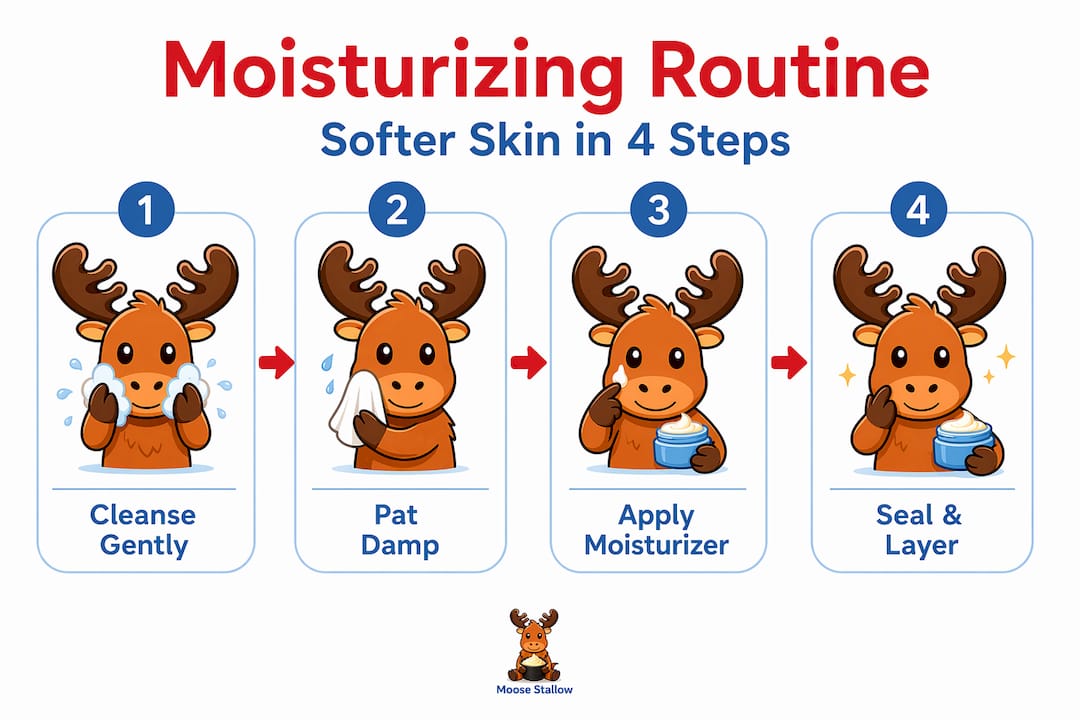
- Limpia tu piel con un producto suave y sin fragancia, y déjala ligeramente húmeda.
- Aplica tu capa de humectante primero. Esto atrae agua hacia la piel. La glicerina es un ejemplo común. La glicerina mejora la hidratación al atraer humedad y aumentar el contenido de agua del estrato córneo entre un 20 y un 30 por ciento.
- Continúa con tu emoliente. Esto rellena los huecos en la barrera de tu piel y suaviza la superficie. El sebo de res y el aceite de coco fraccionado funcionan bien aquí.
- Sella con un oclusivo si es necesario. La cera de abejas y los bálsamos a base de sebo son excelentes para retener la humedad, sobre todo en zonas muy secas.
- Aplica con movimientos suaves hacia arriba. Esto reduce el tirón y favorece la circulación sin estirar la piel.
- Repite mañana y noche. Hidrata dos veces al día, más una reaplicación al mediodía cuando sientas la piel seca.
El momento es fundamental. Hidrata dentro de los tres minutos después de ducharte o lavarte la cara. Pasada esa ventana, el agua se evapora rápido de tu piel y tu humectante pierde una ventaja clave.
Por la noche puedes usar una fórmula más rica. Una crema más oclusiva de noche sobre la piel húmeda reduce mucho la pérdida de agua transepidérmica mientras duermes. Piensa en la noche como la ventana de reparación de tu piel. Dale el mejor apoyo que puedas.
Consejo: Si sueles saltarte el humectante por la mañana, guarda tu producto junto al cepillo de dientes. Encadenar hábitos así convierte la hidratación en algo automático, no opcional.
Para más detalles sobre cómo crear una rutina para piel sensible, el proceso de aplicación es similar pero requiere cuidado extra con la fragancia y los irritantes.
Cómo elegir los ingredientes y las fórmulas correctas
La mayoría de los productos humectantes fallan porque dependen de agua, fragancia y rellenos baratos en lugar de ingredientes que de verdad apoyan la barrera de tu piel. Entender qué hace cada tipo de ingrediente te ayuda a crear una rutina más inteligente.
Humectantes: atraer el agua
Los humectantes son moléculas que atraen el agua. Llevan humedad desde el ambiente y desde las capas más profundas de la piel hacia la superficie. La glicerina y el ácido hialurónico son los más comunes. El detalle es que necesitan agua disponible para funcionar. Aplícalos sobre la piel húmeda o en condiciones de humedad para obtener los mejores resultados. En climas muy secos, los humectantes por sí solos pueden extraer la humedad de tu piel si no hay agua externa de donde tomarla. Por eso importa aplicar en capas.
Emolientes y oclusivos: retener la humedad
Los emolientes que contienen ácidos grasos crean una superficie suave y rellenan los huecos en la barrera de la piel. El sebo de res es uno de los emolientes naturales más efectivos que existen. Su perfil de ácidos grasos se parece mucho a los lípidos de la piel humana, y por eso se absorbe tan bien sin quedarse sobre la superficie. El aceite de coco fraccionado es otra excelente opción. Es estable, resiste la oxidación, se absorbe con facilidad y prolonga la vida útil de las fórmulas. Supera a muchos aceites vegetales portadores en consistencia y tolerancia para la piel.
Los oclusivos van un paso más allá al formar una capa física que frena la salida del agua. La cera de abejas es un oclusivo limpio y efectivo que se usa en las fórmulas de Moosestallow precisamente por esta razón.
La proporción de humectantes y emolientes varía según el tipo de piel y el clima. Una fórmula equilibrada suele combinarlos en una proporción de 1:1 a 1:2 para una hidratación duradera sin sensación grasosa.
Qué evitar
La fragancia en los humectantes puede aumentar la resequedad y la sensibilidad, contradiciendo directamente el propósito del producto. Esto incluye las mezclas de fragancia natural, no solo el perfume sintético. Moosestallow mantiene todas sus fórmulas libres de aditivos sintéticos innecesarios, para que cada ingrediente tenga una función clara. Esa filosofía es la diferencia entre un producto que funciona y uno que solo huele bien.
Consejo: Si tu humectante menciona fragancia, perfume o parfum en cualquier parte de la lista de ingredientes, y tu piel es sensible o reactiva, prueba una alternativa sin fragancia durante dos semanas. La diferencia suele ser notable.
Errores comunes que sabotean tus resultados
Hasta una buena rutina puede verse arruinada por algunos hábitos constantes. Estos son los más comunes que vale la pena revisar:
- Esperar demasiado después de la ducha. Una vez que tu piel se seca por completo, la ventaja de humedad desaparece. Tres minutos es tu ventana.
- Usar un solo producto rico y saltarte el paso de las capas. Una sola crema rica no reemplaza el enfoque de humectante más emoliente. La resequedad suele mejorar más con un enfoque de hidratación en varios pasos.
- Usar productos con fragancia en piel dañada. La fragancia es uno de los sensibilizantes de la piel más comunes en los humectantes. Si tu piel ya es reactiva, la fragancia la empeora.
- No adaptarte al clima. El aire frío y seco extrae la humedad de la piel más rápido. Poner un humidificador a alrededor del 60 por ciento puede apoyar de forma notable la hidratación durante el invierno.
- Saltarte el humectante cuando la piel se siente normal. Hidratar a diario de forma constante previene el deterioro de la barrera a largo plazo, incluso cuando la piel se ve bien.
Las señales de exceso de hidratación incluyen poros tapados, congestión o una piel que nunca parece poder respirar. Las señales de falta de hidratación incluyen tirantez, descamación y falta de luminosidad. La mayoría de la gente peca por poco, no por mucho.
Mi opinión honesta sobre cómo lograr que la hidratación de verdad funcione
He pasado mucho tiempo pensando en qué es lo que de verdad marca la diferencia en una rutina de hidratación. Y lo que he aprendido es que la mayoría de la gente no está usando el producto equivocado. Está usando el producto correcto en el momento equivocado, en el orden equivocado y con las expectativas equivocadas.
El momento y las capas son de verdad los dos factores más subestimados. He visto gente cambiar a sueros o cremas caros sin obtener resultados, y luego notar una diferencia enorme apenas empezaron a aplicar sobre la piel húmeda y añadieron una capa selladora encima.
También estoy convencido de que los ingredientes mínimos y funcionales superan a las listas largas de ingredientes siempre. Cuando formulé los productos de Moosestallow, el sebo siempre fue la estrella. No porque suene interesante, sino porque funciona. Es compatible con la piel, se absorbe limpio y no necesita doce ingredientes de apoyo para dar resultados.
El otro mito que veo a menudo es que la piel grasa no necesita humectante. Sí lo necesita. Solo requiere un enfoque más ligero con buenos humectantes y un portador no comedogénico como el coco fraccionado. Una vez que ajustas el producto al tipo de piel y aciertas con el momento, los resultados son constantes.
Mantenlo durante dos semanas. Tu piel no cambia de la noche a la mañana, pero la barrera sí se reconstruye con un cuidado constante.
Por Brian
Por qué Moosestallow favorece una mejor hidratación de forma natural
En Moosestallow, cada producto se construye sobre la misma filosofía: menos ingredientes, mejores resultados. El sebo de res está en el centro de cada fórmula porque de verdad apoya la barrera de la piel. El coco fraccionado aporta estabilidad y una absorción limpia. La jojoba y la cera de abejas suman apoyo específico sin volumen innecesario. Los tocoferoles protegen la fórmula y tu piel al mismo tiempo.
Si estás creando una rutina de hidratación más efectiva, sobre todo para piel seca o sensible, nuestros productos están diseñados para esa necesidad. Sin rellenos. Sin fragancia donde no corresponde. Solo fórmulas limpias y honestas que hacen el trabajo. Explora toda la colección de cuidado de la piel de Moosestallow para encontrar lo ideal para tu piel y tu rutina.
Preguntas frecuentes
¿Cuál es el mejor momento para aplicar el humectante?
Aplica el humectante dentro de los tres minutos después de limpiar o ducharte, sobre la piel ligeramente húmeda. Esta ventana aprovecha el agua de la superficie y permite que los humectantes la retengan de forma más efectiva en la piel.
¿Necesitas aplicar los productos humectantes en capas?
Sí. Un solo humectante rara vez cubre las tres necesidades de hidratación. Aplicar un humectante debajo de un emoliente y luego sellar con un oclusivo brinda la hidratación más completa y duradera.
¿Qué ingredientes debes buscar en un humectante?
Busca humectantes como la glicerina, emolientes como el sebo de res o el aceite de coco fraccionado, y oclusivos como la cera de abejas. Estos trabajan juntos para atraer, suavizar y retener la humedad.
¿La fragancia en un humectante puede causar resequedad?
Sí. La fragancia es un conocido sensibilizante de la piel y puede aumentar la resequedad y la irritación. Elegir una fórmula sin fragancia es especialmente importante para la piel sensible o reactiva.
¿Con qué frecuencia debes hidratar para obtener los mejores resultados?
Hidrata al menos dos veces al día, mañana y noche, con una aplicación adicional al mediodía si sientes la piel seca o tirante. El uso diario y constante favorece la salud de la barrera a largo plazo.
Recomendado
- Proceso para hidratar la piel sensible: una guía paso a paso – Moose’s Tallow
- Cómo elegir un humectante de sebo de forma natural para una piel más sana – Moose’s Tallow
- Sebo vs aceites vegetales: 22% más hidratación para tu piel – Moose’s Tallow
- Humectantes naturales para piel sensible: lo que de verdad funciona – Moose’s Tallow


0 comentarios