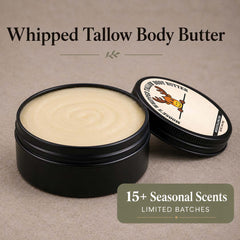



TL;DR:
- El sebo actúa como oclusivo y emoliente, reduciendo la pérdida de agua y suavizando la piel.
- Una prueba de parche adecuada y una aplicación cuidadosa por capas son esenciales para prevenir irritación o brotes.
- Es más adecuado para piel seca sin tendencia al acné y puede representar riesgos para pieles sensibles o grasas.
Si has probado crema tras crema y tu piel seca todavía se siente tirante, áspera o simplemente nunca del todo bien, no estás solo. Muchos humectantes convencionales dependen de rellenos, emolientes sintéticos y fragancia que enmascaran el problema de forma temporal sin apoyar de verdad la barrera de tu piel. El sebo, grasa de res procesada que se ha usado en el cuidado de la piel por generaciones, está recibiendo nueva atención como alternativa natural para quienes quieren ingredientes más simples y nutrición real. Esta guía te explica lo que el sebo puede hacer realmente por la piel seca, quién debe usarlo con cuidado y cómo aplicarlo de forma segura para que obtengas el mejor resultado posible sin sorpresas.
Puntos clave
| Punto | Detalles |
|---|---|
| Comienza con una prueba de parche | Siempre prueba el sebo en un área pequeña primero para detectar irritación o reacciones. |
| Aplica poca cantidad sobre piel limpia | Menos es más. Usa apenas lo suficiente sobre piel limpia y ligeramente húmeda para evitar poros tapados. |
| Vigila de cerca los efectos secundarios | Observa si aparece enrojecimiento, granitos o brotes y deja de usar el sebo si esto ocurre. |
| Elige sebo fresco y de alta calidad | Asegúrate de que tu bálsamo sea puro y esté bien almacenado para evitar que se eche a perder o irrite. |
| Considera alternativas si surgen problemas | Si el sebo no le sienta bien a tu piel, cambia a humectantes comprobados recomendados por dermatólogos. |
Lo que debes saber antes de usar sebo en la piel seca
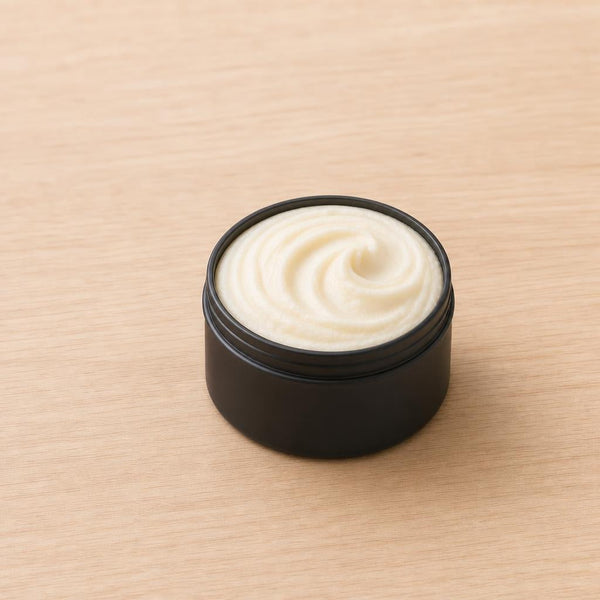
El sebo es a la vez oclusivo y emoliente. En palabras simples, se queda sobre la superficie de la piel para frenar la pérdida de agua mientras suaviza y alisa la capa externa. Esa doble acción es la razón por la que a la gente le resulta tan atractivo para la piel persistentemente seca o descamada. Entender el alivio de la piel seca con sebo empieza por entender lo que puede y no puede hacer.
Beneficios que vale la pena destacar:
- Crea una barrera lipídica protectora que reduce la pérdida de agua transepidérmica
- Suaviza las zonas ásperas y descamadas con el uso constante
- Tiene una lista de ingredientes naturalmente corta, algo que importa para la piel reactiva
- Se absorbe razonablemente bien cuando se entibia y se aplica en capas finas
- Libre de los aditivos sintéticos que hay en muchos humectantes comerciales
Riesgos que no debes ignorar:
- Puede tapar los poros y provocar brotes, sobre todo en piel grasa o mixta
- Puede irritar los tipos de piel reactiva o sensible
- El sebo puro puede ponerse rancio sin conservadores si se almacena mal
- Todavía no hay ensayos clínicos sólidos que confirmen una superioridad a largo plazo sobre los humectantes convencionales
Es honesto decir que el sebo de res no es un humectante universal; puede tapar los poros, provocar irritación o empeorar algunas condiciones sensibles o con tendencia al acné, y la evidencia es limitada. Esa no es razón para descartarlo por completo. Es una razón para acercarse a él con expectativas realistas. De igual forma, la investigación sobre las afirmaciones del sebo para la piel todavía es limitada, y los posibles efectos secundarios incluyen poros tapados, irritación, reacciones alérgicas y descomposición.
| Tipo de piel | Experiencia probable | Nivel de riesgo |
|---|---|---|
| Seca, sin tendencia al acné | Sensación más suave e hidratada | Bajo a moderado |
| Sensible, reactiva | Posible irritación | Moderado |
| Con tendencia al acné o grasa | Brotes, congestión | Alto |
| Mixta | Resultados variables | Moderado |
| Con tendencia al eczema | Variable; la prueba de parche es esencial | Moderado a alto |
Quién debe evitar el sebo por completo: Si tienes acné activo, una lesión reciente en la piel, rosácea, dermatitis seborreica o antecedentes de brotes quísticos, es más seguro trabajar con un dermatólogo antes de agregar sebo a tu rutina. Usa siempre la lista de verificación de seguridad de productos de sebo para evaluar cualquier producto nuevo.
Cómo preparar tu piel y tu bálsamo de sebo
Con la información correcta a la mano, estás listo para reunir tus herramientas y tu bálsamo para la experiencia más segura y efectiva.
Cómo elegir tu sebo:
La calidad del sebo importa muchísimo. Busca sebo de res procesado, puro y de res alimentada con pasto, con un olor limpio y suave. El sebo rancio huele penetrante, agrio o extraño, y nunca deberías aplicarlo a tu piel. Algunos bálsamos combinan el sebo con aceites simples como el de oliva o jojoba, lo que puede hacer la textura más ligera y fácil de extender. Al elegir un humectante de sebo, mantén la lista de ingredientes corta y con propósito.
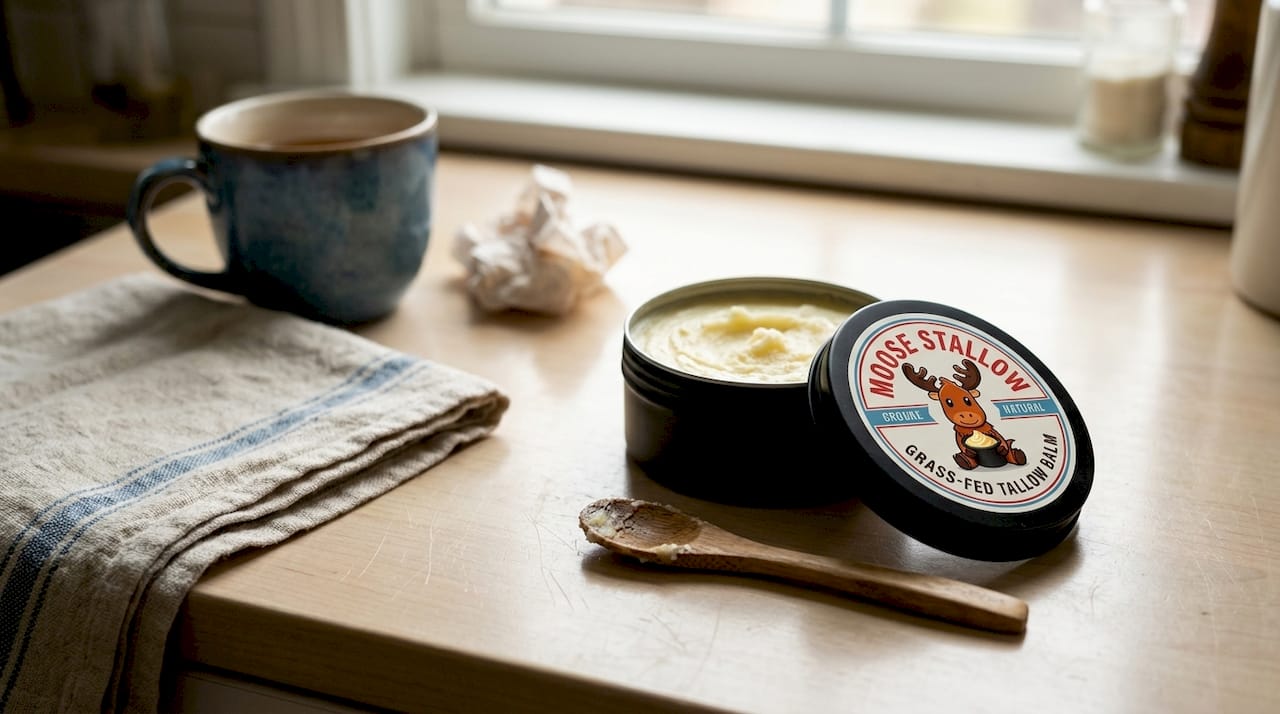
Sebo puro vs. bálsamo de sebo: una comparación rápida
| Característica | Sebo puro | Bálsamo de sebo |
|---|---|---|
| Textura | Densa, cerosa | Más suave, más fácil de extender |
| Control de ingredientes | Mínimo (un solo ingrediente) | Varía según la fórmula |
| Facilidad de aplicación | Requiere más calentamiento | Más fácil de aplicar directamente |
| Vida útil | Puede ponerse rancio más rápido | Depende de los aceites añadidos |
| Mejor para | Usuarios con experiencia, uso casero | Principiantes, piel sensible |
Entender cómo se compara el sebo con los aceites vegetales también puede ayudarte a decidir qué formato le conviene a las preferencias de textura de tu piel.
Preparación paso a paso:
- Lávate bien las manos antes de tocar tu sebo o tu rostro.
- Revisa tu sebo o bálsamo por cualquier olor extraño, decoloración o textura inusual. Si algo parece mal, no lo uses.
- Limpia tu rostro o la zona objetivo con un limpiador suave y sin fragancia.
- Seca tu piel con cuidado usando una toalla limpia. Déjala ligeramente húmeda, no empapada.
- Toma una pequeña cantidad de sebo o bálsamo, del tamaño de un chícharo, y apártala. Necesitas menos de lo que crees.
- Haz una prueba de parche antes de cualquier aplicación completa (consulta la siguiente sección para el proceso completo).
La mejor práctica dermatológica es usarlo después de limpiar y aplicar solo una pequeña cantidad de forma constante para mejores resultados. Esa recomendación se cumple ya sea que uses sebo puro o un bálsamo mezclado.
Consejo: Entibia el sebo entre las yemas de tus dedos por unos diez segundos antes de aplicarlo. Esto suaviza la textura y ayuda a extenderlo de forma más uniforme en una capa muy fina, lo que reduce el riesgo de congestión de poros.
Paso a paso: cómo aplicar el sebo para calmar la piel seca
Una vez que tu piel y tu bálsamo estén listos, sigue este proceso para darle al sebo una prueba segura y controlada en tu piel seca.
Fase 1: Prueba de parche (días 1 a 2)
- Aplica una cantidad diminuta, del tamaño de un grano de arroz, en la parte interna de tu antebrazo o detrás de la oreja.
- Déjala puesta sin lavar durante 24 a 48 horas.
- Revisa si hay enrojecimiento, granitos, picazón o cualquier reacción inusual en el sitio.
- Si la zona sigue tranquila, puedes pasar a una prueba más amplia. Si ves cualquier reacción, detente y lava la zona.
Fase 2: Primera aplicación completa
- Lávate las manos y el rostro con tu limpiador suave. Seca la piel hasta dejarla ligeramente húmeda.
- Toma una cantidad de bálsamo de sebo del tamaño de un chícharo y entíbiala entre las yemas de tus dedos.
- Extiende con suavidad una capa fina sobre las zonas secas. No frotes con fuerza.
- Deja que se absorba por unos minutos antes de vestirte o irte a dormir.
- Aplícalo por la noche, cuando los procesos de reparación de tu piel están más activos.
Fase 3: Vigila de cerca (días 1 a 7)
Observa tu piel a diario con buena luz. Nota cualquier cambio en la textura, el tono o la aparición de granitos. El enfoque de poca cantidad, entibiar entre los dedos, aplicar sobre piel limpia o húmeda y vigilar de 1 a 2 días le da a tu piel tiempo para responder sin saturarla.
Revisa las técnicas detalladas de aplicación del bálsamo de sebo para una guía por zona, ya sea que trates manos secas, codos ásperos o un rostro descamado. Y ten en cuenta que los mejores usos de la loción de sebo van más allá del rostro e incluyen otras zonas de piel muy seca o agrietada.
Consejo: Nunca apliques sebo sobre piel abierta, agrietada o activamente inflamada. La naturaleza oclusiva del sebo puede atrapar bacterias contra el tejido dañado y retrasar la cicatrización en lugar de apoyarla.
Qué esperar y cómo solucionar problemas
Ya seguiste los pasos. Aquí te explicamos cómo saber si está funcionando y qué hacer si tu piel reacciona.
Cómo se ve una respuesta positiva:
- La piel se siente notablemente más suave y flexible en pocos días
- Las zonas secas se descaman menos y quedan más parejas en textura
- No aparecen nuevos granitos, enrojecimiento ni picazón
Señales de alerta que debes tomar en serio:
- Nuevos granos, puntos negros o puntos blancos en las zonas tratadas
- Enrojecimiento o calor persistente en la piel
- Picazón, ronchas o sarpullido
- Mayor tirantez o molestia en lugar de alivio
Es importante saber que la piel con tendencia al acné, con poros tapados o con brotes activos requiere precaución adicional incluso después de una prueba de parche exitosa. Y los posibles efectos secundarios, que incluyen poros tapados, irritación, reacciones alérgicas y mayor sensibilidad a las quemaduras solares, son consideraciones reales para cualquiera que agregue sebo a su rutina habitual.
| Resultado | Qué significa | Qué hacer |
|---|---|---|
| Piel más suave y calmada | El sebo está funcionando para ti | Continúa con pequeñas cantidades |
| Nuevos brotes | El sebo puede ser demasiado oclusivo | Suspende el uso, limpia con suavidad |
| Enrojecimiento o picazón | Posible irritación o reacción | Detente de inmediato, consulta a un profesional |
| Sin cambios | Puede no convenir a tu tipo de piel | Prueba un humectante alternativo |
| Mayor sensibilidad al sol | Probable con sebo puro | Aplica siempre protector solar durante el día |
Si los problemas persisten después de suspender el uso, o si tu piel empeora de forma significativa, cambia a un humectante comprobado y recomendado por dermatólogos y agenda una cita con un profesional del cuidado de la piel. También puedes ver una rutina de cuidado de la piel creada para piel sensible o explorar si el sebo para el alivio del eczema es apropiado para tu situación con orientación profesional.
Por qué el uso lento y cuidadoso del sebo supera los atajos de moda en el cuidado de la piel
Aquí está la verdad honesta, y a veces incómoda, sobre las tendencias de cuidado natural de la piel. El sebo no es magia. No va a deshacer años de daño de la noche a la mañana, y no va a funcionar a la perfección para todas las personas que lo prueban. Internet está lleno de testimonios entusiastas, pero esos relatos rara vez mencionan las semanas de pruebas de parche cuidadosas, los ajustes que se hicieron cuando la piel reaccionó, o las personas para quienes el sebo simplemente no funcionó en absoluto.
Creemos profundamente en el sebo, y sobre esa creencia construimos Moose’s Tallow. Pero también creemos en darte el panorama completo. La orientación dermatológica suele favorecer humectantes comprobados y respaldados por la ciencia, sobre todo para el manejo a largo plazo de condiciones crónicas. Ese es un hecho que respetamos, no que descartamos. El sebo merece una prueba justa y cuidadosa, no un entusiasmo ciego.
Lo que hace que valga la pena explorar el sebo es que, para la persona correcta, con la fórmula correcta y la aplicación correcta, de verdad cumple. Apoya la barrera de la piel sin una larga lista de aditivos cuestionables. Se absorbe sin dejar una película pesada y grasosa cuando se usa bien. Y carga con una historia de uso que muchos ingredientes modernos simplemente no tienen. La guía esencial de la loción de sebo desglosa esos beneficios sin prometer de más.
La lección es simple: acércate al sebo con paciencia, no con urgencia. Prueba antes de comprometerte. Observa con honestidad. Y está totalmente dispuesto a cambiar de rumbo si tu piel te dice que no es lo adecuado. Ese tipo de cuidado reflexivo de la piel siempre es mejor que perseguir una moda.
Explora soluciones de cuidado de la piel a base de sebo
¿Listo para probar el sebo de forma segura? Comienza con productos formulados para piel seca y sensible. En Moose’s Tallow, cada producto se elabora a mano en lotes pequeños usando sebo de res cuidadosamente procesado y una lista corta de ingredientes que de verdad se ganan su lugar. Nos encargamos de la incertidumbre del origen y la fórmula para que tú te concentres en cómo responde tu piel. Si buscas protección solar adicional junto con una hidratación profunda, nuestro bálsamo solar de sebo con zinc es un favorito para el uso diario. Explora toda la gama y encuentra tu punto de partida cuando explores todos los productos de sebo y veas qué se ajusta a las necesidades de tu piel.
Preguntas frecuentes
¿Es seguro el sebo para la piel muy sensible o con tendencia al eczema?
El sebo aún puede irritar la piel sensible o con tendencia al eczema, así que siempre haz una prueba de parche primero y suspende su uso de inmediato si aparece enrojecimiento, granitos o picazón. Consultar a un dermatólogo es un paso inteligente si tienes una condición reactiva conocida.
¿El sebo tapará mis poros o causará acné?
En la piel grasa o con tendencia al acné, el sebo puede tapar los poros y aumentar los brotes, así que haz una prueba de parche minuciosa y suspende su uso enseguida si aparece congestión o nuevas imperfecciones.
¿Cuánto tiempo tarda en verse resultados al usar sebo?
La mayoría de las personas nota si el sebo está ayudando o causando una reacción dentro de los primeros 1 a 2 días de uso, aunque la mejora continua en la textura de la piel puede tomar una semana o más de uso constante y cuidadoso.
¿Puedo usar sebo junto con mi humectante habitual?
Sí, pero aplica el sebo como el paso final de tu rutina para sellar la humedad, y usa solo una pequeña cantidad de forma constante para evitar acumulación grasosa o congestión de poros.
¿El sebo puro requiere un almacenamiento especial?
Sí. Guarda el sebo puro en un recipiente hermético y fresco, lejos del calor y la luz del sol, ya que el sebo puro puede echarse a perder o ponerse rancio más rápido que los productos con conservadores añadidos.
Recomendado
- Cómo elegir sebo humectante de forma natural para una piel más sana, Moose’s Tallow
- Cómo aplicar bálsamo de sebo para el alivio de la piel en 2026, Moose’s Tallow
- La guía esencial de la loción de sebo para el cuidado natural de la piel, Moose’s Tallow
- Por qué usar sebo para el alivio de la piel seca, Moose’s Tallow


0 comentarios