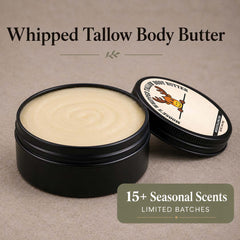
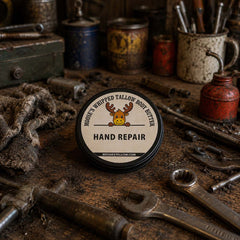
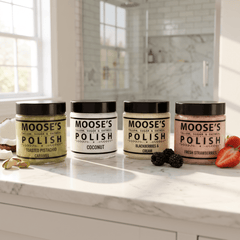
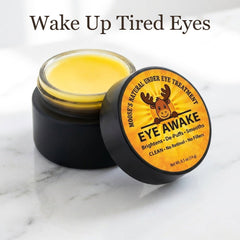


Para elegir un humectante natural para piel sensible, ajusta la base a lo que tu piel necesita. Elige listas cortas de ingredientes y sin fragancia añadida. El sebo le va a la piel muy seca y reactiva porque imita los aceites naturales de la piel. Los aceites vegetales más ligeros, como la jojoba, le van a la piel menos seca. Haz siempre una prueba de parche antes de usar un producto nuevo.
En resumen:
- Los hidratantes naturales funcionan como oclusivos, humectantes o emolientes, y cada uno favorece la hidratación de forma distinta.
- El sebo imita de cerca los lípidos de la piel humana y ofrece apoyo a la barrera y nutrientes, sobre todo en piel sensible o con la barrera dañada.
- Elegir el humectante adecuado depende de las necesidades de cada piel, la calidad de la procedencia y la respuesta particular de tu piel.
Si alguna vez te has quedado parado en el pasillo de una tienda o desplazándote por una tienda en línea tratando de elegir un humectante «natural» para tu propia piel sensible o la de tu hijo, ya sabes lo abrumador que resulta. Hay decenas de opciones, cada una con su propia lista de ingredientes y promesas llamativas. La verdad es que no todos los humectantes naturales funcionan igual, y saber cómo actúan es el camino más rápido para encontrar algo que de verdad ayude. Esta guía desglosa las categorías principales, analiza de cerca el sebo, compara las alternativas de origen vegetal y te da recomendaciones claras y prácticas.
Puntos clave
| Punto | Detalles |
|---|---|
| Tres tipos principales | Los humectantes naturales incluyen oclusivos, humectantes y emolientes, y cada uno cumple una función distinta en la piel. |
| La barrera única del sebo | Las grasas saturadas del sebo de res forman una barrera estable, lo que lo hace favorito para piel sensible, seca y alterada. |
| Fortalezas de origen vegetal | Los aceites vegetales como la jojoba y el aloe vera están muy estudiados y le van a varios tipos de piel, con hidratación y sensación ligera. |
| Prueba de parche por seguridad | Haz siempre una prueba de parche con productos nuevos, sobre todo en piel delicada o de bebés, para descartar sensibilidades. |
| La mejor opción varía | Tu humectante natural ideal depende de las necesidades de tu piel, tu edad, el entorno y tus preferencias de producto. |
Cómo funcionan los humectantes naturales: entender las categorías principales
Para tomar una decisión informada, empieza por entender cómo funcionan los humectantes naturales de tres formas distintas.
Los humectantes naturales se clasifican por su función: los oclusivos sellan la humedad, los humectantes atraen agua a la piel y los emolientes suavizan y alisan la superficie de la piel. Cada tipo cumple un propósito distinto, y la mejor opción depende de lo que tu piel realmente necesita.
Aquí tienes un resumen rápido:
- Oclusivos (p. ej., sebo de res, cera de abejas, manteca de karité): forman una capa protectora en la superficie de la piel para frenar la pérdida de agua. Ideales para piel seca, agrietada o con la barrera dañada.
- Humectantes (p. ej., aloe vera, glicerina, ácido hialurónico): atraen humedad del ambiente o de las capas más profundas de la piel hacia la superficie. Ideales para piel deshidratada que necesita un impulso de hidratación.
- Emolientes (p. ej., aceite de jojoba, onagra, borraja): rellenan los huecos entre las células de la piel y la dejan suave y tersa. Ideales para piel áspera o con descamación.
| Tipo | Ejemplos | Función principal | Ideal para |
|---|---|---|---|
| Oclusivo | Sebo, cera de abejas, manteca de karité | Sella la humedad | Piel seca, con la barrera dañada |
| Humectante | Aloe vera, glicerina | Atrae agua a la piel | Piel deshidratada |
| Emoliente | Jojoba, onagra | Suaviza la textura de la piel | Piel áspera y con descamación |
Los humectantes más eficaces combinan más de un tipo. El sebo, por ejemplo, funciona sobre todo como oclusivo, pero también aporta vitaminas liposolubles que le dan propiedades emolientes. Entender esta combinación te ayuda a leer las etiquetas con más confianza y a comparar el sebo frente a los aceites vegetales con más precisión.
En detalle: el sebo como humectante para piel sensible
Ahora que los tipos principales están claros, veamos de cerca el sebo, un favorito en auge para el cuidado de la piel sensible y holístico.
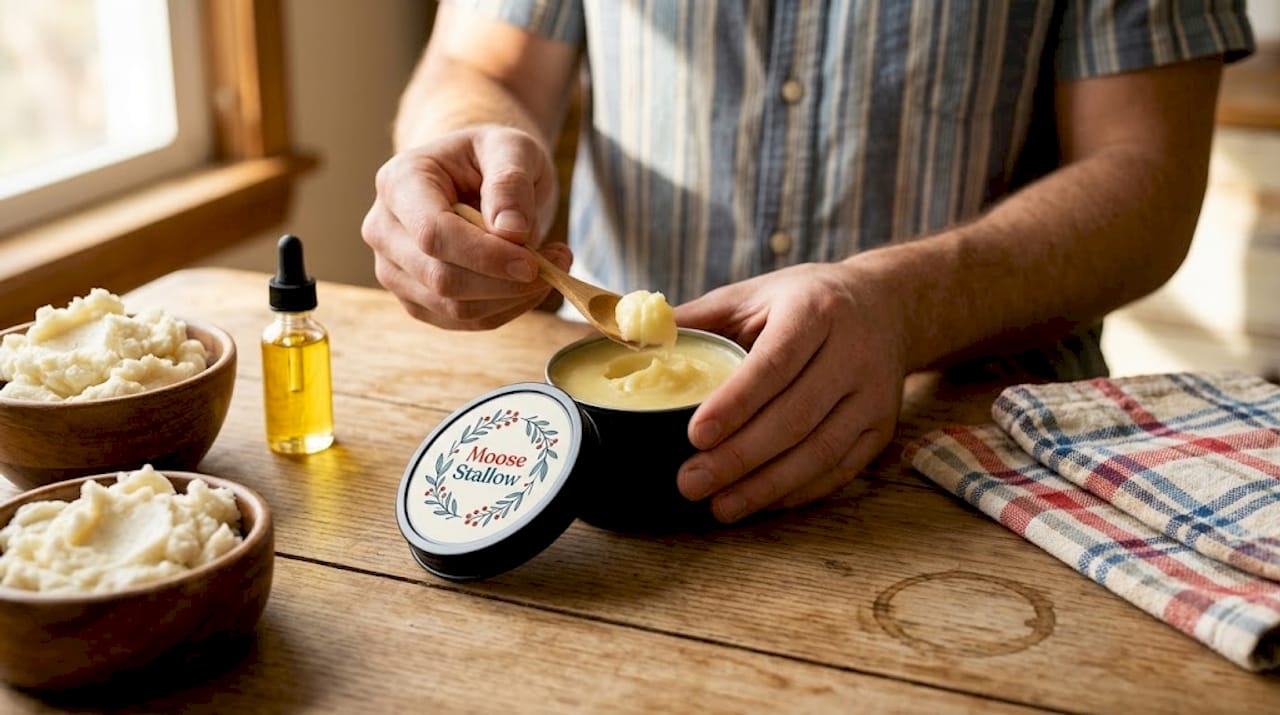
El sebo de res se obtiene fundiendo grasa animal, y su perfil de ácidos grasos imita de cerca los lípidos que se encuentran de forma natural en la piel humana. Es rico en ácido oleico, ácido palmítico y ácido esteárico. Son los mismos componentes que tu piel usa para mantener su barrera. Ese parecido es lo que hace que el sebo se sienta tan compatible, sobre todo en piel que ya está estresada o reactiva.
Las revisiones clínicas muestran que los humectantes naturales pueden mejorar la hidratación de la piel entre un 41 y un 116 por ciento en varias semanas, con reducciones en la pérdida de agua transepidérmica (TEWL), que es la velocidad a la que el agua se escapa a través de la piel. El sebo muestra una hidratación moderada en las revisiones, aunque los estudios comparativos grandes frente a los aceites vegetales todavía son limitados.
Estos son los beneficios clave y las consideraciones honestas sobre el sebo:
- Biocompatibilidad: el perfil graso del sebo es estructuralmente similar al sebo humano (el aceite natural de tu piel), lo que significa que se absorbe con facilidad sin quedarse pesado en la superficie.
- Densidad de nutrientes: el sebo de res alimentada con pasto contiene vitaminas liposolubles A, D, E y K, que favorecen la renovación y reparación de las células de la piel.
- Apoyo a la barrera: las grasas saturadas del sebo aportan una barrera estable para la piel sensible propensa a alterarse, lo que lo hace una buena opción para piel propensa al eczema o madura.
- Pocos estudios grandes: aunque el uso tradicional y las revisiones más pequeñas son prometedores, la base de investigación es menor que la que existe para algunos aceites vegetales.
- Posibles problemas con los poros: para la piel propensa al acné, la naturaleza oclusiva del sebo puede no ser la mejor opción.
¿Quién se beneficia más del sebo? Los niños con piel seca o propensa al eczema, los adultos con piel madura o con la barrera dañada, y cualquiera que busque una opción rica en nutrientes y poco procesada. Si estás eligiendo sebo para la piel sensible, vale la pena leer más sobre cómo se compara con las cremas convencionales.
«Cuanto más se parece el perfil de ácidos grasos de un humectante a los lípidos propios de la piel, más fácil se integra en la barrera cutánea.»
Consejo: busca sebo de res alimentada con pasto al comprar. Estas fuentes suelen tener una concentración más alta de vitaminas liposolubles y ácido linoleico conjugado (CLA), lo que suma al valor nutritivo para la piel. También puedes explorar opciones de hidratación con loción de sebo para ver cómo se comportan las distintas fórmulas.
Los mejores humectantes naturales de origen vegetal: aloe, jojoba y más
Aunque el sebo tiene sus ventajas, las alternativas de origen vegetal siguen siendo populares y bien estudiadas para cualquier tipo de piel.
Entre los humectantes naturales están el aloe vera como humectante y el aceite de jojoba como emoliente, ambos con mecanismos distintos y usos bien definidos. Estas son las mejores opciones de origen vegetal que conviene conocer:
- Aloe vera: un humectante ligero que calma e hidrata. Excelente para piel quemada por el sol, irritada o grasa. Se absorbe rápido y rara vez causa reacciones.
- Aceite de jojoba: técnicamente una cera líquida, la jojoba imita el sebo natural de la piel. Es un emoliente que funciona bien en todo tipo de piel, incluida la grasa y la propensa al acné.
- Manteca de karité: un oclusivo y emoliente rico que suaviza la piel seca. Se usa a menudo en climas fríos o para manos y pies muy secos.
- Aceite de onagra: alto en ácido gamma-linolénico (GLA), que favorece la reparación de la piel. Se recomienda a menudo para el eczema y los cambios hormonales de la piel.
- Aceite de borraja: una de las fuentes naturales más altas de GLA. Útil para piel inflamada o reactiva.
«Los humectantes de origen vegetal suelen tener una base de evidencia más sólida en la literatura clínica publicada en comparación con el sebo, aunque esto refleja el volumen de investigación más que la eficacia.»
Las principales ventajas de las opciones vegetales incluyen texturas más ligeras, una amplia variedad de ácidos grasos esenciales y su idoneidad para piel grasa o mixta. La principal limitación es que la mayoría de los aceites vegetales son menos oclusivos que el sebo, por lo que pueden no ofrecer el mismo nivel de reparación de la barrera en piel muy seca o dañada. Puedes explorar un desglose detallado de sebo frente a cremas de origen vegetal para ver cómo se dan estas diferencias en la práctica.
De un vistazo: comparación entre sebo, aceites vegetales y mezclas híbridas
Para facilitar tu decisión, así se comparan el sebo y los humectantes de origen vegetal lado a lado.
| Propiedad | Sebo de res | Jojoba/manteca de karité | Mezcla híbrida |
|---|---|---|---|
| Impulso de hidratación | De moderado a alto | Moderado | Alto |
| Apoyo a la barrera | Fuerte (oclusivo) | Moderado | Fuerte |
| Biocompatibilidad | Muy alta | Alta | Alta |
| Evidencia clínica | Limitada | De moderada a sólida | Variable |
| Ideal para | Piel seca, sensible y madura | Todo tipo de piel | Necesidades mixtas |
| Riesgo de obstruir los poros | Moderado | Bajo | De bajo a moderado |
Algunos profesionales del cuidado de la piel prefieren el sebo por su nutrición profunda y sus ácidos grasos idénticos a los de la piel, mientras que otros se mantienen cautelosos por los pocos ensayos clínicos y sugieren aceites vegetales ricos en ácido linoleico para la piel propensa al acné. Ambas posturas tienen mérito. La respuesta correcta de verdad depende de tu piel.
Consejo: haz siempre una prueba de parche con un humectante nuevo antes de aplicarlo en zonas amplias, sobre todo si lo vas a usar en un niño o en alguien con sensibilidades conocidas en la piel. Aplica una pequeña cantidad en la cara interna del brazo y espera 24 horas. Este paso tan sencillo puede evitar muchas molestias. Para más contexto sobre cómo se comparan estas opciones, mira la hidratación del sebo y los aceites vegetales lado a lado.
Elegir tu mejor opción: recomendaciones para cada necesidad de la piel
¿Sigues con dudas? Así puedes emparejar cada tipo de humectante natural con las necesidades específicas de tu piel.
La investigación confirma que los humectantes naturales pueden mejorar la hidratación de forma notable tras varias semanas de uso constante. Pero lo que más importa es el uso constante del producto adecuado. Estos son algunos escenarios prácticos para guiar tu elección:
- Bebés o niños pequeños propensos al eczema: busca un bálsamo sencillo a base de sebo o una fórmula de manteca de karité sin fragancia añadida. Menos ingredientes significan menos probabilidades de irritación.
- Adultos con piel seca o madura: el sebo o una mezcla rica en karité brindará una fuerte protección oclusiva, sobre todo en climas secos o fríos.
- Piel grasa o mixta: el aceite de jojoba o los productos a base de aloe se absorben rápido y no aportan pesadez. Vale la pena probar la onagra si tu piel es reactiva.
- Compradores holísticos o enfocados en los nutrientes: el sebo de res de buena procedencia es difícil de superar por su contenido de vitaminas liposolubles. Busca productos con listas de ingredientes cortas y reconocibles.
- Cualquiera que maneje una barrera cutánea dañada: prioriza los oclusivos y aplícalos justo después del baño, con la piel todavía un poco húmeda, para retener la humedad.
Al leer las etiquetas, fíjate en el nombre del ingrediente (INCI), no solo en la promesa de marketing. La palabra «natural» en una etiqueta significa muy poco sin conocer el origen y el método de procesamiento. Para más orientación sobre qué buscar, revisa cómo elegir un humectante de sebo con una guía práctica paso a paso.
Lo que la mayoría de las guías pasa por alto sobre los humectantes naturales
Hay algo que he notado en casi todas las recopilaciones de humectantes naturales: se centran casi por completo en los ingredientes y omiten el contexto que de verdad determina si algo funciona para ti.
La etiqueta «natural» no es por sí sola un filtro de calidad. La hiedra venenosa es natural. También lo es la lanolina, que provoca reacciones en un número sorprendente de personas. Lo que más importa es la pureza, el origen y qué tan bien encaja un ingrediente con el estado actual de tu piel. Un bálsamo de sebo hecho con res de buena calidad, fundido con cuidado, es un producto muy distinto de uno hecho con grasa de baja calidad y conservantes sintéticos, aunque técnicamente ambos califiquen como «naturales».
La mayoría de las guías también ignoran cuánto cambia tu piel con las estaciones, la calidad de tu sueño y tu alimentación. La piel que se beneficia de un aceite de jojoba ligero en verano puede necesitar con urgencia un bálsamo de sebo rico en enero. La piel estresada por una enfermedad o por dormir mal tiende a perder humedad más rápido y necesita más apoyo oclusivo. No son variables menores. Muchas veces son la diferencia entre un humectante que funciona y uno que no.
La personalización importa más que las tendencias. Escuchamos mucho sobre lo que es popular en las redes sociales, pero el mejor humectante es el que encaja con la biología de tu piel en este momento. Explora los beneficios del sebo de res si tienes curiosidad por saber si el sebo encaja en ese panorama para ti, pero vuelve siempre a la respuesta de tu propia piel como la última palabra.
Explora mezclas naturales de sebo y de origen vegetal seleccionadas para piel sensible
Si estás listo para pasar de la investigación a resultados reales, te lo hemos puesto fácil para encontrar algo que funcione. En Moose’s Tallow, cada producto parte de sebo de res de origen cuidado y fundido con esmero, y se mezcla con ingredientes que se ganan su lugar. Nuestro bálsamo labial de sebo reparador es un excelente punto de partida para quien recién empieza con el cuidado a base de sebo. Es sencillo, eficaz y lo bastante suave para la piel más sensible. Si buscas protección solar diaria con ingredientes limpios, nuestro bálsamo solar de sebo con zinc combina zinc mineral con sebo nutritivo para una protección honesta de amplio espectro. Explora la colección completa para encontrar tu opción.
Preguntas frecuentes
¿Cuáles son los tres tipos principales de humectantes naturales?
Los hidratantes naturales se clasifican como oclusivos, humectantes y emolientes, y cada tipo actúa de forma distinta para favorecer la hidratación y la salud de la barrera cutánea.
¿El sebo de res es seguro para la piel sensible o la de los bebés?
El sebo de res se considera biocompatible para la mayoría de las personas por su parecido con los lípidos de la piel humana, pero las revisiones clínicas recomiendan hacer primero una prueba de parche, sobre todo en bebés o personas con alergias conocidas.
¿Cómo se compara el sebo con la jojoba o la manteca de karité?
El sebo funciona sobre todo como oclusivo para reparar la barrera, mientras que la jojoba y la manteca de karité aportan beneficios emolientes y cuentan con más evidencia clínica publicada que respalda su uso en una gama más amplia de tipos de piel.
¿Debo elegir un humectante según el tipo de piel o los ingredientes?
Empieza por tu tipo de piel y tus preocupaciones actuales, y luego revisa la lista de ingredientes en busca de alérgenos conocidos o riesgo de obstruir los poros, para asegurarte de que la fórmula te conviene.
¿Puedo usar humectantes naturales para el eczema o la dermatitis?
Ciertos humectantes naturales, como el sebo y algunos aceites vegetales, pueden ayudar a reducir la pérdida de agua transepidérmica (TEWL) y mejorar la hidratación en piel propensa al eczema, pero los síntomas persistentes siempre debe evaluarlos un dermatólogo.
Recomendado
- Humectantes naturales para piel sensible: lo que de verdad funciona – Moose’s Tallow
- Principales ventajas de los humectantes naturales para una piel más sana – Moose’s Tallow
- Sebo frente a aceites vegetales: 22 % más de hidratación para tu piel – Moose’s Tallow
- Cómo elegir un humectante de sebo de forma natural para una piel más sana – Moose’s Tallow
- Los mejores antioxidantes para la piel: tipos innovadores explicados


0 comentarios