

En resumen:
- Una rutina de cuidado para piel sensible debe priorizar la reparación y protección de la barrera cutánea con productos mínimos y suaves. Evita los irritantes comunes como la fragancia, el alcohol y los ácidos fuertes, y reintroduce los ingredientes activos de forma gradual una vez que la barrera esté estable. Usar protectores solares minerales y aplicar la crema hidratante sobre la piel húmeda apoya aún más la salud de la piel y minimiza las reacciones.
Si tienes piel sensible, ya conoces la frustración. Pruebas un producto que promete calmar, y tu cara amanece enrojecida. Crear una lista de cuidado para piel sensible suena simple, pero en realidad requiere una estrategia clara construida alrededor de una idea: protege primero tu barrera cutánea, todo lo demás va después. Esta guía cubre los principios centrales de una rutina nutritiva para piel sensible y te acompaña en cada paso con orientación real, a nivel de ingredientes.
Puntos clave
| Punto | Detalles |
|---|---|
| La reparación de la barrera es lo primero | Dedica de 2 a 4 semanas a una rutina mínima de tres pasos antes de agregar cualquier ingrediente activo. |
| Evita los irritantes comunes | La fragancia, el alcohol denat, los aceites esenciales y los ácidos fuertes son los desencadenantes más frecuentes para la piel sensible. |
| El protector solar mineral es indispensable | El óxido de zinc y el dióxido de titanio son mejor tolerados y deben reaplicarse cada dos horas. |
| La piel húmeda absorbe más | Aplica la crema hidratante justo después de limpiar sobre la piel ligeramente húmeda para una mejor hidratación. |
| Introduce los activos uno a la vez | Después de reparar la barrera, agrega un nuevo ingrediente activo y espera antes de agregar otro. |
1. Tu lista de cuidado para piel sensible comienza con la salud de la barrera
El término “piel sensible” abarca una amplia gama de experiencias. Los dermatólogos suelen describirla como una condición ligada a una barrera cutánea comprometida y a una respuesta nerviosa aumentada. Cuando la barrera está dañada, los irritantes entran con más facilidad, la humedad se escapa más rápido y tu piel reacciona a cosas que normalmente no le afectarían.
La ruta más rápida al alivio es reducir la carga de productos. Una rutina mínima de tres pasos durante la estabilización de la barrera funciona mejor: un limpiador suave sin fragancia, una crema hidratante con ceramidas y un protector solar mineral de amplio espectro. Nada de activos hasta que la barrera esté estable durante al menos dos a cuatro semanas.
Los ingredientes clave que apoyan la reparación de la barrera incluyen:
- Ceramidas para reponer los lípidos perdidos en la barrera
- Ácido hialurónico para atraer y retener la humedad
- Niacinamida para calmar la inflamación y fortalecer la barrera
Ingredientes comunes que debes omitir en tu lista de cosas a evitar para la piel sensible:
- Fragancia (sintética o natural)
- Alcohol denat
- Aceites esenciales
- AHA y BHA en alta concentración
- Exfoliantes físicos
Consejo: Reducir la concentración de los productos y la cantidad de productos que usas durante la reparación de la barrera acelera la curación y reduce los brotes de forma significativa.
2. Cómo elegir el limpiador suave adecuado
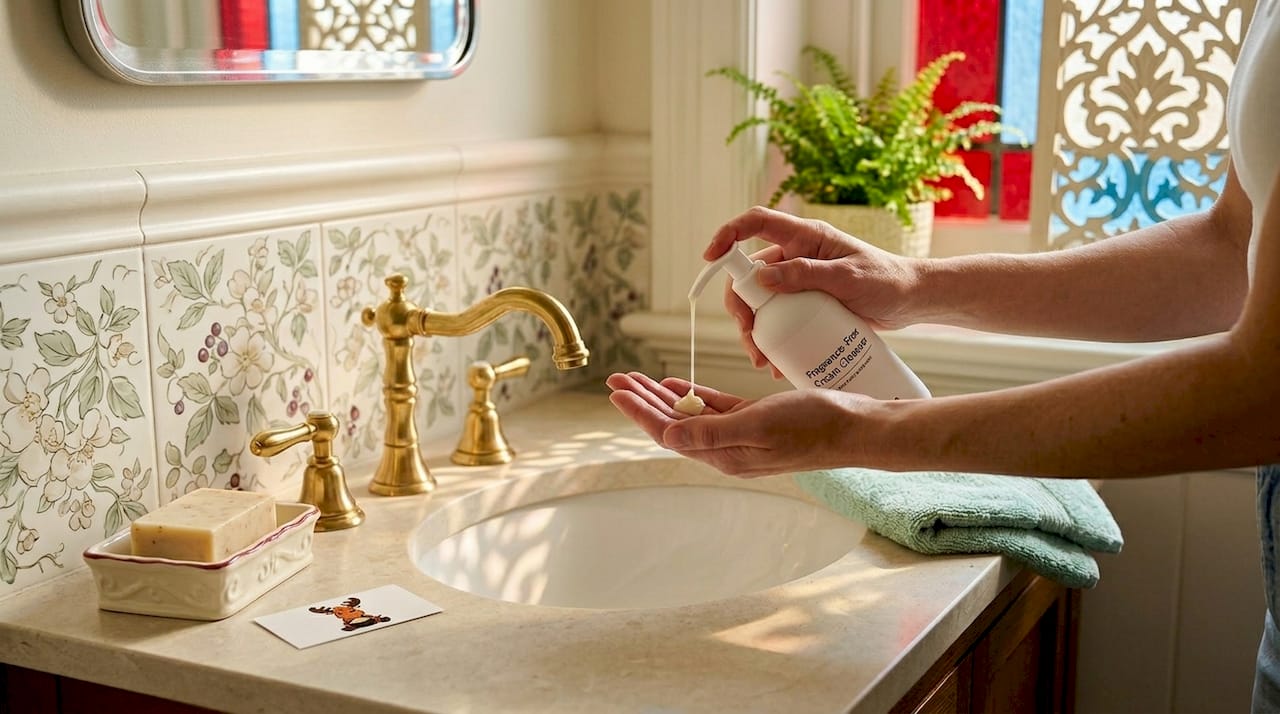
Un limpiador suave es el primer paso en cualquier rutina sólida de cuidado para piel sensible. El objetivo es simple: eliminar la suciedad y el exceso de grasa sin despojar a la piel de sus lípidos naturales.
Busca estas cualidades al elegir un limpiador:
- Sin fragancia y sin colorantes
- Con pH balanceado, idealmente entre 4.5 y 5.5
- Tensioactivos suaves en lugar de sulfatos
- Formatos en crema o micelares en lugar de geles espumosos
Las espumas a base de sulfatos se sienten satisfactorias, pero suelen ser demasiado agresivas para la piel reactiva. Un limpiador en crema o un agua micelar simple es un punto de partida más inteligente. Esta guía paso a paso para hidratar también cubre cómo encaja la limpieza en la rutina más amplia.
3. Cómo elegir la mejor crema hidratante para piel sensible
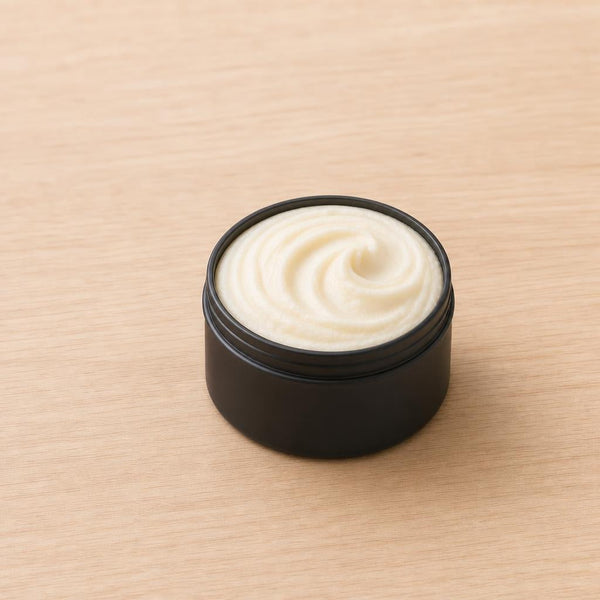
La hidratación es donde realmente ocurre la reparación de la barrera. La mejor crema hidratante para piel sensible contiene ceramidas, colesterol y ácidos grasos. Estos tres componentes imitan los propios lípidos naturales de la barrera de tu piel.
Ingredientes que debes buscar en una buena crema hidratante:
- Ceramidas (NP, AP, EOP son tipos comunes)
- Colesterol
- Ácidos grasos
Ingredientes a evitar:
- Fragancia
- Alcohol denat
- Conservantes que resecan
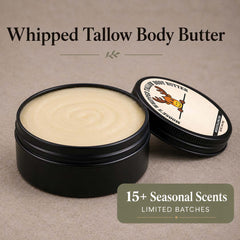
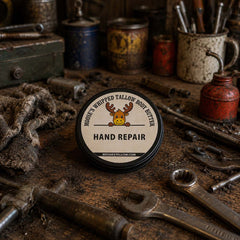
Moosestallow crea sus cremas hidratantes en torno al sebo de res, que es naturalmente rico en ácidos grasos y compatible con la biología de la piel. Las fórmulas también incluyen aceite de coco fraccionado, preferido como vehículo por su estabilidad, resistencia a la oxidación y fácil absorción. La cera de abeja, los tocoferoles, la jojoba, el ricino y los ingredientes infusionados con yema de huevo completan la mezcla. Cada ingrediente tiene un propósito. Ninguno es de relleno. Puedes aprender más sobre lo que realmente funciona para la piel sensible en la biblioteca de recursos de Moosestallow.
Consejo: Aplicar la crema hidratante sobre la piel húmeda atrapa el agua contra la superficie y acelera la reparación de la barrera. Seca con toques suaves y luego aplica de inmediato.
4. Cómo elegir un protector solar que no cause reacción
La protección solar importa incluso para la piel sensible. Especialmente para la piel sensible, de hecho, porque el daño por rayos UV debilita aún más la barrera.
La opción correcta es un protector solar mineral de amplio espectro con óxido de zinc o dióxido de titanio. Estos filtros se quedan sobre la piel en lugar de absorberse en ella, lo que los hace mucho mejor tolerados que las alternativas químicas.
| Tipo de protector solar | Ingredientes activos | Rango de SPF | Riesgo de irritación |
|---|---|---|---|
| Mineral | Óxido de zinc, dióxido de titanio | SPF 30 a 50+ | Bajo |
| Químico | Oxibenzona, avobenzona | SPF 30 a 100 | Más alto para piel sensible |
| Híbrido | Mezcla de mineral y químico | SPF 30 a 50+ | Moderado |
Ingredientes a evitar en el protector solar:
- Oxibenzona y avobenzona
- Fragancia sintética
- Conservantes irritantes como el cloruro de benzalconio
Para la aplicación, usa alrededor de 1 g de producto (más o menos del tamaño de una moneda) para el rostro. Aplícalo 15 minutos antes de la exposición al sol. Reaplica cada dos horas, y después de nadar o sudar. La reaplicación constante importa tanto como la fórmula que elijas.
Consejo: El SPF 30 bloquea el 97 % de los rayos UVB, y el SPF 50 bloquea el 98 %. Para la piel sensible, la protección adicional del SPF 50 vale la pena.
5. El cuidado de la delicada zona de los ojos
La piel alrededor de tus ojos es más delgada que la del resto de tu cara. Necesita reglas más estrictas.
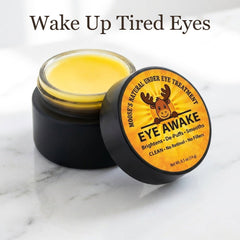
La zona de los ojos requiere evitar la fragancia, el alcohol desnaturalizado, los aceites esenciales, los conservantes de cloruro de benzalconio y los ácidos exfoliantes fuertes. Incluso algunos productos etiquetados para piel sensible contienen estos irritantes en pequeñas cantidades que aún así causan problemas cerca de los ojos.
Buenos ingredientes de crema para el contorno de ojos para piel sensible:
- Ceramidas
- Ácido hialurónico
- Péptidos
- Glicerina
Si quieres usar vitamina C alrededor de los ojos, limita el ácido L-ascórbico a concentraciones por debajo del 15 %. Mejor aún, usa derivados de vitamina C más suaves como el ascorbil glucósido o el ascorbil fosfato de sodio. Son menos ácidos y menos propensos a arder.
6. Cómo reintroducir los ingredientes activos de forma segura
Una vez que tu barrera se sienta estable después de dos a cuatro semanas de una rutina mínima, puedes empezar a incorporar ingredientes activos. La palabra clave es lentamente.
| Ingrediente activo | Beneficio | Riesgo para la piel sensible | Consejo de reintroducción |
|---|---|---|---|
| Retinoides | Renovación celular, antiedad | Irritación, resequedad | Empieza con la concentración más baja, dos veces por semana |
| Vitamina C | Iluminación, antioxidante | Ardor si es demasiado ácida | Elige derivados más suaves |
| Niacinamida | Apoyo a la barrera, efecto calmante | Enrojecimiento en casos raros | Bien tolerada, buen activo para comenzar |
| AHA y BHA | Exfoliación | Irritación, alteración de la barrera | Úsalos solo después de que la barrera esté estable |
El enfoque basado en decisiones funciona mejor aquí. Introduce un activo a la vez. Úsalo durante dos semanas. Observa si hay reacciones. Solo entonces agrega un segundo. De esta forma, si algo causa un brote, sabes exactamente qué es. Para orientación sobre el apoyo antiedad sin los activos más agresivos, vale la pena leer el artículo de Moosestallow sobre soluciones antiedad suaves.
7. Por qué los ingredientes mínimos importan a largo plazo
Muchos productos comercializados como productos para piel sensible incluyen irritantes ocultos. Palabras como “natural” o “botánico” en una etiqueta no significan que el producto sea seguro para la piel reactiva. Los aceites esenciales, por ejemplo, son naturales y siguen estando entre los sensibilizantes más comunes.
Cuando mantienes tu rutina mínima, reduces el número de posibles desencadenantes. Menos productos también significa menos interacciones entre ingredientes. Y cuando una reacción sí ocurre, es mucho más fácil identificar la causa.
Mi opinión honesta sobre cómo crear una rutina para piel sensible
Lo he visto pasar una y otra vez. Alguien con piel reactiva pasa semanas leyendo reseñas y probando cada nuevo producto prometedor. Cada cambio detiene el proceso de curación y lo deja más confundido que antes.
Lo más difícil de hacer es parar. Simplemente deja de agregar cosas y deja que tu piel se recupere.
Lo que he aprendido es que la paciencia es el verdadero ingrediente activo aquí. Las formulaciones tradicionales como las hechas a base de sebo de res se han usado por generaciones por una razón. Funcionan en armonía con aquello de lo que la piel ya está hecha, sin largas listas de ingredientes llenas de rellenos sintéticos.
También he notado que muchas personas con piel sensible se sienten avergonzadas o derrotadas por sus reacciones. No hay nada de qué avergonzarse. Tu piel te está dando información. Síguela. Documenta lo que usas y lo que sucede. Manténlo simple por más tiempo del que parece necesario. La barrera se cura si le das la oportunidad.
Brian
El enfoque de Moosestallow para el cuidado de la piel sensible
En Moosestallow, cada producto comienza con sebo de res correctamente procesado y se amplía solo con ingredientes que se ganan su lugar. El aceite de coco fraccionado le da estabilidad a la fórmula y se absorbe de forma limpia sin oxidarse. La cera de abeja añade una protección suave. Los tocoferoles, la jojoba y el ricino aportan una nutrición específica. Nada está ahí solo para aparentar.
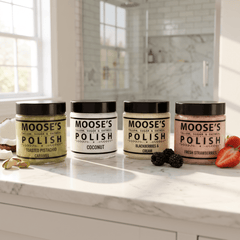
Si estás creando una rutina personalizada para piel sensible y quieres productos hechos con este tipo de transparencia, la colección de Moosestallow encaja de forma natural. Cada lote se hace en cantidades pequeñas y con cuidado, no producido a gran escala y simplificado. Explora la gama completa y combínala con la orientación de cuidado enfocada en la comodidad del sitio para construir algo en lo que tu piel realmente pueda confiar.
Preguntas frecuentes
¿Qué debe incluir una rutina básica de cuidado para piel sensible?
Una rutina mínima para piel sensible incluye un limpiador suave sin fragancia, una crema hidratante con ceramidas y un protector solar mineral de amplio espectro. Espera para usar ingredientes activos hasta que tu barrera cutánea esté estable.
¿Qué ingredientes debe evitar la piel sensible?
La piel sensible reacciona con más frecuencia a la fragancia, el alcohol denat, los aceites esenciales, los AHA y BHA en alta concentración, y los exfoliantes físicos. Estos ingredientes dañan la barrera cutánea y aumentan la irritación.
¿Cómo elijo la mejor crema hidratante para piel sensible?
Busca una fórmula sin fragancia con ceramidas, colesterol y ácidos grasos. Aplícala sobre la piel ligeramente húmeda para retener la humedad y apoyar la reparación de la barrera.
¿Cuándo puedo agregar ingredientes activos como el retinol o la vitamina C?
Introduce los activos solo después de dos a cuatro semanas de una rutina estable y mínima. Agrega uno a la vez y observa la respuesta de tu piel antes de agregar algo más.
¿Es mejor el protector solar mineral o químico para la piel sensible?
Los protectores solares minerales con óxido de zinc o dióxido de titanio son mejor tolerados por la piel sensible. Los filtros de protector solar químico como la oxibenzona tienen más probabilidad de causar irritación o reacciones.
Recomendados
- Proceso para hidratar la piel sensible: una guía paso a paso – Moose’s Tallow
- Cómo definir la comodidad en el cuidado de la piel sensible y de bebé – Moose’s Tallow
- El cuidado natural de la piel explicado: beneficios para la piel sensible – Moose’s Tallow
- Los mejores consejos de cuidado natural de la piel para una piel más sana y calmada en 2026 – Moose’s Tallow


0 comentarios