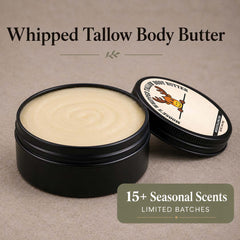
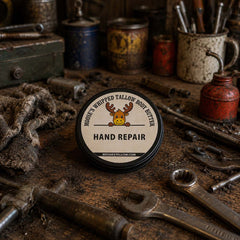
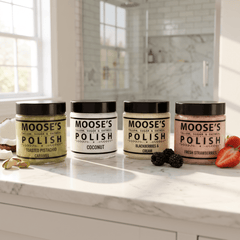
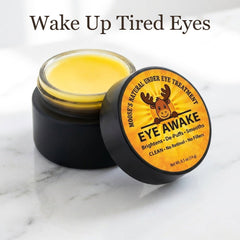


For a breathable, natural swap, choose a tallow-forward balm built on beeswax and fractionated coconut oil. That combination gives you real occlusion, clean ingredients, and a formula your skin can actually use. Here are the fastest practical swaps:
- Tallow balm with fractionated coconut oil — closest to your skin’s own lipids, water-free, and shelf-stable
- Beeswax-based balm — breathable barrier, biodegradable, good for lips and dry patches
- Lanolin — intense moisture for very dry or cracked spots, especially nipples and heels
- Oil blends — lighter absorption for daily body use when you want less occlusion
Petrolatum still has a place for severe fissures and clinical wound occlusion. But for everyday moisturizing, a cleaner option works just as well for most people.
Pro Tip: Keep oil-based alternatives away from latex condoms. They degrade latex and reduce protection. Use a water-based lubricant for sexual use.
Key Takeaways
Tallow-based balms with fractionated coconut oil offer the most skin-compatible, ingredient-transparent petroleum jelly alternative for dry and sensitive skin.
| Point | Details |
|---|---|
| Top everyday swap | A tallow balm with fractionated coconut oil and beeswax covers most use cases cleanly. |
| Breathability matters | Beeswax-based balms allow moisture exchange; petrolatum does not. |
| Lanolin for severe dryness | Use lanolin on cracked heels or nursing skin, but patch test for wool allergy first. |
| Safety basics | Patch test every new product; keep oils away from latex condoms; consult a doctor for wounds or infant use. |
| Moose’s Tallow | Water-free, small-batch tallow products for lips, baby, body, and hands, backed by a 60-day guarantee. |
What is petroleum jelly and how does it work on skin?
Petrolatum is a byproduct of petroleum refining. It is a semi-solid mixture of hydrocarbons with no nutritional value for skin. What it does well is form a non-breathable occlusive layer on the surface. That layer slows water loss, which keeps skin from drying out further. It does not add moisture, feed the skin barrier, or absorb. It just sits on top and seals.
A JAAD dermatology review describes petrolatum as an effective occlusive with broad clinical uses and clarifies that many concerns about allergenicity and comedogenicity are overstated when the product is fully refined. The key phrase is “fully refined.” White petrolatum, the pharmaceutical grade, carries low topical risk. The concern comes with less refined variants, which can contain polycyclic aromatic hydrocarbons (PAHs), a class of processing contaminants. Consumer-health guidance from Columbia University notes that fully refined petrolatum is generally considered safe, while unrefined versions raise legitimate questions.
Key points on petrolatum:
- Forms a non-breathable seal; does not absorb or nourish
- Fully refined (white) petrolatum has low allergen risk
- Unrefined variants may contain PAH contaminants
- Fossil-fuel derived and not biodegradable
Why are people switching to petroleum-free moisturizers?
The reasons vary, but they cluster around three things: ingredient anxiety, skin feel, and environmental concern.
On the safety side, the refinement question is real. Not every product on the shelf discloses its refinement grade. Shoppers who read labels and cannot confirm pharmaceutical-grade purity often decide the uncertainty is not worth it. That is a reasonable call.
Texture is the second driver. Petrolatum is heavy and non-breathable. Some people find it suffocating, especially on the face or in warm weather. A breathable wax or tallow balm sits differently. It absorbs more readily and does not leave the same occlusive film.
The environmental piece matters too. Petrolatum comes from fossil fuel processing. It does not biodegrade readily. For shoppers already making choices around sustainability, that is a straightforward reason to look elsewhere.
Common goals driving the switch:
- Clean-beauty and non-toxic formulas
- Baby-safe products with short ingredient lists
- Non-staining, lighter textures
- Biodegradable and sustainably sourced ingredients
- Ingredient transparency and label clarity
How do you pick the right petroleum jelly alternative for your skin?
Start with four questions before you buy anything.
- What is your skin type? Dry and sensitive skin benefits from stronger occlusion. Acne-prone skin needs something lighter and non-comedogenic.
- How much barrier strength do you need? Lips and cracked heels need heavy occlusion. Arms and legs after a shower need something lighter.
- Do you have known allergens? Lanolin can trigger reactions in people sensitive to wool. Beeswax may be an issue for those with pollen allergies. Tallow is animal-derived.
- How transparent is the ingredient list? Short lists with named ingredients are easier to evaluate than long lists with vague “blend” entries.
Red flags to avoid:
- Unknown sourcing on animal-derived fats (tallow, lanolin)
- Added synthetic fragrances, especially on baby or sensitive-skin products
- No return policy or batch information
A quick purchase checklist:
- Read the full ingredient list before buying
- Confirm the carrier oil (fractionated coconut oil is stable and resists oxidation; many vegetable oils go rancid faster)
- Check whether the formula is water-free or water-first
- Look for a return or satisfaction guarantee
- Confirm no latex-incompatible oils if the product will be used near condoms
Condom compatibility note: Oil-based products, including tallow balms, beeswax balms, lanolin, and coconut oil, degrade latex. Always use a water-based lubricant for sexual use.
What are the best natural alternatives to petroleum jelly?
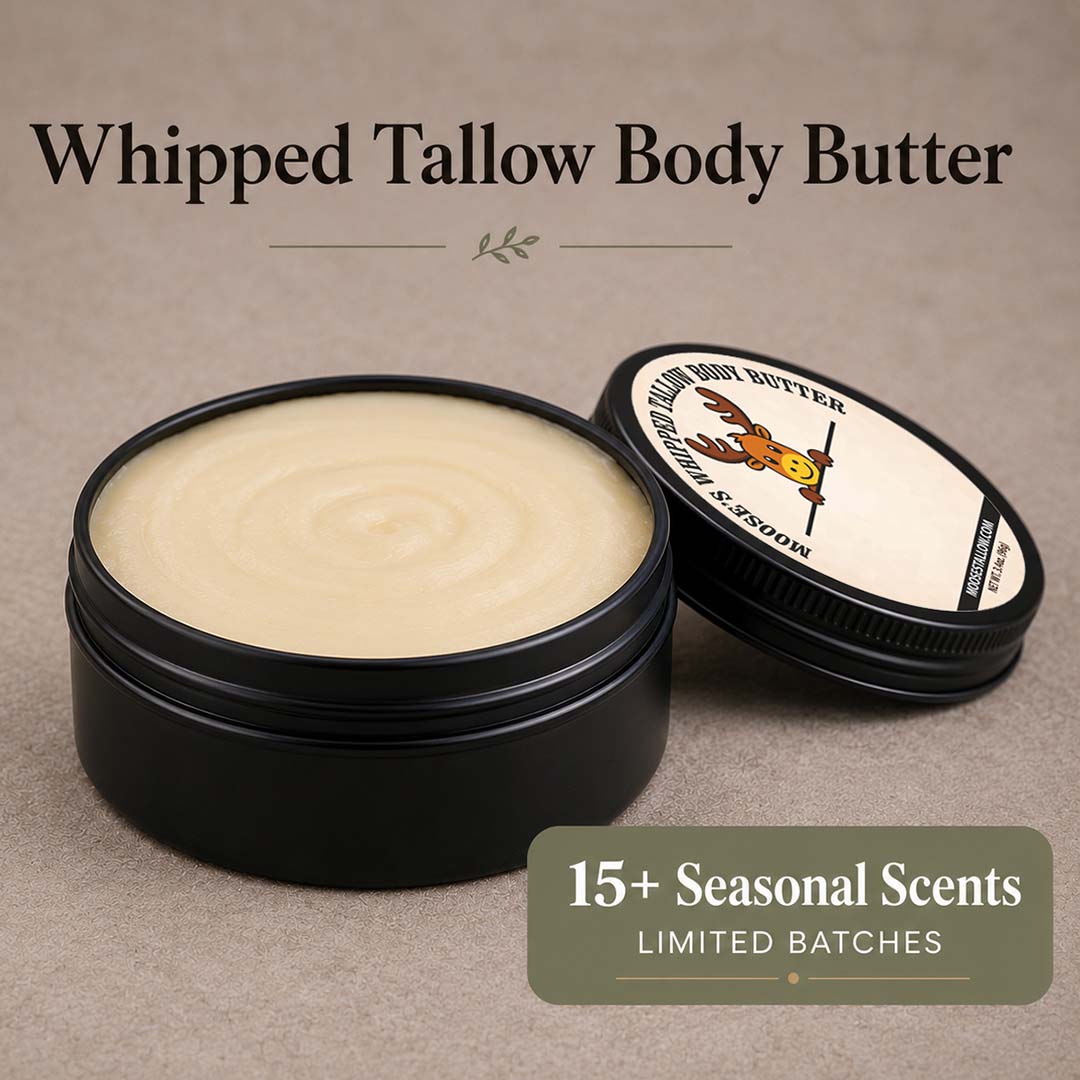
Tallow-based balms
Tallow is rendered beef fat. Its fatty-acid profile, including palmitic, oleic, and stearic acids, is close to human skin lipids. A scoping review found that tallow contains triglycerides and fatty acids similar to those in human skin, though clinical evidence for unique benefits remains limited and further research is needed. The mechanistic case is plausible. The clinical proof is still catching up.
Sourcing matters. Properly rendered, locally sourced beef suet tallow from grass-fed cattle is a different product than generic rendered fat. Rendering quality affects purity, smell, and shelf life. Paired with fractionated coconut oil as the carrier, a tallow balm resists oxidation, absorbs cleanly, and stays stable on the shelf.
Best for: dry body skin, lips, eczema-prone areas, baby skin, and tallow slugging as a night occlusion method.
Cautions: animal-derived; not suitable for vegans. Quality varies widely by brand. Unpreserved or poorly rendered tallow can go rancid.
Beeswax-based balms
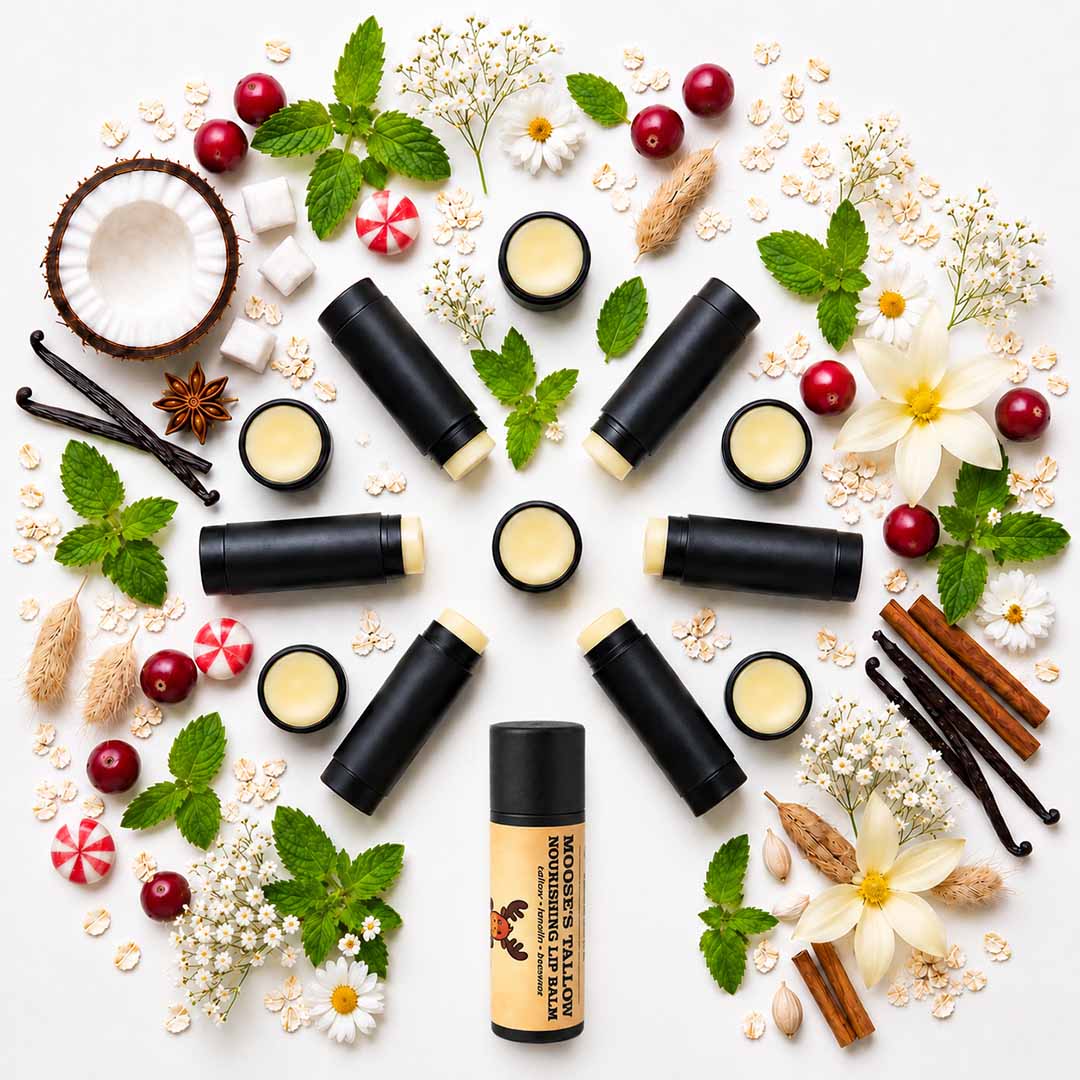
Beeswax is a natural wax secreted by honeybees. Unlike petrolatum, it forms a breathable barrier that protects skin while allowing some exchange of moisture and gases. It is biodegradable and well-tolerated by most skin types. Formulators often pair it with oils to soften texture and improve spreadability.
Best for: lips, dry patches, light daily barrier use.
Cautions: pollen-sensitive individuals may react. Not suitable for vegans.
Lanolin
Lanolin is a wax derived from sheep’s wool. It is intensely occlusive and works well on severely dry or cracked skin. Products like Waxelene and Dr. Bronner’s Magic Balm use beeswax and plant-based waxes as their base, while lanolin-forward products such as those from the Wren Go-To Balm line use lanolin and beeswax together for a breathable yet protective finish.
Best for: cracked heels, nipples (nursing), very dry hands.
Cautions: lanolin allergy is a real concern, especially in people with eczema or wool sensitivity. Patch test before use.
Oil blends and commercial clean balms
Fractionated coconut oil, used alone or blended, offers lighter absorption than tallow or beeswax. It is stable, resists oxidation, and does not go rancid quickly. Products like Alba Botanica Un-Petroleum use plant-derived waxes and oils to mimic petrolatum’s barrier function without the fossil-fuel base.
Best for: daily body moisturizing, lighter skin types, quicker absorption.
Cautions: some oils are comedogenic. Check individual oil ratings if you are acne-prone.
How do you apply natural alternatives safely?
Daily moisturizing
- Cleanse and pat skin dry, leaving it slightly damp.
- Warm a small amount of balm between your fingertips.
- Press gently into skin rather than rubbing hard.
- Apply to the driest areas first (hands, elbows, heels).
- Allow a minute to absorb before dressing.
Night occlusion (slugging with tallow)
Slugging with tallow follows the same principle as petrolatum slugging: apply a thin layer over your usual moisturizer or serum before bed to lock in hydration overnight. Tallow slugging works well for dry and sensitive skin. Use a light layer. A thick coat is not more effective and may feel heavy.
Lip care
Apply a small amount to clean, dry lips. Reapply after eating or drinking. For very chapped lips, apply before bed and leave overnight.
Patch testing
- Apply a small amount to the inside of your wrist or behind your ear.
- Leave it for 24 hours without washing.
- Check for redness, itching, or swelling.
- If no reaction appears after 48 hours, the product is likely safe for broader use.
Wound and infant cautions: Natural balms are not sterile. Do not apply any unsterile product to open wounds without medical guidance. For infants, keep formulas simple and fragrance-free. Consult a pediatrician before applying any new product to newborn skin. Cleveland Clinic experts recommend patch testing and dermatologist consultation for anyone with sensitive or reactive skin.
Condom compatibility: Oil-based products degrade latex. Use water-based lubricants only.
Why tallow makes sense as a practical choice
The case for tallow is mechanistic, not miraculous. A scoping review published in PMC confirms that tallow’s fatty-acid composition, palmitic, oleic, and stearic acids, mirrors the lipids found in human skin. The clinical evidence for unique benefits is still limited, and as National Geographic’s reporting notes, much of tallow’s current popularity is social-media driven. That does not make it ineffective. It means the hype outpaces the proof, and honest sourcing and formulation matter more than trend status.
What actually makes a tallow product worth using:
- Properly rendered local beef suet tallow — rendering quality affects purity, odor, and stability
- Fractionated coconut oil as the carrier — stable, resists oxidation, absorbs easily, extends shelf life
- Water-free formula — no water means no preservatives needed to fight microbial growth
- Short, named ingredient list — transparency you can verify, not a “blend” you have to trust blindly
- Small-batch production — easier quality control and fresher product
Unpreserved animal fats can go rancid if rendered or stored poorly. That is a real risk with DIY tallow or products from brands that do not disclose their sourcing and rendering process. Check for a return policy and clear ingredient disclosure before buying.
Pro Tip: When evaluating any tallow product, look for three things: named sourcing (grass-fed, local), a short ingredient list you can read in full, and a satisfaction guarantee. Those three signals together tell you the brand has nothing to hide.
For a deeper look at tallow’s skin benefits and how it compares to other moisturizers, the Moose’s Tallow blog covers the full picture.
A note from the founder
I started Moose’s Tallow after flipping over a lotion bottle and counting 52 ingredients. The first one was water. That bothered me. I wanted something real, something I could actually understand. Tallow made sense. Its fatty acids are close to what skin already produces. So I started making small batches in Lebanon, PA, with properly rendered local beef suet tallow and a handful of ingredients I could name and explain.
Every product we make is backed by a 60-day guarantee. If it does not work for you, we make it right. That is the only promise that matters.
Moose’s Tallow products that replace petroleum jelly
Moose’s Tallow makes a direct-to-consumer line of water-free, tallow-based products that cover the most common petroleum jelly use cases. Every formula is built on properly rendered local beef suet tallow, fractionated coconut oil, beeswax, vitamin E (tocopherols), jojoba, castor, and egg yolk infused oil. No fillers. No water. Nothing to hide.
- Healing lip balm — for dry, chapped lips needing a clean, breathable barrier
- Baby butter — simple, fragrance-free, and gentle for infant skin
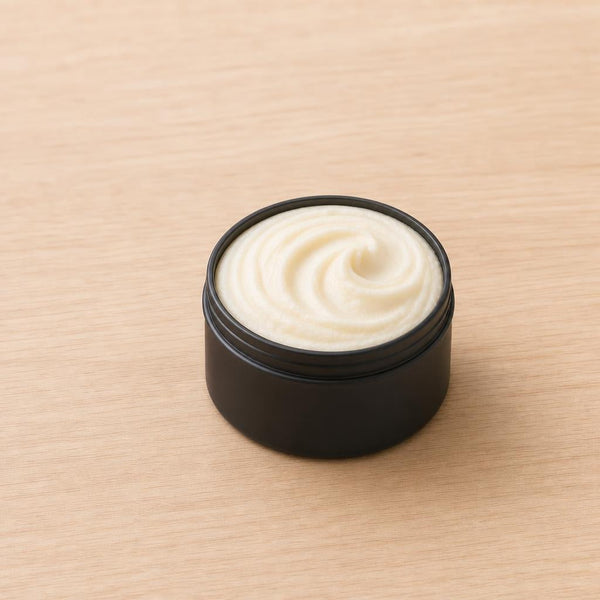
- Whipped body butter — daily full-body moisture with real occlusion
- Hand cream — targeted care for dry, rough hands
- Pet paw balm — the same clean formula, sized for paws
Products range from $9 to $34. Every order ships across the US and comes with a 60-day satisfaction guarantee. Browse the full line and find your match at Moose’s Tallow.
Sources
- Beef tallow for skin care: benefits, risks, and more (scoping review)
- Should You Be Using Beef Tallow on Your Skin? | Cleveland Clinic
- PubMed entry on beeswax and skin barrier
- Beef tallow as skin care? Experts explain what’s truth—and myth | National Geographic
- JAAD review of petrolatum in dermatology
This article is general information, not a substitute for advice from a qualified doctor. Consult a qualified healthcare professional about your own circumstances before acting on anything here.
FAQ
Is Aquaphor just petroleum jelly?
No. Aquaphor contains petrolatum as its primary ingredient but also includes lanolin alcohol, glycerin, and panthenol. It is a more complex formula than plain petroleum jelly, though petrolatum remains its base.
What can you use instead of petroleum jelly on wounds?
For minor scrapes, a clean, fragrance-free balm can help keep the area from drying out, but no unsterile product should go on an open wound without medical guidance. Consult a healthcare provider for anything beyond a superficial scratch.
What is a good petroleum jelly alternative for everyday use?
A tallow balm with beeswax and fractionated coconut oil works well for most people. It provides real barrier support, absorbs more readily than petrolatum, and uses ingredients you can read and verify on the label.
Can I use coconut oil instead of petroleum jelly?
Fractionated coconut oil is a lighter option that absorbs quickly and resists oxidation, making it a stable choice as a carrier or standalone moisturizer. It offers less occlusion than petrolatum, so it works better for daily hydration than for sealing severely dry or cracked skin.
Recommended
- Tallow vs Plant Oils: 22% Better Hydration for Your Skin – Moose’s Tallow
- Types of natural moisturizers: best picks for sensitive skin – Moose’s Tallow
- How to Choose Tallow Moisturizer Naturally for Healthier Skin – Moose’s Tallow
- Natural moisturizers for sensitive skin: What actually works – Moose’s Tallow


0 comments