

TL;DR:
- El cuidado de la piel con sebo se ha vuelto popular como un humectante natural y ancestral, que funciona principalmente como oclusivo para sellar la humedad de la piel. Su eficacia depende de la aplicación y el origen correctos, pero la evidencia clínica limitada significa que puede no ser más seguro ni más eficaz que las cremas hidratantes probadas para todos los tipos de piel. Elegir con cuidado, hacer una prueba de parche y entender lo que tu piel necesita son pasos esenciales antes de sumar el sebo a tu rutina.
El cuidado de la piel con sebo está en todas partes ahora mismo. Desde las redes sociales hasta los blogs de bienestar, la gente habla maravillas del sebo de res como el mejor humectante natural. Pero con tanto ruido, es fácil sentirse confundido. ¿De verdad funciona el sebo? ¿Es seguro para tu piel? ¿Y cómo se compara con las cremas hidratantes en las que ya confías? Este artículo va al grano con respuestas honestas. Verás qué es el sebo, cómo hidrata tu piel a nivel biológico, qué dice la evidencia y exactamente cómo usarlo, o cómo decidir que no es para ti.
¿El sebo de res es bueno para la piel?
Para la mayoría de las personas, sí. El sebo de res es parecido a los aceites que tu piel ya produce, así que se absorbe bien y rara vez irrita. Es rico en ácidos grasos y vitaminas A, D, E y K, que ayudan a la piel seca, áspera y con descamación. Muchas personas lo usan en piel sensible y propensa al eczema.
No es para todos. Si tu piel es muy grasa o propensa al acné, el sebo puede sentirse pesado, así que usa poco y observa cómo reacciona tu piel. Algunos dermatólogos son cautelosos porque los estudios todavía son limitados. La respuesta honesta: el sebo es un humectante suave y eficaz para la piel seca y normal, y vale la pena hacer una prueba de parche si tienes dudas.
Puntos clave
| Punto | Detalles |
|---|---|
| El sebo sella la humedad | El sebo funciona principalmente como un humectante oclusivo que reduce la pérdida de agua de la superficie de la piel. |
| Ideal para piel seca | El sebo funciona mejor en piel muy seca o áspera, pero puede no ser adecuado para pieles grasas, sensibles o propensas al acné. |
| La evidencia es limitada | La investigación clínica no demuestra que el sebo supere a las cremas hidratantes estándar y reguladas para la mayoría de las personas. |
| Elige productos seguros | Evita el sebo casero o las marcas poco probadas. Busca fuentes confiables y un almacenamiento adecuado. |
| Combina en capas para mejores resultados | Para una máxima hidratación, aplica el sebo sobre un sérum a base de humectante para retener la humedad. |
¿Qué es el sebo y por qué está de moda en el cuidado de la piel?
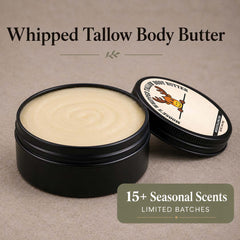
El sebo es grasa animal fundida, casi siempre obtenida de la res. El proceso de fundido consiste en calentar lentamente el tejido graso para separar la grasa pura de la proteína y el agua. Lo que queda es una sustancia rica y semisólida que se ha usado durante siglos para proteger y suavizar la piel.
El reciente aumento de interés no es casualidad. La gente busca activamente alternativas más simples y naturales a las cremas hidratantes sintéticas llenas de ingredientes que no puede ni pronunciar. El sebo cumple con varios puntos atractivos:
- Atractivo ancestral. El perfil lipídico del sebo suele describirse como parecido al sebo humano, el aceite natural que produce tu piel. Esto lo hace sentir intuitivo para muchas personas interesadas en ingredientes “compatibles con la piel”.
- Procesamiento mínimo. Cuando se funde correctamente, el sebo no contiene aditivos sintéticos, conservadores ni rellenos.
- Resultados visibles en redes sociales. Las fotos de antes y después y los testimonios entusiastas han despertado una enorme curiosidad, sobre todo entre quienes tienen piel crónicamente seca o áspera.
- Valores de ingredientes limpios. Muchos consumidores se alejan de las largas listas de ingredientes y se inclinan por productos con uno o dos componentes reconocibles.
Como explican los dermatólogos, el sebo funciona como un humectante oclusivo pesado, es decir, actúa principalmente sellando la humedad en la piel en lugar de aportarle hidratación. Esa distinción importa mucho cuando eliges el producto adecuado para tu tipo de piel. Si ya tienes curiosidad por saber si el sebo podría ser la respuesta a tus zonas secas persistentes, conviene empezar por entender por qué usar sebo para la piel seca desde el principio.
Con este creciente interés en el sebo, la verdadera pregunta es: ¿cómo se comporta en realidad sobre tu piel?
Cómo hidrata el sebo en realidad: oclusión y conceptos básicos de la barrera cutánea
Ahora que sabes por qué el sebo es popular, veamos exactamente cómo hidrata tu piel.
El principal mecanismo hidratante del sebo es la oclusión. Piénsalo como colocar un sello transpirable sobre tu piel. Ese sello frena la pérdida de agua transepidérmica, o TEWL, que es el proceso por el cual el agua se evapora de tu piel hacia el aire que te rodea. Un TEWL alto es una de las principales causas de la piel seca, áspera y con descamación. Al frenarlo, el sebo ayuda a que tu piel retenga la humedad que ya tiene. El sebo también actúa como emoliente, es decir, suaviza y alisa la capa más externa de la piel al rellenar los huecos microscópicos entre las células cutáneas.
Así funciona ese proceso paso a paso:
- Aplicas el sebo sobre la piel limpia o húmeda.
- Las moléculas de grasa se extienden por la superficie de la piel y empiezan a rellenar las irregularidades.
- Se forma la capa oclusiva, que frena la evaporación del agua de las capas más profundas de la piel.
- El TEWL se reduce, así que la humedad permanece más tiempo en la piel.
- Con el tiempo, la piel se siente más suave, más flexible y menos propensa a la tirantez o las grietas.
El sebo aporta efectos emolientes y oclusivos a la vez, que juntos reducen la pérdida de agua transepidérmica y mejoran la textura de la superficie. Esa combinación es justo lo que lo hace sentir tan eficaz en personas con piel muy seca o áspera.
| Tipo de humectante | Acción principal | Beneficio clave | Ingredientes de ejemplo |
|---|---|---|---|
| Oclusivo | Sella la superficie para reducir la pérdida de agua | Retiene la humedad existente | Sebo, petrolato, cera de abejas |
| Emoliente | Suaviza y alisa la superficie de la piel | Mejora la textura y la flexibilidad | Aceite de jojoba, manteca de karité, escualano |
| Humectante | Atrae el agua hacia la piel | Aporta hidratación de forma activa | Ácido hialurónico, glicerina, aloe vera |
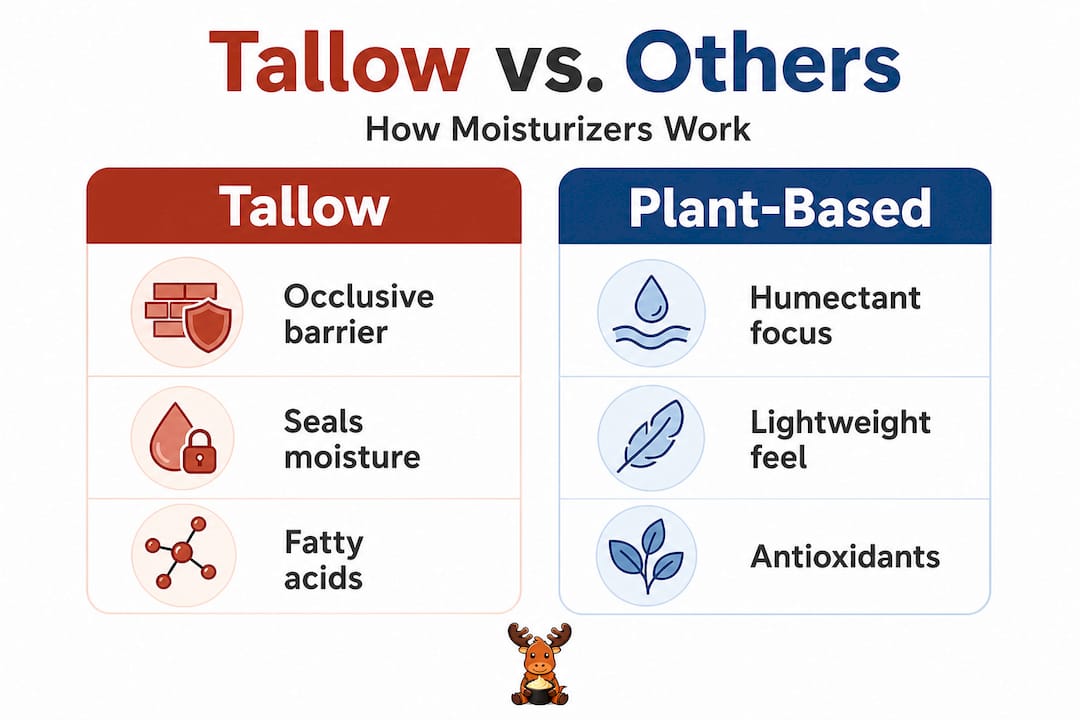
Consejo práctico: los oclusivos como el sebo funcionan mejor cuando se aplican sobre la piel ligeramente húmeda. Seca tu cara o tus manos con toques después de lavarlas, pero deja algo de humedad en la superficie. Luego aplica el sebo para retener esa hidratación antes de que se evapore.
Para una guía más detallada, nuestro artículo sobre cómo aplicar el cuidado de la piel con sebo te lleva paso a paso por la aplicación en la vida real. También puedes explorar formas de maximizar la hidratación del sebo según tu tipo de piel y tu rutina.
¿Es el sebo más seguro o mejor que otras cremas hidratantes?
Entender cómo hidrata el sebo lleva a una pregunta importante: ¿de verdad es más seguro o mejor que tus productos de siempre?

La respuesta honesta es: no necesariamente. Los dermatólogos hacen aquí una distinción clara. Aunque el sebo puede hidratar de forma eficaz mediante la oclusión, la evidencia sobre el sebo tópico es limitada y no está demostrado que sea superior a las cremas hidratantes respaldadas por evidencia. También puede implicar riesgos reales si se usa en el tipo de piel equivocado.
Además, no hay suficiente investigación que respalde el sebo de res más allá de su función básica como humectante natural, y las cremas hidratantes estándar con fórmulas probadas siguen siendo la opción más segura y confiable para la mayoría de las personas.
| Característica | Sebo | Crema hidratante con ceramidas o de origen vegetal |
|---|---|---|
| Mecanismo hidratante | Oclusivo y emoliente | Emoliente, humectante y reparador de la barrera |
| Apoyo a la barrera cutánea | Indirecto (sellado) | Directo (repone ceramidas) |
| Evidencia clínica | Mínima | Sólida y revisada por pares |
| Regulación de la FDA | Ninguna | Sí (para la seguridad cosmética) |
| Riesgo de tapar los poros | Mayor en piel grasa o propensa al acné | Menor (hay opciones no comedogénicas) |
| Adecuado para piel sensible | Variable | Hay opciones mejor probadas |
El sebo no es un mal ingrediente, pero tampoco es universalmente seguro. Estas son las situaciones en las que el sebo puede ser realmente problemático:
- Piel propensa al acné. El sebo es comedogénico, es decir, puede tapar los poros y provocar brotes.
- Piel grasa o mixta. Su naturaleza oclusiva y pesada puede saturar una piel que ya produce suficiente sebo.
- Rosácea o dermatitis seborreica. Estas afecciones implican barreras cutáneas dañadas o reactivas, y el sebo puede irritar en lugar de calmar.
- Piel sensible con detonantes desconocidos. Sin una fórmula estandarizada ni pruebas, las reacciones son más difíciles de predecir.
Para tener una idea más clara de cómo se compara el sebo con otras opciones, lee nuestra comparación a fondo de sebo vs aceites vegetales o explora sebo vs cremas de origen vegetal para verlos lado a lado. Y si te interesa en concreto el cuidado de los labios, vale la pena leer nuestro análisis de bálsamo labial de sebo vs bálsamos comunes.
Cuándo y cómo usar las cremas de sebo (y cuándo evitarlas)
Ahora que comparamos el sebo con otras opciones, seamos prácticos sobre cuándo y cómo incorporarlo de forma segura, o evitarlo por completo.
El sebo puede tolerarse mejor en piel muy seca, pero puede resultar demasiado pesado para piel propensa al acné, grasa o mixta, o sensible, y puede empeorar ciertas afecciones. Conocer tu tipo de piel antes de empezar no es opcional. Es esencial.
Así puedes incorporar el sebo de forma segura:
- Haz primero una prueba de parche. Aplica una pequeña cantidad en la cara interna del antebrazo o detrás de la oreja. Espera de 24 a 48 horas y revisa si aparece enrojecimiento, comezón o brotes.
- Empieza poco a poco. Comienza por zonas ásperas como codos, talones o manos, donde tapar los poros no es una preocupación.
- Aplica sobre la piel húmeda. Como se dijo antes, el sebo funciona mejor cuando hay humedad que sellar.
- Observa cómo responde tu piel. Si notas nuevos brotes o irritación en una o dos semanas, deja de usarlo de inmediato.
- Elige un origen confiable. No todos los productos de sebo son iguales. Un fundido o almacenamiento inadecuado puede provocar que se eche a perder o que crezcan bacterias, así que el origen y la frescura sí importan.
Consejo práctico: aplica el sebo sobre un humectante como el ácido hialurónico o la glicerina para obtener resultados aún mejores. Aplica primero el humectante para atraer agua a tu piel y luego séllalo con una capa fina de sebo encima. Es un sencillo paso doble que marca una diferencia real.
Nuestra guía sobre cómo calmar la piel seca con sebo ofrece consejos de cuidado natural paso a paso. Antes de comprar, la guía para elegir una crema de sebo y la lista de verificación de productos de sebo te ayudarán a tomar una decisión segura e informada.
La verdad sorprendente sobre el sebo: por qué el furor pasa por alto riesgos clave (y oportunidades)
Dejando a un lado los tutoriales, quiero compartir lo que de verdad creo que la mayoría de la gente entiende mal sobre el cuidado de la piel con sebo.
El enfoque “ancestral” es atractivo. Pero el uso antiguo no equivale a seguridad moderna ni a eficacia comprobada. Nuestros antepasados tampoco tenían tratamientos para el acné, limpiadores suaves ni sistemas conservadores. El contexto importa muchísimo. La mayoría de los productos de sebo no están regulados y carecen de ensayos clínicos, lo que significa que la calidad y los resultados pueden variar mucho de una marca a otra.
Esto es lo que la mayoría de la gente no piensa en preguntar antes de probar el sebo:
- ¿De dónde se obtuvo el sebo y cómo se fundió? El sebo de res alimentada con pasto no es lo mismo que los subproductos del fundido comercial. El origen afecta el perfil de grasa, el olor y la sensación en la piel.
- ¿Qué tan fresco es el producto? El sebo puede oxidarse y ponerse rancio. La grasa rancia en tu cara no es una experiencia buena para la piel.
- ¿Se probó la seguridad microbiana del producto? Un frasco que reposa en la barra de la cocina sin una conservación adecuada es algo muy distinto a un producto hecho en lotes pequeños con cuidado e intención.
- ¿Tu tipo de piel realmente coincide con el producto? El sebo no es una solución universal. Ajustarlo a lo que tu piel de verdad necesita es lo que determina si ayuda o perjudica.
Soy transparente en esto porque creo en un cuidado de la piel honesto. El sebo, cuando es el adecuado, de verdad cumple. Pero tratarlo como una cura milagrosa para cualquier problema de la piel les hace un flaco favor a las personas que sí necesitan ayuda. El beneficio real viene de elegir el producto adecuado de una fuente en la que confías, y de elegir productos de sebo seguros con fórmulas bien pensadas detrás.
“Natural” no significa automáticamente seguro. Significa sin procesar. Son cosas muy distintas. Y esa distinción es justo por lo que el origen, la elaboración y la transparencia no son extras opcionales. Son lo esencial.
Descubre soluciones de cuidado de la piel con sebo natural más seguras
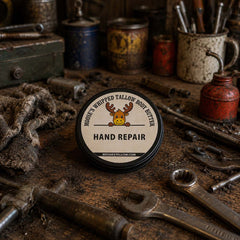
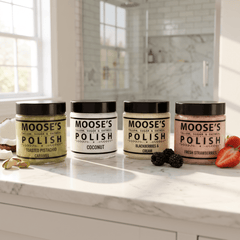
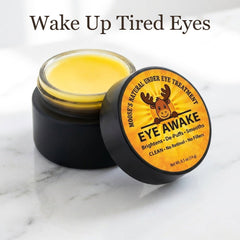
Si llegaste hasta aquí, estás listo para tomar una decisión realmente informada sobre el sebo. En Moose’s Tallow, le quitamos la incertidumbre al cuidado natural de la piel. Cada producto que hacemos empieza con sebo de res fundido con cuidado y se mezcla con ingredientes elegidos con esmero que de verdad se ganan su lugar en la fórmula. Nuestro proceso en lotes pequeños significa que recibes un producto fresco, hecho con intención y con verdadero cuidado. Ya sea que quieras protección solar con nuestro Bálsamo Solar de Sebo con Zinc o prefieras explorar opciones para tu rutina completa, nuestra colección completa de cuidado de la piel con sebo es un buen punto de partida. Ingredientes simples. Elaboración honesta. Un confort que de verdad se siente.
Preguntas frecuentes
¿El sebo hidrata todos los tipos de piel?
No. El sebo funciona mejor en piel muy seca o no propensa al acné, y puede ser demasiado oclusivo para piel grasa, mixta o sensible, donde puede tapar los poros o causar irritación.
¿El sebo reemplaza a las cremas hidratantes con ceramidas o de origen vegetal?
No según la mayoría de los dermatólogos. Cleveland Clinic aconseja que las cremas hidratantes probadas y respaldadas por evidencia siguen siendo la opción más segura y confiable para la mayoría de las personas, dada la limitada investigación clínica sobre el sebo.
¿Las cremas de sebo caseras pueden ser inseguras?
Sí. Un fundido o almacenamiento inadecuado puede provocar que se eche a perder y que crezcan bacterias. Muchos productos de sebo no tienen pruebas microbianas ni de estabilidad, lo que significa que la seguridad no está garantizada con productos caseros o de mal origen.
¿Cómo combino el sebo con otros productos para obtener mejores resultados?
Aplica primero un sérum hidratante o un humectante como el ácido hialurónico o la glicerina, y luego una capa fina de sebo para sellar la humedad y lograr los mejores resultados.
¿El sebo de res es bueno para tu cara?
Sí para piel seca o normal. El sebo hidrata en profundidad y le va bien a la piel sensible. Si eres propenso al acné, usa una capa fina o resérvalo para el cuerpo, ya que las grasas más pesadas pueden sentirse grasosas en rostros grasos.
Recomendado
- Cómo calmar la piel seca con sebo: pasos naturales y seguros – Moose’s Tallow
- Por qué usar sebo para aliviar la piel seca – Moose’s Tallow
- Mejores usos de la loción de sebo para una hidratación 25% mejor en 2026 – Moose’s Tallow
- Cómo elegir una crema de sebo de forma natural para una piel más sana – Moose’s Tallow


0 comentarios